
Cold-Process Soap from Local Oils
Turn shea butter, palm or coconut oil into hard bar soap you can use at home or sell — a reliable first micro-enterprise product.
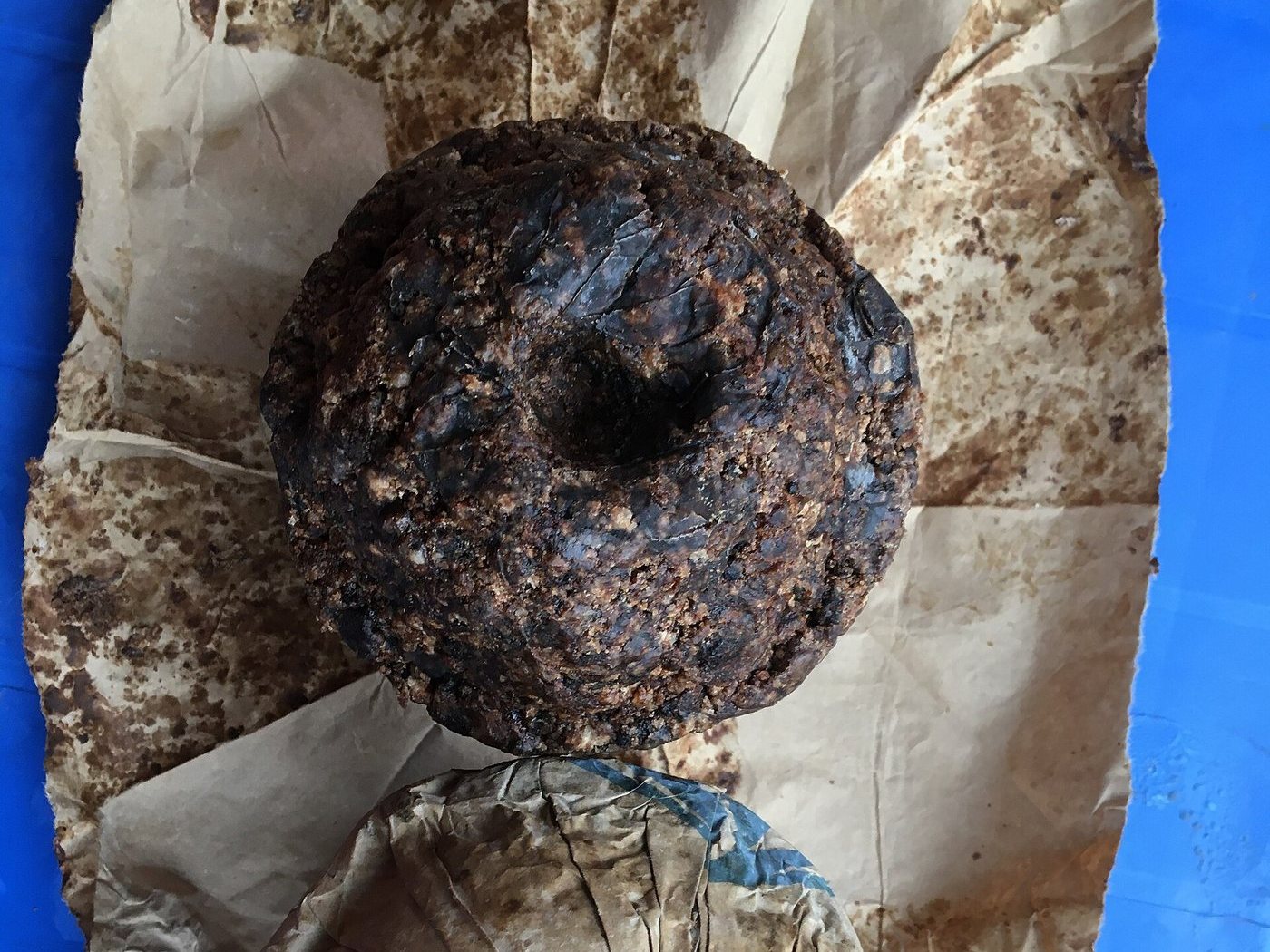
- Estimated cost
- $15 – $25 for a first batch of about 20 bars
- Skill level
- Intermediate
- Time
- 3 hours active, 4 – 6 weeks curing
Not yet verified
No confirmed build with photo proof has been submitted for this plan yet. Built it? Send photos and it earns the badge.
Tools
- Digital scale accurate to 1 g — essential, not optional
- Stainless steel or heavy plastic bucket (never aluminium)
- Stick blender or a strong whisk
- Thermometer
- Timber or plastic moulds lined with paper
- Goggles, long gloves, long sleeves, closed shoes
If you don't have it
- No shop-bought lye? Leach potash from hardwood ash — this gives soft soap, not bar soap. Test the strength on a feather and never guess the ratio.
Materials
- Sodium hydroxide (caustic soda), 100% pure
- Distilled or clean rainwater
- Oils: for example 60% palm or shea, 25% coconut, 15% groundnut
- Optional: local clay, charcoal powder or dried herbs for colour
- Optional: essential oil for fragrance
Dimensions & cut list
A 2 kg batch of cold-process bar soap from local oils, at 5% superfat. These are the reference sizes from Appropedia — scale them to what you have, but keep the ratios.
| Oil blend | 1,000 g: 600 g palm/shea, 300 g coconut, 100 g other |
|---|---|
| Lye (NaOH) | ≈ 143 gAlways recalculate with a lye calculator when you change oils — never reuse a recipe's lye figure for different fats |
| Water | 330 g (33% of oil weight) |
| Superfat | 5% |
| Mixing temperature | Oils and lye both at 40–45 °C |
| Cure time | 4 weeks on racks in the shade |
| Bar yield | ≈ 14 bars of 100 g |
Take this list to the yard
- 150 gSodium hydroxide, technical grade
- 1 kgLocal oils (palm, coconut, shea)
- 1Digital scale, 1 g resolutionVolume measuring of lye is dangerous — weigh everything
- 2Stainless or HDPE vessels onlyNever aluminium: lye attacks it
- 1 setGoggles, long gloves, apron
- 1Timber mould lined with paper
Step by step
Step 1 of 7
Run your recipe through a lye calculator
Every oil needs a different amount of lye. Use a soap calculator for your exact oil blend with a 5% superfat, and weigh everything. Copying someone else's numbers with different oils produces soap that burns skin.
Swipe or use arrow keys
1. Run your recipe through a lye calculator
Every oil needs a different amount of lye. Use a soap calculator for your exact oil blend with a 5% superfat, and weigh everything. Copying someone else's numbers with different oils produces soap that burns skin.
2. Set up your safety station
Work outdoors or in strong ventilation. Goggles and gloves on before the lye container is opened. Keep a bottle of clean water and vinegar within reach, and keep children and animals out of the area entirely.
3. Mix the lye solution
Always add lye to water, never water to lye. The solution will hit 80 °C and release harsh fumes — stir gently, stand back and upwind, and let it cool to 40 – 45 °C.
4. Melt and cool the oils
Melt the hard oils, add the liquid oils, and bring the blend to 40 – 45 °C so it matches the lye temperature.
5. Blend to trace
Pour the lye into the oils slowly and blend in short bursts until the mix thickens to 'trace' — a drizzle sits on the surface for a moment before sinking. Add colour or fragrance now and blend briefly.
6. Mould and insulate
Pour into lined moulds, cover, and wrap in a blanket for 24 hours so the batch goes through its gel phase evenly.
7. Cut and cure
Unmould after 24 – 48 hours and cut into bars. Cure on a rack with airflow for 4 – 6 weeks. Curing is what makes the bar hard, mild and long-lasting — selling early is the fastest way to lose repeat customers.
Why mine failed
The ways this build usually goes wrong, and what fixes it.
Bars are caustic and burn the skin
CauseToo much lye for the oils used, or unmixed lye pockets
FixRecalculate the lye for your exact oils with a lye calculator, weigh on a digital scale, and blend to a firm trace so nothing separates. Discard any batch that zaps the tongue after curing.
Batch separates into oil and a curdled layer
CauseOils and lye at very different temperatures
FixBring both to 40–45 °C before combining and keep blending to trace. If it separates, rebatch by grating and gently remelting with a little water.
Bars are soft and dissolve fast
CauseToo much soft oil, or cut and sold too early
FixKeep hard fats (palm, shea, coconut) above 60% of the blend and cure a full four weeks on airy racks before sale.
Fumes and skin burns while mixing
CauseLye added to hot water, or no protection
FixAlways add lye to cool water, never the reverse, work outdoors or in a draught, and wear goggles, long gloves and an apron. Keep vinegar and running water nearby.
Safety notes
- Sodium hydroxide causes severe chemical burns and permanent eye damage. Goggles and gloves are mandatory from the moment the container is opened until cleanup is finished.
- Always add lye to water. Reversing it can cause a violent boil-over.
- Never use aluminium vessels or utensils — lye reacts with aluminium and releases hydrogen gas.
- Keep children, pregnant women and animals away from the work area, and store lye locked and clearly labelled.
- Fresh soap is still caustic. Do not skin-test before it has cured.
Source & attribution
This plan is our build-step write-up of work documented by Appropedia. The original design and documentation belong to them — go read the source before you build.
Small-scale soap making and lye safetyLocal adaptations
What builders changed to make this work where they live.
Ruth A. · Jinja, Uganda
Shea plus coconut at 70/30 gives a hard bar that survives our humidity. Pure palm went soft on the shelf.
Build this alongside
Plans that use the same materials or serve the same need.
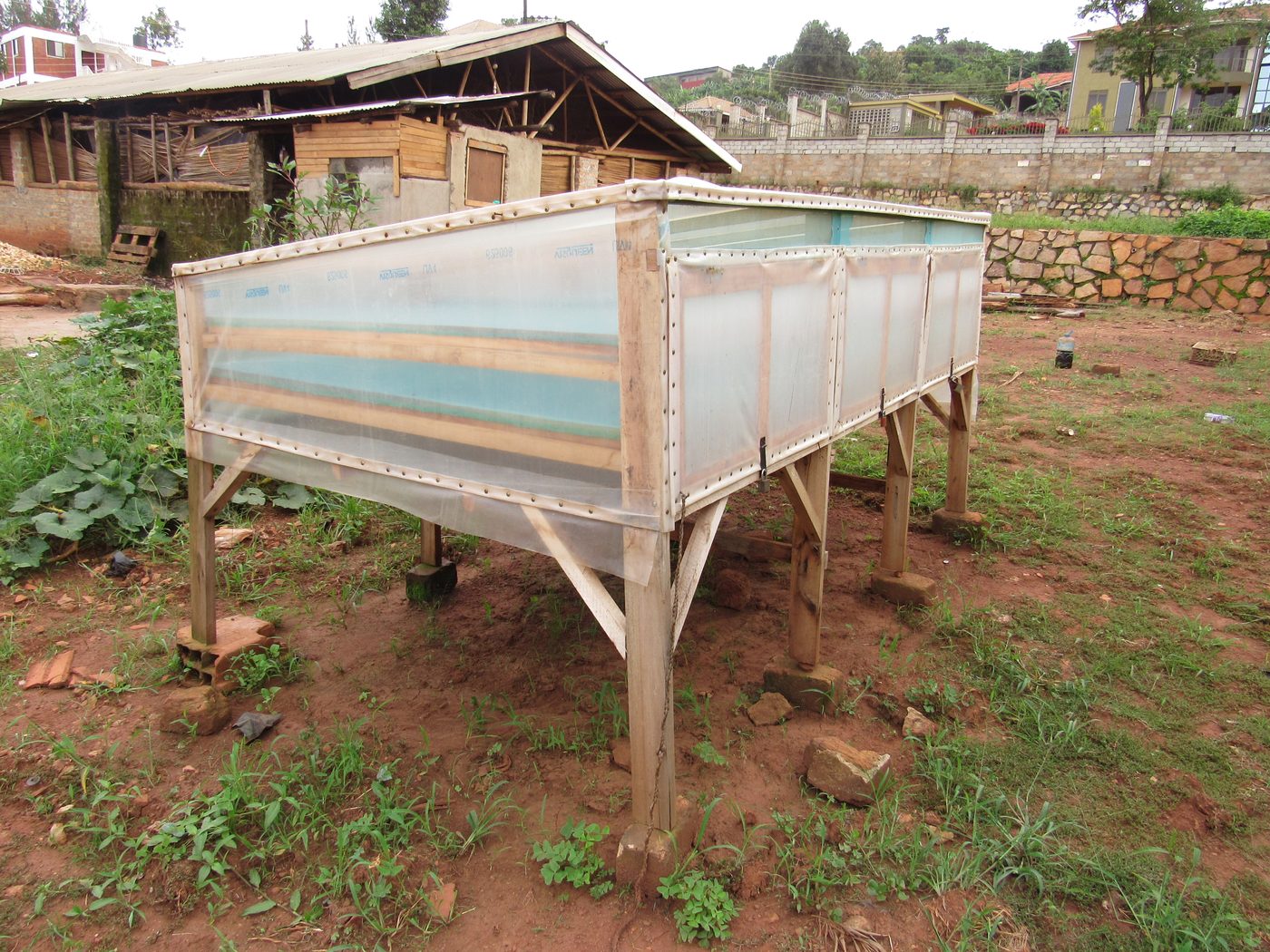
Indirect Solar Food Dryer
A timber cabinet with a glazed heat collector that dries fruit, vegetables and fish faster and cleaner than open sun, without bleaching the produce.
Hand-Cranked Maize Sheller
A simple drum-and-plate sheller that strips maize cobs several times faster than hand shelling, without bruising the grain.
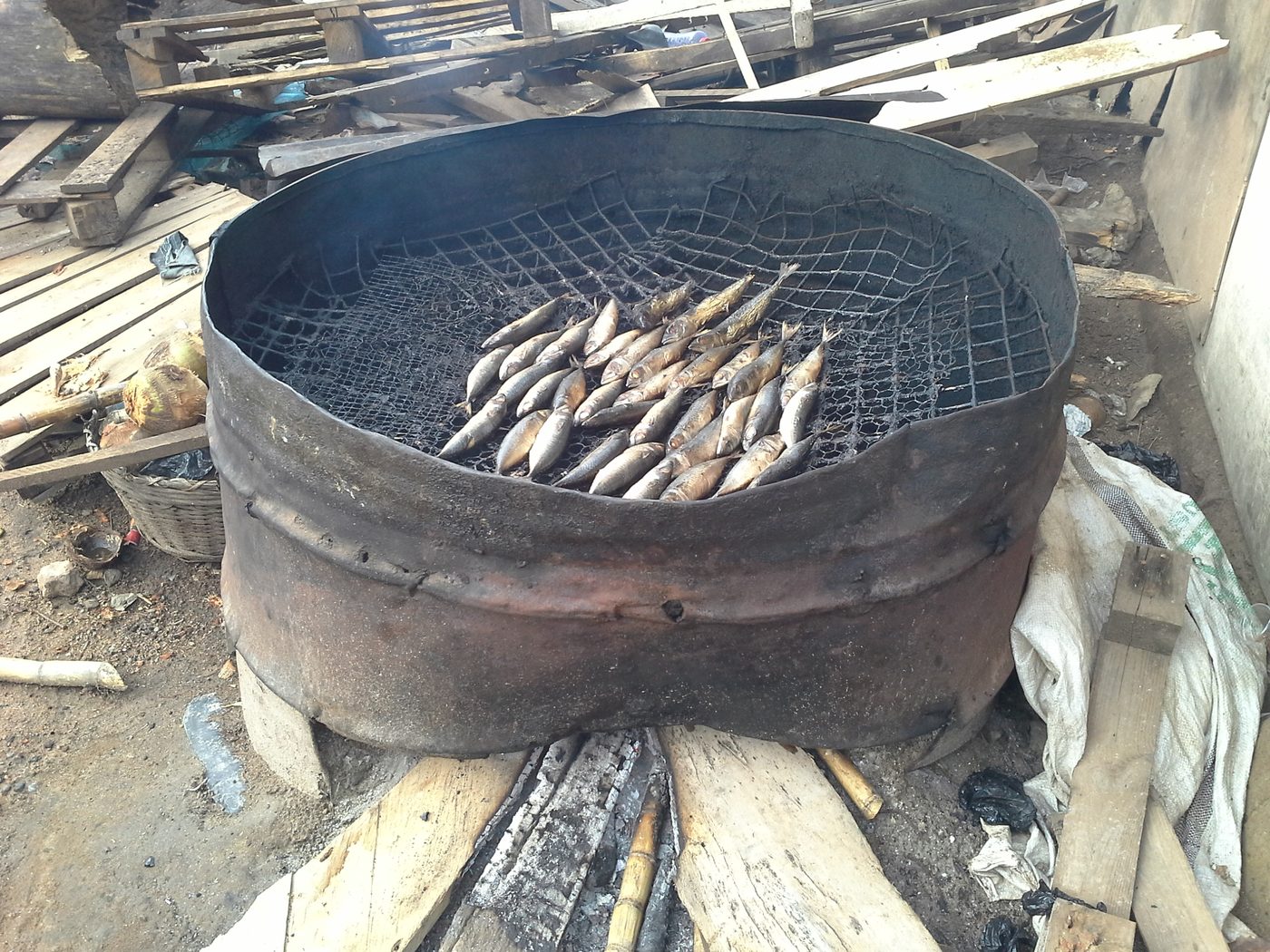
Improved Fish Smoking Kiln
A chorkor-style stacked-tray kiln that smokes far more fish per load with less firewood and much less smoke in the operator's face.