
Indirect Solar Food Dryer
A timber cabinet with a glazed heat collector that dries fruit, vegetables and fish faster and cleaner than open sun, without bleaching the produce.
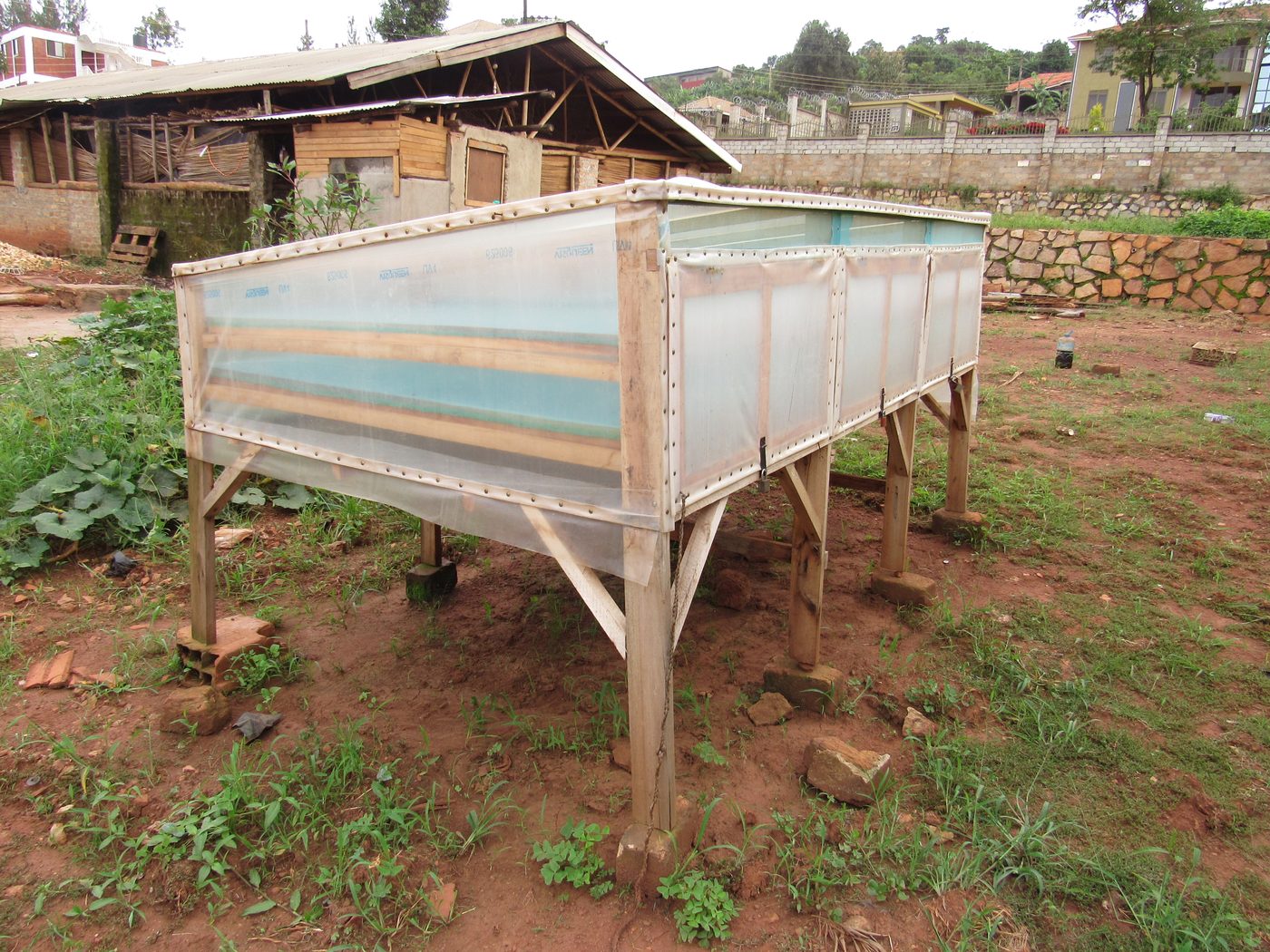
- Estimated cost
- $40 – $110 in timber, glazing and mesh
- Skill level
- Intermediate
- Time
- 2 days
Why this is a Verified Build
Verified with photo proof by a mango-drying micro-enterprise outside Bamako, Mali. Drying time for sliced mango fell from three days in open sun to under 24 hours, with far less spoilage.
Tools
- Handsaw
- Drill
- Hammer
- Staple gun
- Paintbrush
- Tin snips
If you don't have it
- No food-grade mesh trays? Stretch clean mosquito netting over timber frames; avoid galvanised mesh, which corrodes into acidic fruit.
- No black paint for the absorber? Use a sheet of old roofing tin blackened over a fire, or a layer of charcoal dust bound in thin clay slip.
Materials
- Timber: 25 × 100 mm boards and 50 × 50 mm framing
- Clear glazing: glass, polycarbonate or UV-stable plastic sheet, ~1 m²
- Sheet metal or painted board for the collector absorber
- Matt black high-temperature paint
- Food-grade mesh trays — stainless or food-safe plastic, never galvanised
- Fine insect mesh for the inlet and outlet vents
- Hinges, catch and screws
Dimensions & cut list
One indirect cabinet dryer handling about 10 kg of fresh produce per load. These are the reference sizes from Appropedia — scale them to what you have, but keep the ratios.
| Collector | 120 × 60 cm, glazed, tilted 15–30° toward the sun |
|---|---|
| Collector plate | Sheet metal painted matt black |
| Air gap under glazing | 5 cm |
| Drying cabinet | 60 × 60 × 90 cm tall |
| Trays | 4 mesh trays, 50 mm apart |
| Inlet vent | Base of the collector, 60 × 5 cm, screened |
| Outlet vent | Top of the cabinet, at least as large as the inlet |
Take this list to the yard
- ≈ 20 mTimber, 50 × 25 mm
- ≈ 0.8 m²Glazing (glass or clear sheet)
- ≈ 0.8 m²Sheet metal for the absorber
- ≈ 1.5 m²Food-safe mesh for trays
- 0.5 litreMatt black paint
Step by step
Step 1 of 7
Build the collector
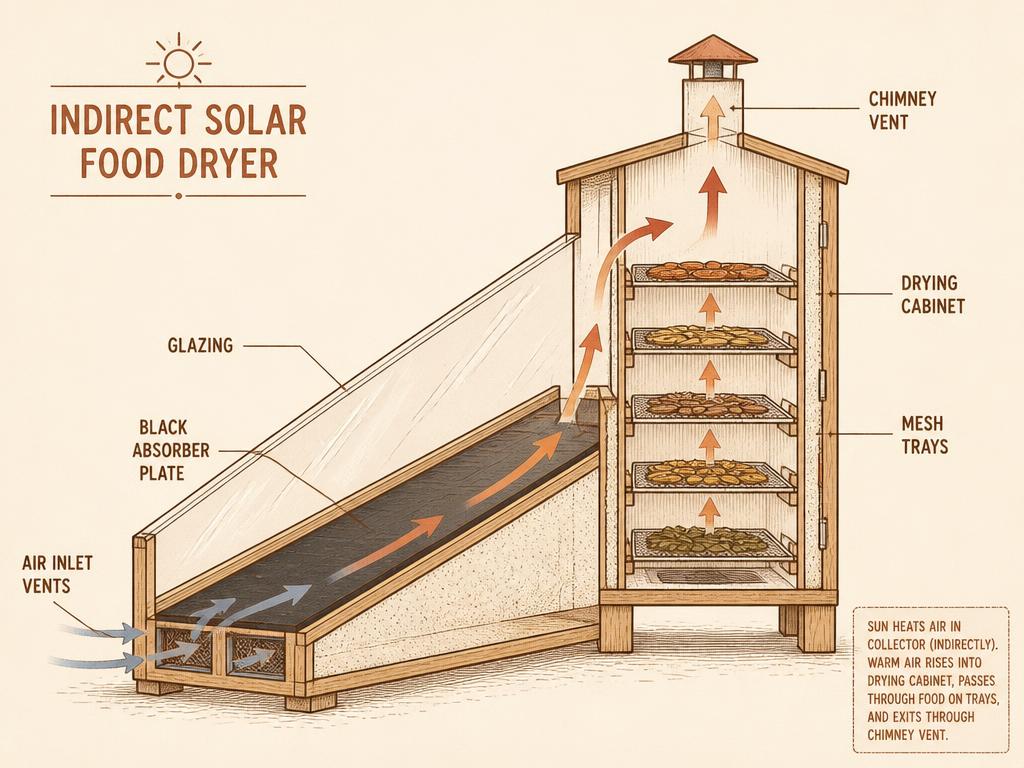
Make a shallow glazed box about 1200 × 600 mm with a black absorber plate inside and an air gap beneath it. Angle it toward the sun at roughly your latitude. This is where the air is heated — the food never sees direct sunlight.
Swipe or use arrow keys
1. Build the collector
Make a shallow glazed box about 1200 × 600 mm with a black absorber plate inside and an air gap beneath it. Angle it toward the sun at roughly your latitude. This is where the air is heated — the food never sees direct sunlight.
2. Build the drying cabinet
Build an upright box with runners for 3 – 4 removable trays and a hinged door on one side for loading. Connect the top of the collector to the bottom of the cabinet.
3. Set up the airflow
Cut a screened inlet at the low end of the collector and a screened outlet high on the back of the cabinet. Hot air rises through the trays and pulls fresh air in behind it — no fan needed. Outlet area should be slightly larger than inlet.
4. Screen everything
Cover both vents with fine insect mesh. Unscreened dryers get flies, and fly-blown dried produce is unsellable and unsafe.
5. Make the trays
Frame each tray in timber and stretch food-grade mesh across it. Galvanised or painted mesh must not touch food — zinc and lead migrate into acidic fruit.
6. Load and dry
Slice produce to an even 5 – 8 mm and load in a single layer with space between pieces. Rotate trays midway. Dry until fruit is leathery with no free moisture at the thickest point.
7. Store correctly
Cool fully, then pack in airtight containers away from light. Under-dried produce moulds in storage — when in doubt, dry another hour.
Why mine failed
The ways this build usually goes wrong, and what fixes it.
Produce moulds instead of drying
CauseAirflow too weak — moist air is sitting in the cabinet
FixEnlarge the top outlet so it is at least as large as the inlet. A dryer works on moving air, not just heat.
Outside of the slices hardens while the inside stays wet
CauseCabinet running too hot, case-hardening the surface
FixShade part of the collector or reduce its tilt in peak season, and cut slices thinner and more evenly.
Dried food tastes of paint or plastic
CauseNon-food-safe mesh or paint fumes in the cabinet
FixUse food-safe mesh only, and run the dryer empty for two hot days after painting.
Nothing dries on cloudy days
CauseExpected — an indirect dryer needs sun
FixLoad in the morning of a clear day, and never leave a part-dried load in overnight; it will spoil.
Safety notes
- Under-drying causes mould and, in some produce, mycotoxins. Dry to leathery-dry and store airtight.
- Use food-grade mesh only. Galvanised mesh is not food safe with acidic fruit.
- Wash hands, boards, knives and trays before every batch — a dryer concentrates whatever contamination went in.
- Glazing can reach painful temperatures at midday. Use a cloth to open the collector.
Source & attribution
This plan is our build-step write-up of work documented by Appropedia. The original design and documentation belong to them — go read the source before you build.
Indirect solar dryer designs and airflow sizingLocal adaptations
What builders changed to make this work where they live.
Aïcha C. · Bamako, Mali
We built the cabinet with a second door at the back so two people load at once. Halved our turnaround on market days.
Build this alongside
Plans that use the same materials or serve the same need.

Hand-Cranked Maize Sheller
A simple drum-and-plate sheller that strips maize cobs several times faster than hand shelling, without bruising the grain.
Improved Fish Smoking Kiln
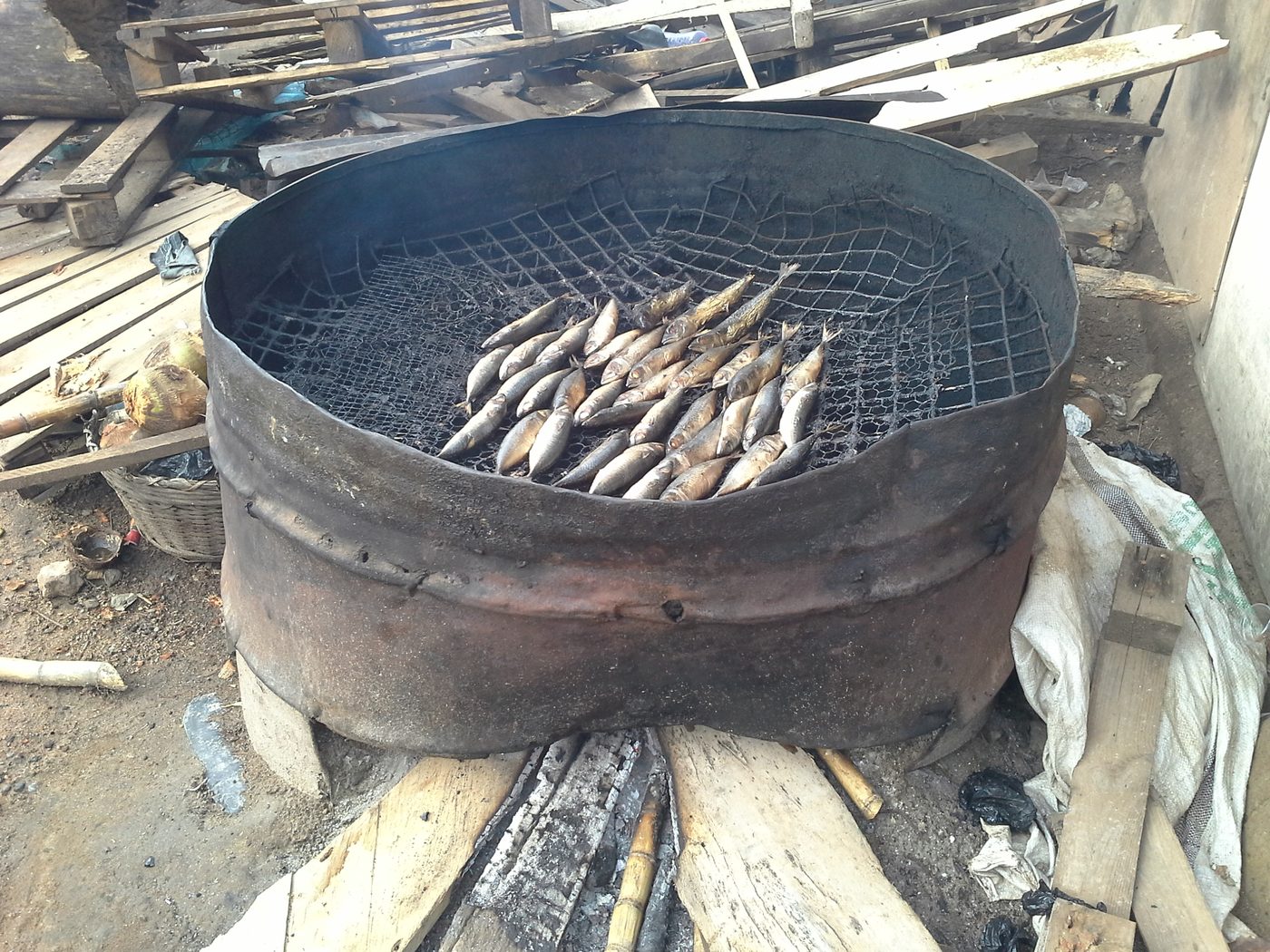
A chorkor-style stacked-tray kiln that smokes far more fish per load with less firewood and much less smoke in the operator's face.
Batch Solar Water Heater from a Salvaged Tank
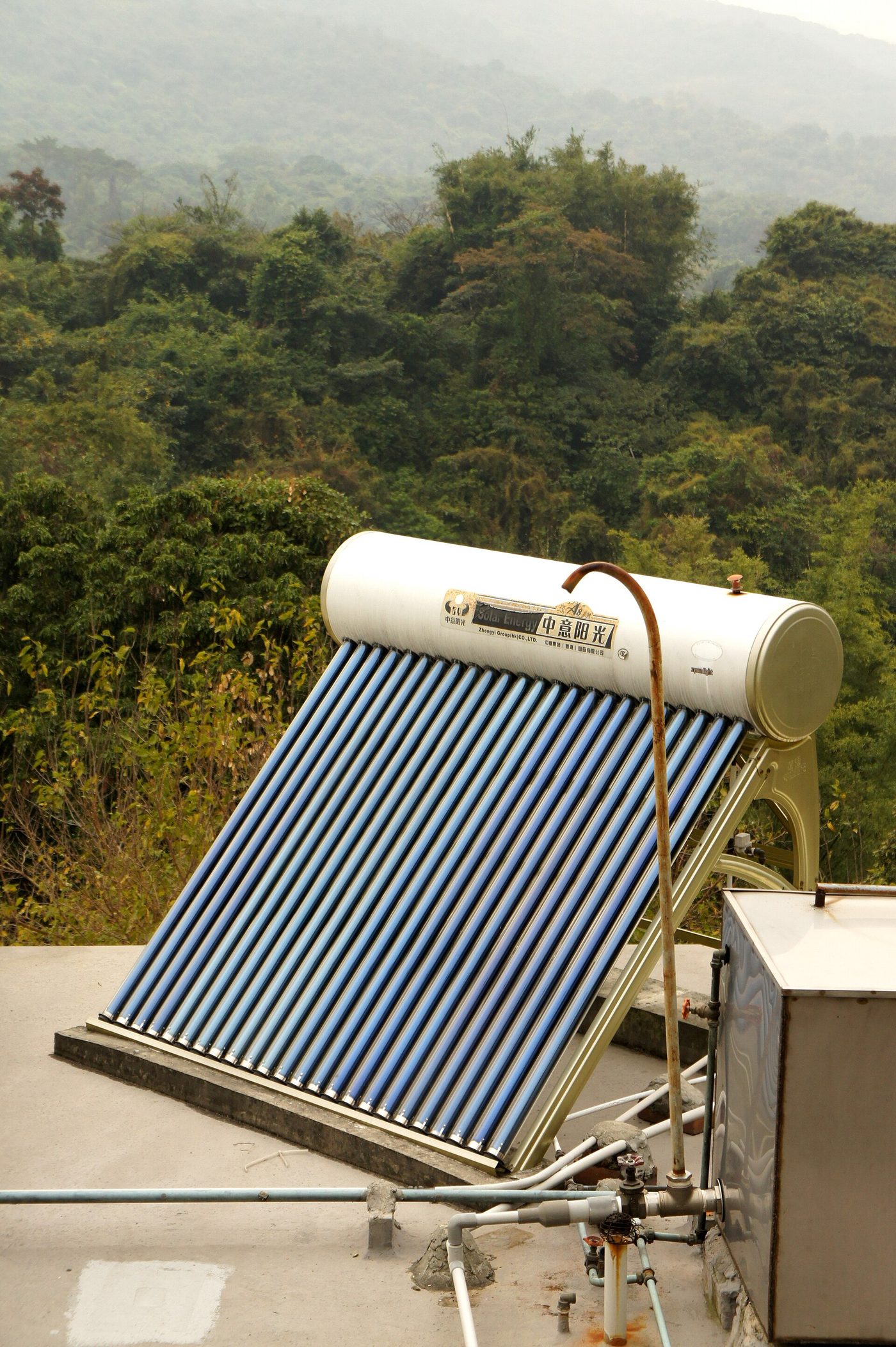
A black-painted tank in a glazed, insulated box that gives hot washing water by mid-afternoon with no pump, controller or electricity.