
Batch Solar Water Heater from a Salvaged Tank
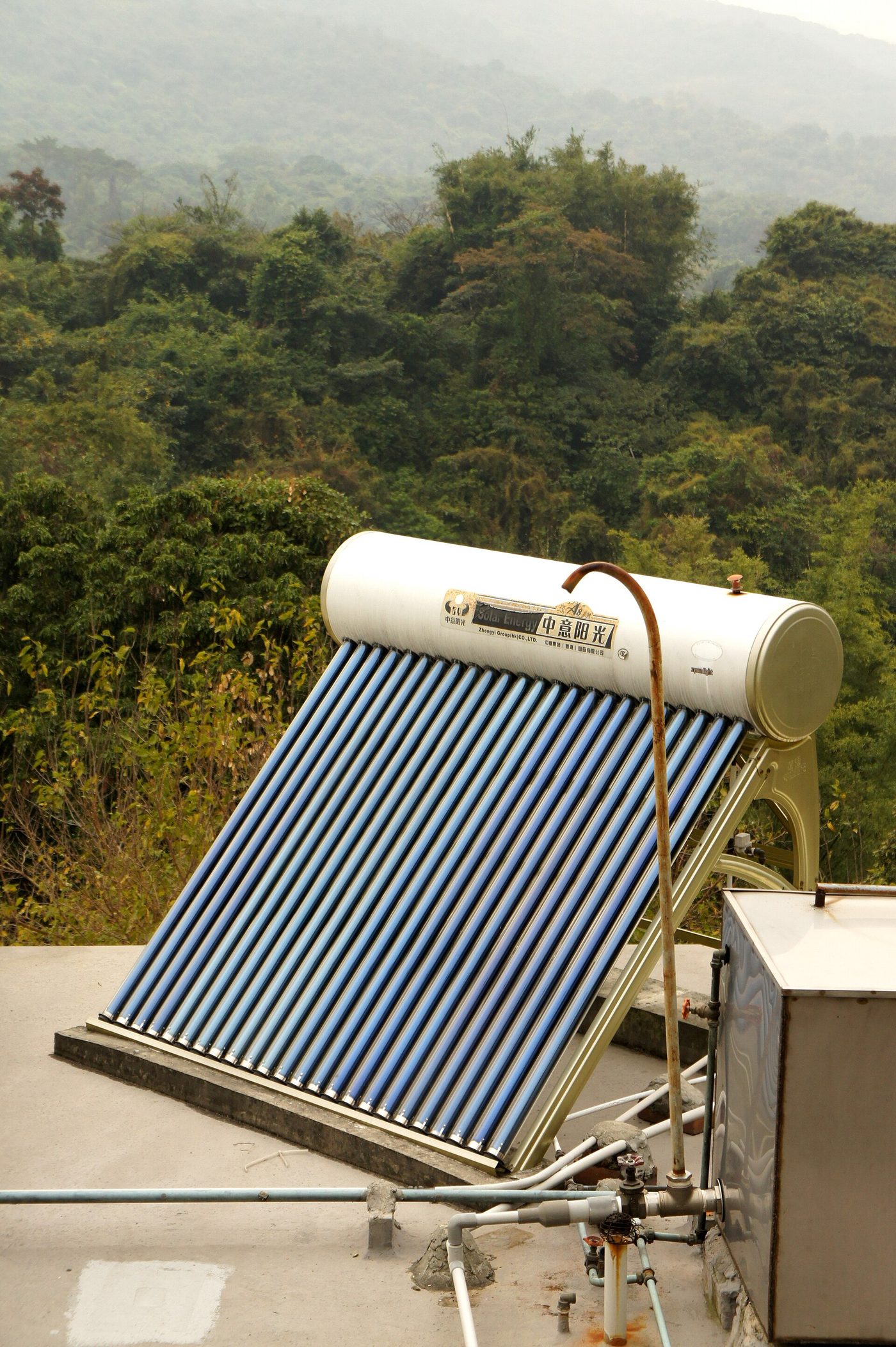
A black-painted tank in a glazed, insulated box that gives hot washing water by mid-afternoon with no pump, controller or electricity.
- Estimated cost
- $80 – $250, less if the tank and glazing are salvaged
- Skill level
- Intermediate
- Time
- 2 days
Not yet verified
No confirmed build with photo proof has been submitted for this plan yet. Built it? Send photos and it earns the badge.
Tools
- Handsaw and drill
- Spanners and pipe wrench
- Silicone gun
- Wire brush
- Spirit level
If you don't have it
- No copper pipe? A blackened steel drum in a glazed box heats 100 L to 50 °C on a clear day with no plumbing at all.
Materials
- Salvaged steel or plastic water tank, 100 – 200 L, pressure-sound
- Timber for an insulated box
- Glazing: old window glass or twin-wall polycarbonate
- Rigid insulation, sawdust or dry rice husk for the box walls
- Matt black high-temperature paint
- Galvanised or PPR pipe, fittings, isolating valves and a pressure-relief valve
- Reflective foil or white paint for the box interior sides
Dimensions & cut list
A batch collector heating a tank of water in a glazed insulated box for evening washing. These are the reference sizes from Appropedia — scale them to what you have, but keep the ratios.
| Tank | 100–200 litre steel drum, painted matt black |
|---|---|
| Glazing | Single 4 mm glass, 100 mm above the tank |
| Box insulation | 50 mm dry husk, wool or polystyrene behind and below the tank |
| Tilt | Latitude ± 10°, facing the equator |
| Temperature reached | 45–60 °C by mid-afternoon on a clear day |
| Cold feed | Bottom of tank; hot draw-off from the top |
| Overnight loss | 10–15 °C with an insulated cover in place |
Take this list to the yard
- 1Steel drum, 200 litre
- 1 litreMatt black high-temperature paint
- 1Glass pane sized to the box
- 12 m of 50 × 50Timber for box frame
- 60 litresInsulation fill
- 1 set20 mm pipe, tap and fittings
Step by step
Step 1 of 7
Pressure-check the tank
Fill the salvaged tank, cap it, and leave it under mains pressure overnight on the ground. A pinhole is a nuisance at ground level and a disaster on a roof.
Swipe or use arrow keys
1. Pressure-check the tank
Fill the salvaged tank, cap it, and leave it under mains pressure overnight on the ground. A pinhole is a nuisance at ground level and a disaster on a roof.
2. Prepare and paint
Wire-brush the tank to bare metal and paint it matt black with heat-tolerant paint. Matt, not gloss — gloss reflects the very heat you are trying to absorb.
3. Build the insulated box
Make a box with 75 mm of insulation on the base and sides, sized so the tank sits with 30 – 50 mm of air gap all round under the glazing. Line the inner side walls with foil or white paint.
4. Plumb cold in low, hot out high
Cold feed enters at the bottom of the tank, hot draw leaves from the top. That stratification is the whole trick: you get usable hot water long before the whole tank is hot.
5. Fit the glazing
Bed the glass or polycarbonate on silicone with a small drainage gap at the bottom edge so condensation escapes. A sealed box fogs up and loses a good chunk of its gain.
6. Mount facing the sun
Site it on a strong roof or stand, tilted at roughly your latitude, facing the equator, with the storage above draw-off points so it feeds by gravity. Check the structure carries the load: 150 L of water is 150 kg.
7. Fit safety valves and commission
Install a pressure-relief valve and a vent, fill slowly, purge air, and check every joint at temperature. Insulate all hot pipe runs — bare pipe throws away much of what you gained.
Why mine failed
The ways this build usually goes wrong, and what fixes it.
Water never gets properly hot
CauseShiny tank, no glazing, or wrong tilt
FixPaint the drum matt black — not silver, not gloss — glaze the box, and set the tilt to your latitude facing the equator. Any one of these missing costs you 20 °C.
Hot in the afternoon, cold by evening
CauseNo insulation behind the tank and no night cover
FixPack 50 mm of dry husk or wool behind and below the drum and put an insulated cover over the glass at sunset.
Rust-coloured water from the tap
CauseBare steel drum interior
FixUse a food-grade or galvanised drum, or line it — a plain painted steel drum will stain washing water within months.
Safety notes
- A stagnating batch heater can exceed 80 °C. Fit a pressure-relief valve and a tempering valve or clearly warn users before anyone washes a child in it.
- Never seal a heated tank without a relief path. Steam pressure in a closed tank is genuinely dangerous.
- Check roof structure before mounting; a full tank plus box is a heavy point load.
- In freezing highland areas, drain the collector overnight or the tank splits.
Source & attribution
This plan is our build-step write-up of work documented by Appropedia. The original design and documentation belong to them — go read the source before you build.
Batch solar water heater (breadbox) constructionLocal adaptations
What builders changed to make this work where they live.
Thabo M. · Maseru, Lesotho
Winter nights freeze here, so we fitted a drain valve and empty the collector at dusk in June and July. Refills off the header tank in two minutes each morning.
Build this alongside
Plans that use the same materials or serve the same need.
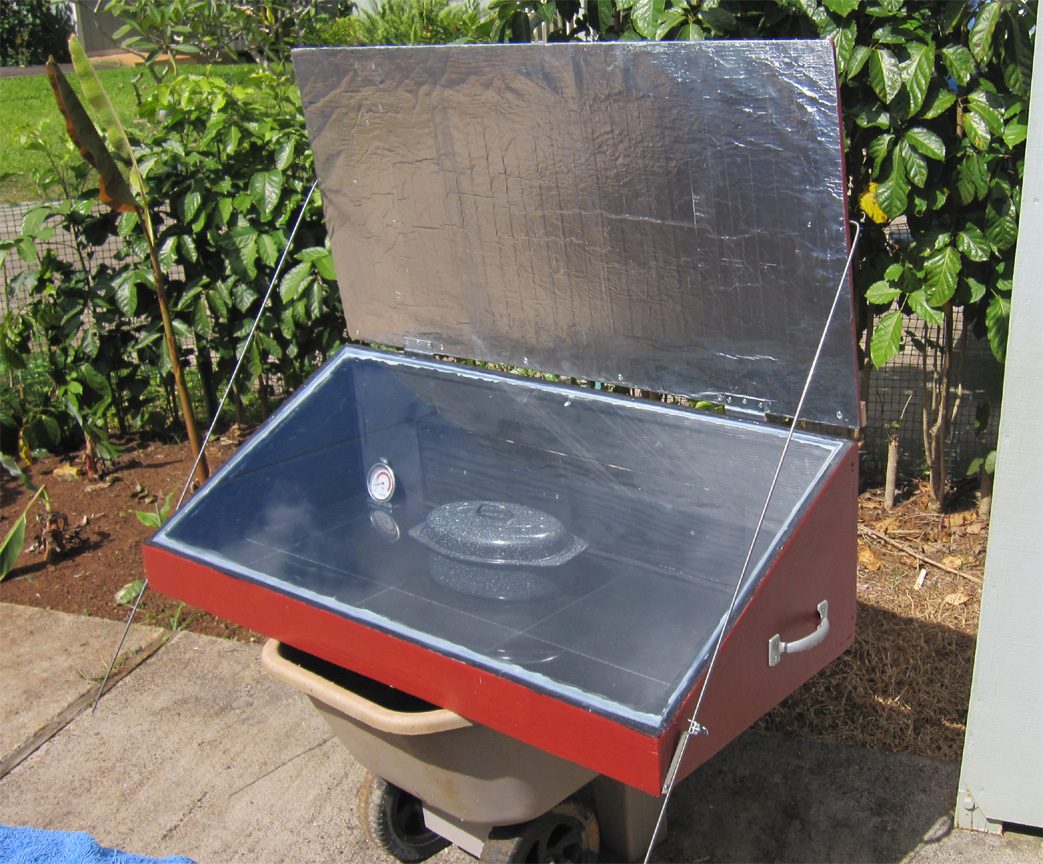
Plywood Solar Box Cooker
A glazed, insulated box with a hinged reflector that reaches 120 – 150 °C and cooks a full pot of food on sunlight alone.
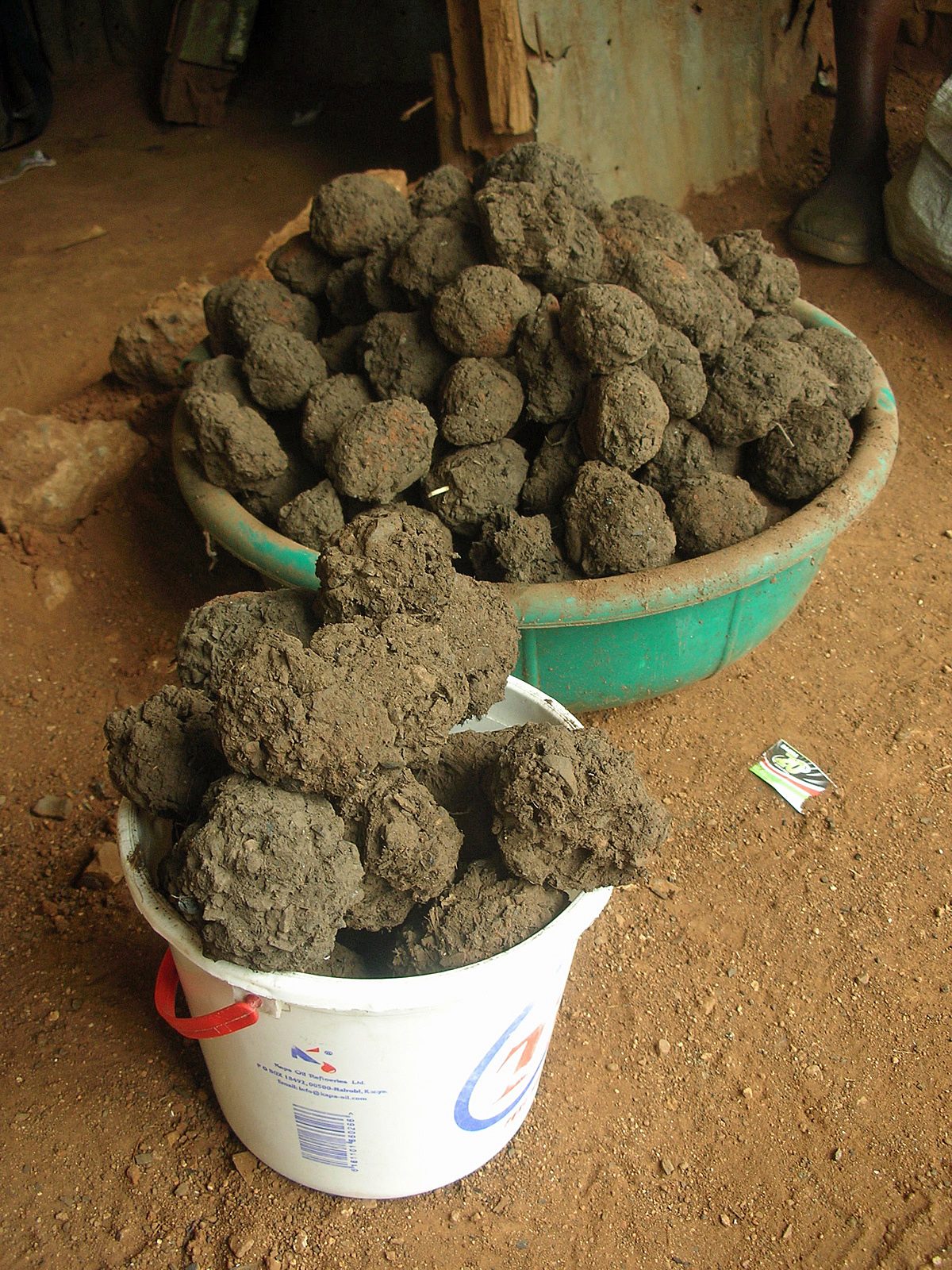
Lever-Arm Charcoal Briquette Press
Press agricultural waste and charcoal dust into burnable briquettes, turning a disposal problem into cooking fuel or a product to sell.
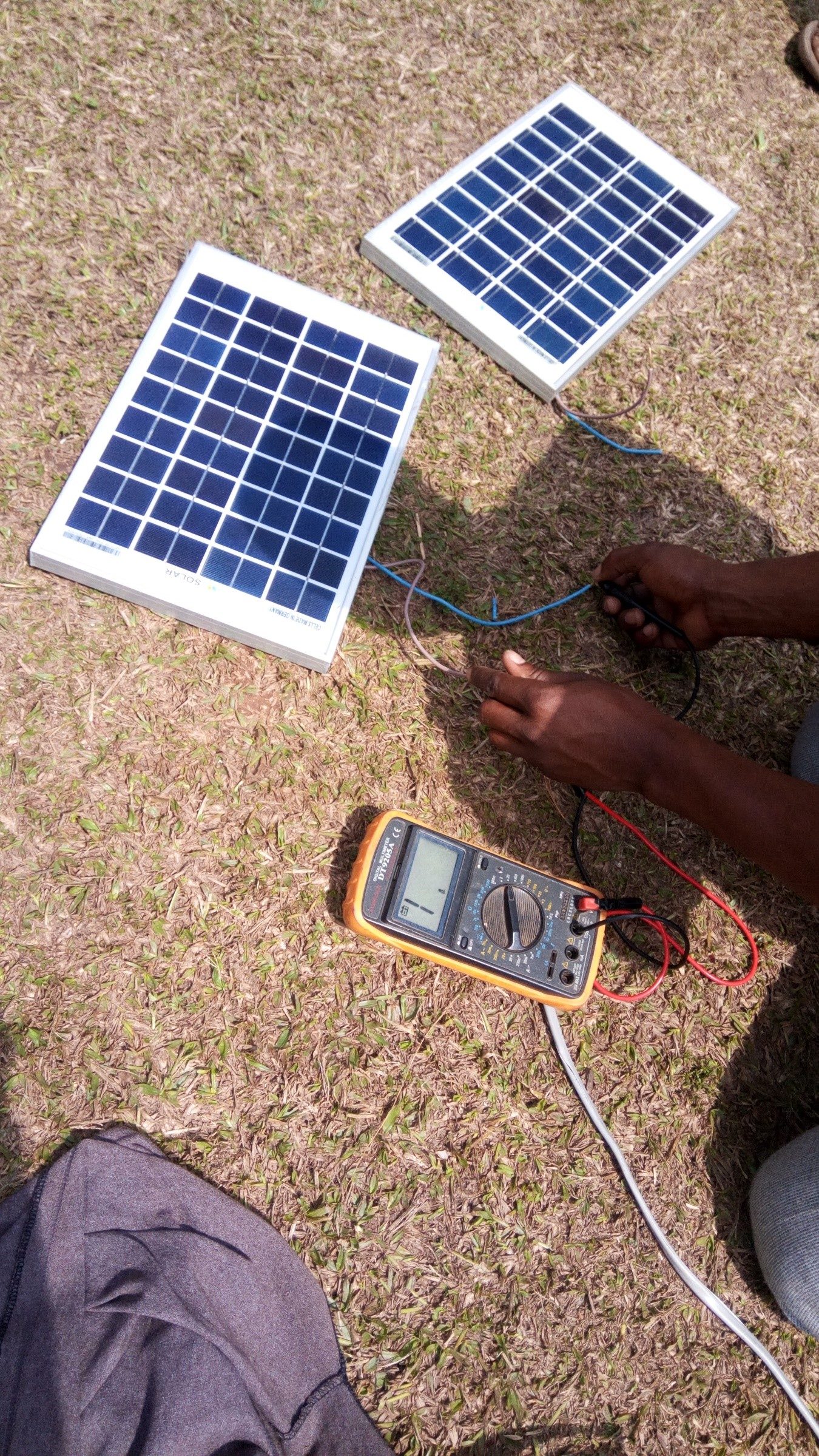
Solar Phone Charging Bench
A small panel, charge controller and battery wired into a multi-port charging bench — reliable phone charging at home, or a shop that pays for itself in a season.