
Food & Farming
Grow more with less water and less bought input. These systems are built from drums, offcuts and organic waste, and are designed for dry-season resilience on small plots.
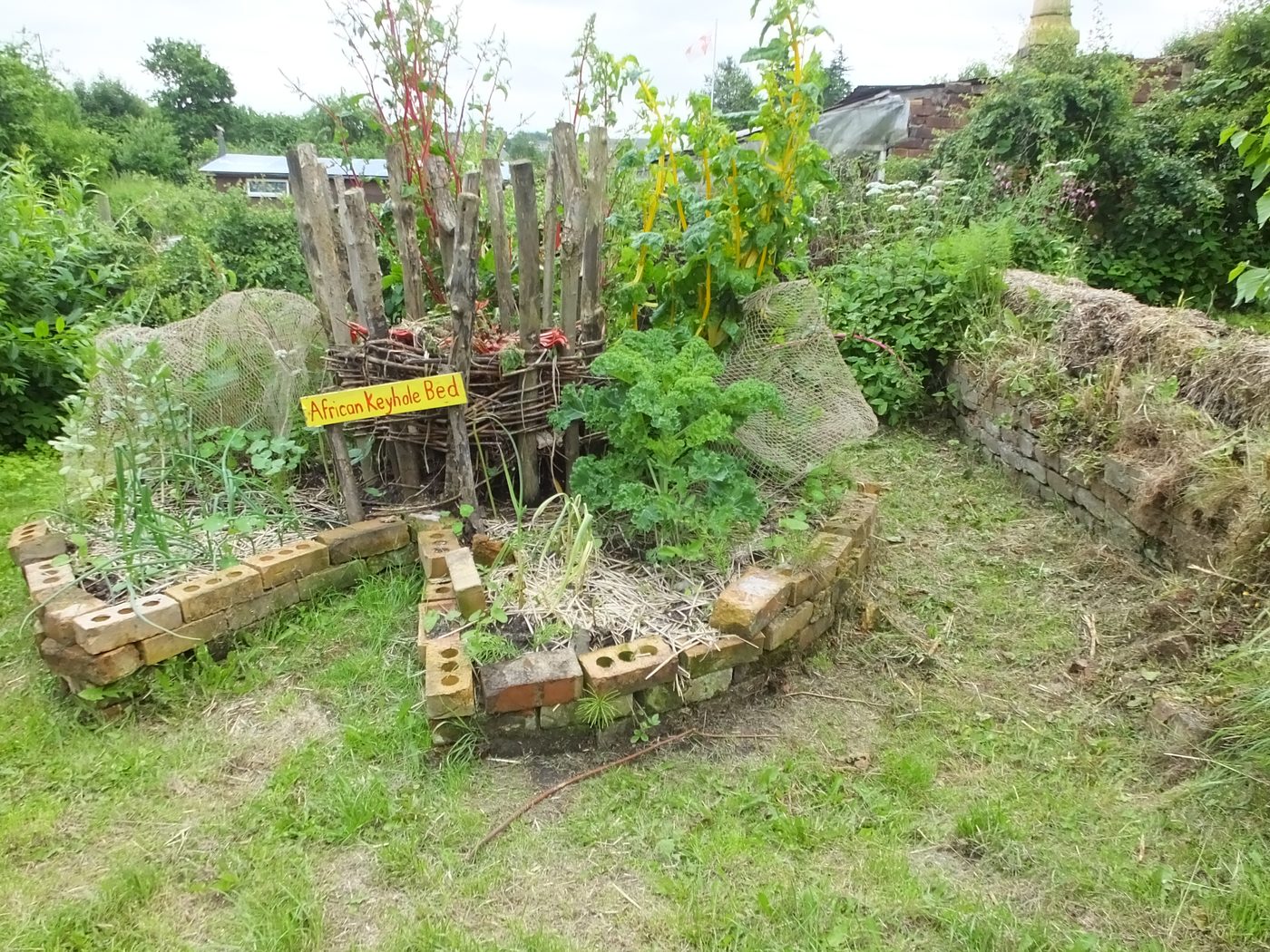
Keyhole Garden with Central Compost Basket
A raised circular bed fed and watered from a compost basket at its centre — high yield on poor soil with very little water.
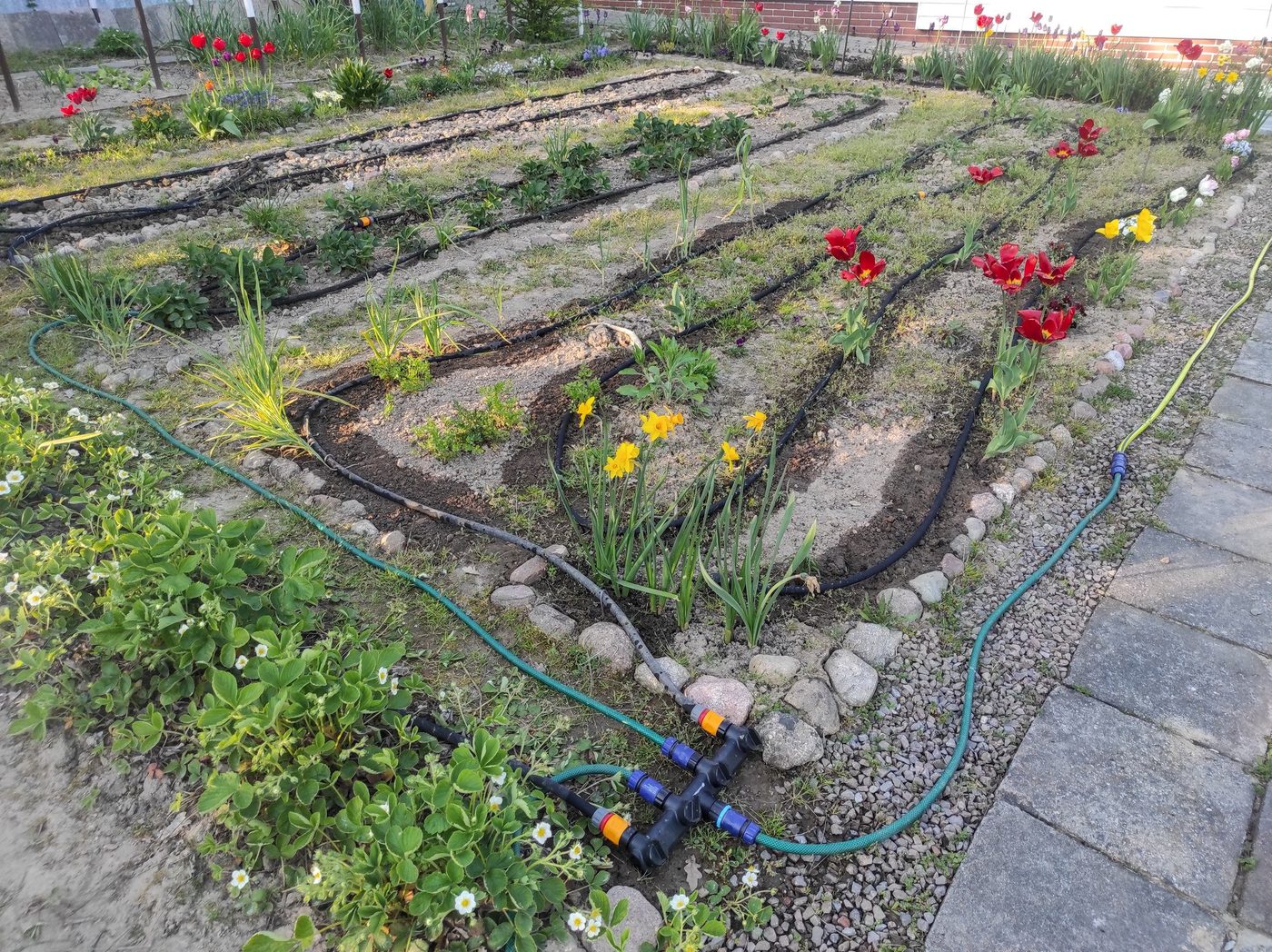
Gravity Drip Irrigation from a Raised Barrel
A 200 L drum on a stand feeds drip lines by gravity alone, cutting garden water use by around 60% with no pump.
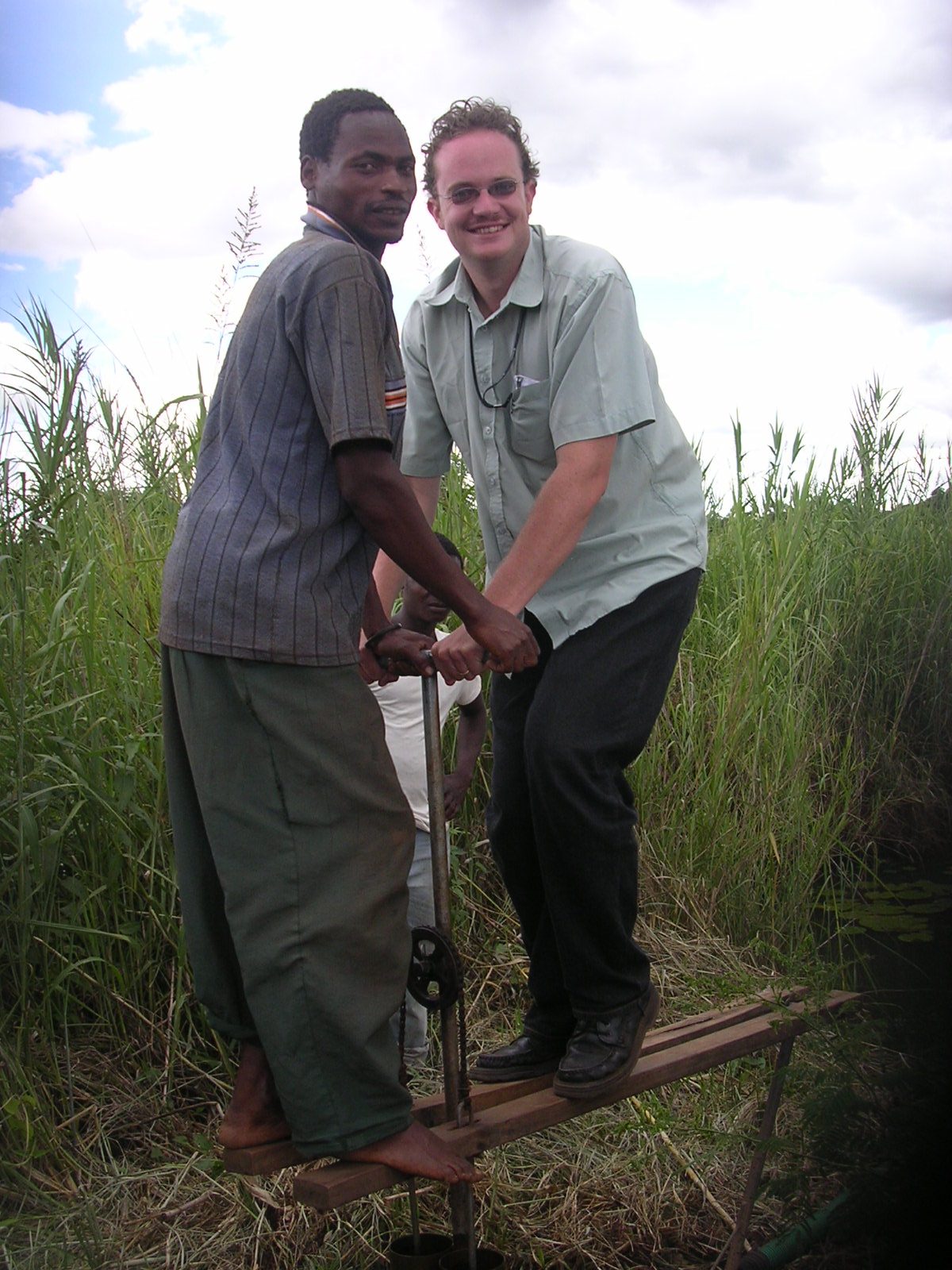
Treadle Pump for Smallholder Irrigation
A foot-powered twin-cylinder pump that lifts shallow groundwater or river water for a quarter-hectare plot without any fuel.
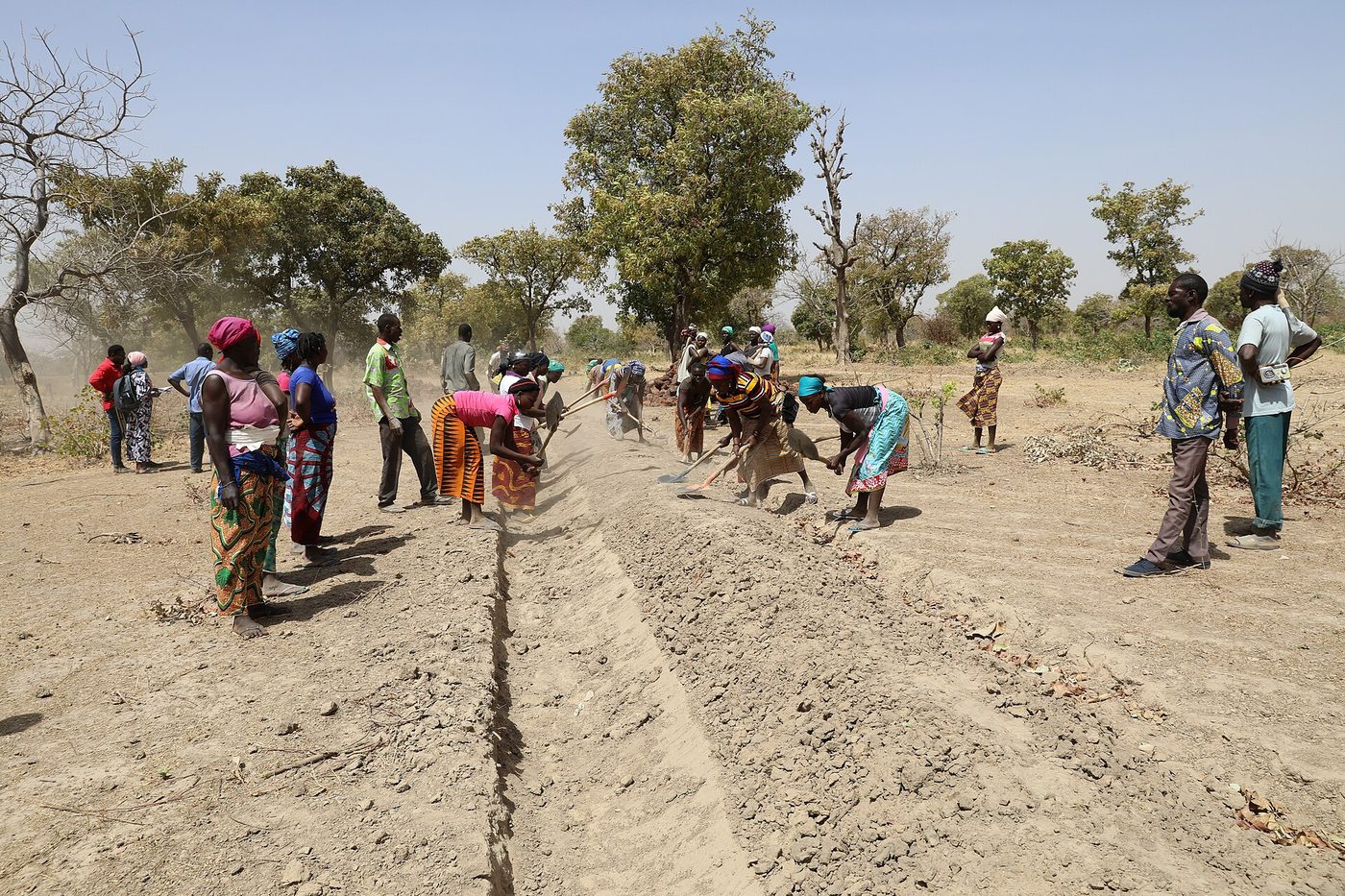
Zai Pits and Stone Contour Bunds
Hand-dug planting pits and stone lines along the contour that catch runoff and rebuild crusted, degraded soil into cropland.
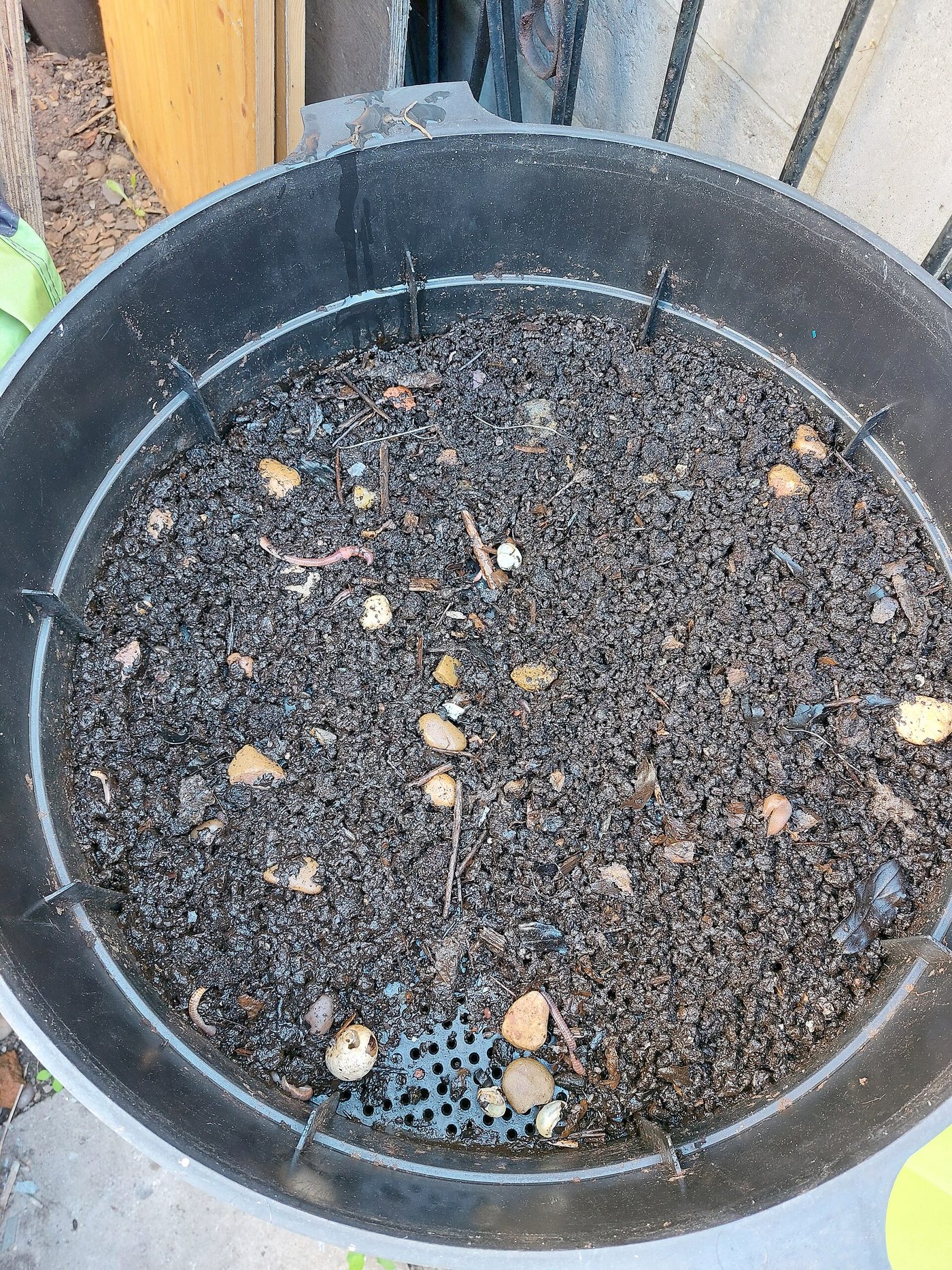
Vermicompost Bin from Stacked Crates
A shaded worm bin that turns kitchen scraps into high-value castings and liquid feed, using stacked crates and a drain tap.
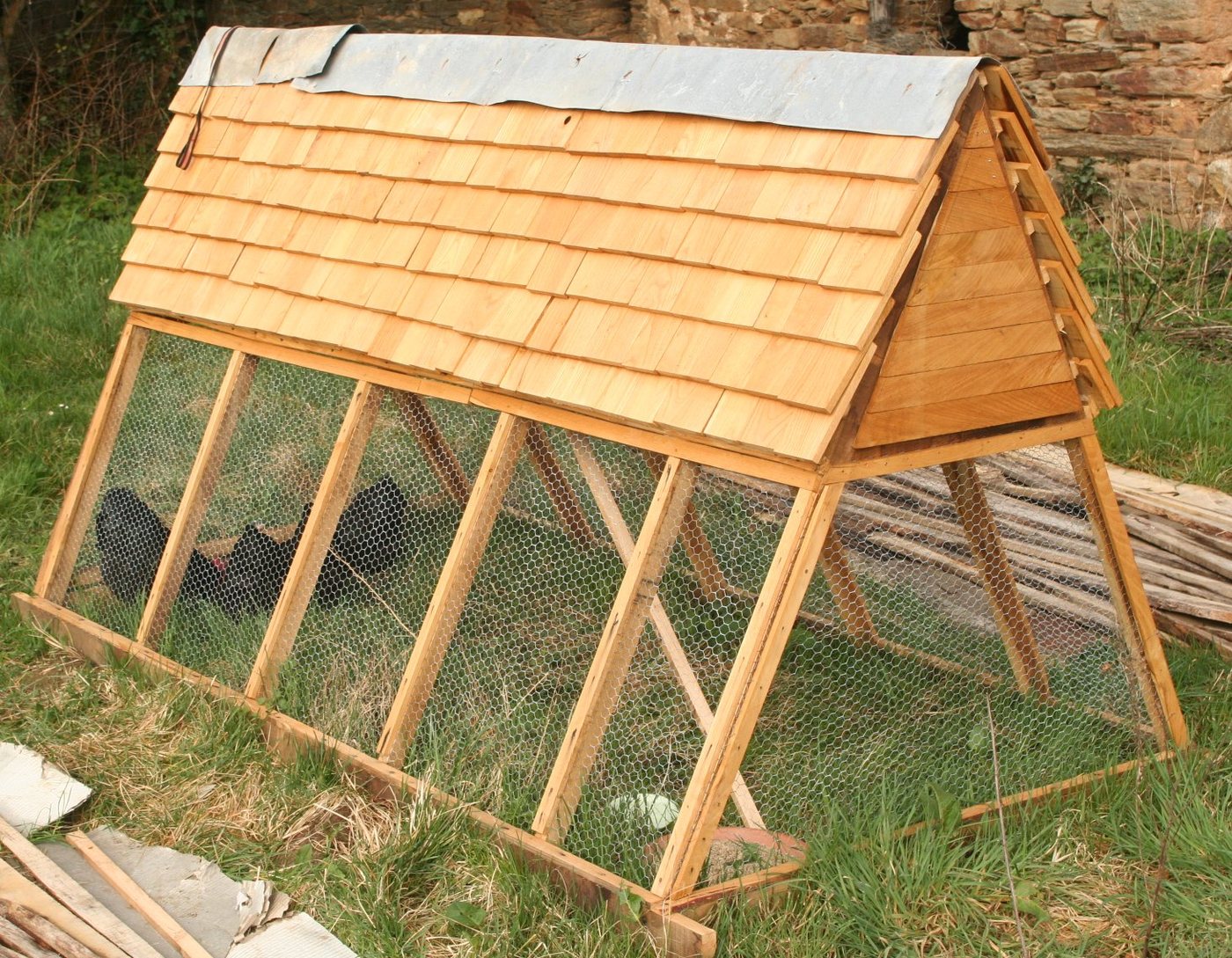
Movable Chicken Tractor
A floorless, lightweight coop you shift daily so birds get fresh forage, the ground gets manured, and nobody has to muck out.
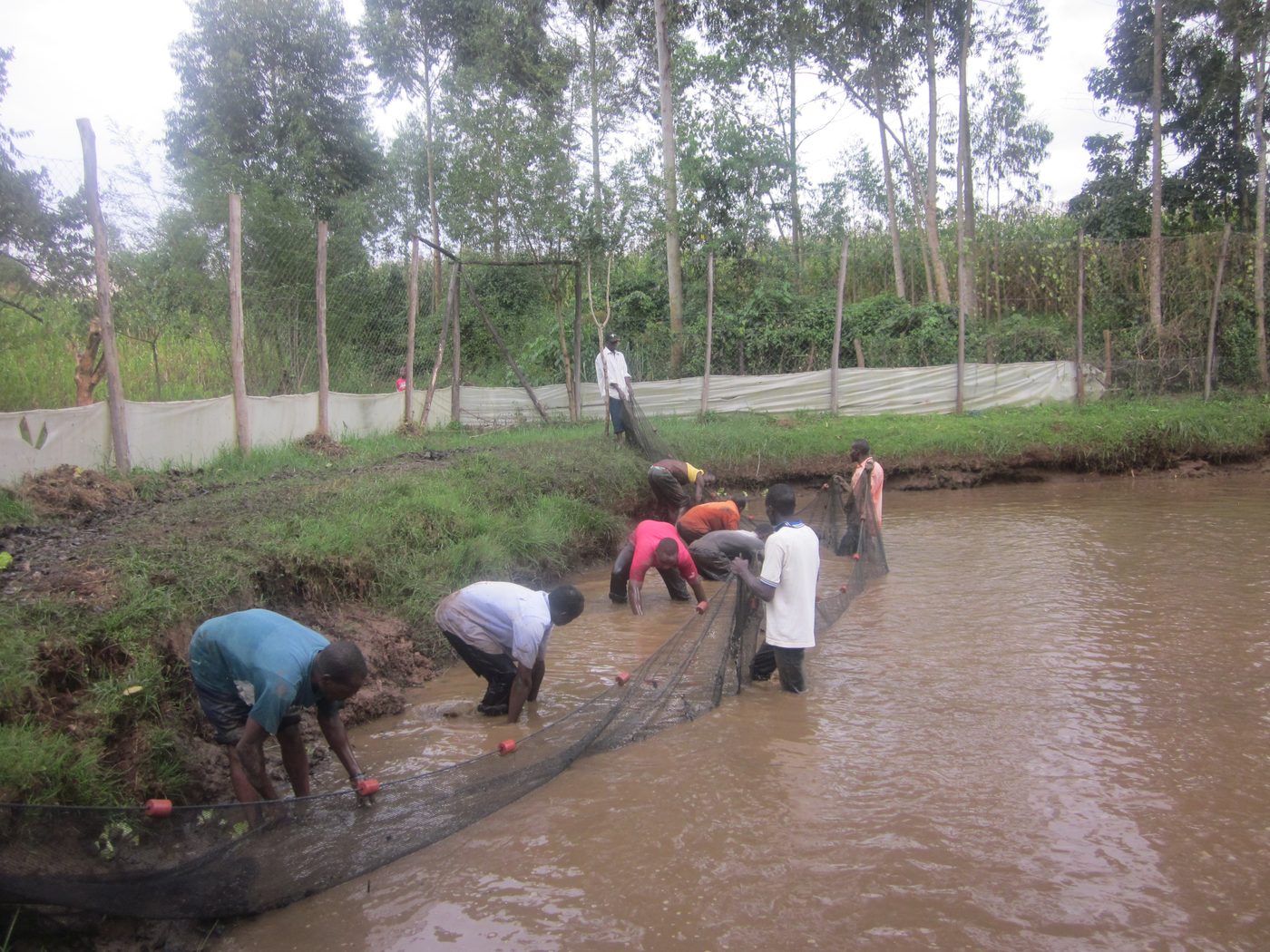
Lined Tilapia Fish Pond
A hand-dug, lined pond stocked with tilapia and fed on farm waste — a protein and income source that also stores irrigation water.
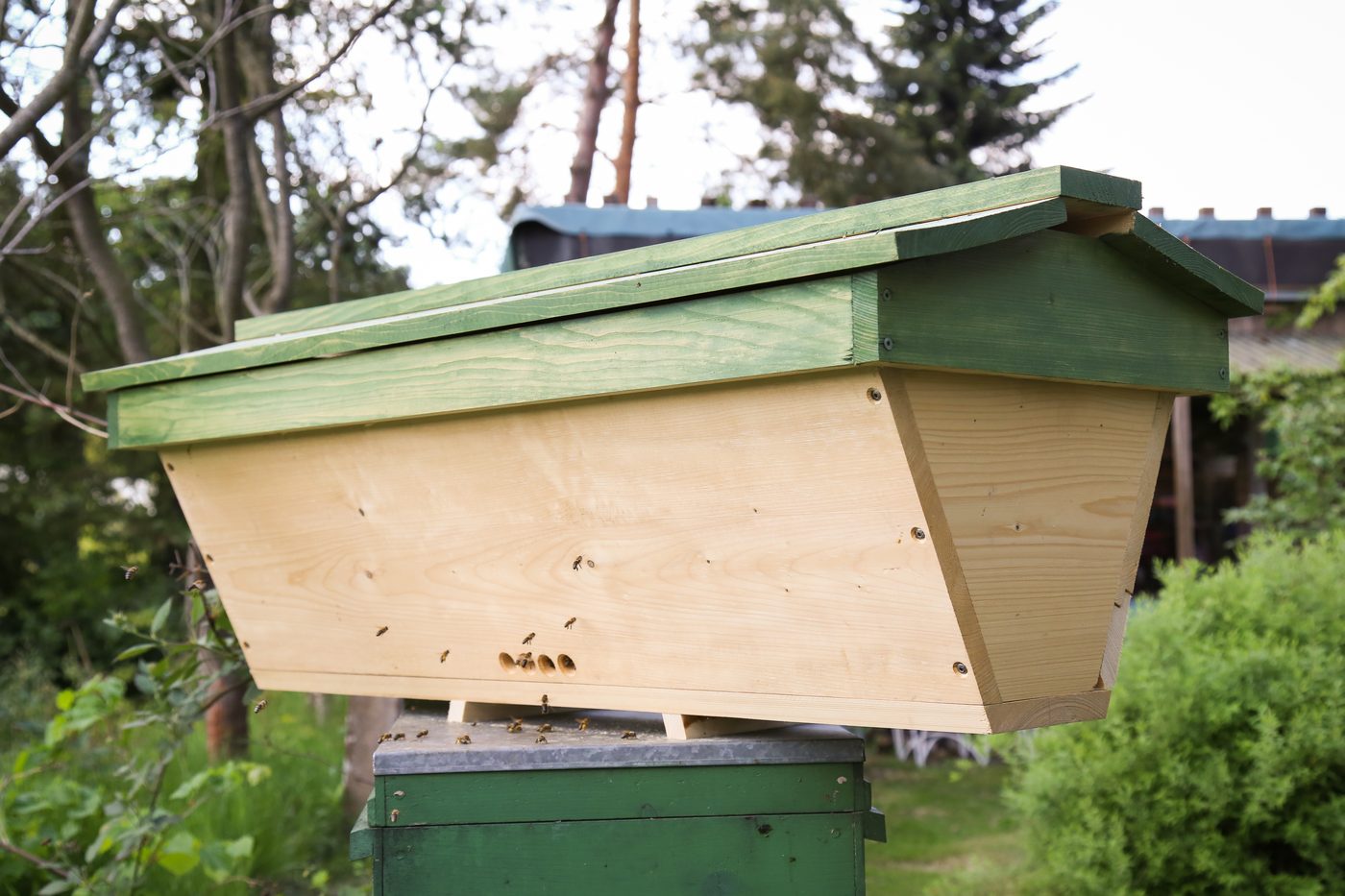
Kenyan Top-Bar Beehive
A sloped-sided hive with removable top bars that lets you inspect and harvest comb without frames, foundation or imported equipment.
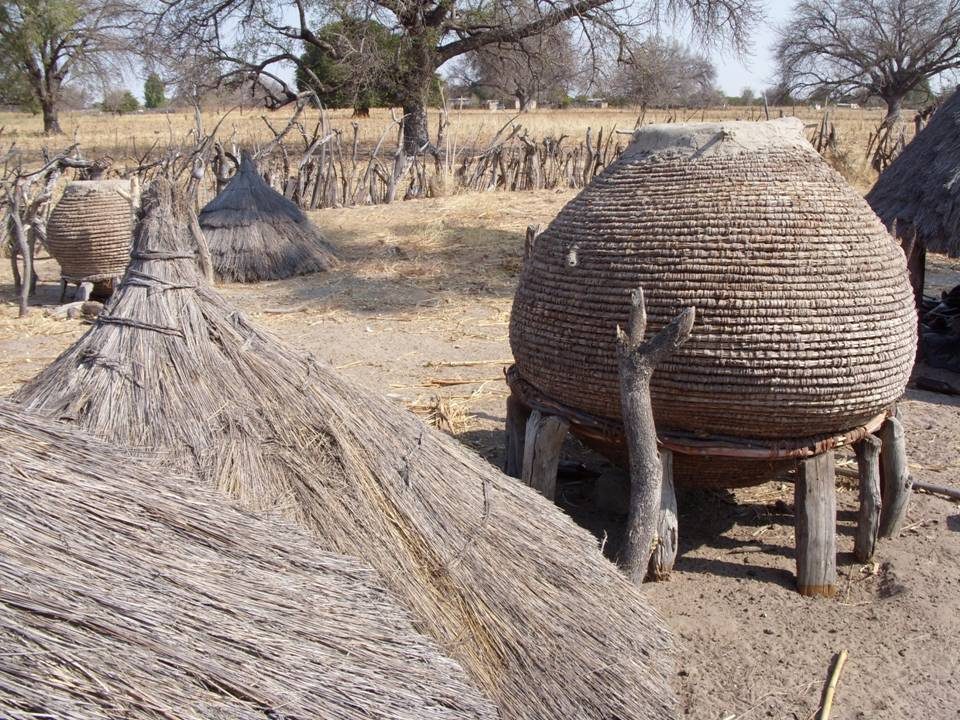
Raised Grain Granary
A woven or mud-plastered grain store raised on rat-guarded legs with a ventilated floor — cuts post-harvest loss without any chemicals.
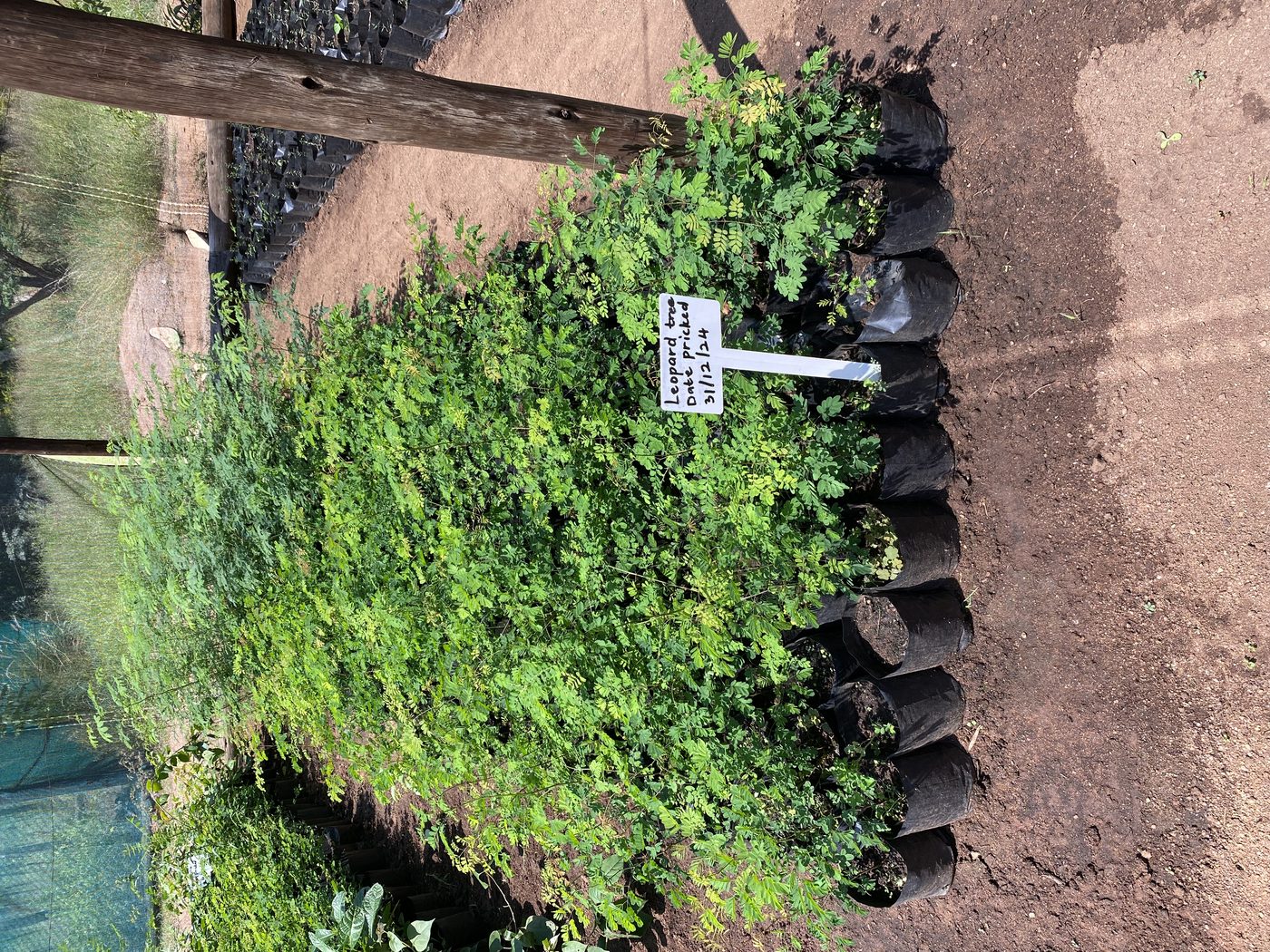
Village Tree Nursery
Raise fruit, fodder and timber seedlings in polythene tubes under a shade frame — thousands of trees a year from a plot the size of a room.
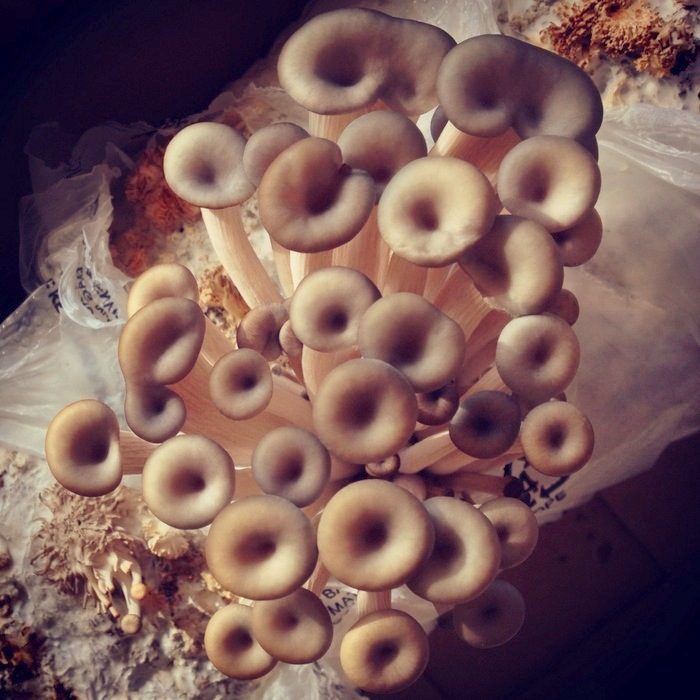
Oyster Mushrooms on Straw
Pasteurise chopped straw, layer it with spawn in perforated bags, and crop oyster mushrooms in a dark shed within a month — high value from crop waste.
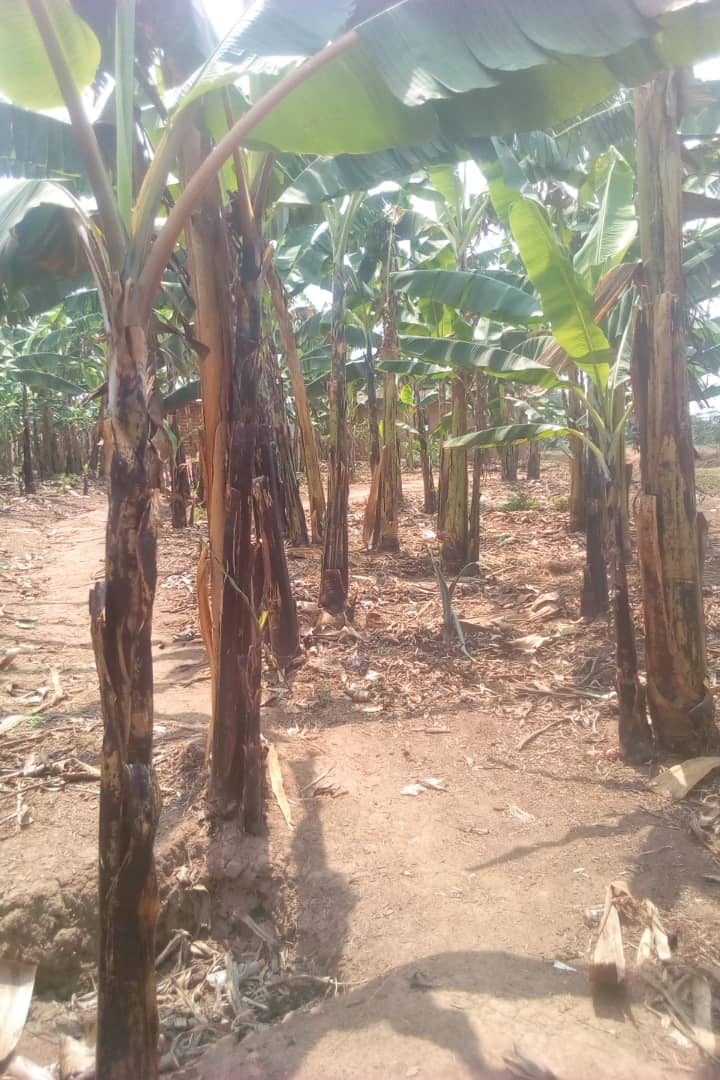
Banana Circle & Mulch Pit
Dig a shallow pit ringed with a soil berm, plant bananas and papaya on the ring, and feed the pit with kitchen water and green waste — a self-composting fruit machine.
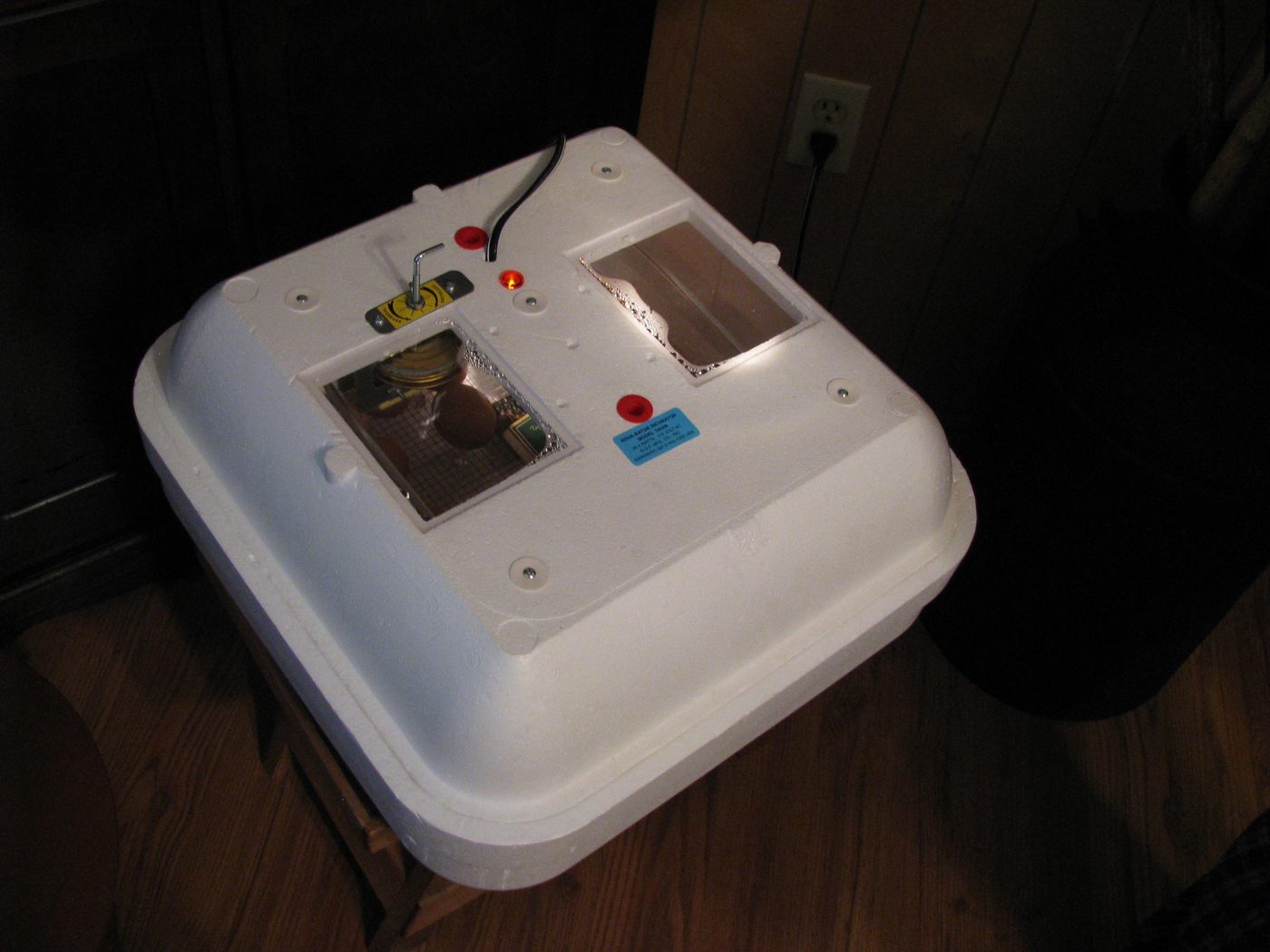
Small Solar-Warmed Egg Incubator
Build an insulated box incubator with a thermostat and a small solar-charged battery to hatch 50 – 100 eggs where mains power is unreliable.

Threshing Floor & Winnowing Set-Up
Lay a clean sealed threshing floor and build simple winnowing gear so grain comes off the field clean, dry and free of the grit that ruins flour and teeth.
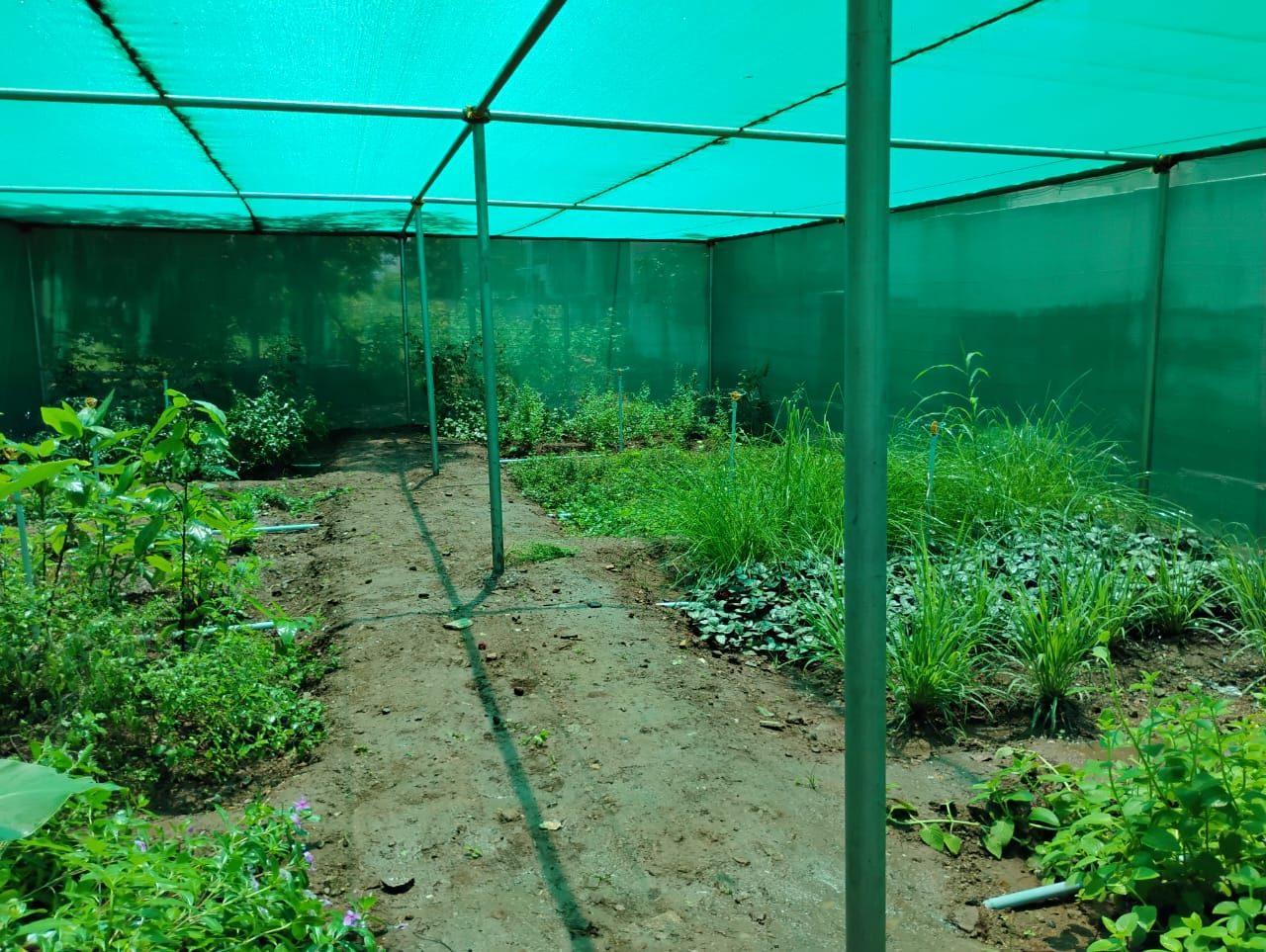
Shade Net Nursery Tunnel
A hooped shade tunnel that keeps seedlings alive through the hot months — the difference between a nursery that supplies a village and one that cooks in April.
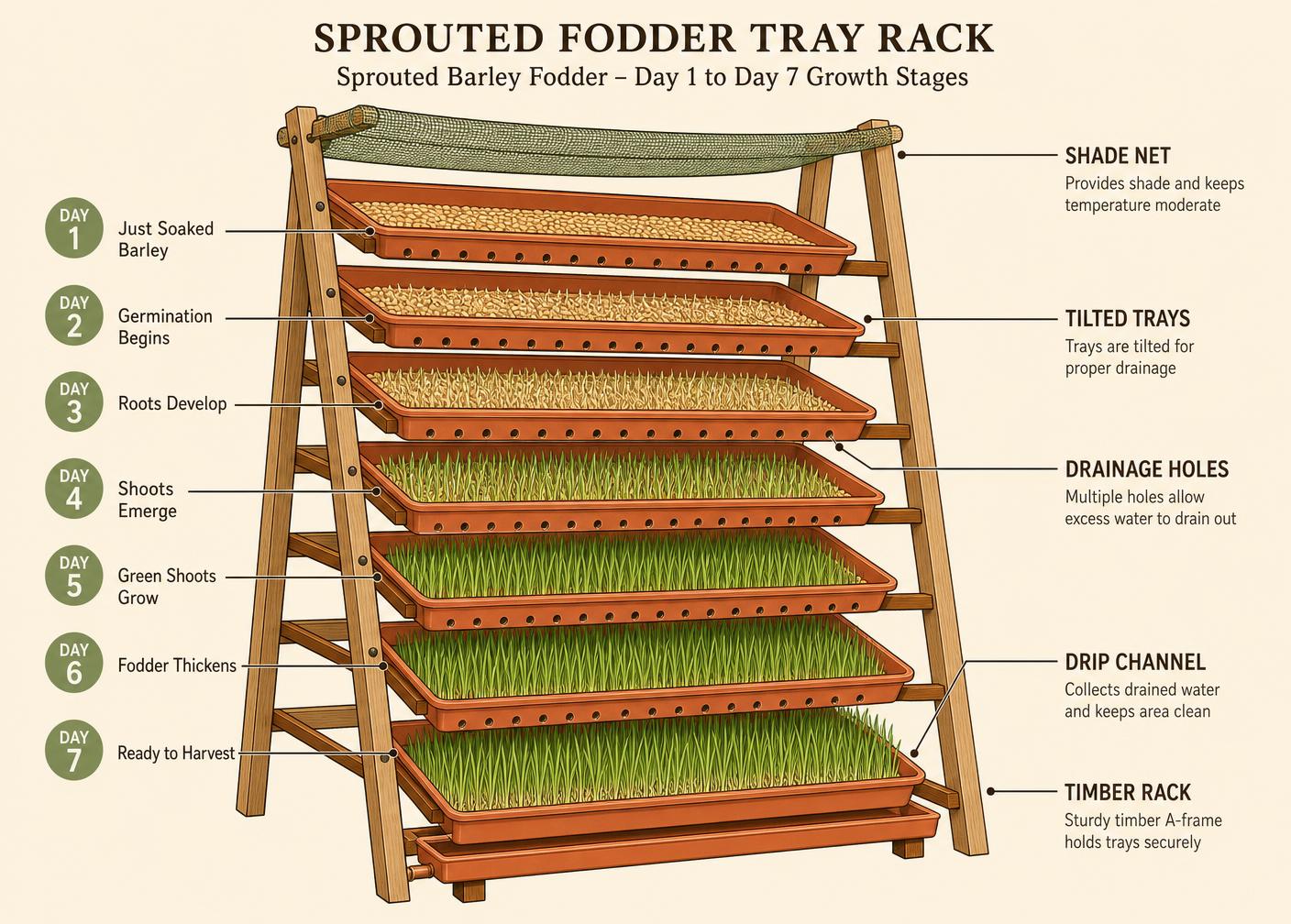 Diagram
Sprouted Fodder Trays
Sprout barley or maize on stacked trays and turn one kilo of grain into six to eight kilos of green fodder in a week — dry-season feed without a pasture.
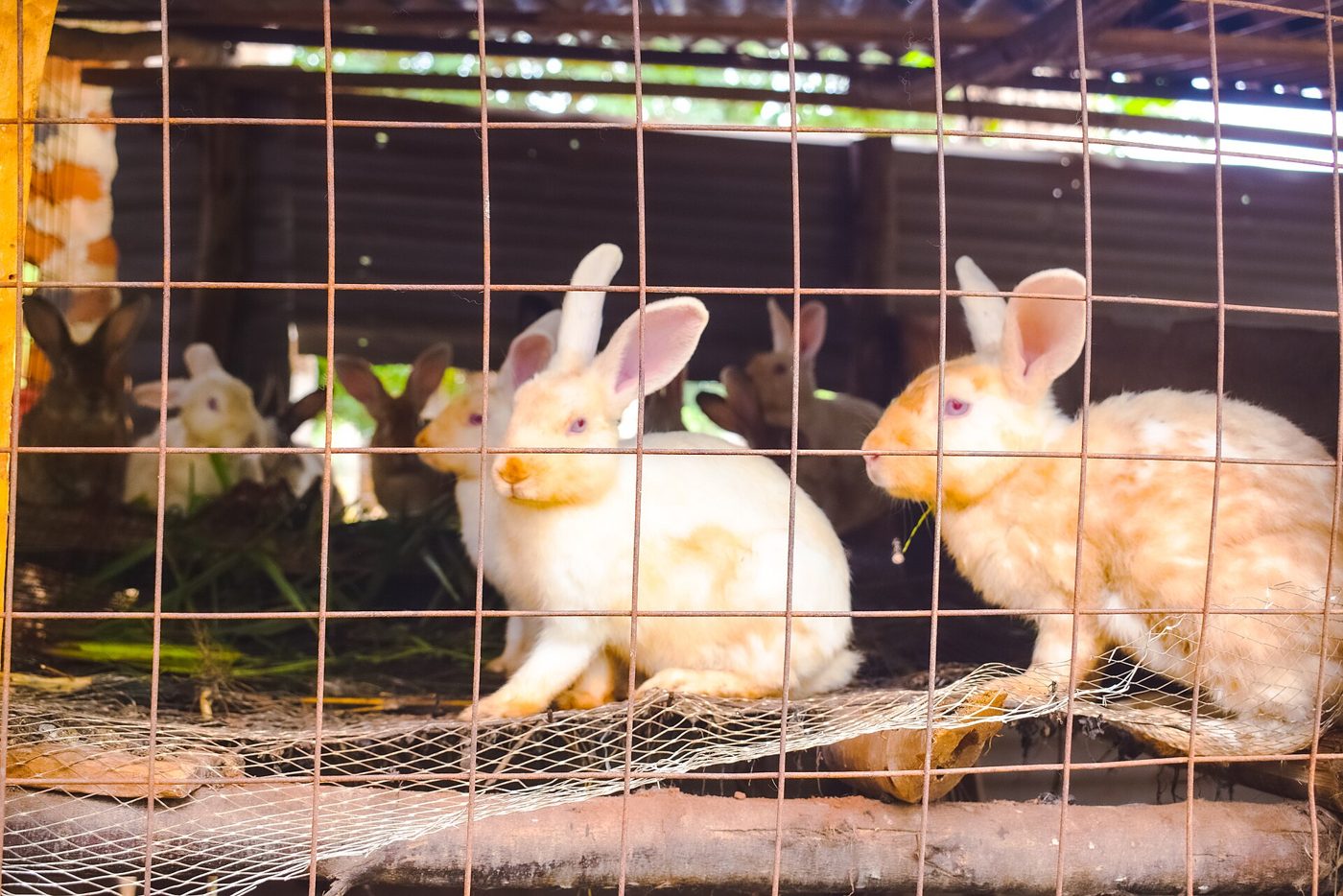
Raised Rabbit Hutch
A raised, slatted hutch that keeps rabbits dry, cool and off their own droppings — the fastest small livestock protein a household can start.
 Diagram
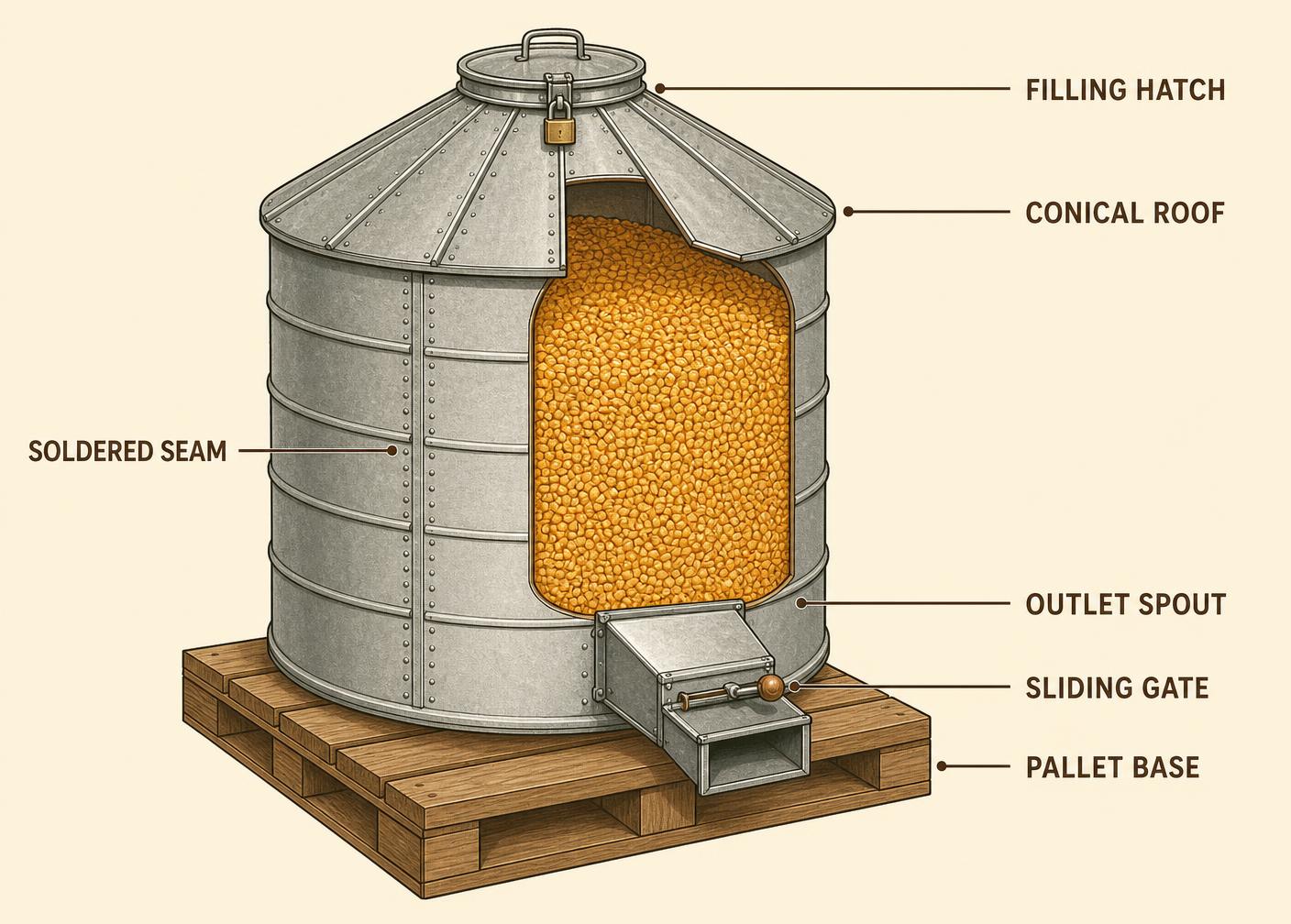
Airtight Metal Grain Silo
A sealed sheet-metal silo that suffocates weevils and larger grain borer without chemicals — the single best defence against post-harvest loss.
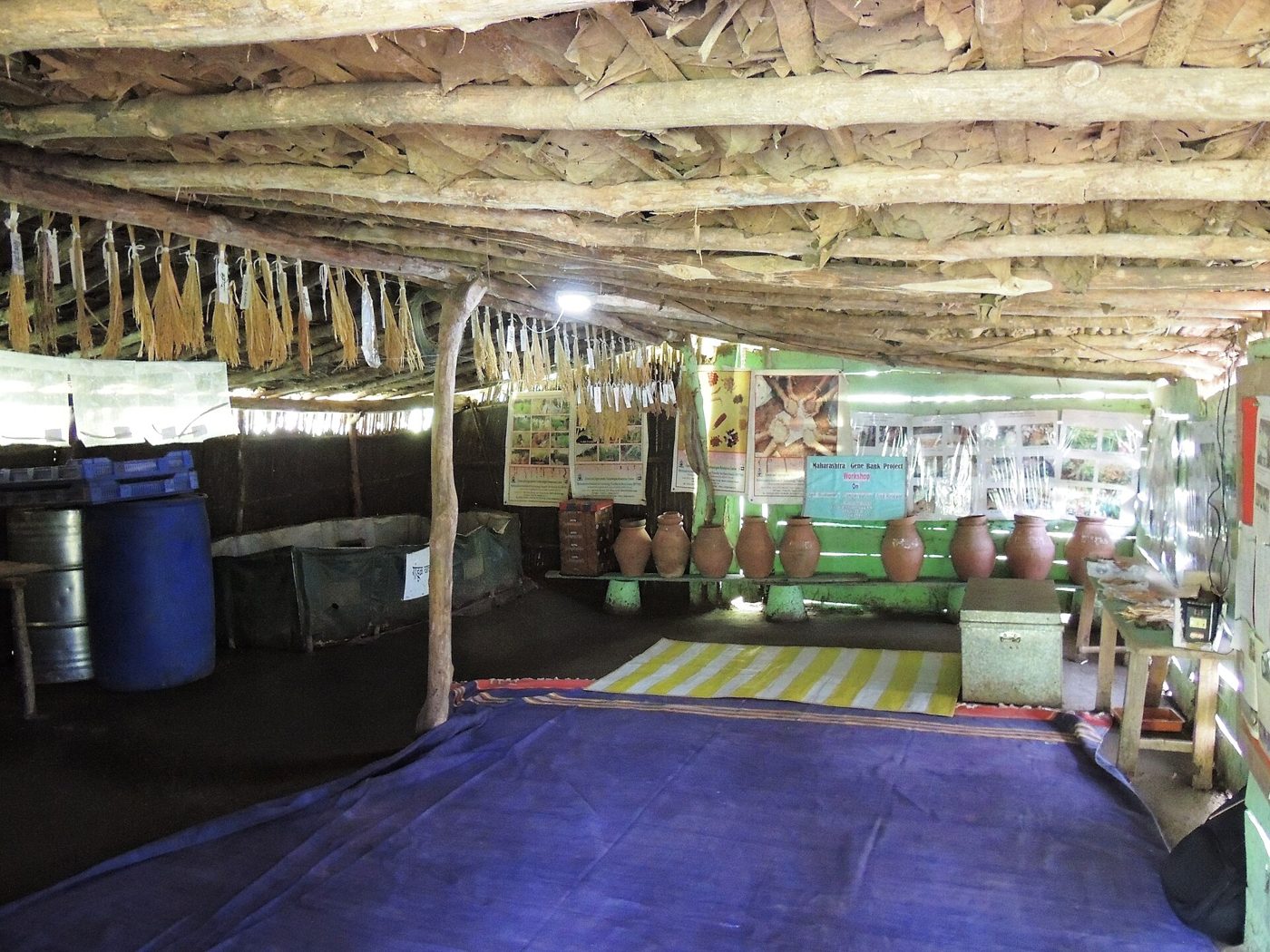
Community Seed Bank Store
A cool, dark, dry store with sealed jars, labelling and a lending register so a village keeps its own varieties instead of buying seed every season.