
Movable Chicken Tractor
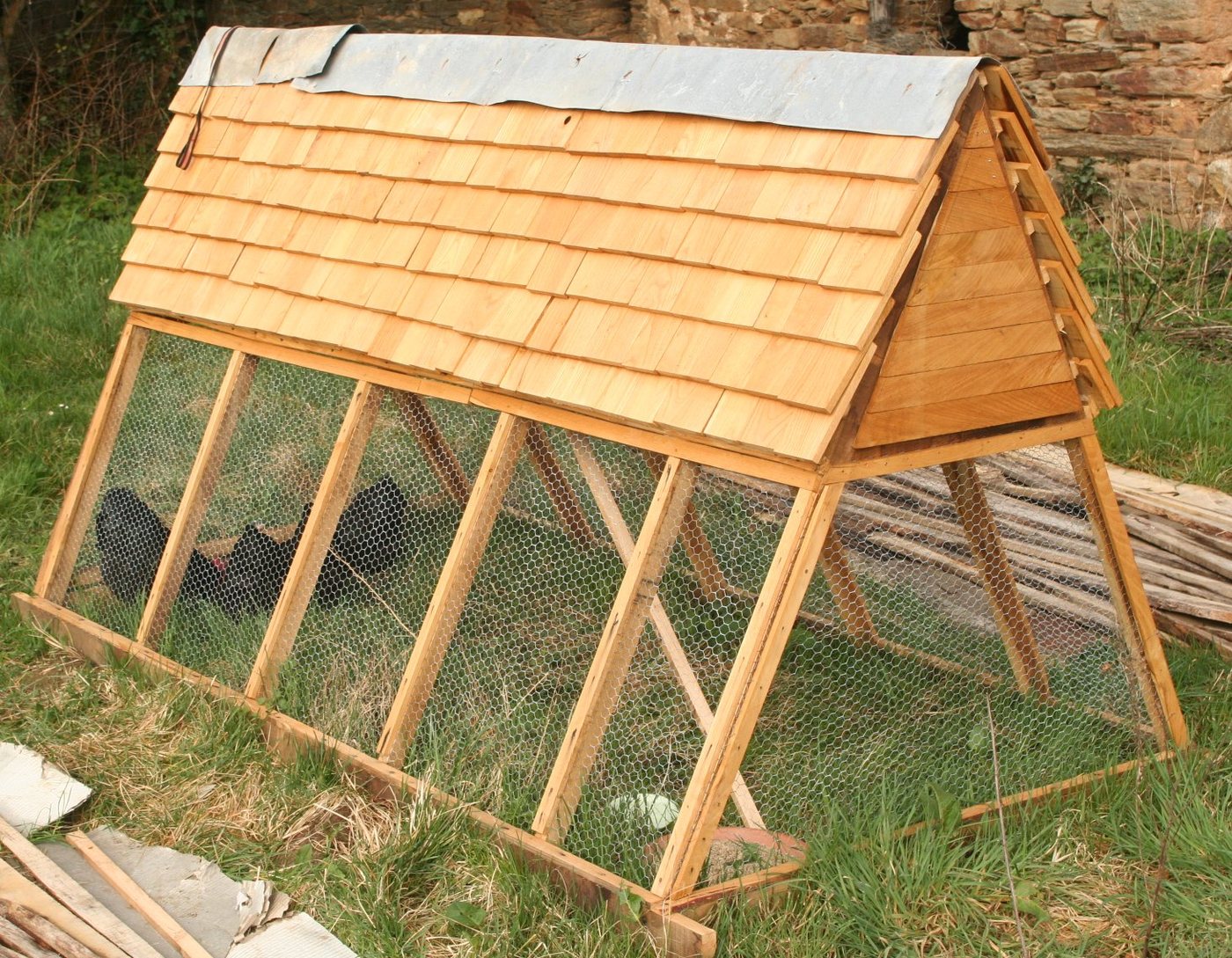
A floorless, lightweight coop you shift daily so birds get fresh forage, the ground gets manured, and nobody has to muck out.
- Estimated cost
- $40 – $120 depending on mesh and roofing
- Skill level
- Intermediate
- Time
- 1 – 2 days
Not yet verified
No confirmed build with photo proof has been submitted for this plan yet. Built it? Send photos and it earns the badge.
Tools
- Handsaw
- Hammer
- Drill
- Wire cutters
- Staple gun or fencing staples
- Tape measure
If you don't have it
- No welded mesh? Woven bamboo or split-stick panels keep birds in; add a buried skirt of thorn brush against digging predators.
Materials
- Light timber, 50 × 50 mm, for the frame (about 24 m for a 2 × 1.2 m unit)
- Welded wire mesh, 25 mm aperture, for sides and floor skirt
- Roofing sheet for a third of the top, for shade and rain cover
- Two small wheels or a handle bar at one end
- Hinges and a predator-proof latch
- Nest box materials and a low roost pole
Dimensions & cut list
A movable A-frame coop for 8–10 birds, shifted daily across pasture or garden beds. These are the reference sizes from Permies / Appropedia — scale them to what you have, but keep the ratios.
| Footprint | 2.4 × 1.2 m≈ 0.3 m² per bird inside the covered end |
|---|---|
| Apex height | 1.2 m |
| Roosting bar | 40 mm round, 400 mm above the floor |
| Nest box | 300 × 300 × 300 mm, one per 4 hens |
| Mesh | 25 mm galvanised, buried skirt 200 mm out on all sides |
| Weight | Under 35 kg so one person can move itFit two wheels at one end and lift handles at the other |
| Shade cover | At least one third of the roof solid |
Take this list to the yard
- 18 m50 × 50 mm timber
- 6 m²25 mm wire mesh
- 2 m²Roof sheet (metal or plywood + tarp)
- 2Small wheels
- 1 setHinges, latch and haspA latch a dog cannot nose open
Step by step
Step 1 of 7
Size for the flock
Allow at least 0.4 m² of ground per bird in a tractor moved daily. A 2 × 1.2 m unit suits six laying hens. Crowding causes pecking, disease and bare, ruined ground.
Swipe or use arrow keys
1. Size for the flock
Allow at least 0.4 m² of ground per bird in a tractor moved daily. A 2 × 1.2 m unit suits six laying hens. Crowding causes pecking, disease and bare, ruined ground.
2. Build a light, rigid frame
Frame in 50 × 50 mm timber with full diagonal bracing on both long sides. Rigidity matters because the whole thing racks and twists every time it is dragged.
3. Clad with welded mesh
Use welded wire mesh, not chicken wire — chicken wire keeps hens in but does not keep dogs, mongoose or snakes out. Staple every 100 mm and fold edges over the frame.
4. Add a predator skirt
Fold a 300 mm apron of mesh flat on the ground around the base and peg it. Diggers hit the apron before they reach the edge and give up.
5. Fit shelter, roost and nest box
Roof a third of the length with sheet for shade and rain, and put a roost pole and an enclosed nest box under it. Give access to the nest box from outside so you collect eggs without opening the run.
6. Add wheels and a handle
Fit two small wheels at one end and a lifting handle at the other so one person can wheelbarrow it forward one length each morning.
7. Move daily, rest the ground
Shift one full length every morning onto fresh grass. Do not return to the same strip for at least three weeks or you build up parasites and kill the pasture.
Why mine failed
The ways this build usually goes wrong, and what fixes it.
Predators get in overnight
CauseNo buried skirt and a latch a dog can open
FixRun the mesh out 200 mm flat on the ground all round, weighted with stones, and fit a two-action latch. Diggers go straight down at the frame edge.
Birds pant and some die in the afternoon
CauseNot enough shade
FixMake at least a third of the roof solid and move the tractor into shade at midday. Heat kills poultry faster than cold ever will.
Pasture is scalped bare
CauseLeft too long in one spot
FixMove it every day — twice a day with 10 birds on thin grass. The whole point is a light hit and a long rest.
Too heavy to move alone
CauseOverbuilt frame
FixKeep it under 35 kg: 50 × 50 mm timber, one sheet of roofing, and two wheels at one end so it barrows rather than drags.
Safety notes
- Keep water available and shade over part of the run at all times — birds in an unshaded tractor die of heat in hours.
- Check the mesh and latch every evening; a single loose corner is a night's losses.
- Wash hands after handling birds, and keep the tractor away from where children play and food is prepared.
- Never park the tractor on wet, bare or muddy ground for consecutive days.
Source & attribution
This plan is our build-step write-up of work documented by Permies / Appropedia. The original design and documentation belong to them — go read the source before you build.
Chicken tractor design and rotational pasture useLocal adaptations
What builders changed to make this work where they live.
Blessing A. · Jos, Nigeria
We built ours from split bamboo instead of sawn timber and it is light enough for one person. Added a second roofed section for the hot months.
Build this alongside
Plans that use the same materials or serve the same need.
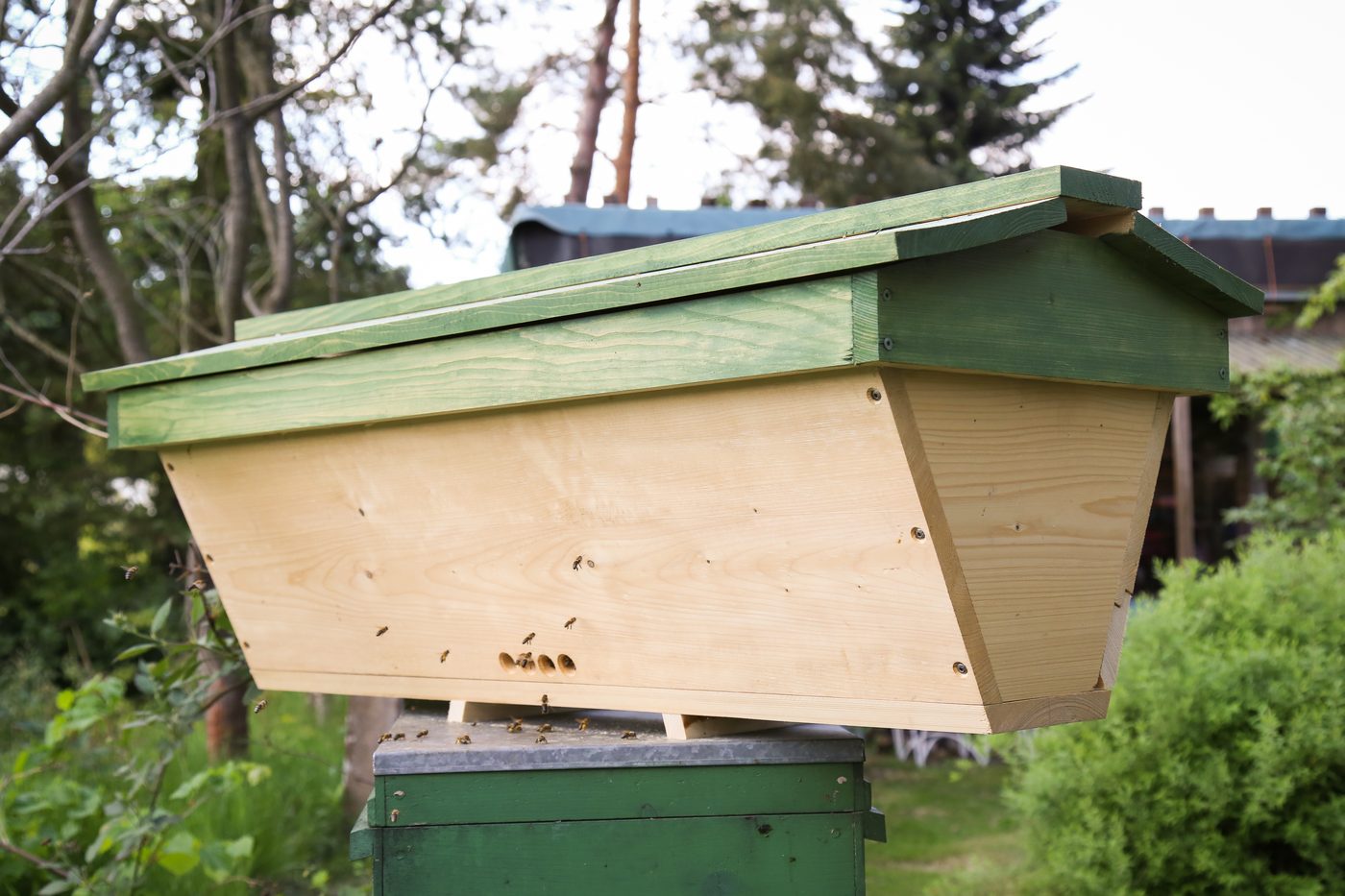
Kenyan Top-Bar Beehive
A sloped-sided hive with removable top bars that lets you inspect and harvest comb without frames, foundation or imported equipment.
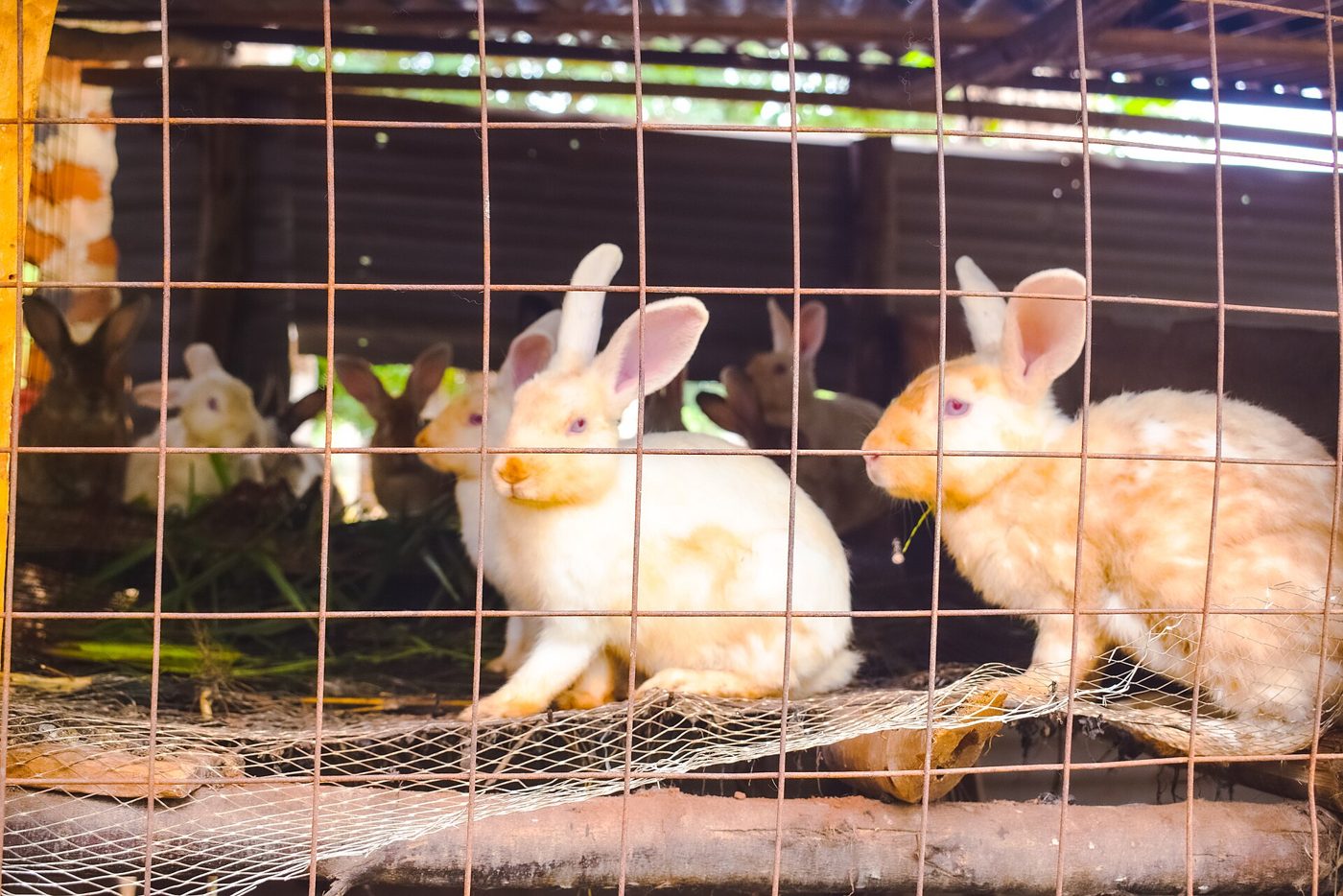
Raised Rabbit Hutch
A raised, slatted hutch that keeps rabbits dry, cool and off their own droppings — the fastest small livestock protein a household can start.
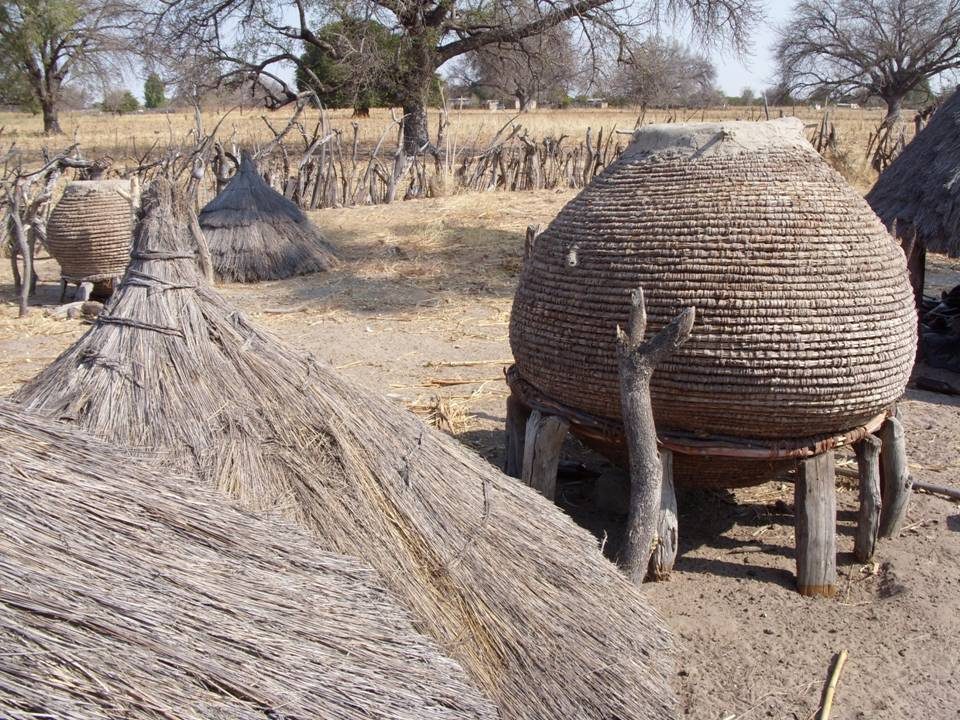
Raised Grain Granary
A woven or mud-plastered grain store raised on rat-guarded legs with a ventilated floor — cuts post-harvest loss without any chemicals.