
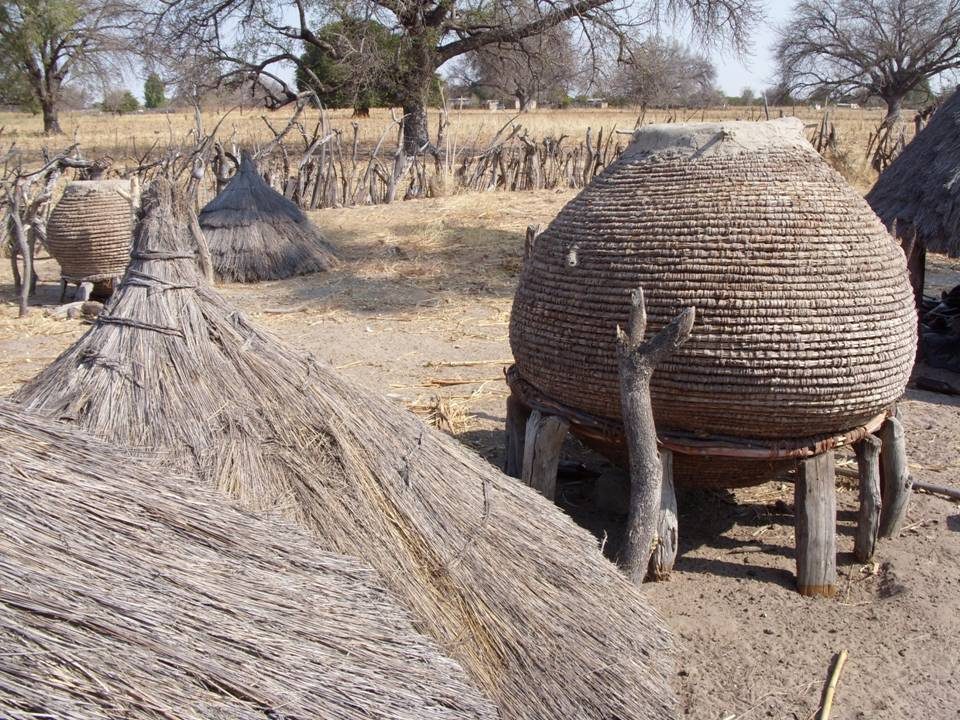
Raised Grain Granary
A woven or mud-plastered grain store raised on rat-guarded legs with a ventilated floor — cuts post-harvest loss without any chemicals.
- Estimated cost
- $30 – $90 in local materials
- Skill level
- Intermediate
- Time
- 3 – 5 days
Not yet verified
No confirmed build with photo proof has been submitted for this plan yet. Built it? Send photos and it earns the badge.
Tools
- Machete and handsaw
- Auger or brace and bit
- Trowel for plastering
- Ladder
- Twine and knife
Short a tool or material? Builders below have often swapped something local in — read Local adaptations before you buy anything.
Materials
- Four hardwood or termite-resistant posts
- Split bamboo or woven withies for the basket walls
- Mud-and-dung plaster, or cement render for a longer life
- Metal sheet or tin discs for rat guards
- Thatch or sheet roof with wide overhang
- Slatted floor timbers
Dimensions & cut list
A raised woven or mud granary storing 1 tonne of grain on the cob or in the head. These are the reference sizes from Appropedia / post-harvest loss reduction programmes — scale them to what you have, but keep the ratios.
| Capacity | ≈ 1 tonne (1.5 m³ of shelled grain) |
|---|---|
| Basket diameter | 1.5 m, 1.5 m tall |
| Platform height | 800 mm on postsHigh enough to keep out damp and to fit rat guards |
| Rat guards | Inverted metal cones or flat discs, 400 mm across, on every post |
| Roof overhang | 500 mm all round, thatch at 45° or sheet at 20° |
| Wall | Woven withies mud-plastered inside and out, 40 mm thick |
| Grain moisture at loading | 13% or less |
| Loading hatch | Top-opening, 400 mm, closed with a plastered lid |
Take this list to the yard
- 4Hardwood posts, termite-resistant
- ≈ 120Withies or split bamboo for weaving
- 0.4 m³Mud plaster with dung and chaff
- 1 m²Sheet metal for rat guards
- As per roofThatch bundles or roof sheets
- 10 kgAsh or botanical protectantLayer with the grain against weevils
Step by step
Step 1 of 6
Dry the grain properly first
Store only at 13% moisture or below — grain that cracks rather than dents under a tooth. No granary can save wet grain.
Swipe or use arrow keys
1. Dry the grain properly first
Store only at 13% moisture or below — grain that cracks rather than dents under a tooth. No granary can save wet grain.
2. Set posts and fit rat guards
Sink four posts 600 mm into the ground, 900 mm above it, and fit an inverted metal disc or tin collar on each. Nothing should touch the granary but the guarded posts.
3. Build a slatted, ventilated floor
Lay floor timbers with small gaps and a woven mat over them. Air moving under and through the store is what stops the middle heating and moulding.
4. Weave or build the walls
Weave a basket of split bamboo to the post frame, or build a mud cylinder. Leave a small lidded opening at the top rather than a door at the base.
5. Plaster inside and out
Mud-and-dung plaster seals the weave against insects and rain. Re-plaster any cracks each season before harvest — cracks are where weevils get in.
6. Roof with a wide overhang and load
The roof must shed rain clear of the walls. Load clean, dry, winnowed grain and inspect monthly by hand for heat, damp or insect dust.
Why mine failed
The ways this build usually goes wrong, and what fixes it.
Grain moulds in storage
CauseLoaded above 13% moisture, or roof leaking
FixSun-dry until a grain shatters rather than dents under a hammer, and repair thatch or sheet before every harvest.
Rats get into the granary
CauseRat guards missing or bridged
FixFit a 400 mm metal cone or disc on every post and keep the granary at least a metre clear of trees, walls and stacked material a rat can jump from.
Weevils destroy the store by mid-year
CauseInfested grain loaded in, no protectant
FixSun-dry and sort before loading, layer with ash or a botanical protectant, and store on the cob where you can — weevils work far slower through husk.
Posts collapse after a couple of seasons
CauseTermites
FixUse termite-resistant hardwood, char or treat the buried section, and set the posts in a stone or concrete collar.
Safety notes
- Never store grain treated with pesticide alongside grain for eating, and never re-use pesticide sacks.
- Mouldy grain can carry aflatoxin, which is not destroyed by cooking. Discard mouldy or musty grain — do not feed it to animals either.
- Air out and use a torch before reaching into a full store; snakes shelter in granaries.
- Keep the granary well clear of the cooking fire and thatch roofs.
Source & attribution
This plan is our build-step write-up of work documented by Appropedia / post-harvest loss reduction programmes. The original design and documentation belong to them — go read the source before you build.
Grain storageLocal adaptations
What builders changed to make this work where they live.
- No adaptations shared yet for this plan.
Build this alongside
Plans that use the same materials or serve the same need.
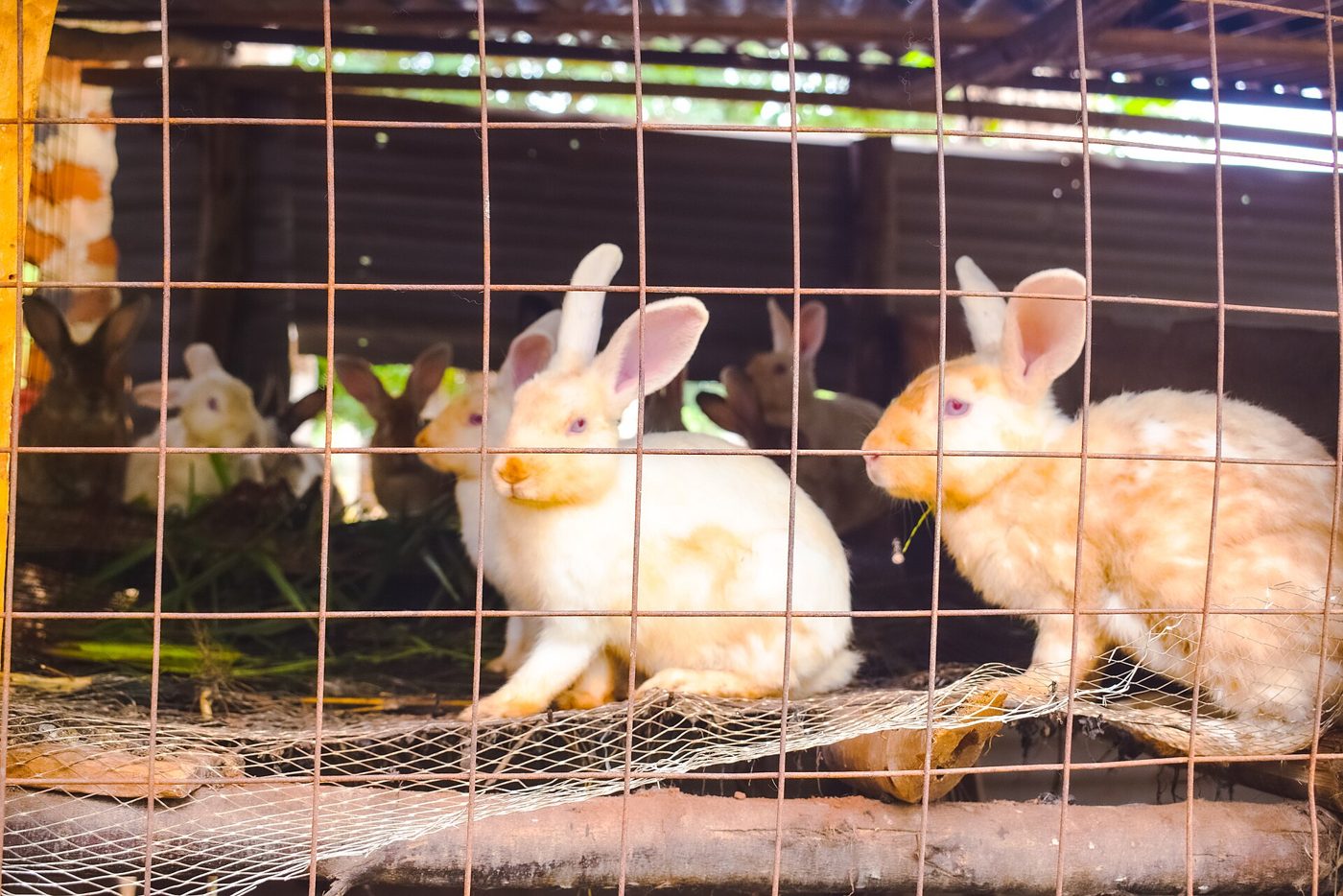
Raised Rabbit Hutch
A raised, slatted hutch that keeps rabbits dry, cool and off their own droppings — the fastest small livestock protein a household can start.
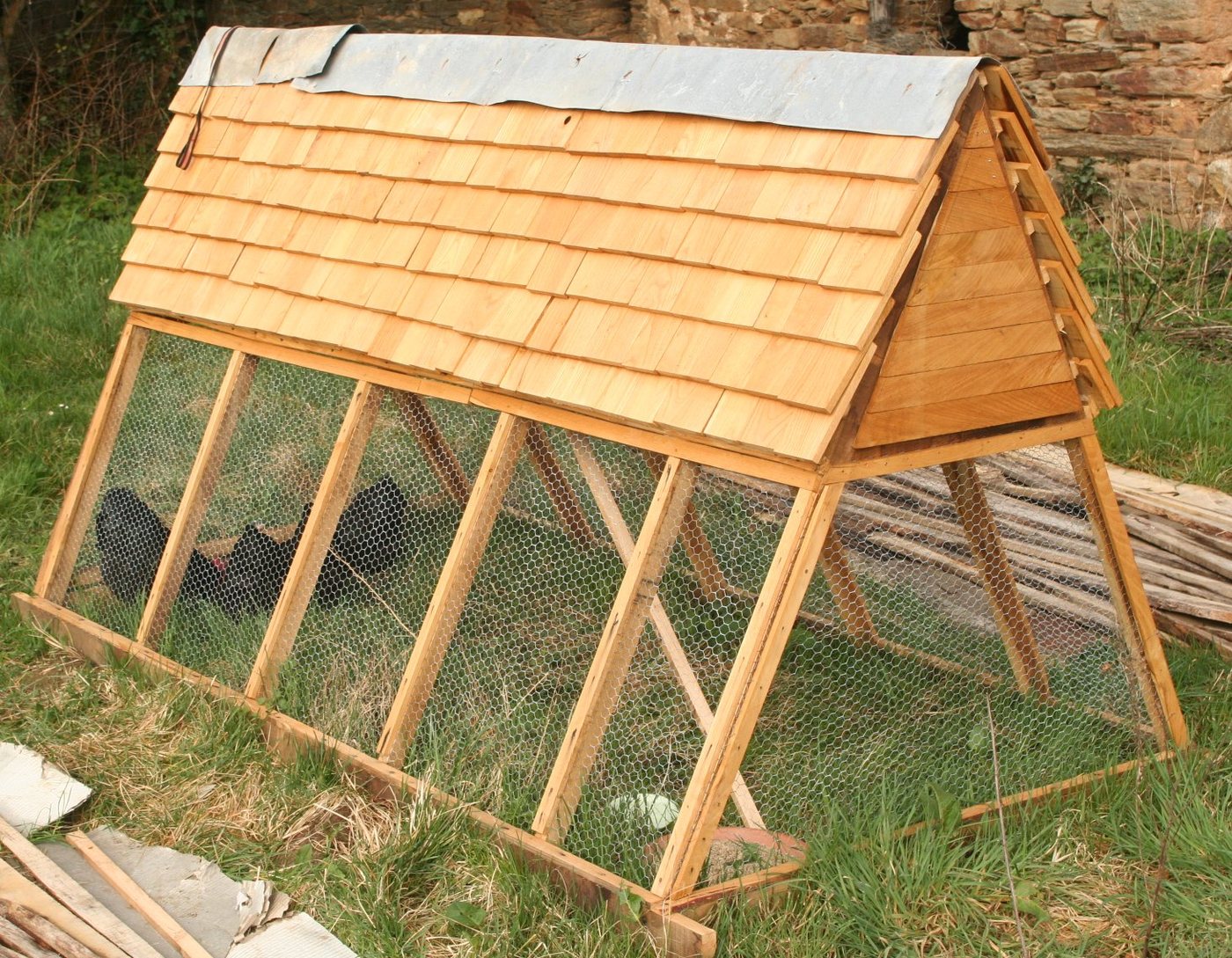
Movable Chicken Tractor
A floorless, lightweight coop you shift daily so birds get fresh forage, the ground gets manured, and nobody has to muck out.
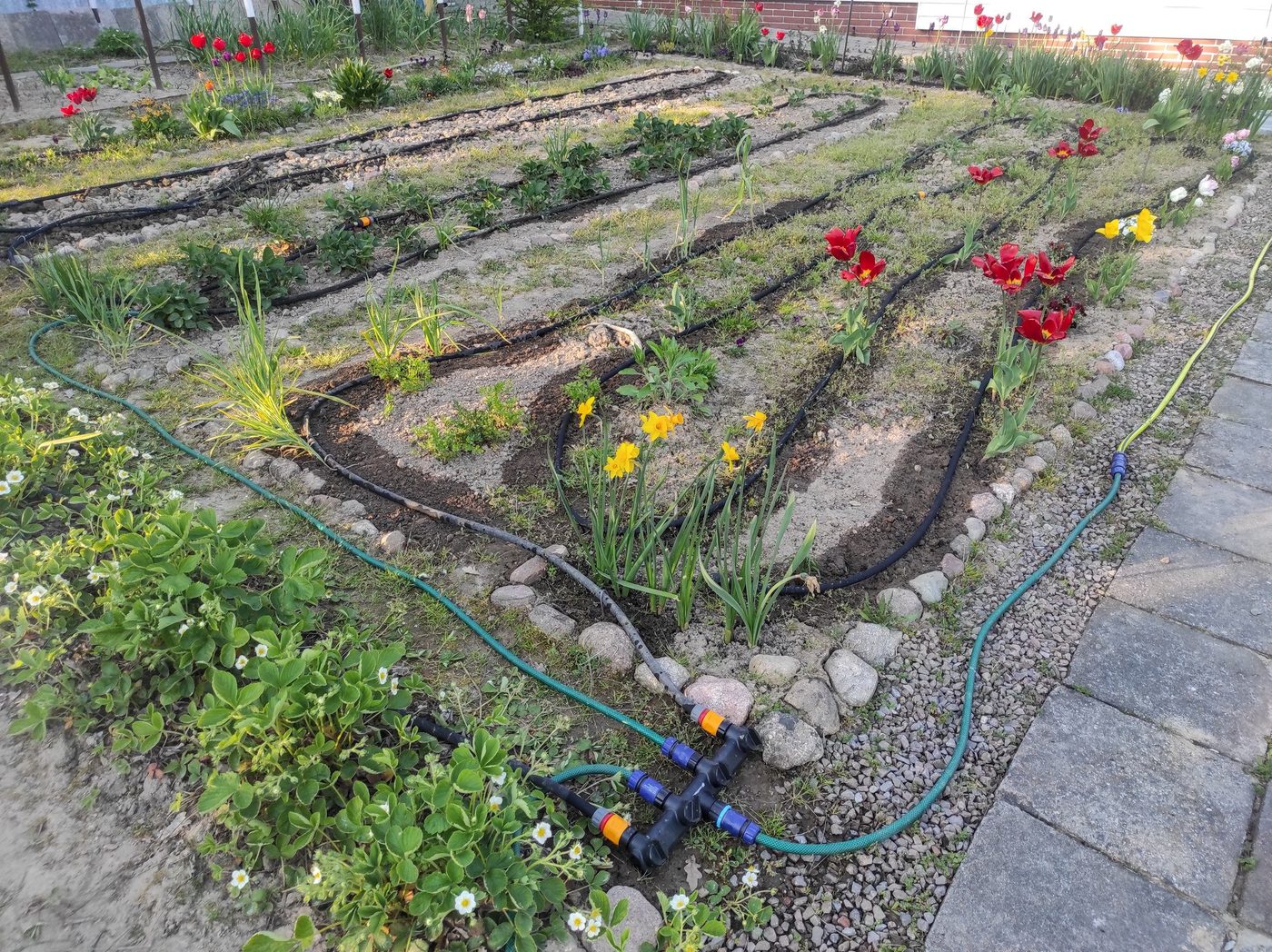
Gravity Drip Irrigation from a Raised Barrel
A 200 L drum on a stand feeds drip lines by gravity alone, cutting garden water use by around 60% with no pump.