
Natural Building
Soil, sand, straw and stone make durable walls at a fraction of the cost of imported cement block. These methods have been built and lived in for generations, and the plans here come from builders who documented what actually held up through the rains.
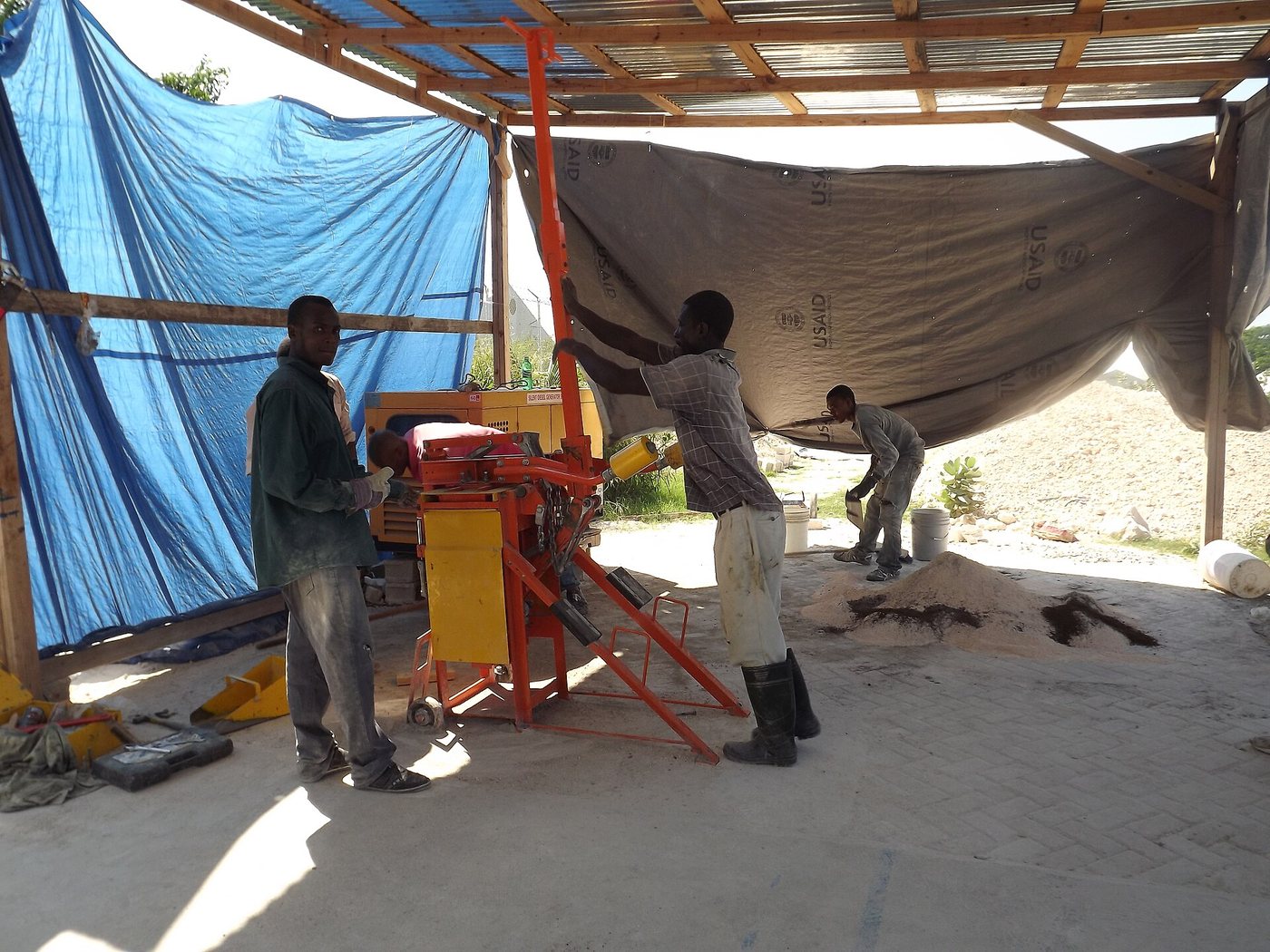
Manual Compressed Earth Block Press
A hand-built compound-lever press that turns local soil into load-bearing building blocks for about the price of a bag of cement.
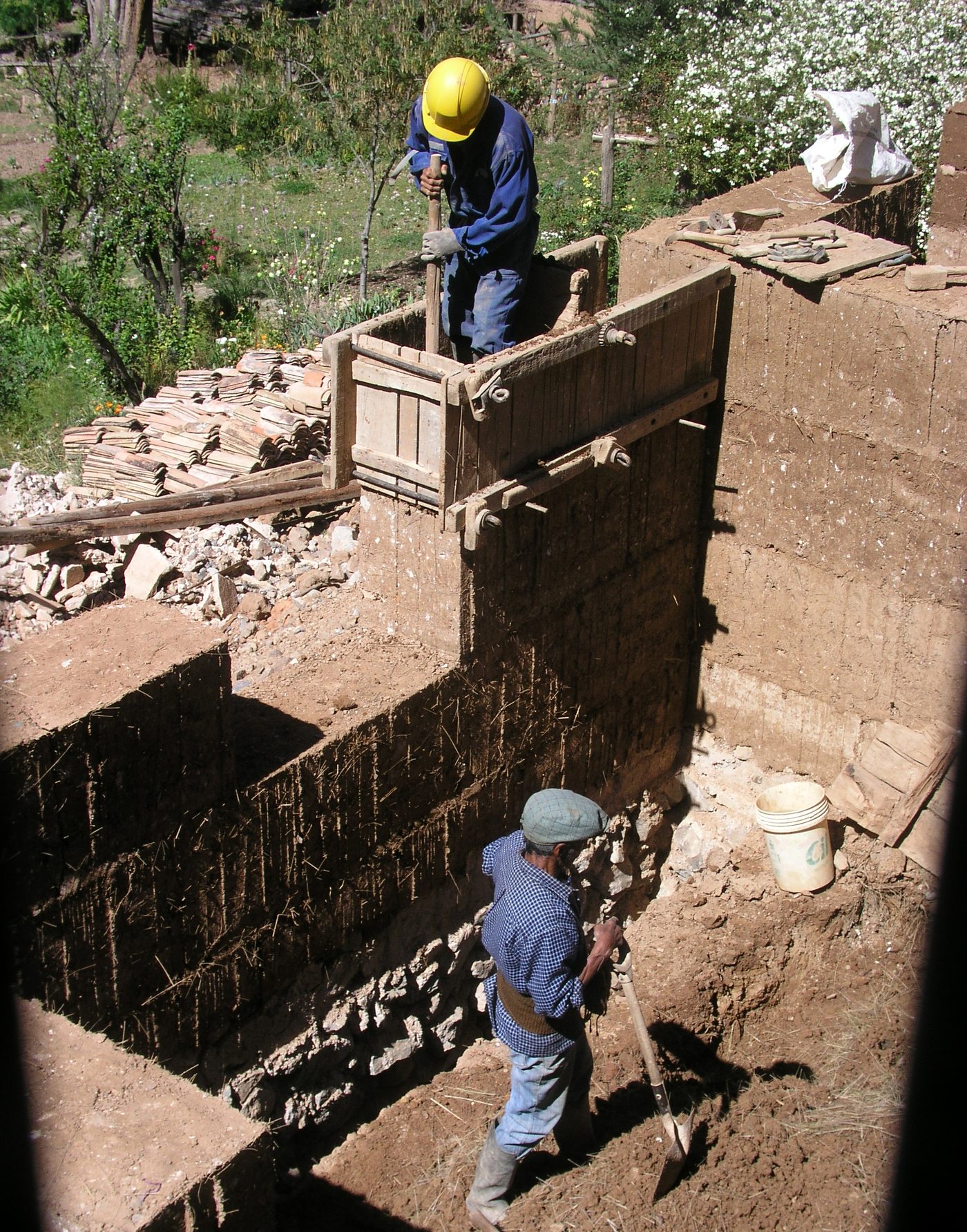
Rammed Earth Wall with Reusable Formwork
Tamp moist sub-soil in timber shuttering to raise thick, thermally massive walls that stay cool through the hottest afternoon.

Sun-Dried Adobe Brick Yard
Mould and sun-cure mud bricks in the open with nothing but soil, straw, water and a timber mould — the cheapest wall material there is.
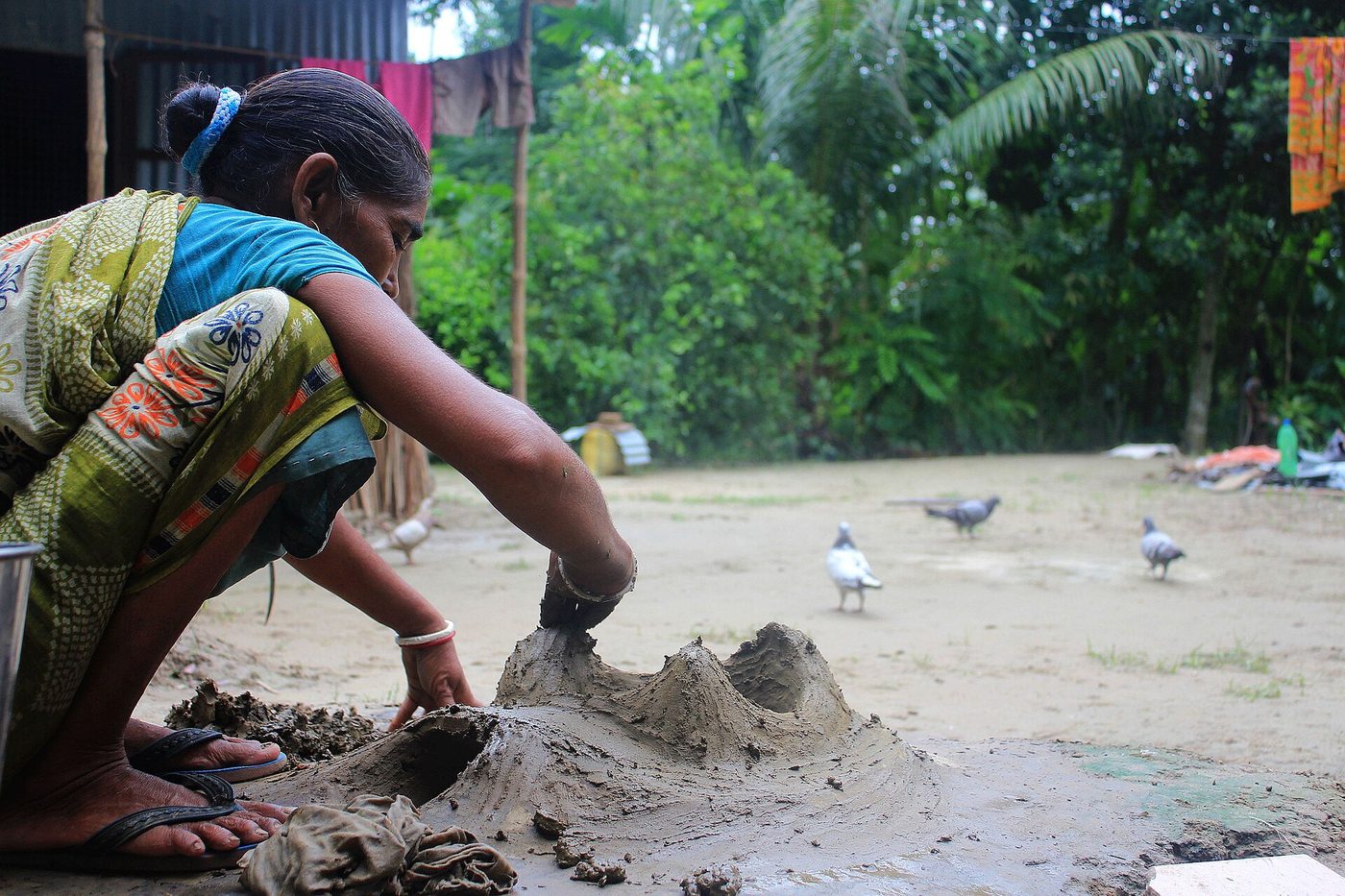
Cob Bread and Pizza Oven
A domed earth oven on a raised base that holds baking heat for hours from one small fire of scrap wood.
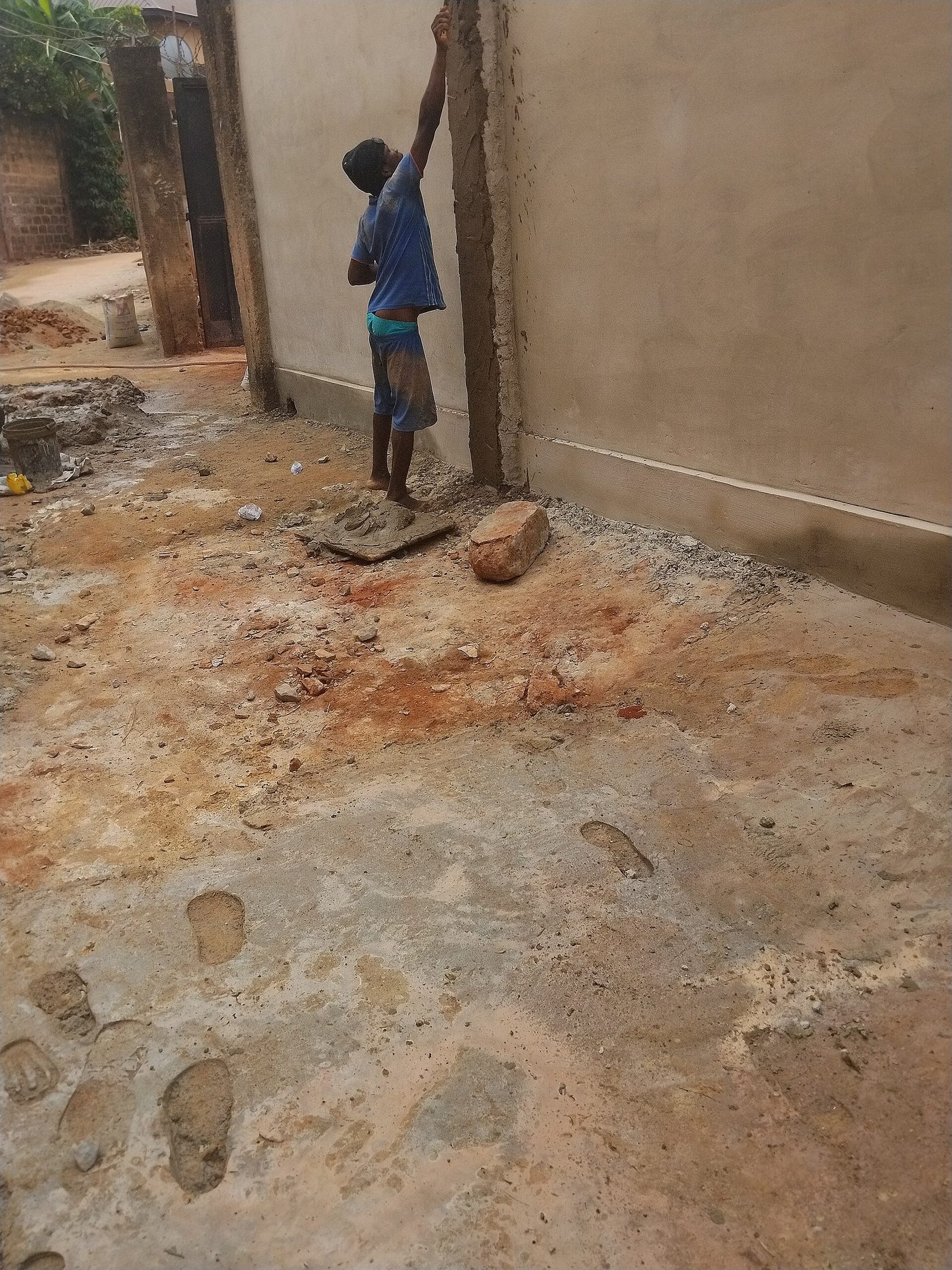
Lime and Earth Plaster for Earthen Walls
A breathable three-coat render that protects mud, adobe and earth-block walls from rain without trapping moisture the way cement does.
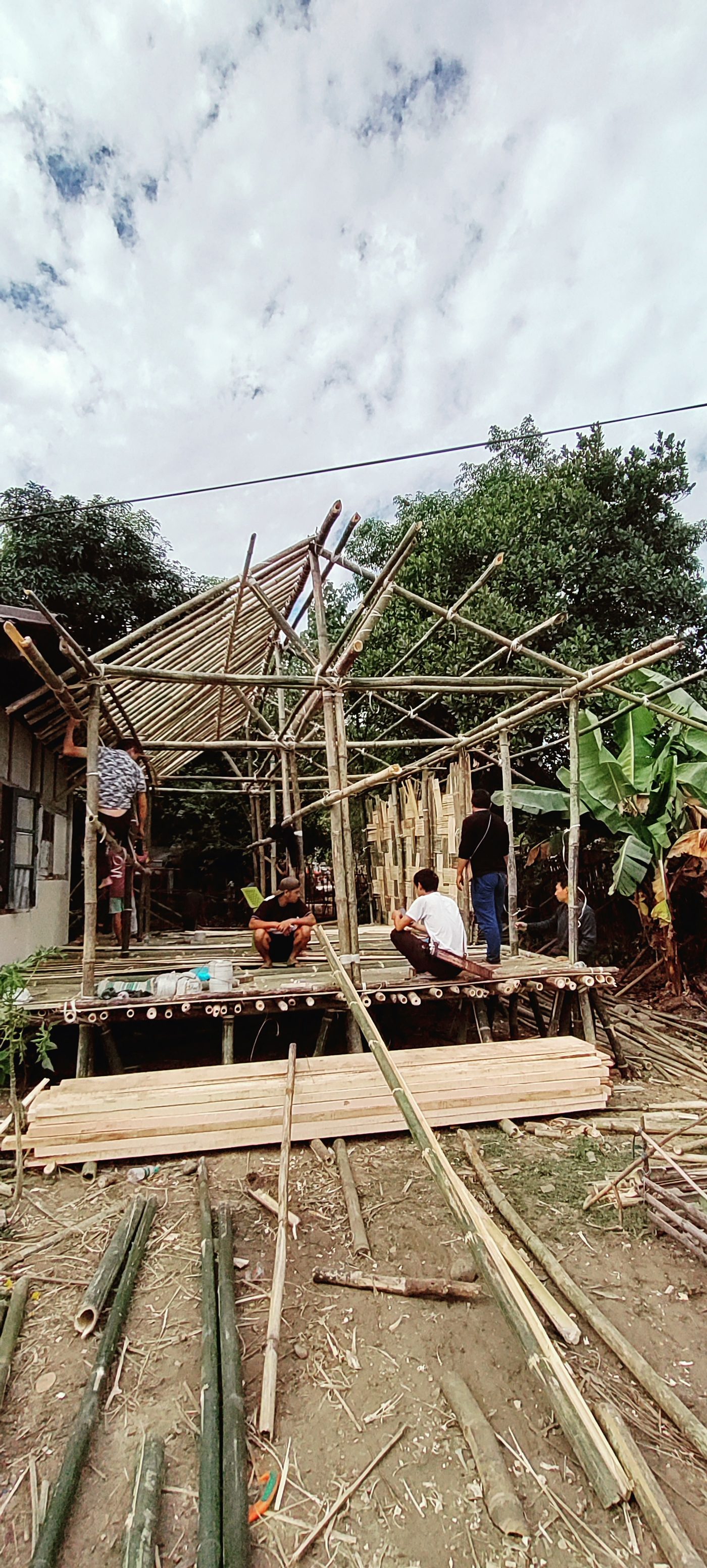
Bamboo Truss Roof Frame
A treated bamboo truss and purlin frame that spans small buildings for a fraction of the cost of sawn timber or steel.
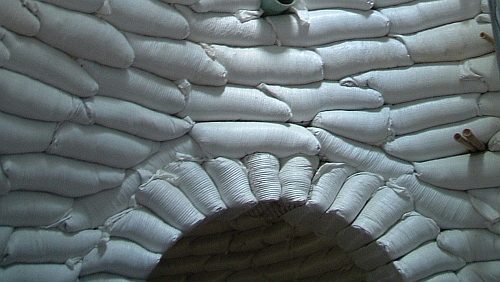
Earthbag Wall & Dome
Fill polypropylene bags with damp sub-soil, tamp them course by course with barbed wire between, and raise a wall strong enough to carry a roof — or corbel it into a dome.
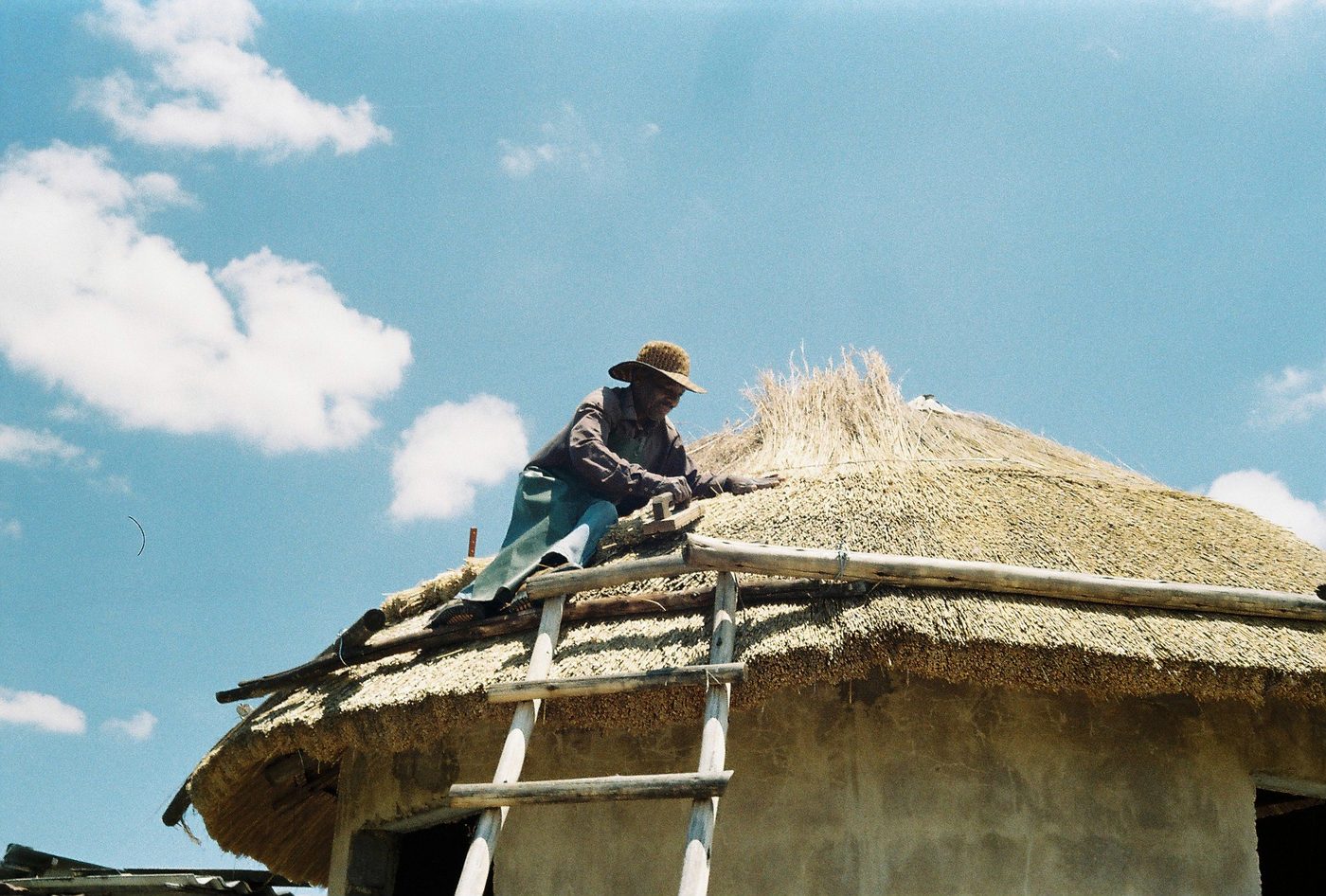
Grass Thatch Roof
Bundle, comb and lash local grass onto a timber or bamboo frame at a steep pitch for a cool, quiet, no-cost roof that sheds heavy rain.
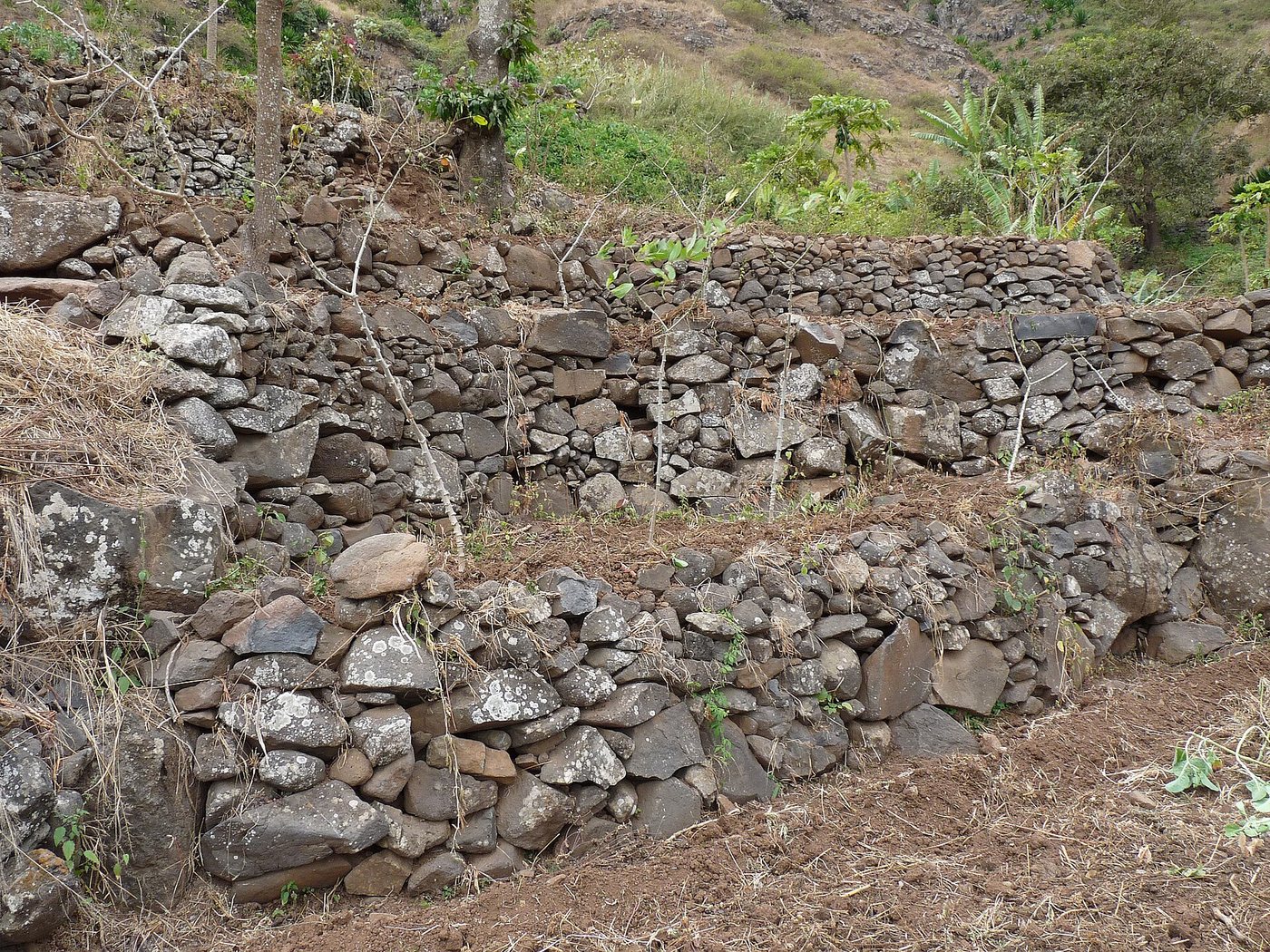
Dry-Stone Retaining Wall
Stack shaped field stone without mortar into a battered, through-stoned wall that drains freely and outlasts anything you could build with a bag of cement.
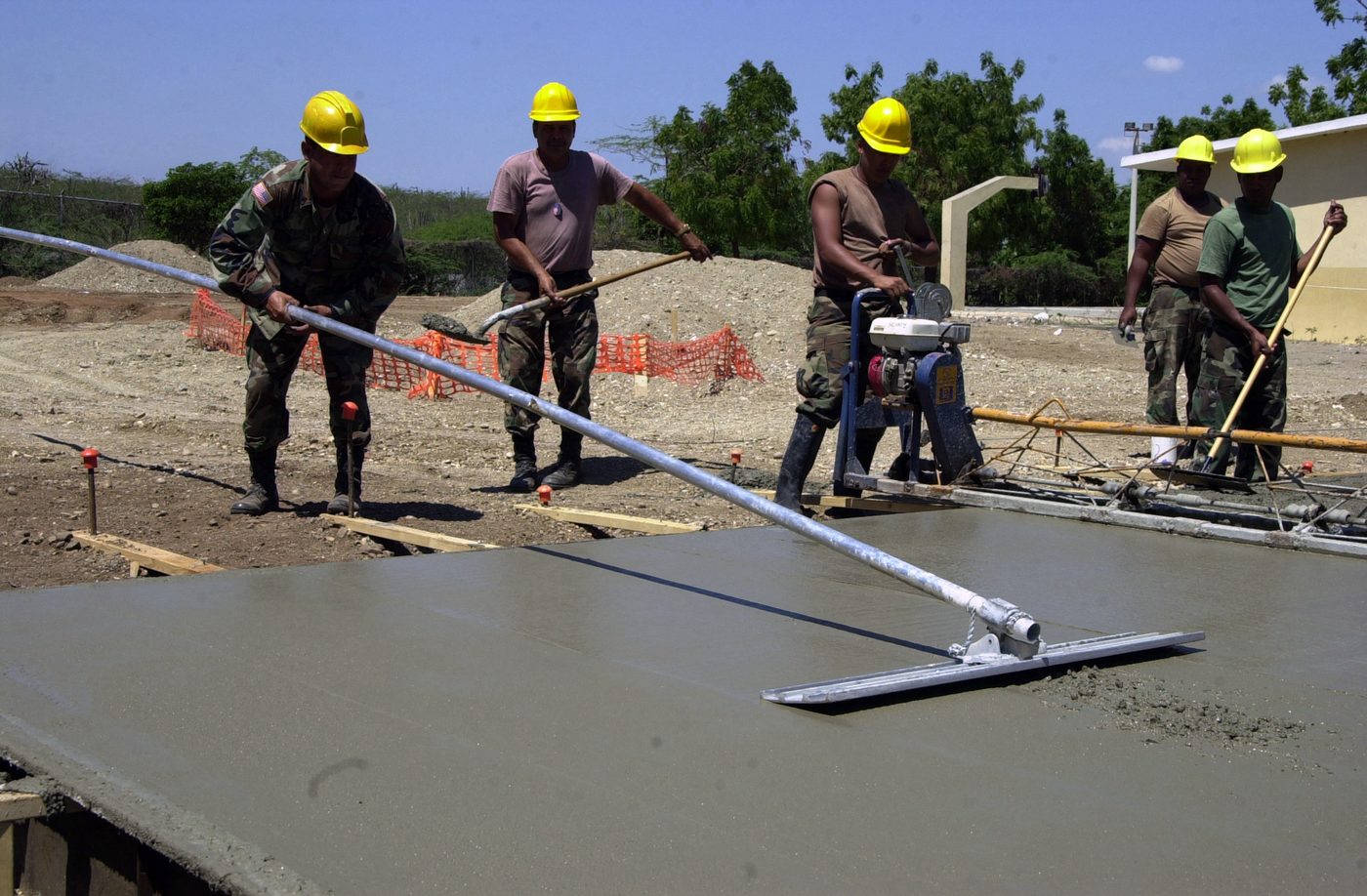
Soil-Cement Floor Slab
Replace a dust floor with a compacted, cement-stabilised earth slab that sweeps clean, resists damp and costs a fraction of a full concrete pour.
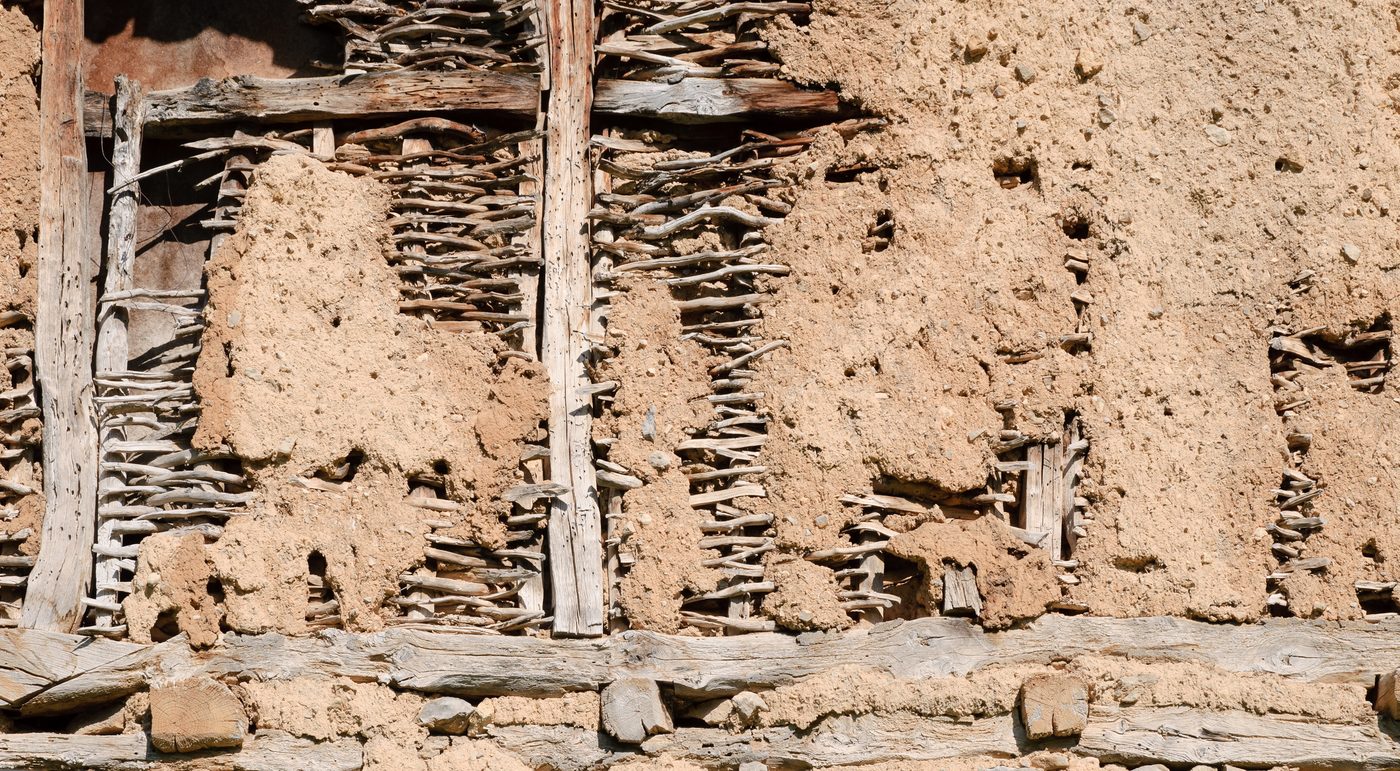
Wattle & Daub Infill Wall
Weave a lattice of split poles between timber posts and pack it with clay-straw daub — the fastest low-cost wall there is when you have wood, soil and hands.

Bottle Wall Infill & Light Panel
Lay glass bottles in mortar between structural posts to fill non-load-bearing panels and bring daylight deep into a room without buying glazing.
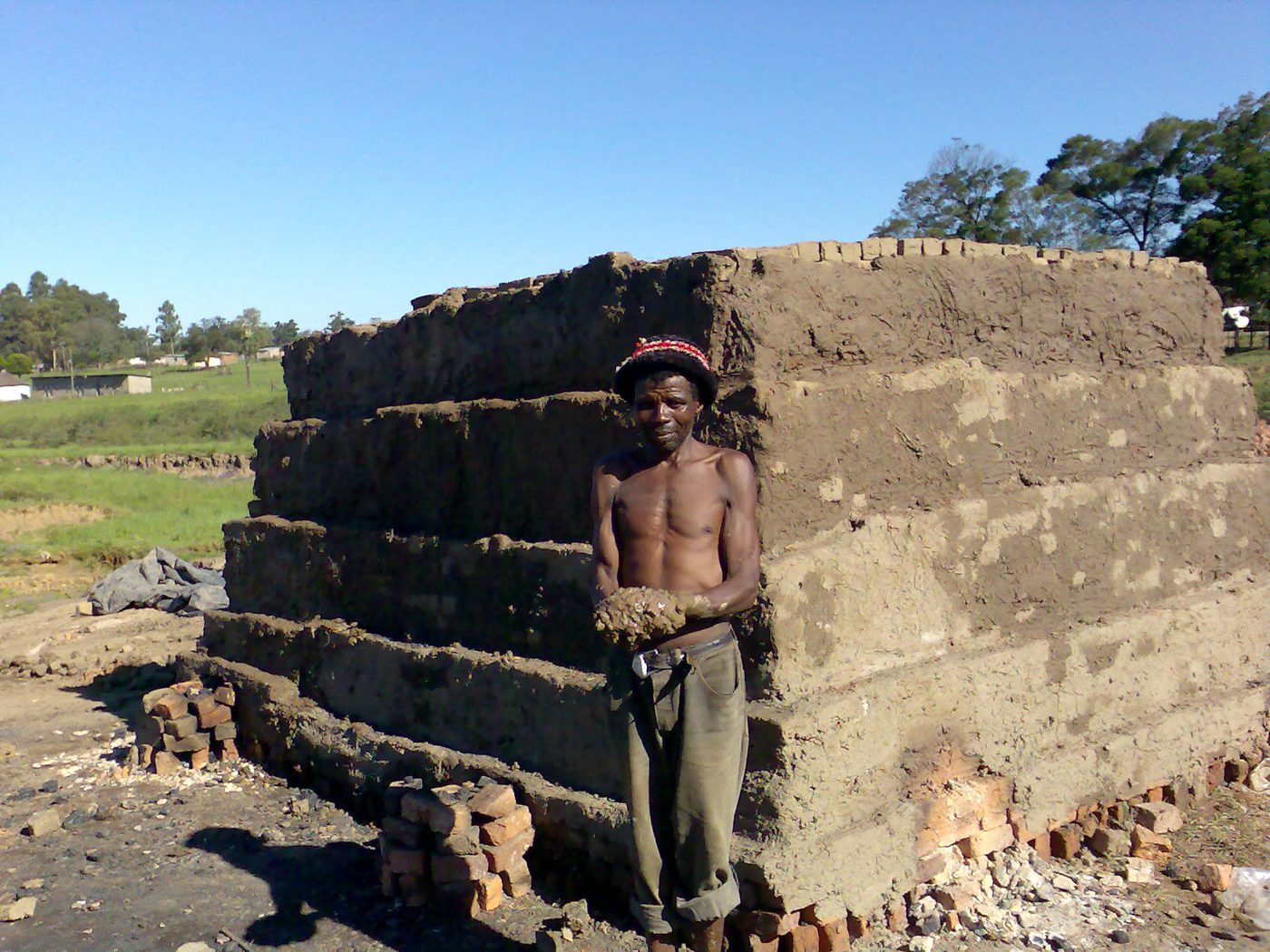
Clay Brick Clamp Kiln
Stack green bricks into a self-firing clamp with fuel channels, seal it with mud, and fire your own burnt bricks without buying a permanent kiln.

Interlocking Stabilised Soil Block Wall
Lay pressed blocks that key into each other so the wall goes up dry — far less mortar, far less cement, and a straight wall even with a small crew.
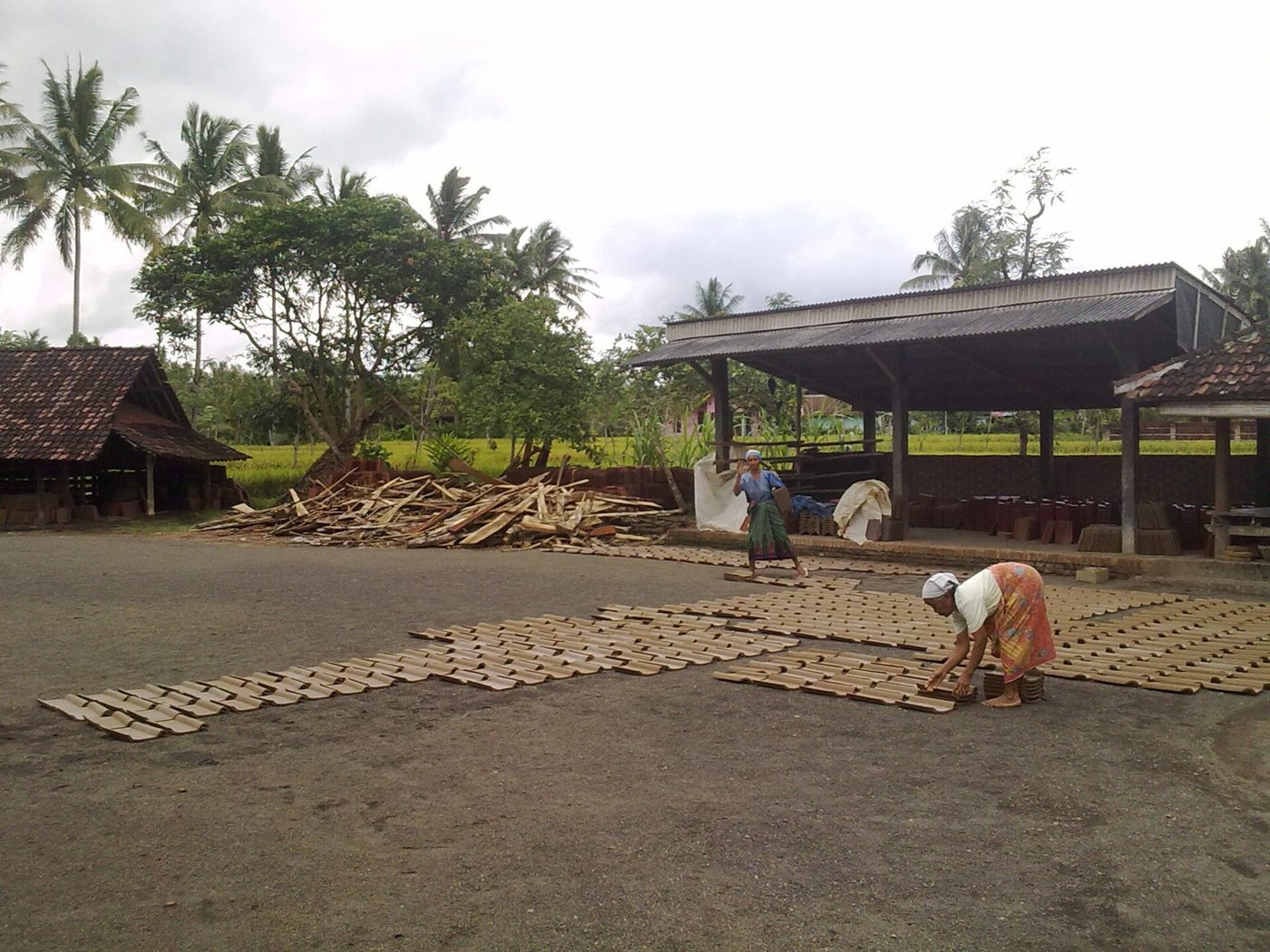
Micro-Concrete Roof Tiles
Vibrate thin sand-cement tiles on a simple screeding table and roof a house for a fraction of imported sheet cost — quieter in rain and far cooler inside.
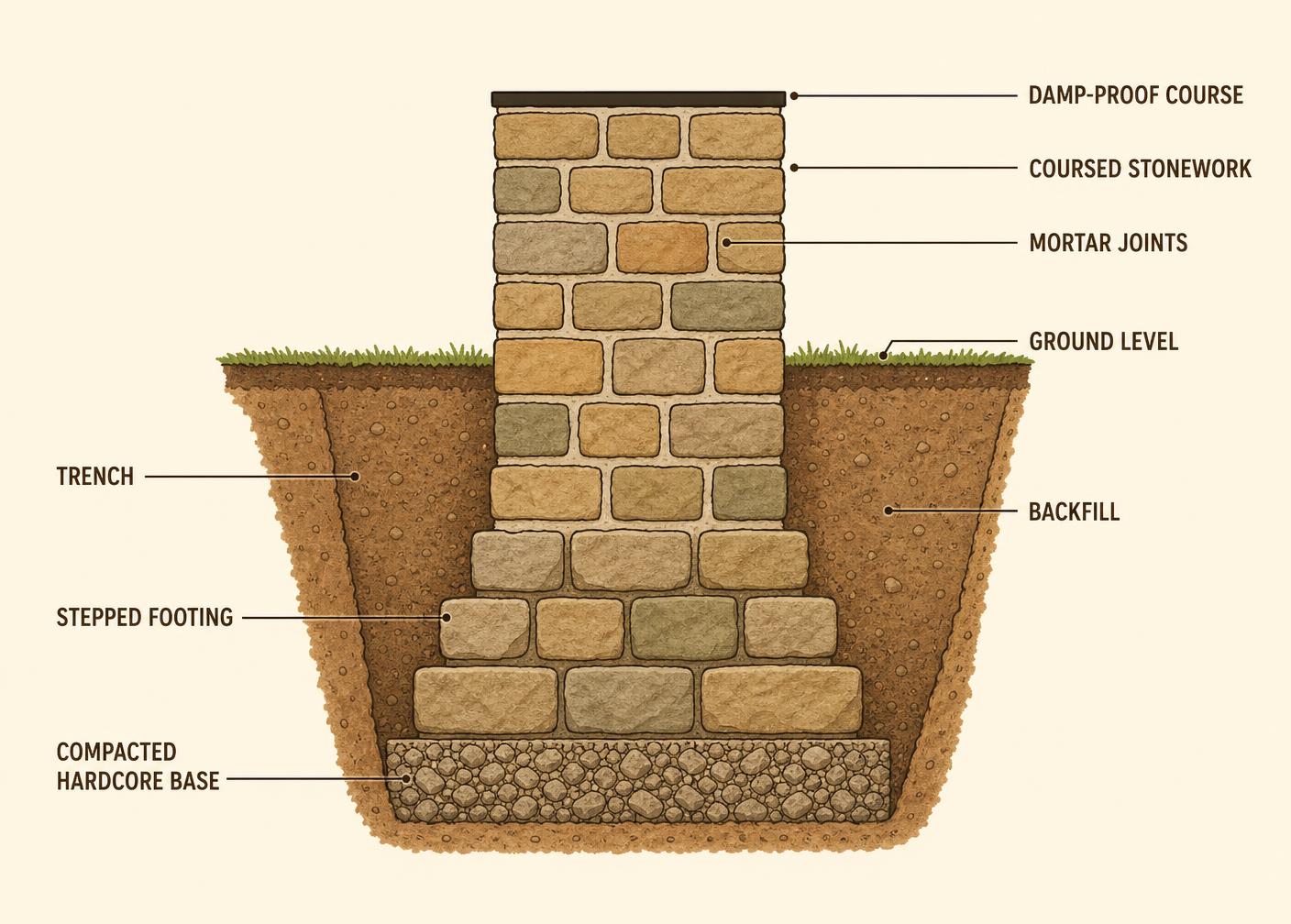 Diagram
Stone Masonry Plinth & Foundation
The unglamorous course that decides whether an earth building lasts thirty years or three: a stone plinth that lifts the walls clear of splash and rising damp.
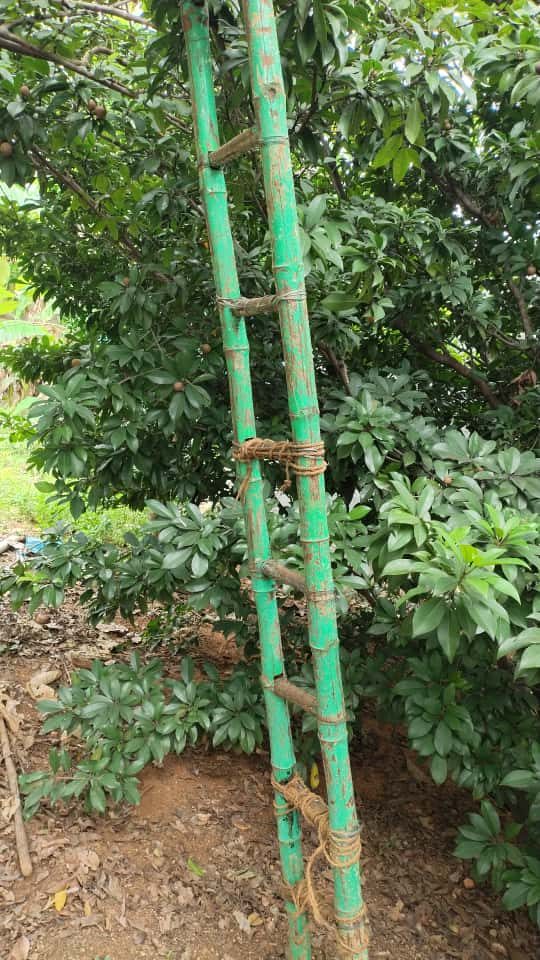
Bamboo Scaffold & Ladder
Lash a working platform and ladder from bamboo poles so you can plaster, roof and repair at height without hiring steel scaffold.