
Bottle Wall Infill & Light Panel
Lay glass bottles in mortar between structural posts to fill non-load-bearing panels and bring daylight deep into a room without buying glazing.
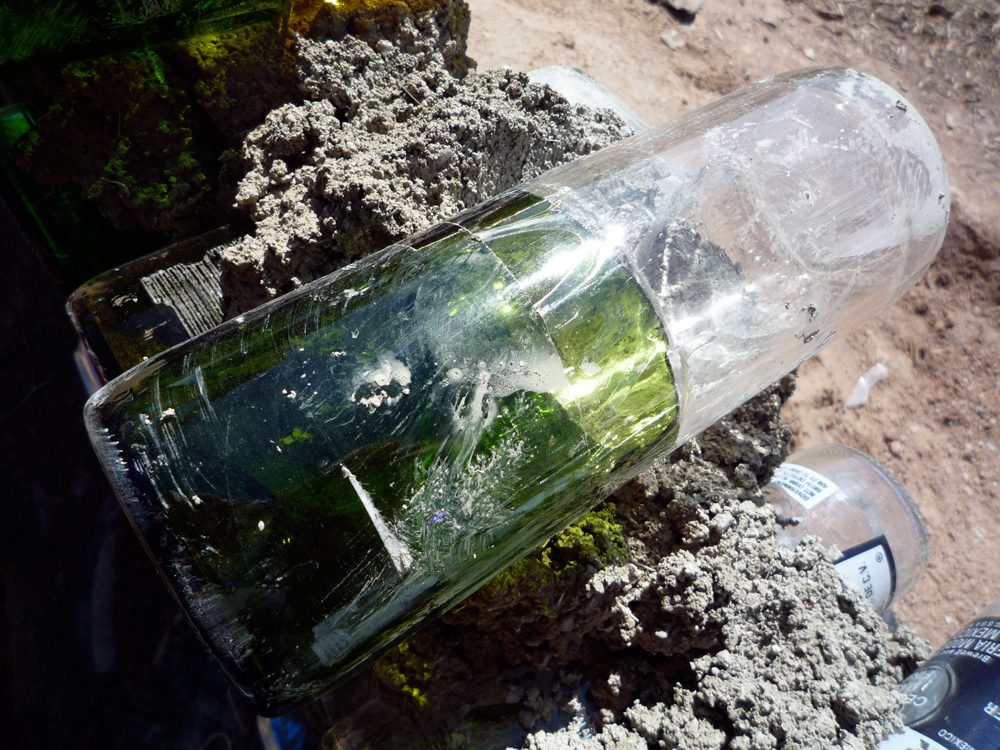
- Estimated cost
- $15 – $80 per panel, mostly cement and sand
- Skill level
- Beginner
- Time
- 1 – 2 days per panel plus curing
Not yet verified
No confirmed build with photo proof has been submitted for this plan yet. Built it? Send photos and it earns the badge.
Tools
- Trowel
- Bucket and mixing board
- String line and level
- Sponge and rags
- Tape or twine
Short a tool or material? Builders below have often swapped something local in — read Local adaptations before you buy anything.
Materials
- Clean glass bottles, sorted by size and colour
- Cement:sand mortar at roughly 1:4, or a lime-sand mix
- Chicken mesh or wire ties for reinforcement in taller panels
- Timber or blockwork frame around the panel
Dimensions & cut list
A non-loadbearing infill panel of bottles laid in mortar within a framed opening, 2 m² of wall. These are the reference sizes from Appropedia / Earthship and natural building builders — scale them to what you have, but keep the ratios.
| Panel size | Maximum 1.5 × 1.5 m between frame membersBigger panels crack — subdivide with posts |
|---|---|
| Bottle laying | Necks alternating, or bases out both faces |
| Bottle spacing | 30–40 mm of mortar between bottles |
| Mortar mix | 1 cement : 4 sand, stiff |
| Courses per day | Maximum 5Bottles float and slump if you build too fast |
| Bottles per m² | ≈ 60 (330 ml glass) |
Take this list to the yard
- ≈ 120 for 2 m²Clean glass bottles, matched size
- 1 bagCement
- 0.15 m³Sharp sand
- 2 m²Chicken wire for mortar key
- 1 openingTimber or blockwork frameThe frame carries the load, never the bottles
Step by step
Step 1 of 6
Wash and pair the bottles
Rinse and dry every bottle. For a light panel that reads well from both faces, tape two bottles base-to-base so the necks point out each side and the trapped air stays clear.
Swipe or use arrow keys
1. Wash and pair the bottles
Rinse and dry every bottle. For a light panel that reads well from both faces, tape two bottles base-to-base so the necks point out each side and the trapped air stays clear.
2. Frame the opening
Bottle infill carries nothing. Build it inside a post-and-beam bay or a blockwork opening no wider than about 1.2 m.
3. Lay a mortar bed course
Spread a 25 mm bed, press the first row of bottles in level with a string line, and leave a mortar gap of at least 30 mm between bottles.
4. Build up in short lifts
Do three or four courses, then stop and let them set. Going too high in one day floats the bottles out of line and the mortar slumps.
5. Clean the glass as you go
Wipe every bottle face before the mortar grabs. Cured mortar on glass has to be scraped and the panel loses its light.
6. Cure and point
Keep the panel damp under sacking for three days, then point any shrinkage lines. Seal the outer face with a thin render band around the frame to shed rain.
Why mine failed
The ways this build usually goes wrong, and what fixes it.
Panel cracks across in a wave
CauseBuilt too tall too fast, or the panel is carrying load
FixKeep panels within a framed opening of 1.5 m, build a maximum of five courses a day, and make sure the frame carries the roof — bottles are infill, never structure.
Bottles work loose in the mortar
CauseDirty glass and mortar too wet
FixWash and dry the bottles, use a stiff 1:4 mix, and press chicken wire into the joints as a key.
Panel weeps water in heavy rain
CauseShrinkage gaps at the glass-to-mortar line
FixPoint the joints a second time once the panel has dried, and shelter the wall with a decent eaves overhang.
Safety notes
- Never cut bottles dry — if you cut, score under water and file every edge; glass dust is a serious lung hazard.
- Keep bottle panels out of doorways and low walls where people can fall into them.
- Cement burns skin: wear gloves and rinse splashes immediately.
- Do not use bottle infill in load-bearing or seismic-resisting walls.
Source & attribution
This plan is our build-step write-up of work documented by Appropedia / Earthship and natural building builders. The original design and documentation belong to them — go read the source before you build.
Bottle wallLocal adaptations
What builders changed to make this work where they live.
Field note · Nigeria
Builders sort bottles by colour into bands so the panel throws coloured light across the floor through the afternoon.
Build this alongside
Plans that use the same materials or serve the same need.
 Diagram
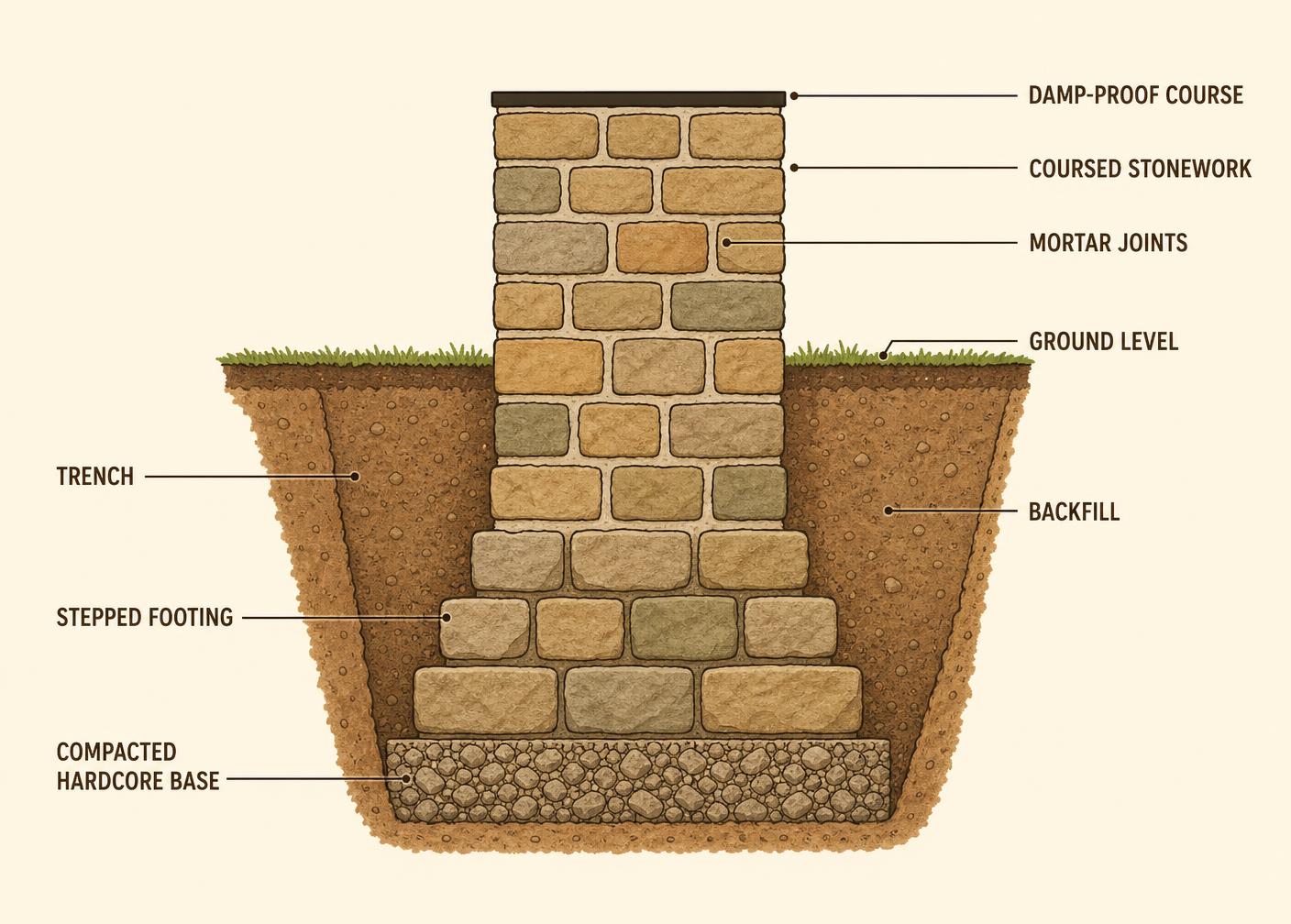
Stone Masonry Plinth & Foundation
The unglamorous course that decides whether an earth building lasts thirty years or three: a stone plinth that lifts the walls clear of splash and rising damp.
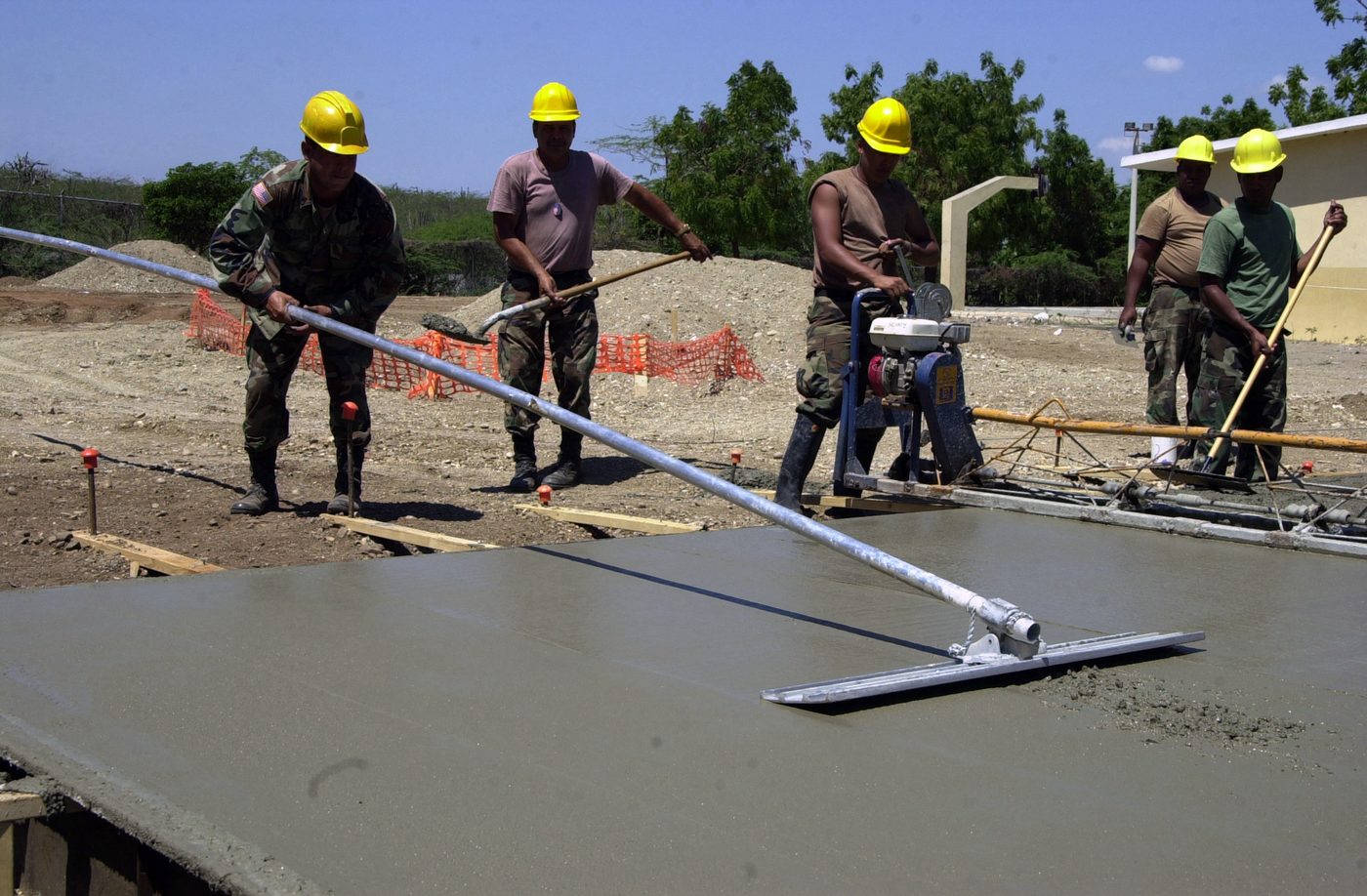
Soil-Cement Floor Slab
Replace a dust floor with a compacted, cement-stabilised earth slab that sweeps clean, resists damp and costs a fraction of a full concrete pour.
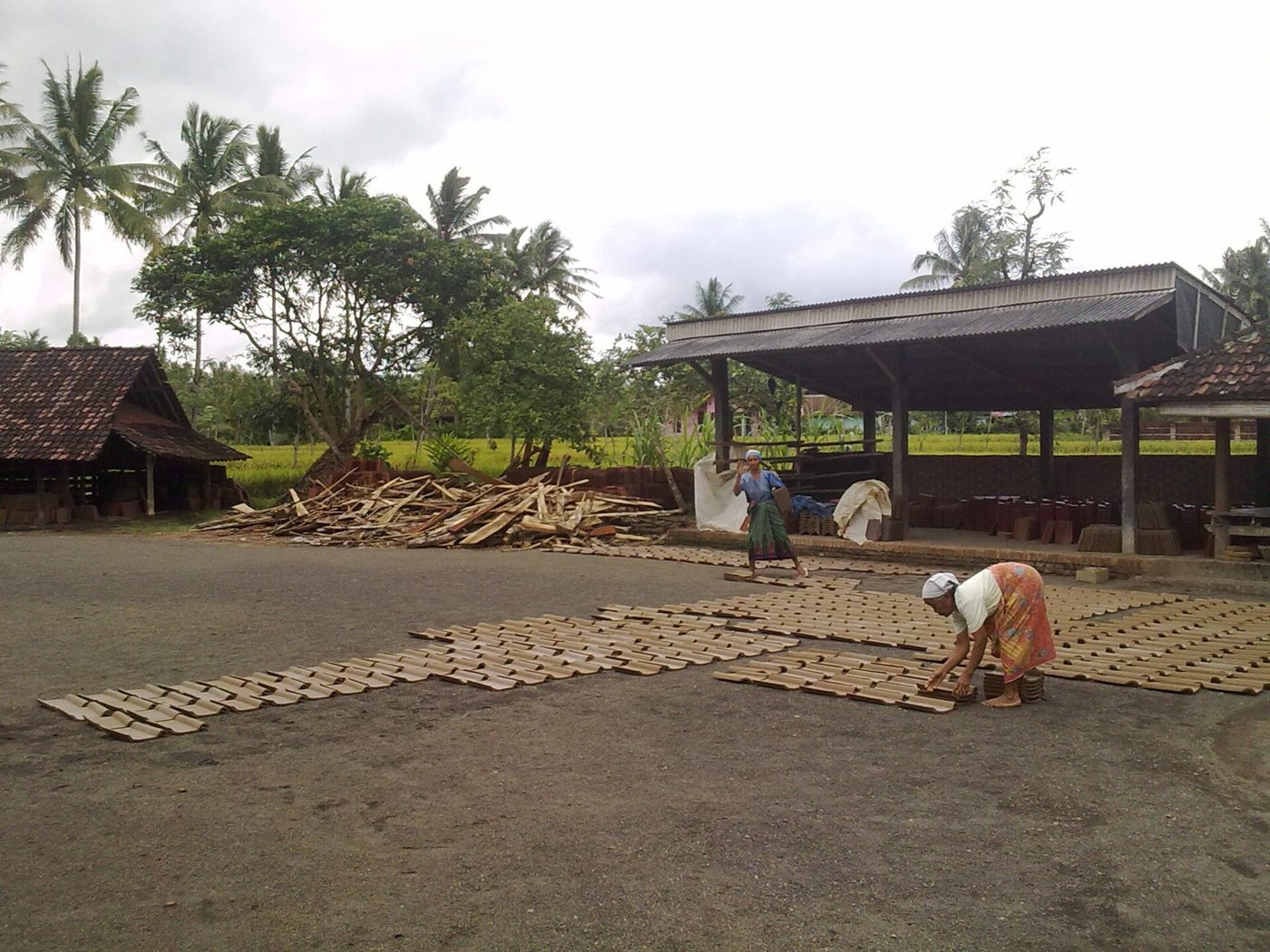
Micro-Concrete Roof Tiles
Vibrate thin sand-cement tiles on a simple screeding table and roof a house for a fraction of imported sheet cost — quieter in rain and far cooler inside.