
Raised Rabbit Hutch
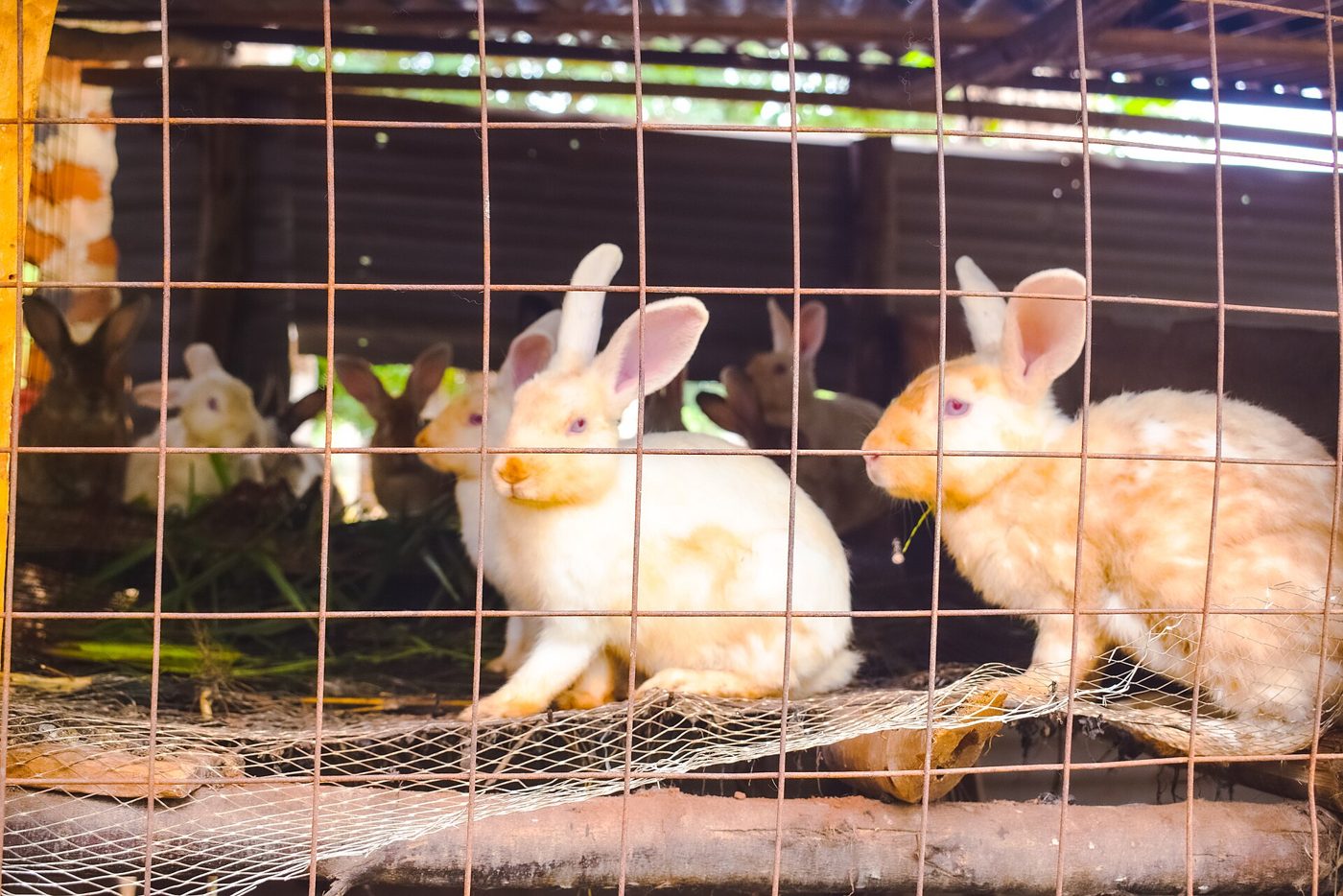
A raised, slatted hutch that keeps rabbits dry, cool and off their own droppings — the fastest small livestock protein a household can start.
- Estimated cost
- $25 – $100 for timber, mesh and fittings
- Skill level
- Beginner
- Time
- 2 days
Not yet verified
No confirmed build with photo proof has been submitted for this plan yet. Built it? Send photos and it earns the badge.
Tools
- Saw
- Hammer
- Pliers
- Wire cutters
- Drill
- Measuring tape
Short a tool or material? Builders below have often swapped something local in — read Local adaptations before you buy anything.
Materials
Dimensions & cut list
A raised three-compartment hutch for a breeding trio plus growers. These are the reference sizes from Appropedia — scale them to what you have, but keep the ratios.
| Compartment size | 800 × 600 × 500 mm per adult doe |
|---|---|
| Floor height above ground | 800 mmKeeps predators, damp and dogs out, and lets you collect manure and urine |
| Floor | Welded mesh 15 × 15 mm, or slats with 15 mm gaps |
| Nest box | 400 × 300 × 300 mm, solid floor, darkened |
| Roof overhang | 300 mm all round, sloped 1:6 |
| Ventilation | Open mesh on two sides, shadedRabbits die above 30 °C — shade and airflow are non-negotiable |
| Feeder and drinker | External hoppers so they cannot be soiled |
Take this list to the yard
- 24 m50 × 50 mm timber
- 5 m²15 mm welded mesh
- 3 m²Roof sheet
- 3Nest boxes
- 3 setsFeeders and drinkers
- 1Manure collection tray or bed belowRun worms or a banana circle underneath and the manure becomes a second product
Step by step
Step 1 of 6
Raise it to working height
Stand the hutch 750 – 900 mm off the ground on legs with rat guards. It keeps predators out and lets droppings fall clear for collection.
Swipe or use arrow keys
1. Raise it to working height
Stand the hutch 750 – 900 mm off the ground on legs with rat guards. It keeps predators out and lets droppings fall clear for collection.
2. Size the compartments
Allow roughly 0.5 m² per adult rabbit, more for a doe with a litter, and keep bucks separate. Overcrowding brings fighting and disease.
3. Use mesh floors plus a rest board
Mesh floors keep the hutch clean, but every rabbit needs a solid board to sit on or it develops sore hocks.
4. Roof wide and shade well
Extend the roof at least 300 mm past the hutch on all sides. Rabbits die of heat far more often than cold — aim for deep shade and cross-ventilation without draughts.
5. Fit secure doors and fixed feeders
Latch every door properly and fix feeders and drinkers so they can't be tipped. Water is the input most often neglected.
6. Collect the manure below
Put a tray or a worm bed under the hutch. Rabbit manure can go straight onto crops without composting and pairs perfectly with a vermicompost bin.
Why mine failed
The ways this build usually goes wrong, and what fixes it.
Rabbits die suddenly in hot weather
CauseHeat stress
FixRabbits struggle above 30 °C. Site under shade, keep two sides open to breeze, and put frozen or cool water bottles in the hutches at midday.
Sore feet and swollen hocks
CauseMesh floor too coarse or wire too thin
FixUse 15 × 15 mm welded mesh, and give each rabbit a solid resting board to get off the wire.
Litters die in the nest
CauseNest box too open, cold or disturbed
FixFit a darkened box with a solid floor and lip, bed it with soft dry grass, and stop handling the doe in the last days before kindling.
Predators take rabbits at night
CauseHutch too low, or gaps at the doors
FixRaise the floor to 800 mm, close every gap over 25 mm, and fit latches that a dog's nose cannot flick open.
Safety notes
- Handle rabbits by supporting the body — never lift by the ears.
- Quarantine new stock for two weeks before mixing.
- Wash hands after handling animals and manure.
- Predator-proof the legs and doors; a single dog or mongoose can wipe out a hutch overnight.
Source & attribution
This plan is our build-step write-up of work documented by Appropedia. The original design and documentation belong to them — go read the source before you build.
Rabbit raising for small farmsLocal adaptations
What builders changed to make this work where they live.
- No adaptations shared yet for this plan.
Build this alongside
Plans that use the same materials or serve the same need.
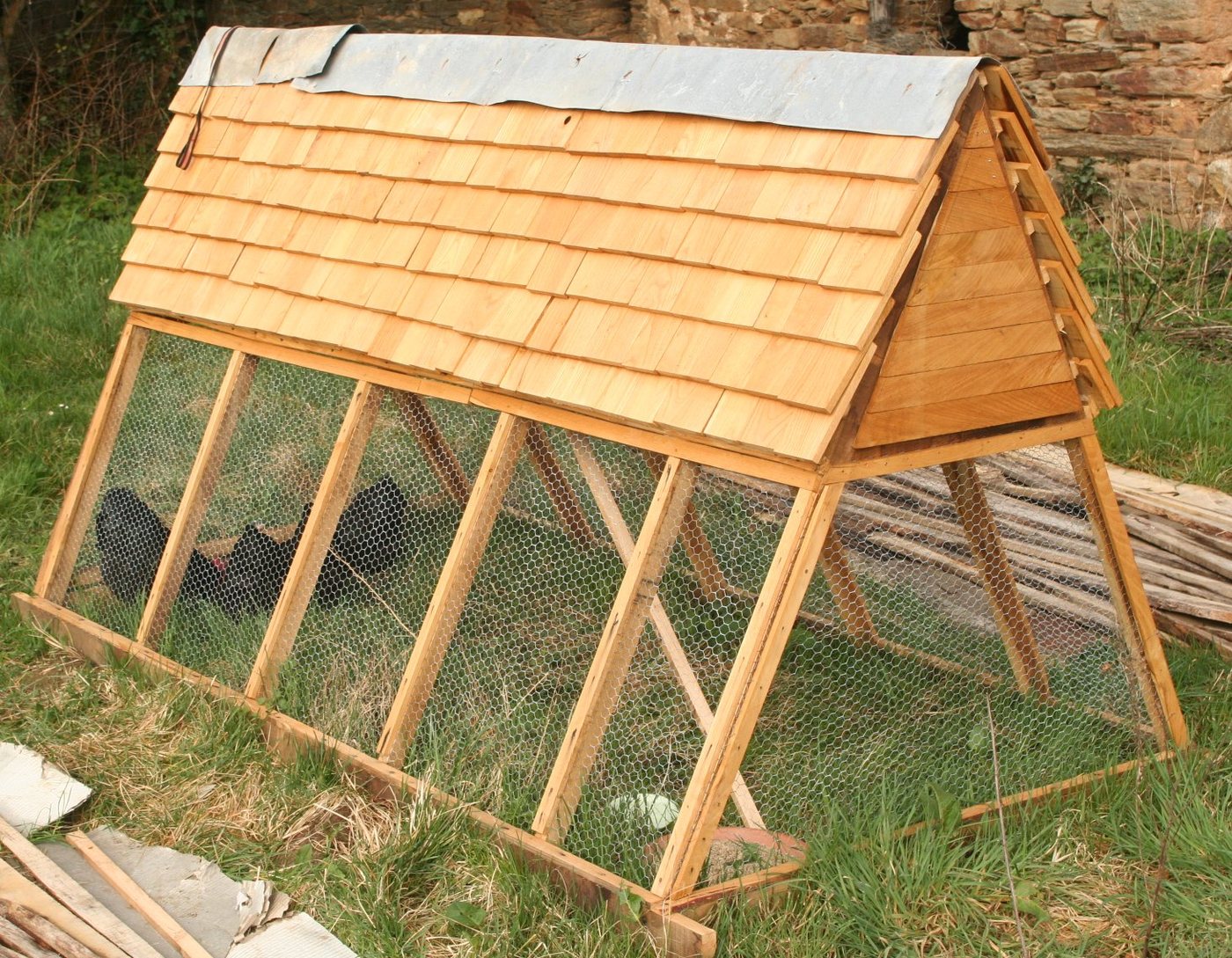
Movable Chicken Tractor
A floorless, lightweight coop you shift daily so birds get fresh forage, the ground gets manured, and nobody has to muck out.
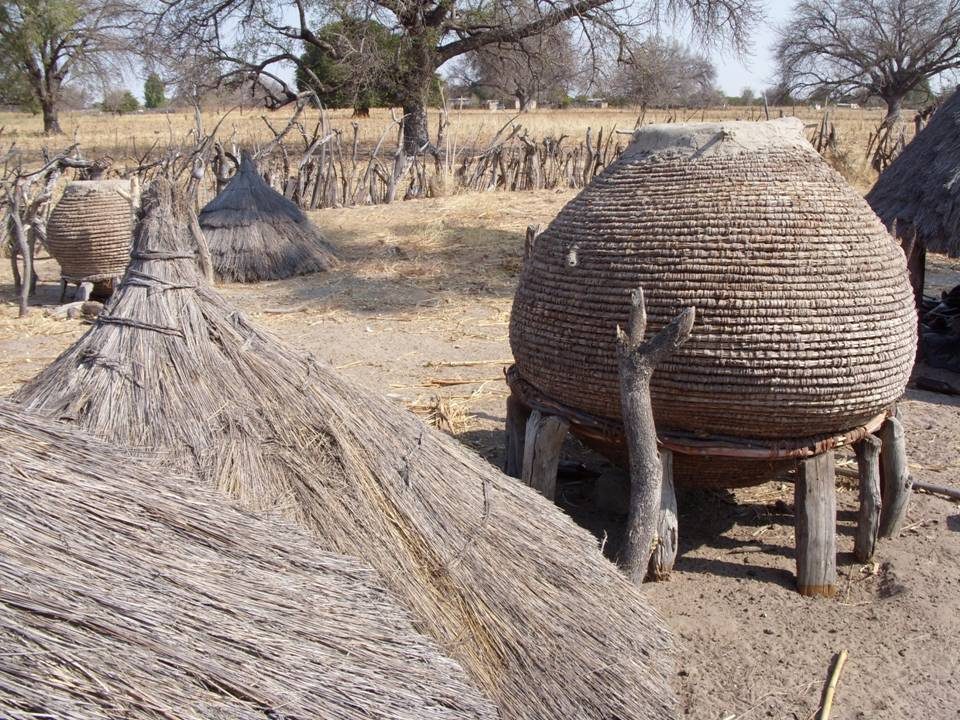
Raised Grain Granary
A woven or mud-plastered grain store raised on rat-guarded legs with a ventilated floor — cuts post-harvest loss without any chemicals.
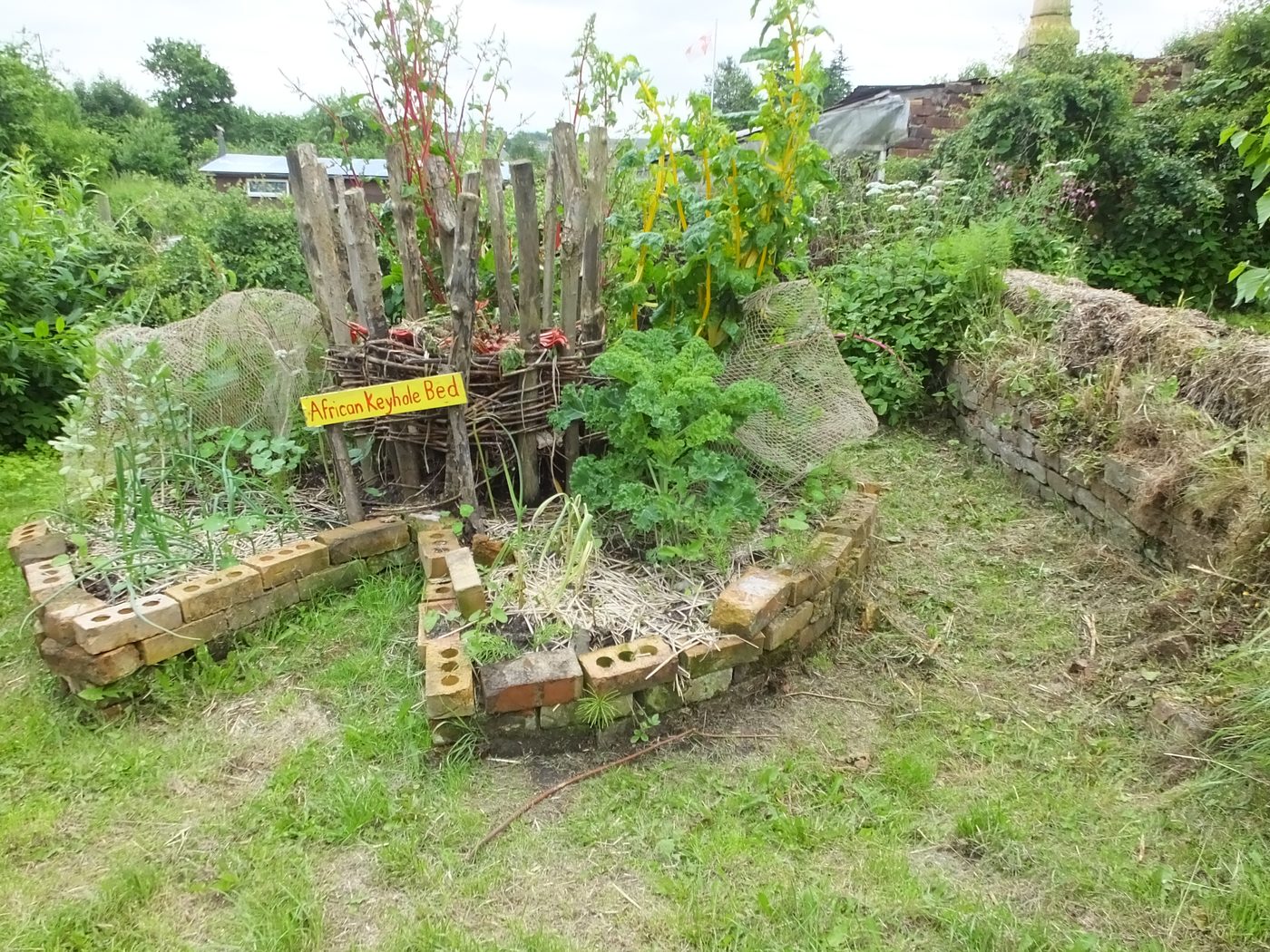
Keyhole Garden with Central Compost Basket
A raised circular bed fed and watered from a compost basket at its centre — high yield on poor soil with very little water.