
Treadle Pump for Smallholder Irrigation
A foot-powered twin-cylinder pump that lifts shallow groundwater or river water for a quarter-hectare plot without any fuel.
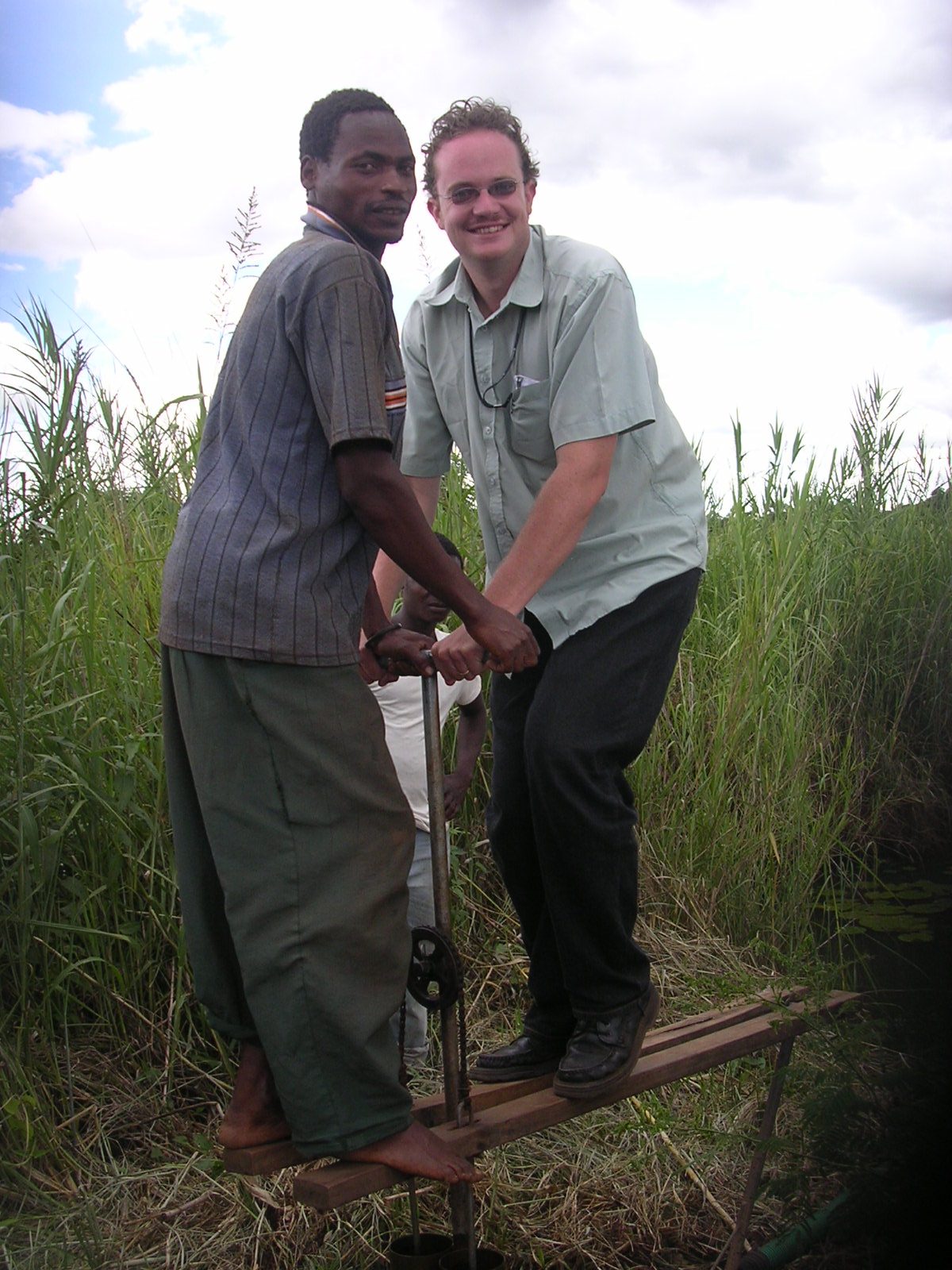
- Estimated cost
- $70 – $180 in materials, or bought locally for around $100
- Skill level
- Advanced
- Time
- 3 – 4 days for a fabricated unit
Not yet verified
No confirmed build with photo proof has been submitted for this plan yet. Built it? Send photos and it earns the badge.
Tools
- Welder and angle grinder
- Drill press or hand drill
- Pipe wrench and spanners
- Hacksaw
- Files
If you don't have it
- No steel cylinders? Use 100 mm PVC pressure pipe with a glued end cap for each cylinder; keep suction under 6 m and expect to replace the leather cup seals yearly.
Materials
- Two steel or PVC cylinders, roughly 100 mm bore and 250 mm stroke
- Pistons with leather or rubber cup seals
- Non-return valves, four in total (inlet and outlet per cylinder)
- Steel frame stock and pivot pins
- Hardwood treadles
- Rope and pulley to link the treadles
- Suction pipe with a foot valve and strainer, and a delivery hose
Dimensions & cut list
A twin-cylinder treadle pump irrigating up to about 0.4 ha from water within 7 m of the surface. These are the reference sizes from Practical Action / Appropedia — scale them to what you have, but keep the ratios.
| Cylinder bore | 100 mm PVCTwo cylinders, side by side |
|---|---|
| Stroke length | 20 cm |
| Treadle length | 1.8 m from pivotLong enough for body weight to do the work rather than leg muscle |
| Pivot height | 60 cm above the standing platform |
| Suction lift limit | 7 mBeyond this no suction pump works — switch to a rope pump |
| Delivery | ≈ 1 litre/second at 3 m lift |
| Foot valve depth | 0.5 m below lowest water level |
Take this list to the yard
- 0.6 m100 mm PVC pipe for cylinders
- Well depth + 2 m50 mm suction pipe
- 2Leather or rubber piston cupsKeep two spares — they are the only wearing part
- 2 × 1.8 mHardwood treadles 5 × 10 cm
- 6 mAngle iron frame 40 × 40 mm
Step by step
Step 1 of 7
Confirm the lift is within range
A suction treadle pump lifts water only about 7 m by suction. Measure from the water surface to the pump before building anything; deeper sources need a pressure treadle pump or a different technology entirely.
Swipe or use arrow keys
1. Confirm the lift is within range
A suction treadle pump lifts water only about 7 m by suction. Measure from the water surface to the pump before building anything; deeper sources need a pressure treadle pump or a different technology entirely.
2. Build the cylinders and pistons
Cut both cylinders to identical length and true up the bores. Turn or cut pistons with leather cup seals that grip on the up-stroke — a good seal is the difference between a working pump and a leg exerciser.
3. Fit the four valves
Each cylinder needs an inlet valve at the base and an outlet valve on the delivery side. Use flap valves cut from tyre rubber on a machined seat; they are field-repairable, which matters more than efficiency.
4. Weld the frame and hang the treadles
Set the pivot so a normal person's step gives the full stroke without over-travel. Treadle length and pivot position decide whether the pump is comfortable for an eight-hour day.
5. Link the treadles
Run a rope over a pulley between the treadle ends so one rises as the other falls. This alternating action is what gives a steady flow rather than surging.
6. Install suction line and prime
Fit a foot valve and strainer at the water end, keep the suction line as short and airtight as possible, prime the cylinders, and start pumping slowly. Any air leak in the suction line and the pump will not lift.
7. Connect to the field
Feed a lay-flat hose to furrows, basins or a header drum for drip lines. A header drum smooths the flow and lets you rest without losing pressure in the lines.
Why mine failed
The ways this build usually goes wrong, and what fixes it.
Loses suction every time you stop
CauseFoot valve leaking or the suction line is drawing air at a joint
FixFill the suction line and watch the level. Reseat the foot valve and solvent-weld every joint on the suction side — a joint that only seals under pressure will not seal under vacuum.
Barely any water although the pump works smoothly
CauseWater table deeper than 7 m
FixNo suction pump can lift beyond about 7 m. Sink the pump closer to the water in a pit, or change to a rope pump.
Piston cups wear out in weeks
CauseSilty water, or a rough cylinder bore
FixWrap the foot valve in cloth as a pre-filter and sand the bore smooth. Carry two spare cups; they are the intended wearing part.
Safety notes
- Guard the treadle pivots and rope pulley — trapped toes and fingers are the usual injury.
- Set the pump on firm, level ground with a handrail or grab pole; treadling on wet mud at a river edge is how people fall in.
- Do not irrigate food crops with untreated wastewater, and keep the intake upstream of animal watering points.
Source & attribution
This plan is our build-step write-up of work documented by Practical Action / Appropedia. The original design and documentation belong to them — go read the source before you build.
Treadle pump design and irrigation useLocal adaptations
What builders changed to make this work where they live.
Chisomo B. · Salima, Malawi
We bolted the frame to a plank sled so two of us can drag it back from the river when the water drops in October.
Build this alongside
Plans that use the same materials or serve the same need.
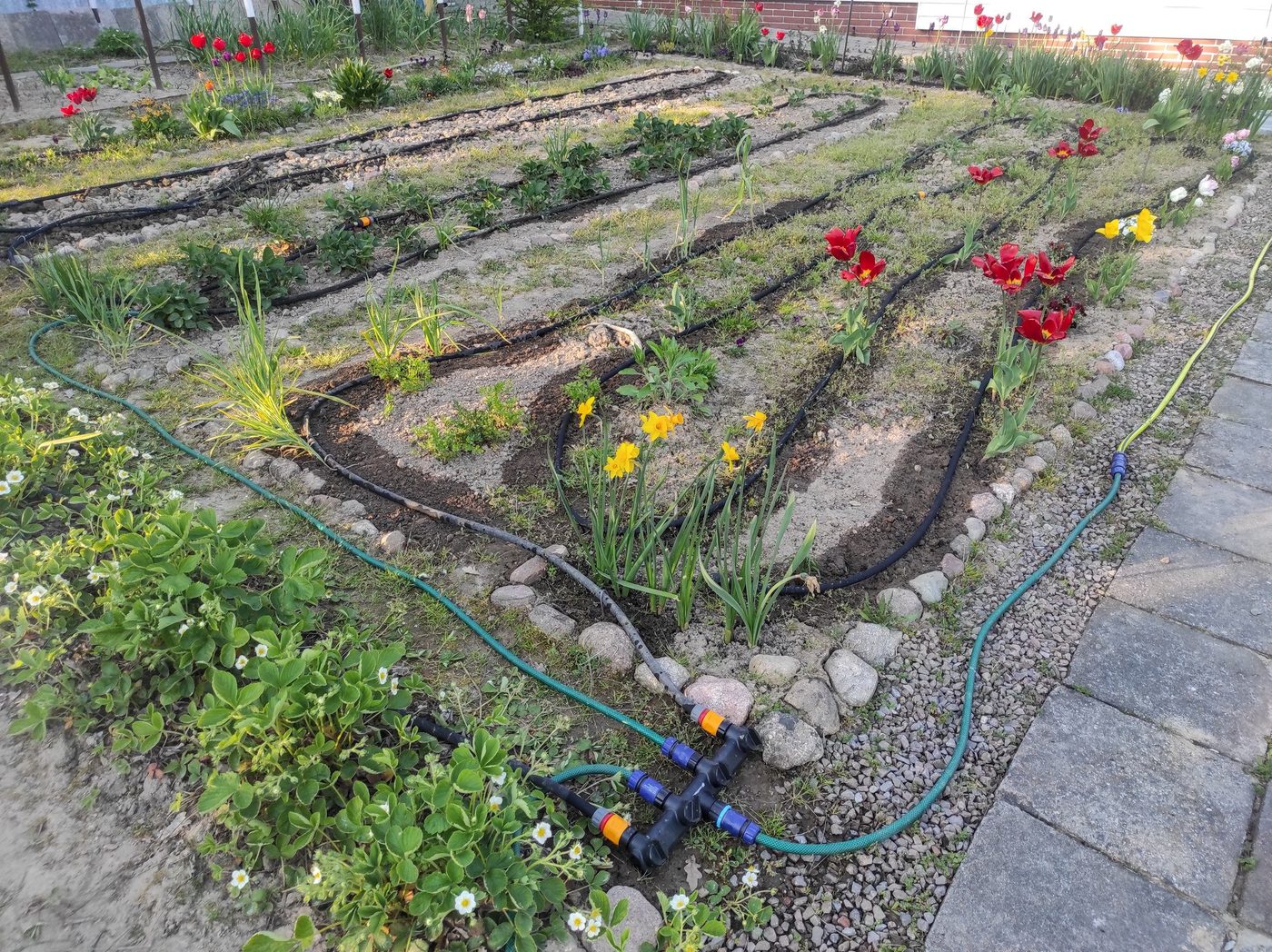
Gravity Drip Irrigation from a Raised Barrel
A 200 L drum on a stand feeds drip lines by gravity alone, cutting garden water use by around 60% with no pump.
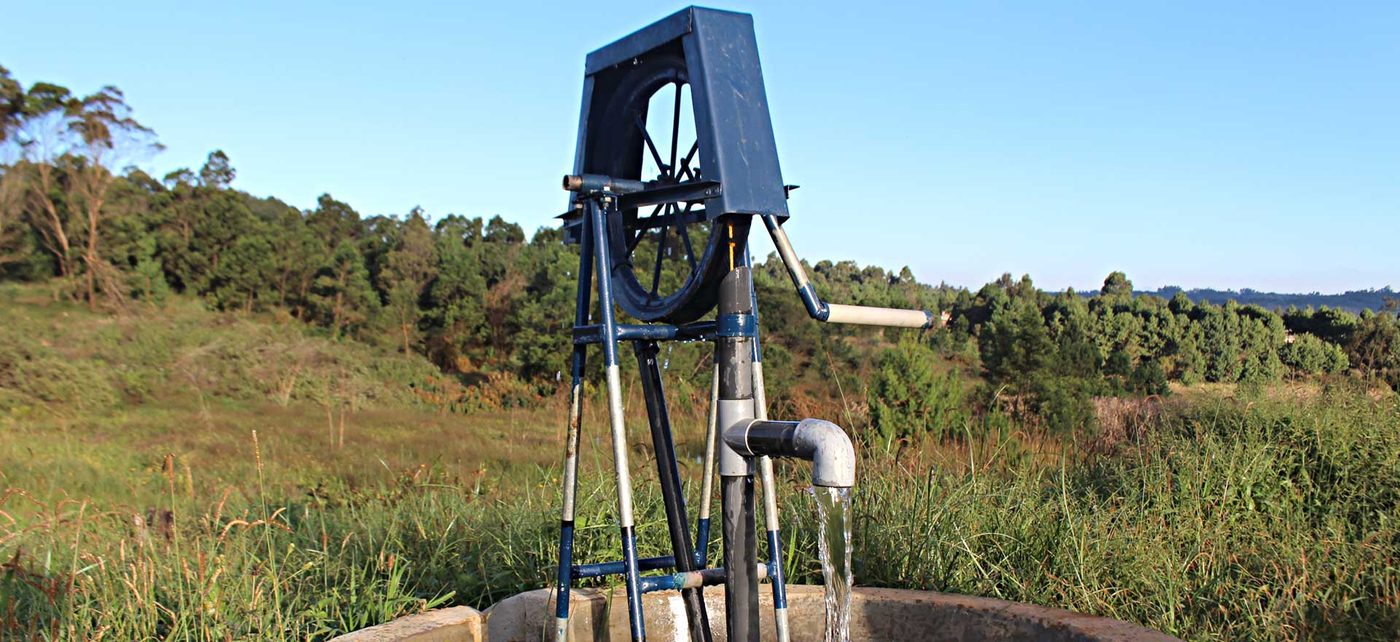
Rope-and-Washer Pump
A hand-cranked loop of rope with rubber washers that lifts water up to about 35 metres, built almost entirely from salvage.
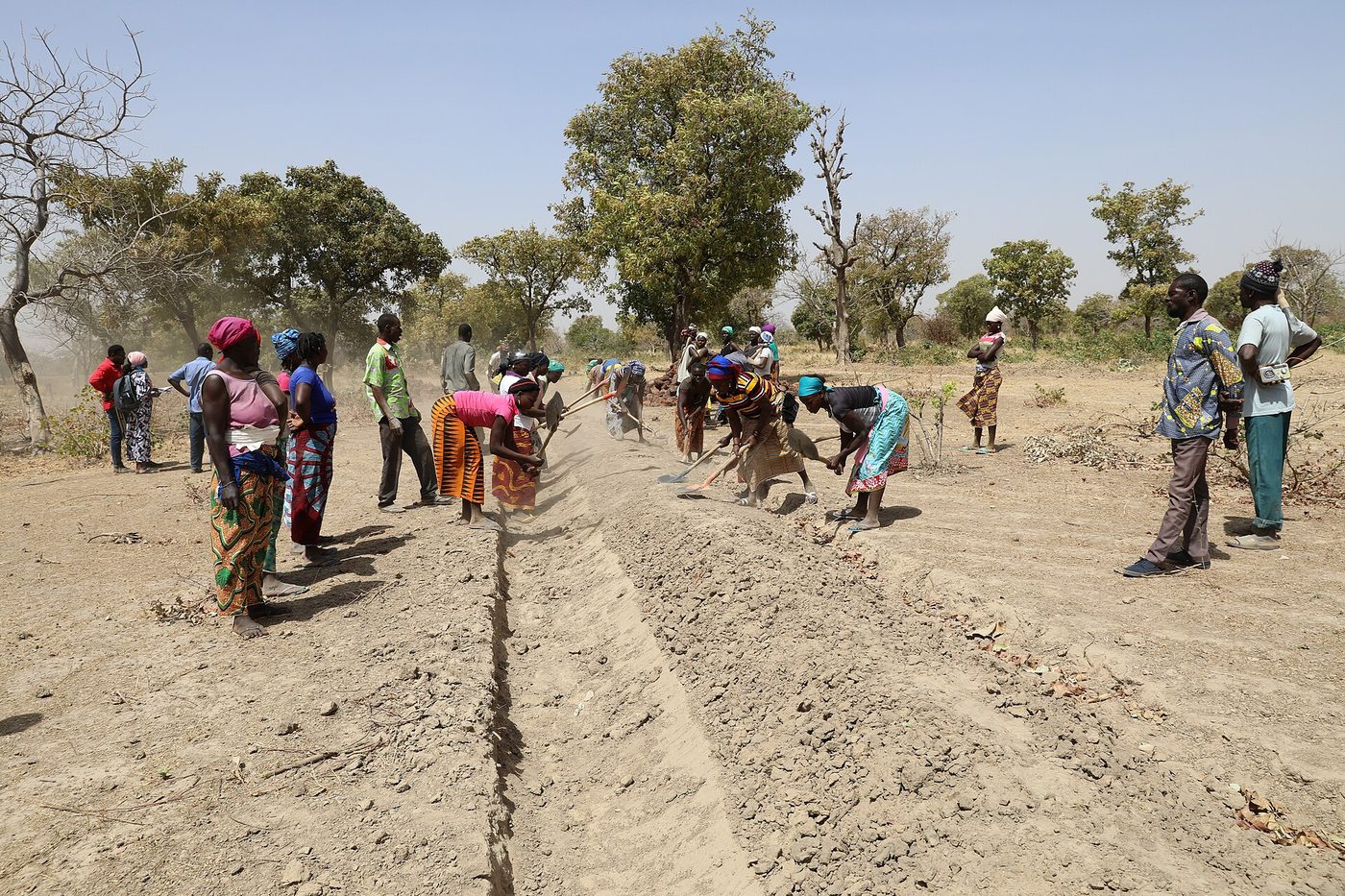
Zai Pits and Stone Contour Bunds
Hand-dug planting pits and stone lines along the contour that catch runoff and rebuild crusted, degraded soil into cropland.