
Zai Pits and Stone Contour Bunds
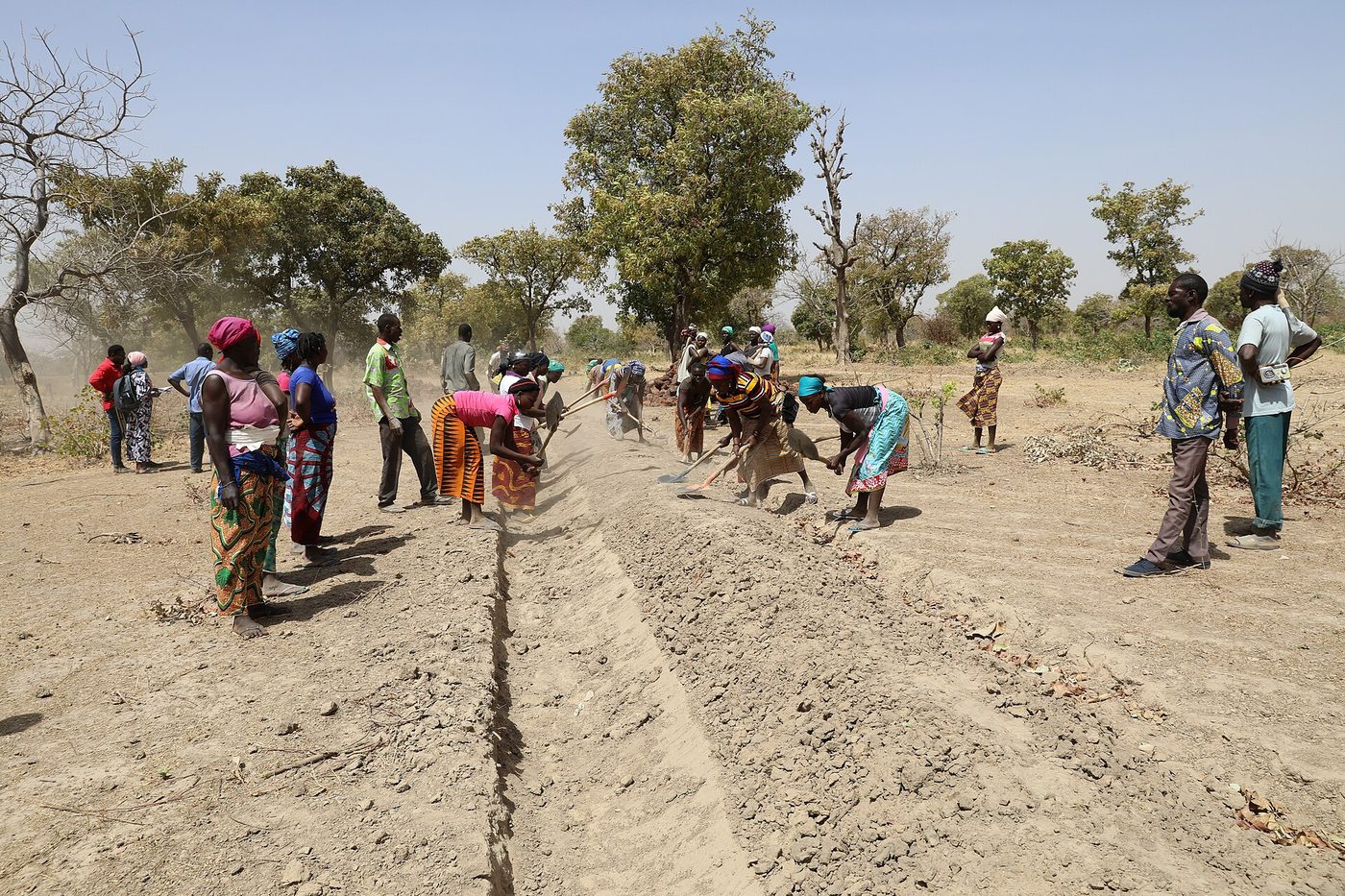
Hand-dug planting pits and stone lines along the contour that catch runoff and rebuild crusted, degraded soil into cropland.
- Estimated cost
- Under $20 — an A-frame level and hand tools
- Skill level
- Beginner
- Time
- Dry-season work: roughly 60 – 100 pits per person per day
Why this is a Verified Build
Photo-verified across three fields near Ouahigouya, Burkina Faso (2025), with before-and-after images through two seasons and yields recovered on ground abandoned as barren.
Tools
- Hoe or pickaxe
- Home-made A-frame level (three sticks, string and a stone)
- Wheelbarrow or head basket for stone
- Measuring string
Short a tool or material? Builders below have often swapped something local in — read Local adaptations before you buy anything.
Materials
Dimensions & cut list
Zai planting pits combined with stone contour bunds on 0.5 ha of degraded cropland. These are the reference sizes from Appropedia / Practical Action — scale them to what you have, but keep the ratios.
| Zai pit diameter | 300 mm |
|---|---|
| Zai pit depth | 150–200 mm |
| Pit spacing | 800 mm × 800 mm (≈ 15,000 pits per ha) |
| Manure per pit | ≈ 0.6 kg of compost or manureThe manure concentrates fertility exactly where the roots are — this is the whole idea |
| Excavated soil | Piled as a crescent on the downslope side of each pit |
| Bund spacing | Every 20–25 m on a 2% slope, closer on steeper ground |
| Bund cross-section | 400 mm high × 600 mm base, keyed 100 mm into the ground |
| Bund setting out | On the true contour with a line level or A-frameA bund off-contour channels water and cuts a gully |
Take this list to the yard
- 1 per workerHand hoe / pickaxe
- ≈ 9 tonnes per haCompost or manure
- ≈ 0.3 m³ per linear metreStone for bunds
- 1A-frame or line level
- As availableGrass or vetiver for bund facesPlanting the bund is what stops it being washed apart
Step by step
Step 1 of 7
Build an A-frame level
Lash three sticks into an A, hang a stone on a string from the apex, and mark the balance point on the crossbar on level ground. This costs nothing and is the only tool you need to find a true contour.
Swipe or use arrow keys
1. Build an A-frame level
Lash three sticks into an A, hang a stone on a string from the apex, and mark the balance point on the crossbar on level ground. This costs nothing and is the only tool you need to find a true contour.
2. Mark the contour lines
Walk the A-frame across the slope, pegging each point where the string hits the mark. Follow the marks — not a straight line across the field. A bund off contour concentrates water and cuts a gully.
3. Lay the stone bunds
Build lines of stone along the contour, 200 – 300 mm high and 300 – 400 mm wide, keyed slightly into a shallow trench. They slow runoff instead of blocking it, so water spreads and soaks in while silt builds up behind.
4. Dig the zai pits
Between bunds, dig pits about 200 – 300 mm across and 100 – 150 mm deep, spaced roughly 800 mm apart, and pile the spoil as a crescent ridge on the downhill side to catch water.
5. Charge each pit with manure
Put two handfuls of well-rotted manure or compost in each pit before the rains. Termites are drawn to it and tunnel through the hardpan, which is how the crust actually breaks open.
6. Sow with the first real rain
Sow into the pit once the rains are established, not on the first shower. Each pit concentrates water and nutrients on the plants instead of the whole field.
7. Maintain and extend each year
Reopen pits and top up manure each dry season, repair bunds after heavy storms, and extend upslope year by year. Plant grass or trees along bund lines to lock them in permanently.
Why mine failed
The ways this build usually goes wrong, and what fixes it.
A bund has caused a gully rather than stopping one
CauseBund set off the true contour, so water runs along it and concentrates
FixSet out every bund with an A-frame or line level and check it end to end before building. Tie the ends slightly upslope so overflow spreads.
Crops in the pits do no better than the rest of the field
CauseNo manure in the pits
FixPut roughly 0.6 kg of compost or manure in every pit. Zai works by concentrating fertility and water in the pit, not by digging alone.
Pits fill with silt and disappear in the first storms
CauseBare soil upslope and no crescent
FixPile the excavated soil as a crescent on the downslope side of each pit, mulch between pits, and keep bunds spaced every 20–25 m.
Waterlogged pits drown the seedlings
CausePits on flat, heavy clay ground
FixZai suits sloping, crusted, free-draining soils. On heavy flat land use ridges and furrows instead.
Stone bunds are washed apart in a year
CauseNot keyed in or planted
FixKey the bund 100 mm into the ground, pack the face with smaller stones, and plant grass or vetiver along it so roots bind it permanently.
Safety notes
- Off-contour bunds channel water and cause gullies. Always level with the A-frame; never eyeball the line.
- Stone carrying causes back and foot injuries — work in teams, use barrows, and wear closed shoes.
- Do not dig pits on steep slopes above about 5% without proper terracing advice.
Source & attribution
This plan is our build-step write-up of work documented by Appropedia / Practical Action. The original design and documentation belong to them — go read the source before you build.
Zai pits and stone bund water harvestingLocal adaptations
What builders changed to make this work where they live.
Rasmata O. · Ouahigouya, Burkina Faso
We plant andropogon grass right behind the stone lines. After three seasons the grass holds the silt and the bund almost maintains itself.
Build this alongside
Plans that use the same materials or serve the same need.
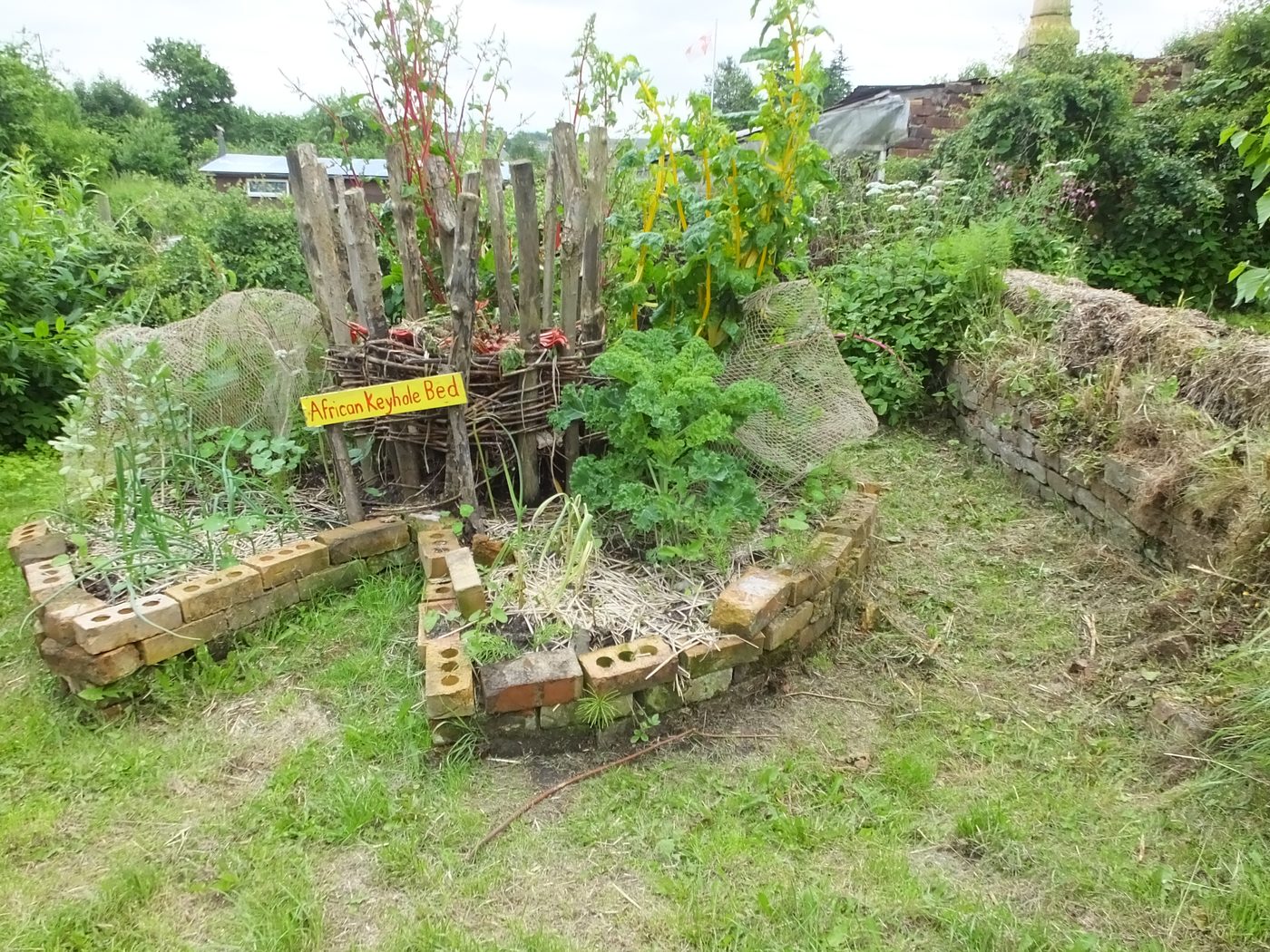
Keyhole Garden with Central Compost Basket
A raised circular bed fed and watered from a compost basket at its centre — high yield on poor soil with very little water.
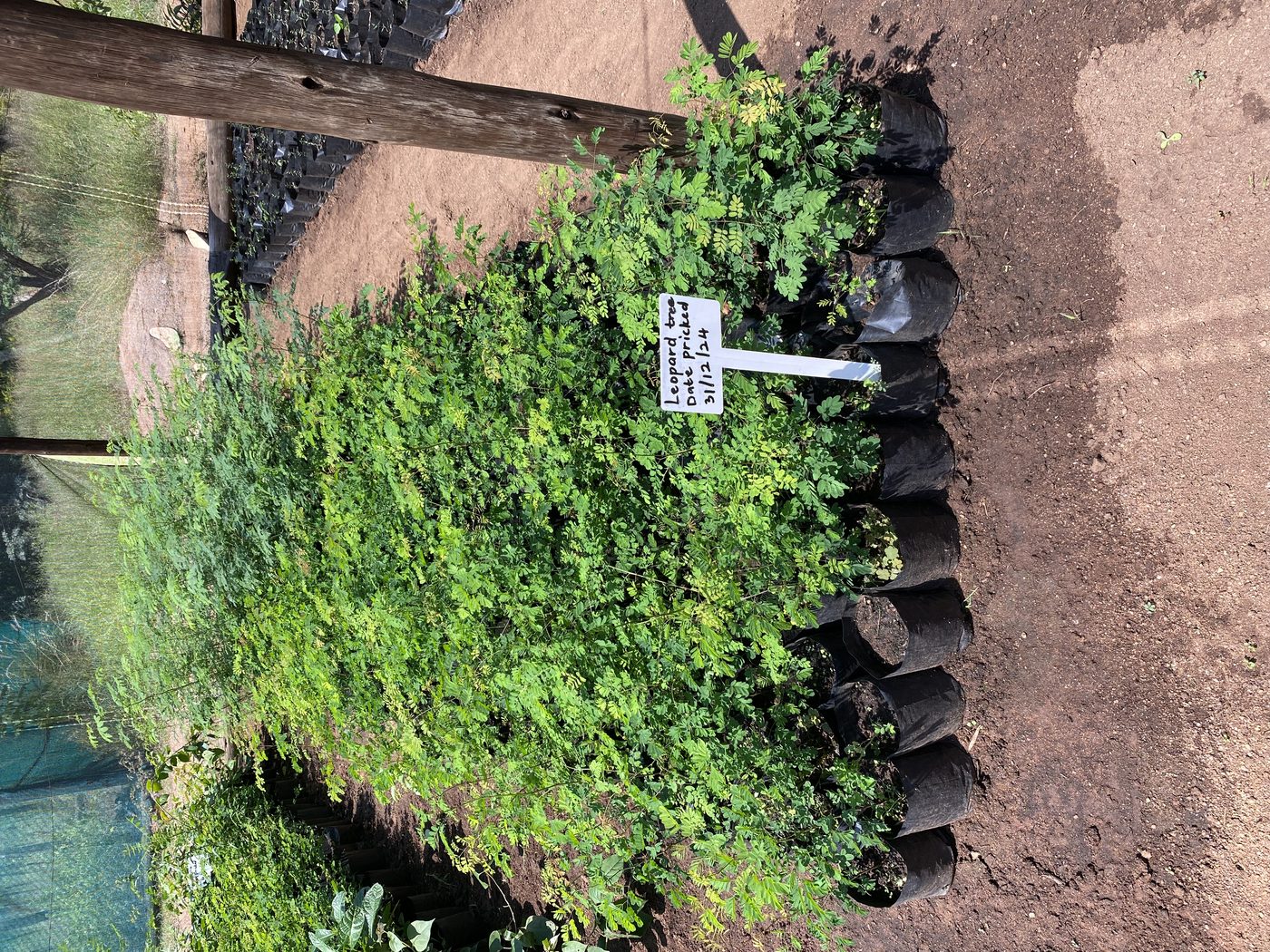
Village Tree Nursery
Raise fruit, fodder and timber seedlings in polythene tubes under a shade frame — thousands of trees a year from a plot the size of a room.
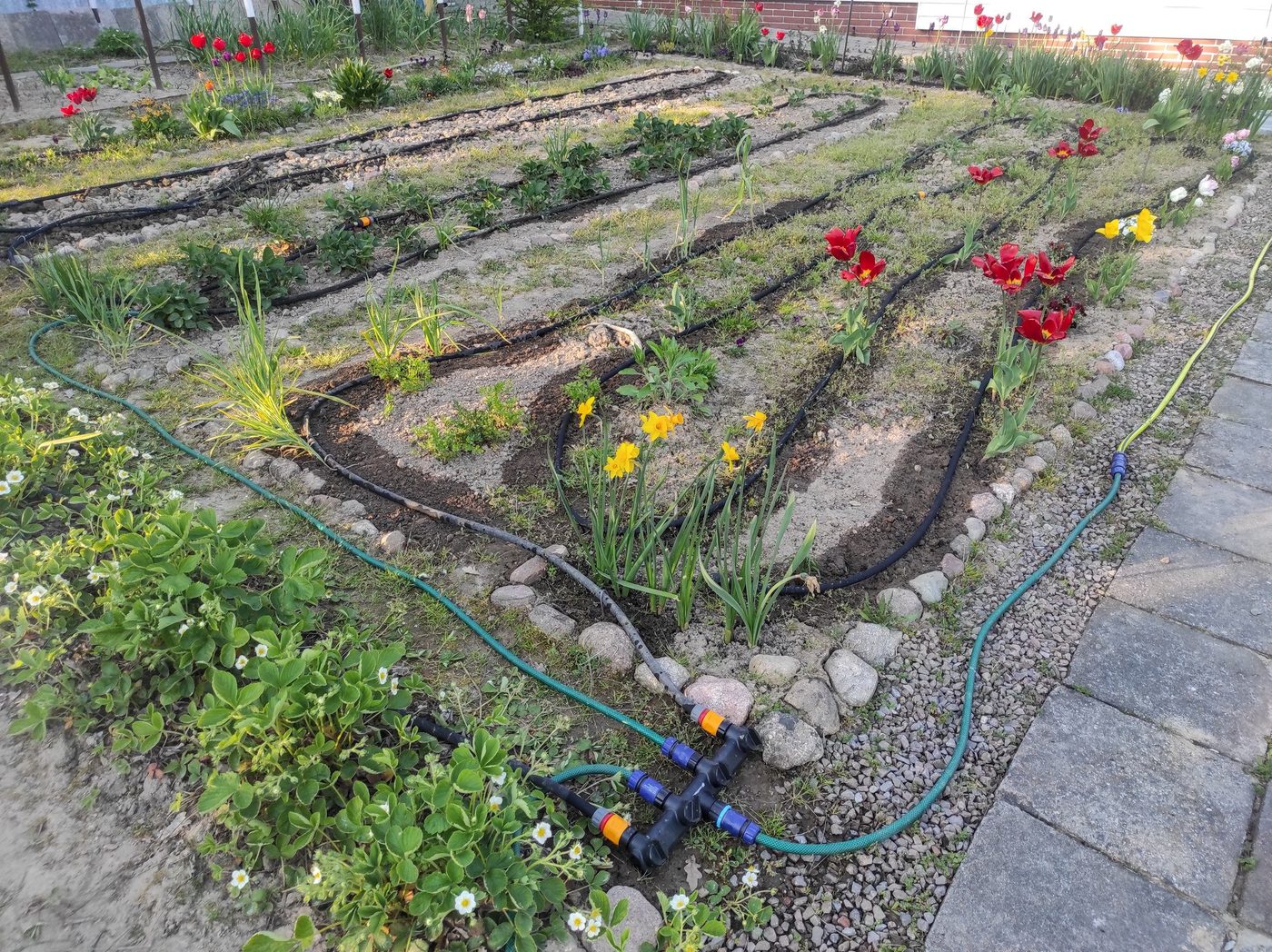
Gravity Drip Irrigation from a Raised Barrel
A 200 L drum on a stand feeds drip lines by gravity alone, cutting garden water use by around 60% with no pump.