
Village Tree Nursery
Raise fruit, fodder and timber seedlings in polythene tubes under a shade frame — thousands of trees a year from a plot the size of a room.
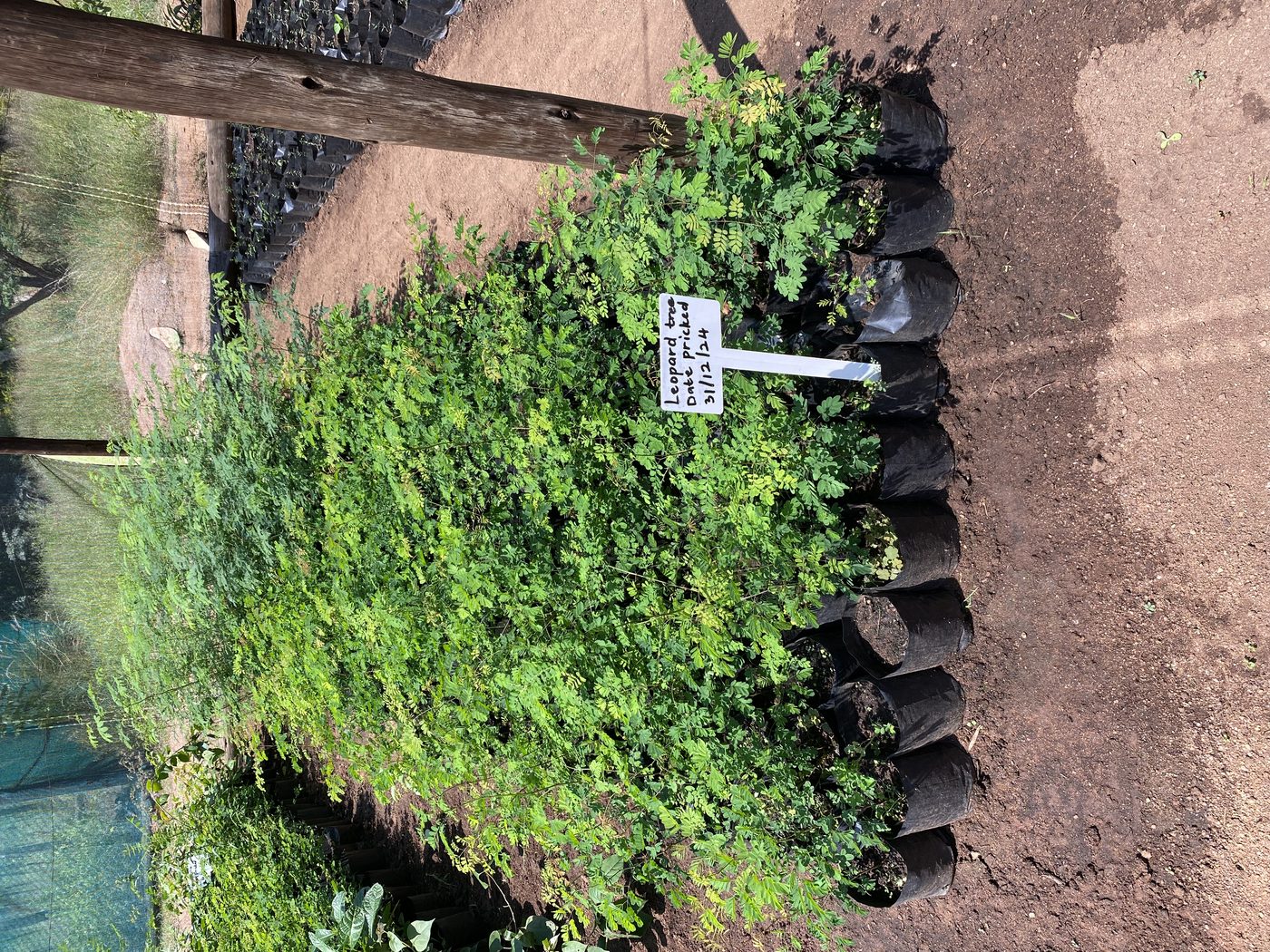
- Estimated cost
- $40 – $120 for tubes, shade net and watering kit
- Skill level
- Beginner
- Time
- 1 week to set up, 3 – 9 months per seedling batch
Not yet verified
No confirmed build with photo proof has been submitted for this plan yet. Built it? Send photos and it earns the badge.
Tools
- Hoe and rake
- Sieve for potting mix
- Watering can with fine rose
- Secateurs
- Grafting knife (optional)
Short a tool or material? Builders below have often swapped something local in — read Local adaptations before you buy anything.
Materials
- Polythene planting tubes, 100 × 200 mm, perforated
- Potting mix: 3 parts topsoil, 1 part compost, 1 part sand
- Shade netting or palm-frond shade frame
- Seed of local fruit, fodder and timber species
- Timber for germination beds and a shade frame
Dimensions & cut list
A community tree nursery raising 5,000 seedlings a season in polytubes. These are the reference sizes from Appropedia / agroforestry nursery extension guides — scale them to what you have, but keep the ratios.
| Nursery area | ≈ 150 m² including paths and beds |
|---|---|
| Polytube size | 100 × 150 mm layflat, 100 gauge, drainage holes punched |
| Potting mix | 3 forest topsoil : 1 compost : 1 sand |
| Bed layout | 1 m wide beds, 500 mm paths, 200 seedlings per m² |
| Shade | 50% shade net for the first 6–8 weeks |
| Watering | Twice a day early on, then once, then reducing |
| Root pruning | Shift tubes and cut through roots at 8 weeksRoots into the ground make an unliftable, deformed seedling |
| Ready to plant out | 300–400 mm tall, hardened off 2 weeks, timed for the first rains |
Take this list to the yard
- 5,000Polytubes
- ≈ 6 m³ totalScreened topsoil, compost and sand
- 60 m²Shade net and frame
- As per germination rateSeed of chosen speciesSow 30% more than your target — nothing germinates 100%
- 4Watering cans and a water source
- 1 setGermination beds and sieve
Step by step
Step 1 of 6
Site near water and shade
A nursery lives or dies by watering. Site it within carrying distance of reliable water, on level, well-drained ground with morning sun.
Swipe or use arrow keys
1. Site near water and shade
A nursery lives or dies by watering. Site it within carrying distance of reliable water, on level, well-drained ground with morning sun.
2. Build germination beds and a shade frame
Raised sand-filled seedbeds for germination, and a frame giving about 50% shade over the tubes. Reduce the shade as seedlings harden off.
3. Mix and fill tubes properly
Sieve the mix, fill tubes fully and tap them down — half-filled or air-pocketed tubes give twisted roots and weak seedlings.
4. Pre-treat and sow seed
Hard-coated seeds (acacia, leucaena) need scarifying or a hot-water soak. Sow in beds, then prick out at the two-leaf stage into tubes.
5. Root-prune and water on schedule
Shift and turn tubes every few weeks to break roots escaping into the ground. Water deeply in the early morning rather than lightly at midday.
6. Harden off before planting out
Four weeks before the rains, remove shade and cut watering back to build hardy stems. Plant out at the start of a reliable rainy spell.
Why mine failed
The ways this build usually goes wrong, and what fixes it.
Seedlings cannot be lifted without tearing
CauseRoots grown through the tube into the ground
FixStand tubes on a hard or gravel bed, and shift and root-prune at eight weeks. A root-anchored seedling is a dead seedling once moved.
Poor germination across a whole bed
CauseHard seed coat or wrong sowing depth
FixPre-treat by species — nick, soak or hot-water treat hard seed — and sow no deeper than twice the seed's diameter. Sow 30% extra as insurance.
Seedlings die soon after planting out
CausePlanted at the wrong time or not hardened off
FixTime everything to the first reliable rains and harden off for two weeks. Nursery timing, not nursery care, is what most often decides survival.
Roots spiral and coil in the tube
CauseKept in the tube too long
FixPlant out at 300–400 mm tall. An over-held seedling with a coiled root never grows into a stable tree.
Safety notes
- Handle any seed dressing or fungicide with gloves, and keep treated seed away from food and children.
- Do not collect seed or seedlings from protected land; work with local forestry extension.
- Avoid invasive species — check with extension officers before propagating anything not already common locally.
- Waterlogged nursery beds breed mosquitoes; keep drainage clear.
Source & attribution
This plan is our build-step write-up of work documented by Appropedia / agroforestry nursery extension guides. The original design and documentation belong to them — go read the source before you build.
Tree nurseryLocal adaptations
What builders changed to make this work where they live.
- No adaptations shared yet for this plan.
Build this alongside
Plans that use the same materials or serve the same need.
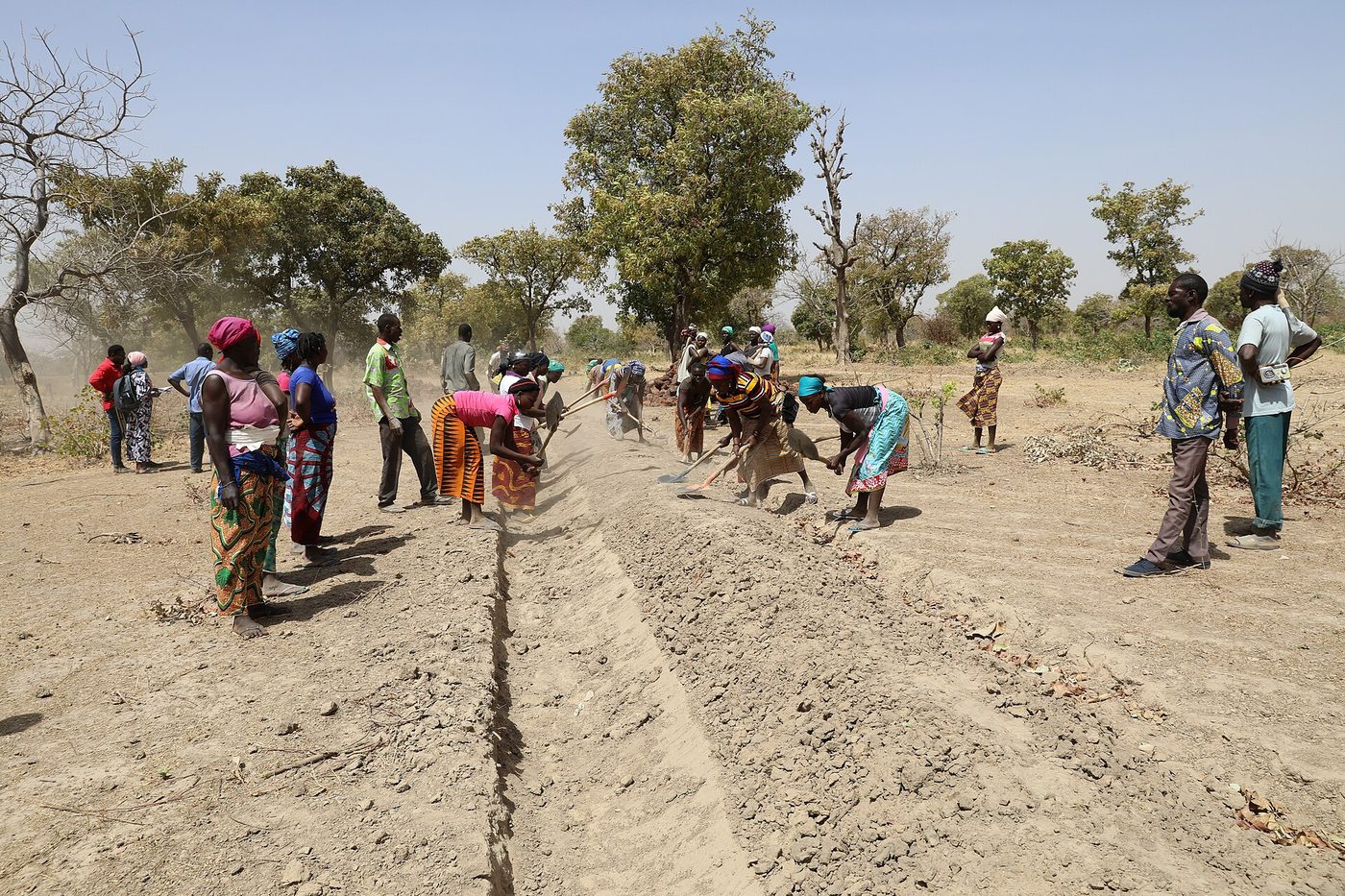
Zai Pits and Stone Contour Bunds
Hand-dug planting pits and stone lines along the contour that catch runoff and rebuild crusted, degraded soil into cropland.
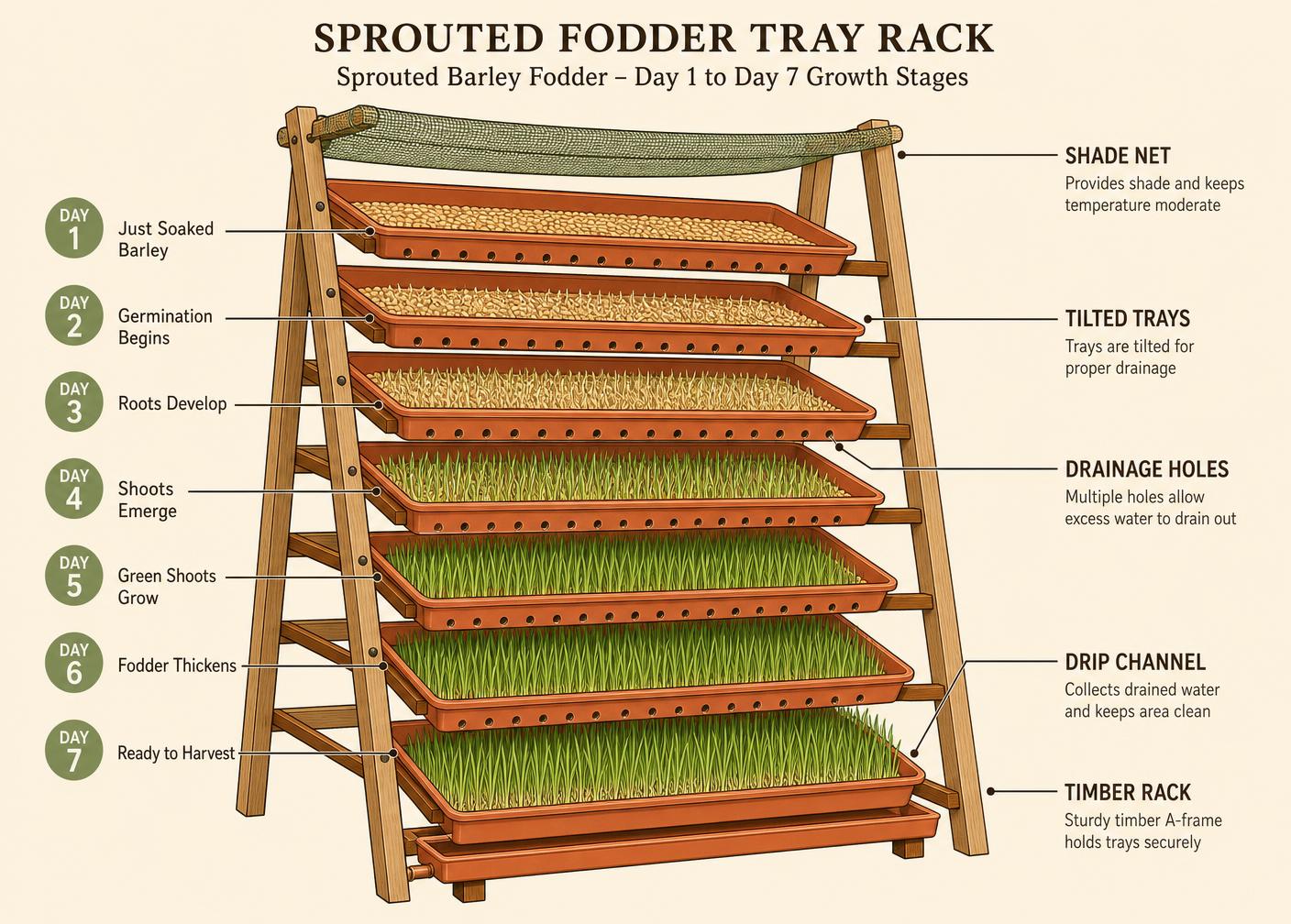 Diagram
Sprouted Fodder Trays
Sprout barley or maize on stacked trays and turn one kilo of grain into six to eight kilos of green fodder in a week — dry-season feed without a pasture.
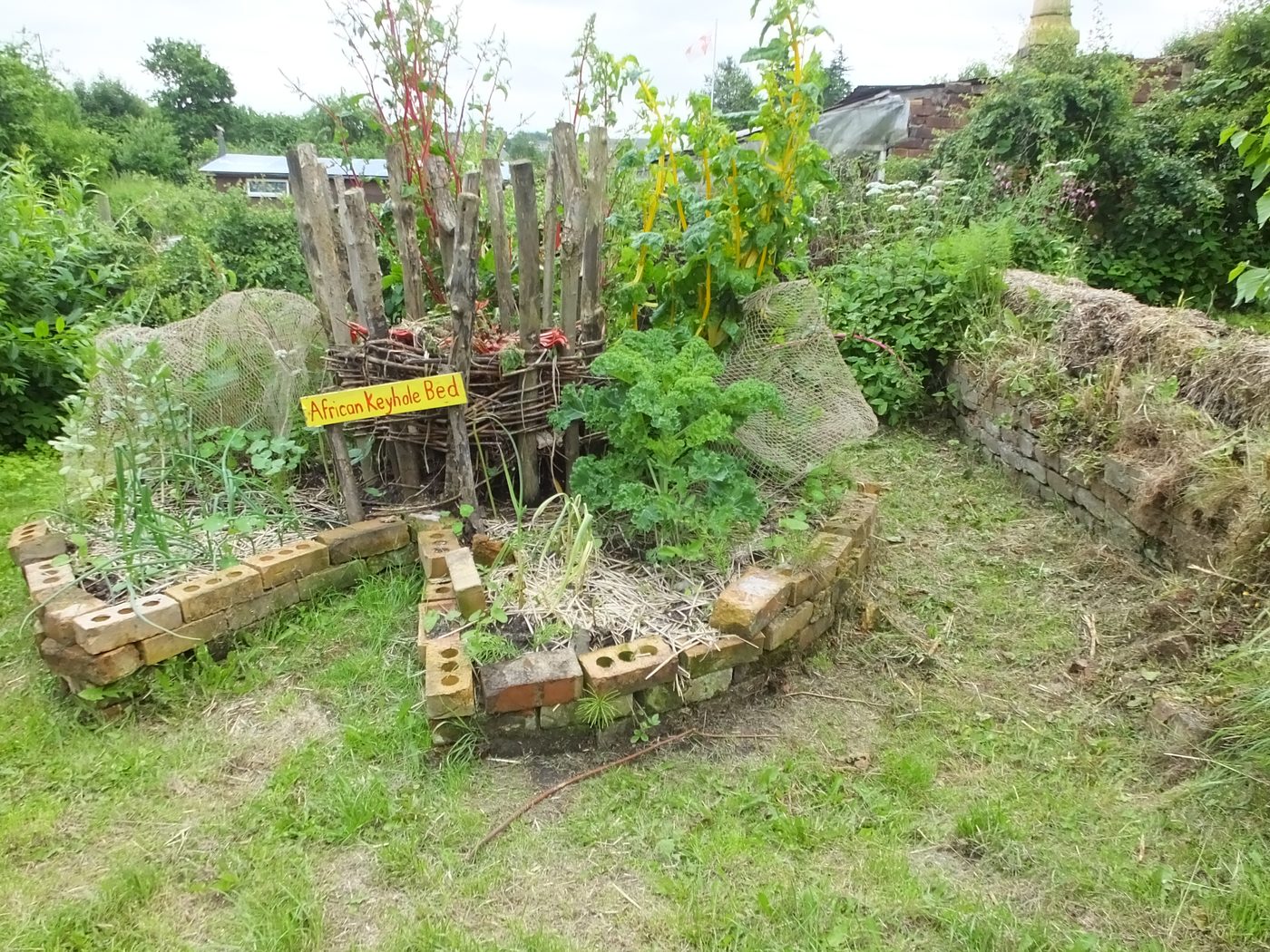
Keyhole Garden with Central Compost Basket
A raised circular bed fed and watered from a compost basket at its centre — high yield on poor soil with very little water.