
Shade Net Nursery Tunnel
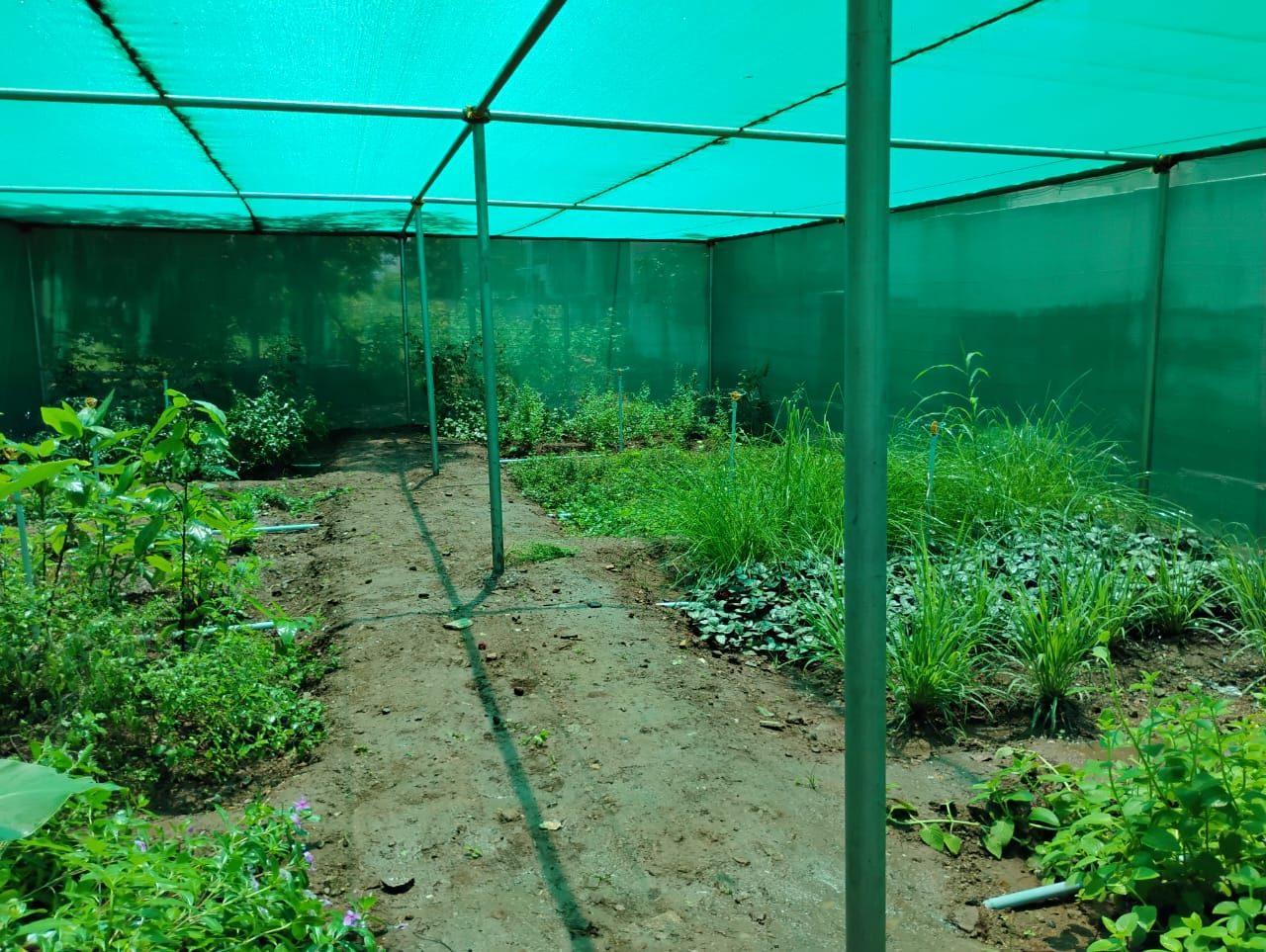
A hooped shade tunnel that keeps seedlings alive through the hot months — the difference between a nursery that supplies a village and one that cooks in April.
- Estimated cost
- $30 – $120 for netting, poles and wire
- Skill level
- Beginner
- Time
- 1 – 2 days
Not yet verified
No confirmed build with photo proof has been submitted for this plan yet. Built it? Send photos and it earns the badge.
Tools
- Panga
- Saw
- Pliers
- Spade
- Measuring tape
Short a tool or material? Builders below have often swapped something local in — read Local adaptations before you buy anything.
Materials
Dimensions & cut list
A hooped shade tunnel over a 10 m² seedling nursery bed. These are the reference sizes from Appropedia — scale them to what you have, but keep the ratios.
| Tunnel size | 5 × 2 m, 1.2 m high at the ridge |
|---|---|
| Hoop spacing | 1 m centres |
| Hoops | Bent bamboo or 20 mm PVC conduit |
| Shade net density | 40–50%Denser net gives leggy weak seedlings |
| Net anchoring | Buried 150 mm along both sides, or weighted with a sand tube |
| Bed size inside | 1 m wide beds with a 400 mm path |
| Bed edge | 150 mm timber or brick to hold the medium |
| Hardening off | Roll the net back progressively over the last 7–10 days before transplanting |
Take this list to the yard
- 6Bamboo or PVC hoops
- 20 m²Shade net, 40–50%
- 5 mRidge pole
- As neededSeedling trays or banana-leaf pots
- 0.3 m³Nursery medium: 2 topsoil : 1 compost : 1 sand
- 1Watering can with fine rose
Step by step
Step 1 of 6
Orient east–west
Run the tunnel's long axis east to west so the netting shades through the harsh middle of the day and lets in gentler morning light.
Swipe or use arrow keys
1. Orient east–west
Run the tunnel's long axis east to west so the netting shades through the harsh middle of the day and lets in gentler morning light.
2. Set hoops on a grid
Sink hoop ends 300 mm into the ground at 1 – 1.5 m spacing, all the same height. Tie a ridge pole along the top to stop them folding sideways.
3. Choose shade by crop
Around 30 – 40% shade suits vegetable seedlings; 50% or more suits tree seedlings and cuttings. Too much shade gives leggy, weak plants that die on transplanting.
4. Fix netting with slack, not tension
Tie the net over the hoops with a little slack and generous overhang at the ends. Drum-tight netting tears at the first storm.
5. Raise the beds inside
Build beds or benches 200 – 300 mm up with good drainage. Waterlogged nursery beds bring damping-off faster than any pest.
6. Harden off before planting out
Two weeks before transplanting, roll back the netting for progressively longer each day so seedlings adapt to full sun.
Why mine failed
The ways this build usually goes wrong, and what fixes it.
Seedlings are tall, pale and floppy
CauseToo much shade
FixUse 40–50% net, not 80%, and start rolling it back progressively from two weeks before transplanting.
Seedlings collapse at the stem base
CauseDamping off from overwatering and poor airflow
FixWater in the morning only, open the tunnel ends for airflow, and use a free-draining medium with sand in it. Remove affected seedlings immediately.
Net tears off in the first storm
CauseNot anchored
FixBury the edges 150 mm along both sides or weight them with sand tubes, and tie the net over the ridge pole at every hoop.
Transplants die in the field
CauseNot hardened off
FixGive them 7–10 days of increasing sun and reduced watering before lifting, and transplant in the evening or on a cloudy day.
Safety notes
- Cap protruding pole ends — eye injuries in low tunnels are common.
- Guy the end frames; a shade tunnel behaves like a sail in a squall.
- Store any seed treatment chemicals well away from the nursery beds.
Source & attribution
This plan is our build-step write-up of work documented by Appropedia. The original design and documentation belong to them — go read the source before you build.
Tree and vegetable nursery constructionLocal adaptations
What builders changed to make this work where they live.
- No adaptations shared yet for this plan.
Build this alongside
Plans that use the same materials or serve the same need.
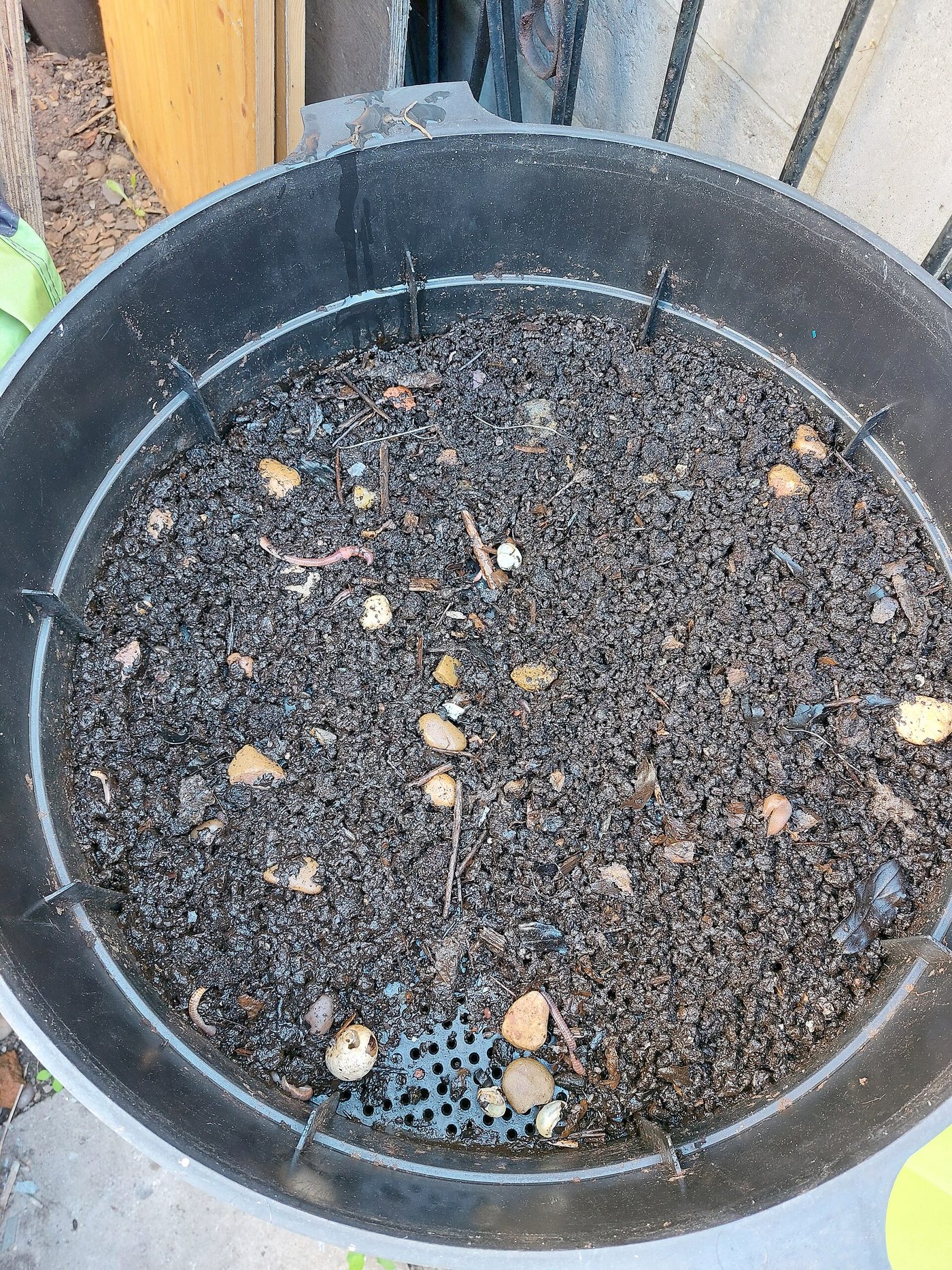
Vermicompost Bin from Stacked Crates
A shaded worm bin that turns kitchen scraps into high-value castings and liquid feed, using stacked crates and a drain tap.
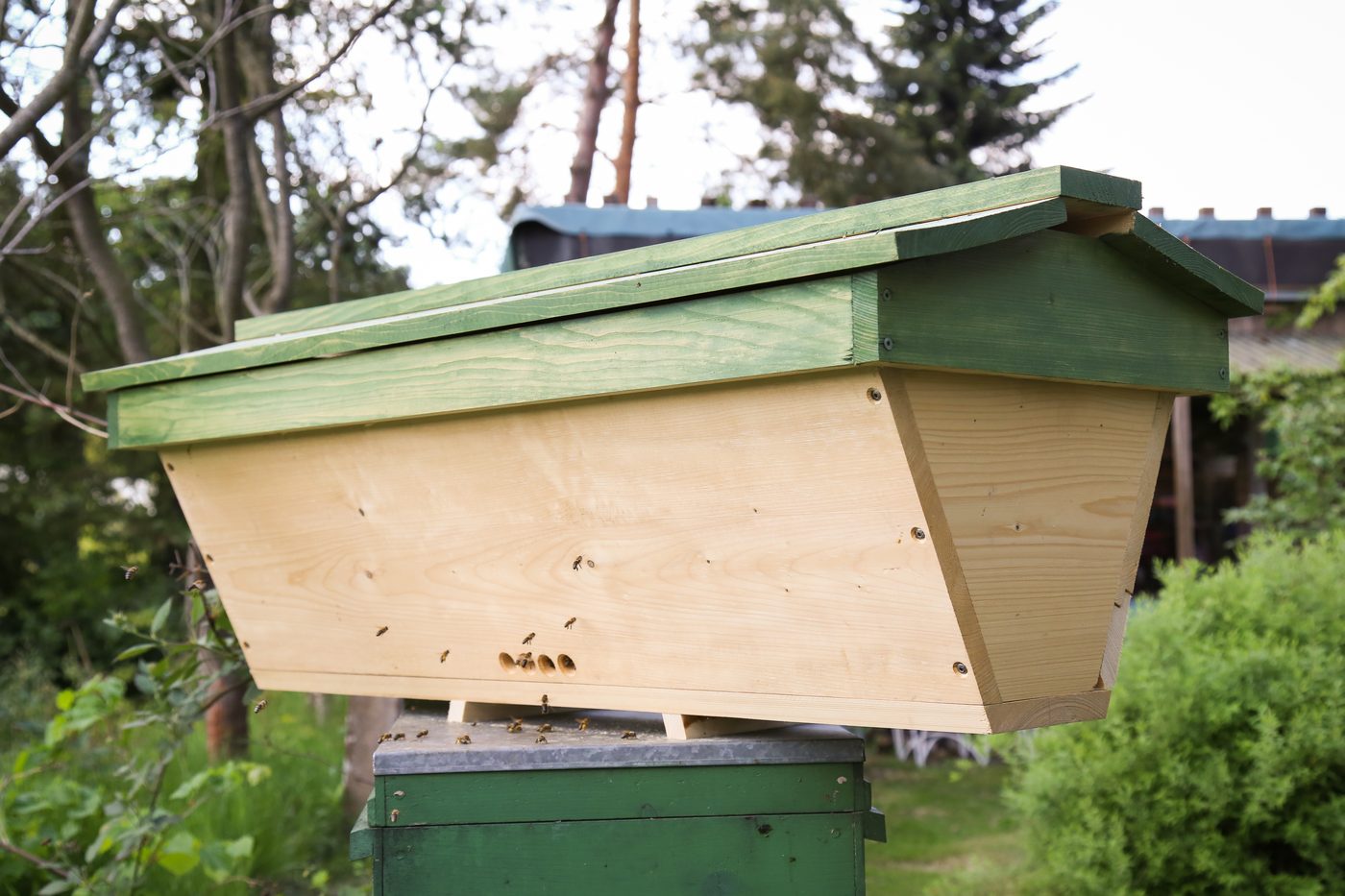
Kenyan Top-Bar Beehive
A sloped-sided hive with removable top bars that lets you inspect and harvest comb without frames, foundation or imported equipment.
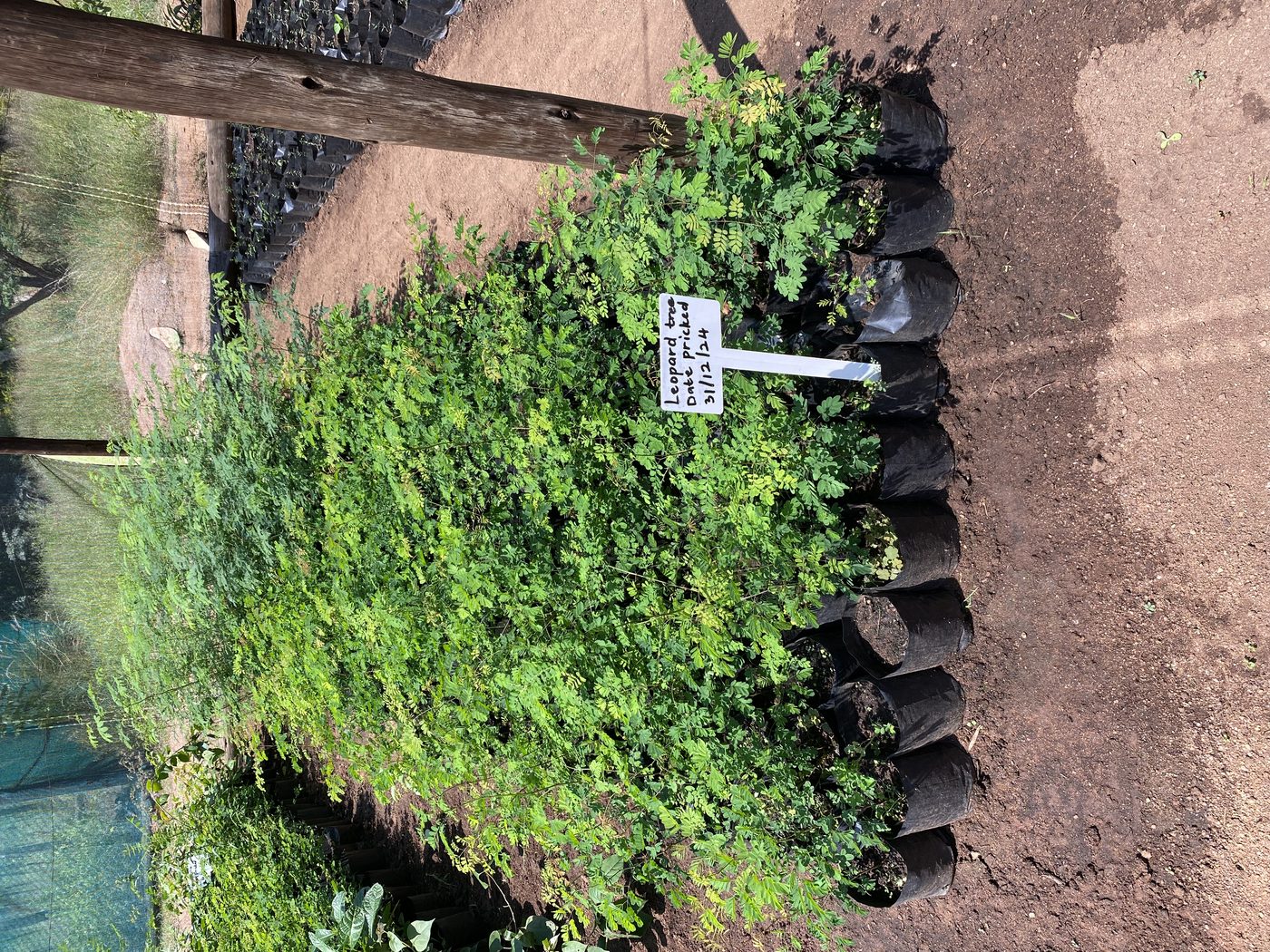
Village Tree Nursery
Raise fruit, fodder and timber seedlings in polythene tubes under a shade frame — thousands of trees a year from a plot the size of a room.