
Banana Circle & Mulch Pit
Dig a shallow pit ringed with a soil berm, plant bananas and papaya on the ring, and feed the pit with kitchen water and green waste — a self-composting fruit machine.
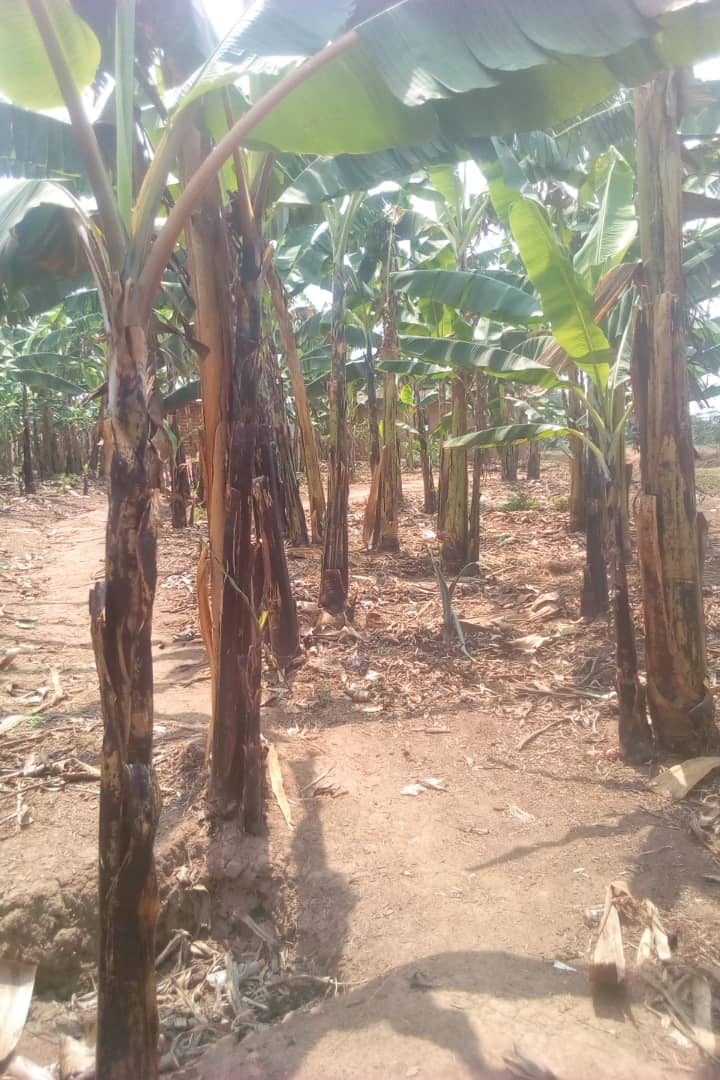
- Estimated cost
- $0 – $30 for suckers and mulch
- Skill level
- Beginner
- Time
- 1 day to dig and plant
Not yet verified
No confirmed build with photo proof has been submitted for this plan yet. Built it? Send photos and it earns the badge.
Tools
- Mattock or hoe
- Shovel
- Panga
- Wheelbarrow
Short a tool or material? Builders below have often swapped something local in — read Local adaptations before you buy anything.
Materials
- Banana or plantain suckers, 5 – 7 per circle
- Papaya, sweet potato or taro for the lower ring
- Bulky mulch: maize stover, grass, prunings, banana leaves
- Manure or compost for planting holes
Dimensions & cut list
One banana circle: a 2 m composting pit ringed by a planted mound, fed by household greywater. These are the reference sizes from Appropedia / permaculture practitioners — scale them to what you have, but keep the ratios.
| Pit diameter | 2 m |
|---|---|
| Pit depth | 1 m |
| Mound ring width | 1 m, standing 300–400 mm above grade |
| Banana / plantain suckers | 5–7 spaced evenly on the mound |
| Greywater inflow | Kitchen and washing water piped to the pit edge, 40–100 litres a day |
| Pit filling | Coarse brush at the base, then layered green and dry material |
| Companion planting | Pawpaw, sweet potato and beans on the outer mound face |
Take this list to the yard
- 5–7Banana or plantain suckers
- ≈ 1 m³Coarse woody brush for the pit base
- 3–4 wheelbarrowsManure or compost
- Continuous top-upMulchThe pit should never be left bare
- As neededGreywater pipe or lined channel
Step by step
Step 1 of 6
Site it where water arrives
Put the circle downslope of the kitchen or bathing area so greywater and roof runoff feed it, and clear of building foundations.
Swipe or use arrow keys
1. Site it where water arrives
Put the circle downslope of the kitchen or bathing area so greywater and roof runoff feed it, and clear of building foundations.
2. Dig the pit
Excavate a saucer roughly 2 m across and 600 – 900 mm deep, throwing the soil outward to make a raised ring berm.
3. Charge the pit
Fill it with coarse woody material at the bottom and green waste and manure on top. This pile is the compost heap and the water store in one.
4. Plant on the berm, not in the pit
Set the banana suckers evenly around the top of the berm with a generous handful of manure. Roots feed into the pit; the corms stay out of standing water.
5. Fill the gaps and mulch heavily
Plant papaya, sweet potato or leafy greens between the bananas and mulch the whole ring thickly to hold moisture.
6. Feed and manage suckers
Keep adding kitchen water and organic matter to the pit. Leave three shoots per stool — one bearing, one following, one small — and cut the rest for mulch.
Why mine failed
The ways this build usually goes wrong, and what fixes it.
The pit smells sour and attracts flies
CauseToo much wet greywater and green material, not enough dry carbon
FixLayer in dry material — straw, dry leaves, maize stalks — every time you add greens, and keep coarse brush at the base so water drains rather than pooling.
Bananas grow slowly and yellow
CauseSuckers planted on the pit edge where the mound stays waterlogged
FixPlant on the mound crest, not in the pit wall, and feed the pit with manure. Roots want moist, not saturated.
Mound erodes in heavy rain
CauseBare mound face with no cover
FixMulch heavily and plant sweet potato or beans across the outer face to hold the soil, and cut a small berm upslope to divert runoff.
Circle dries out in the dry season
CauseGreywater diverted elsewhere and mulch too thin
FixKeep the kitchen and washing water running into the pit all year and top the mulch back up to 50 mm. The pit is the water store — never let it sit empty and bare.
Safety notes
- Only greywater goes in — never toilet waste.
- Keep the pit filled with mulch so it never holds open standing water for mosquitoes.
- Site well away from house foundations; banana roots and constant moisture undermine walls.
- Cut fallen stems promptly — rotting banana stems harbour weevils.
Source & attribution
This plan is our build-step write-up of work documented by Appropedia / permaculture practitioners. The original design and documentation belong to them — go read the source before you build.
Banana circleLocal adaptations
What builders changed to make this work where they live.
Field note · Central Uganda
Farmers plant a ring of pigeon pea outside the bananas for windbreak, firewood and nitrogen, then chop it back as mulch each season.
Build this alongside
Plans that use the same materials or serve the same need.
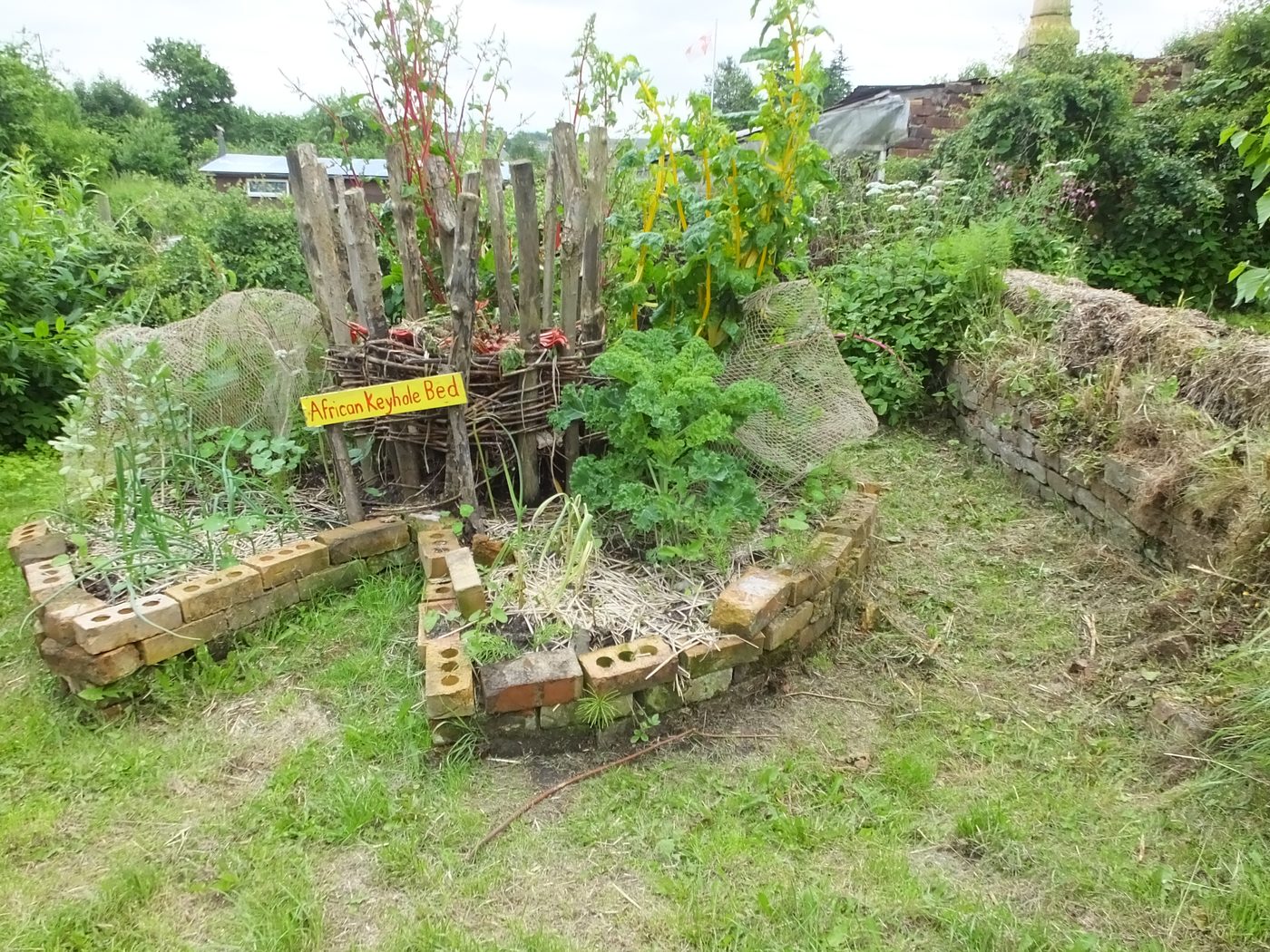
Keyhole Garden with Central Compost Basket
A raised circular bed fed and watered from a compost basket at its centre — high yield on poor soil with very little water.
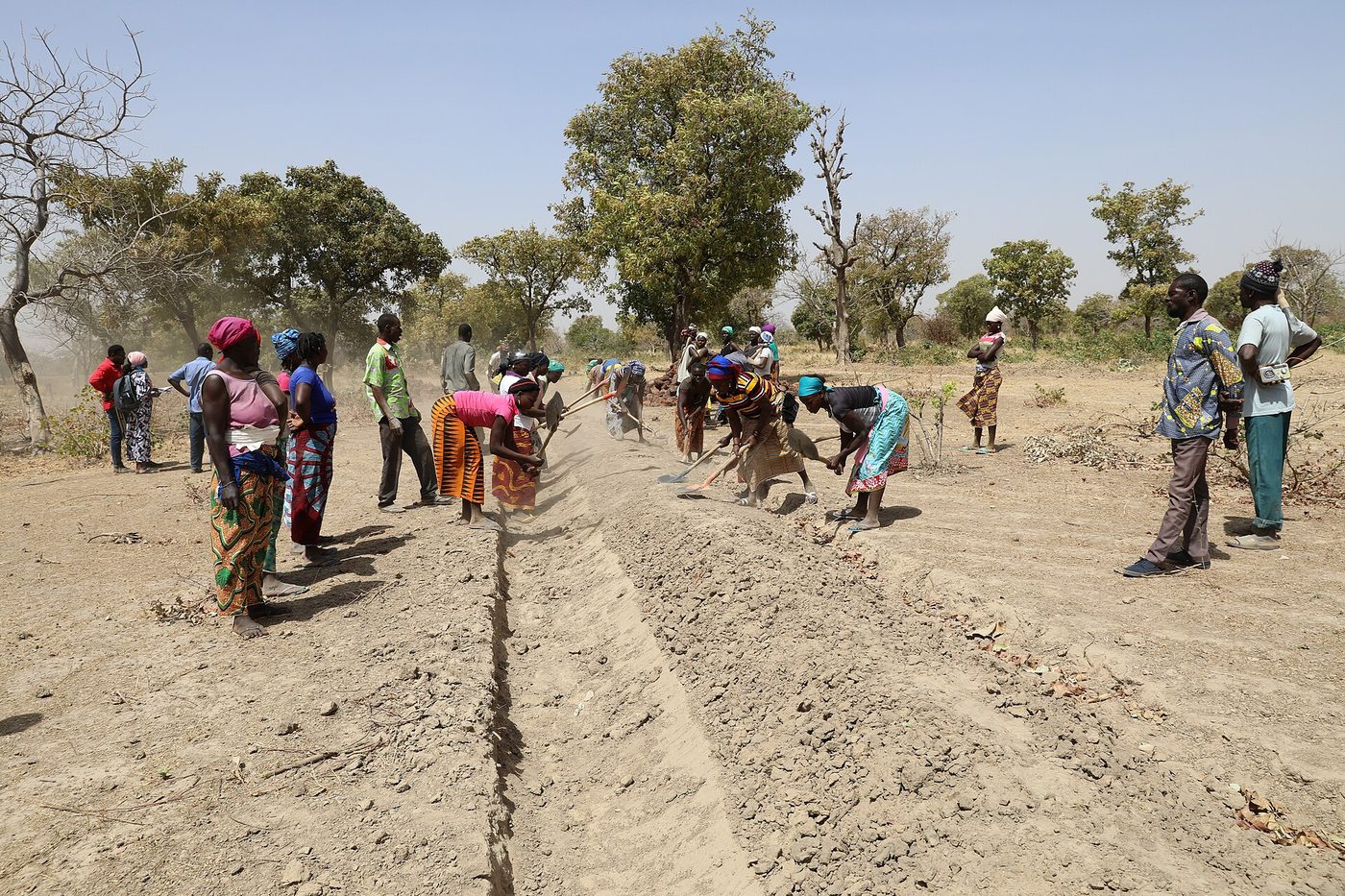
Zai Pits and Stone Contour Bunds
Hand-dug planting pits and stone lines along the contour that catch runoff and rebuild crusted, degraded soil into cropland.
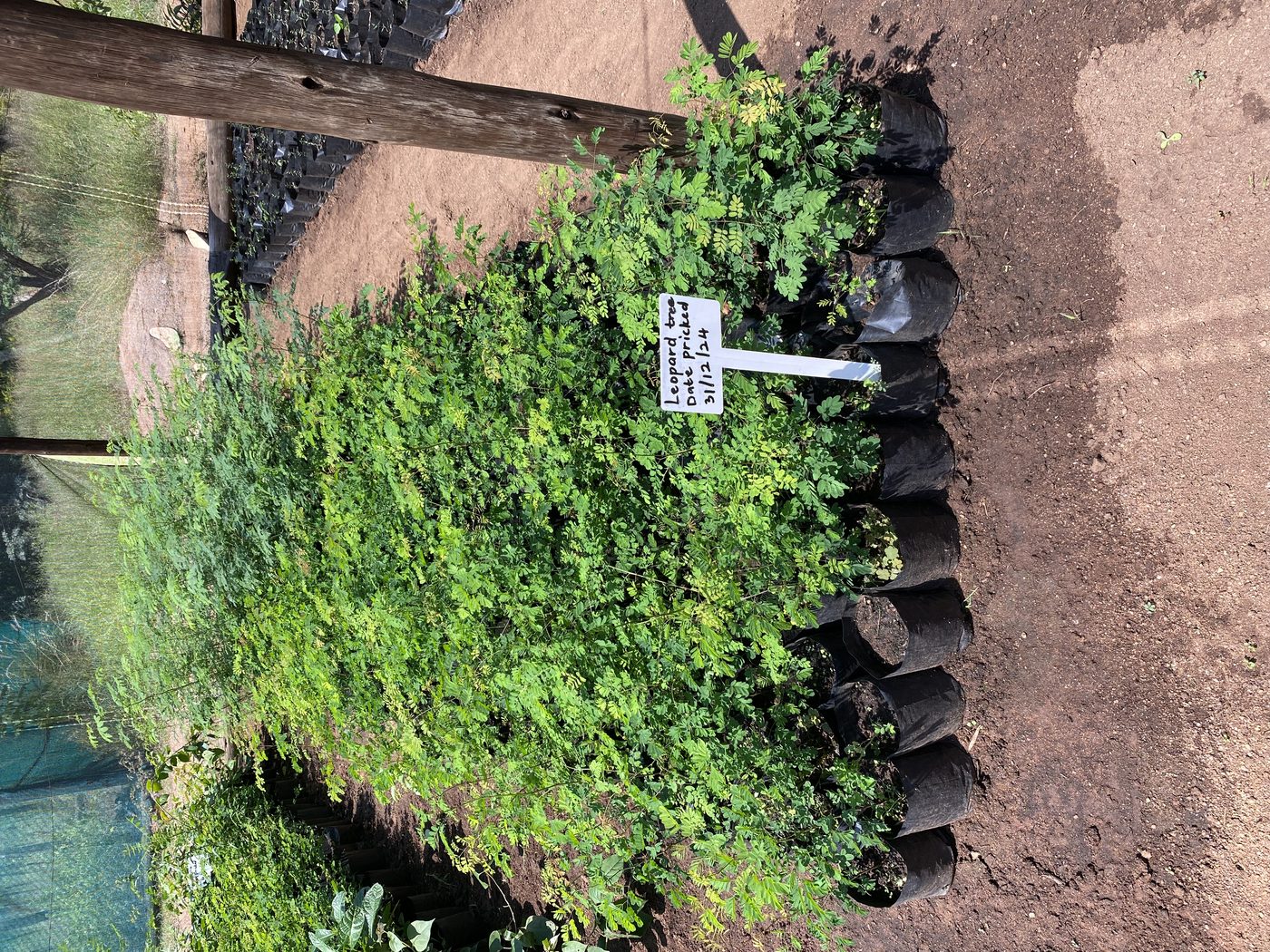
Village Tree Nursery
Raise fruit, fodder and timber seedlings in polythene tubes under a shade frame — thousands of trees a year from a plot the size of a room.