
Lined Tilapia Fish Pond
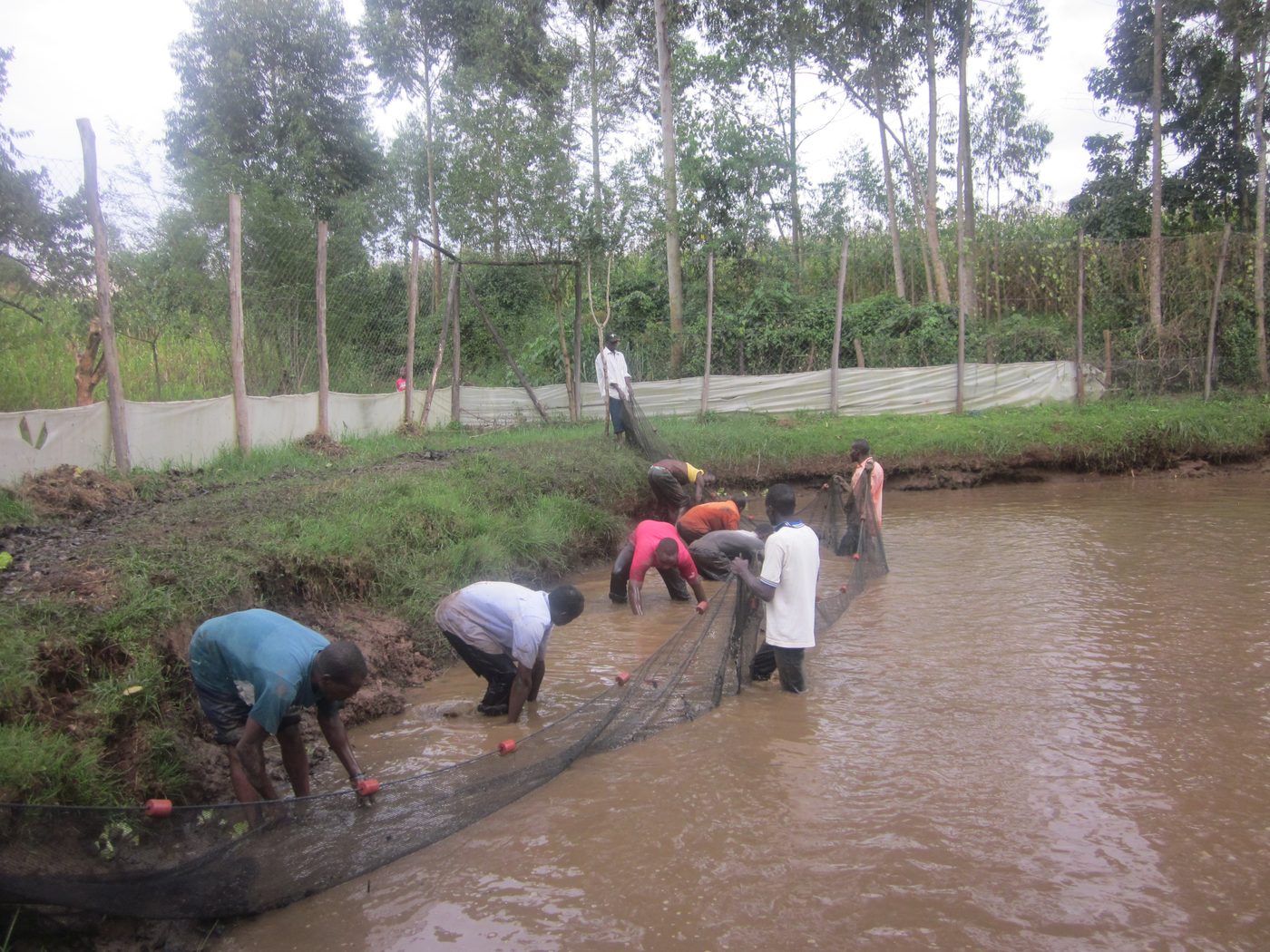
A hand-dug, lined pond stocked with tilapia and fed on farm waste — a protein and income source that also stores irrigation water.
- Estimated cost
- $150 – $400 for a 100 m² lined pond
- Skill level
- Intermediate
- Time
- 1 – 2 weeks to dig, 6 – 8 months to harvest
Not yet verified
No confirmed build with photo proof has been submitted for this plan yet. Built it? Send photos and it earns the badge.
Tools
- Hoes, shovels and wheelbarrow
- String lines and pegs
- Spirit level or hose level
- Hacksaw for pipework
- Seine net for harvest
Short a tool or material? Builders below have often swapped something local in — read Local adaptations before you buy anything.
Materials
- HDPE pond liner, 0.5 mm, or well-compacted clay
- Inlet and outlet pipes with screens
- Bamboo or timber for a feeding platform and shade
- Fingerlings: 3 – 5 per m² of Nile tilapia, sexed male where possible
- Feed: bran, kitchen waste, duckweed, agricultural byproducts
Dimensions & cut list
One earthen tilapia grow-out pond of 200 m², stocked for a 6-month cycle. These are the reference sizes from Appropedia / small-scale aquaculture extension guides — scale them to what you have, but keep the ratios.
| Pond area | 200 m² (20 × 10 m) |
|---|---|
| Water depth | 0.8 m at the shallow end, 1.5 m at the drain end |
| Bank slope | 2:1 (horizontal:vertical) on clay soils |
| Freeboard | 300 mm above full water level |
| Stocking density | 3–5 fingerlings per m² (600–1,000 fish) |
| Feeding rate | 3–5% of body weight daily, split into two feeds |
| Harvest size | 250–350 g at 5–6 months |
| Water exchange | 5–10% a day, or top up evaporation losses only in a fertilised pond |
Take this list to the yard
- 600–1,000Sexed male tilapia fingerlingsMixed-sex ponds overbreed and you harvest hundreds of stunted fish
- 1 setInlet and outlet pipes, 100 mm, with screens
- 1Monk / drain standpipe
- 40 kg a weekManure or compost for fertilising
- As per biomassSupplementary feed (bran, oilcake, kitchen waste)
- 1Seine net for harvest
Step by step
Step 1 of 6
Site on gentle slope with clay soil
You want a slight slope for gravity drainage and soil that holds water. Test with a pit filled overnight — if it empties fast you need a liner.
Swipe or use arrow keys
1. Site on gentle slope with clay soil
You want a slight slope for gravity drainage and soil that holds water. Test with a pit filled overnight — if it empties fast you need a liner.
2. Dig with sloped banks and a deep end
Bank slopes of 2:1, depth grading from 0.6 m at the shallow end to 1.2 m at the outlet. The deep end is where fish shelter from midday heat.
3. Line or puddle the base
Lay liner over a sand bed with no stones, tucked into an anchor trench around the rim. If puddling clay instead, compact in 100 mm layers.
4. Plumb inlet and outlet with screens
Screen both ends so fish cannot escape and predators cannot enter. Set the outlet standpipe to fix the water level and let you drain for harvest.
5. Fertilise, then stock
Add manure or compost in a sack to green the water for two weeks first — natural plankton is the cheapest feed there is. Then stock fingerlings early in the morning.
6. Feed, monitor and harvest
Feed 3 – 5% of body weight daily in two goes. Watch for fish gulping at the surface at dawn, which means low oxygen. Harvest by seine or draining at 250 – 400 g.
Why mine failed
The ways this build usually goes wrong, and what fixes it.
Hundreds of tiny stunted fish at harvest
CauseMixed-sex stocking — the tilapia bred in the pond
FixStock hand-sexed males only, or add a predator species. Once a pond is breeding, the food goes into fry instead of growth.
Fish gasping at the surface at dawn
CauseOvernight oxygen crash from overfeeding or an algae bloom
FixStop feeding for a day, exchange 10–20% of the water and splash the surface. Feed only what is cleared in 15 minutes.
Pond will not hold water
CauseSandy or cracked bed
FixPuddle the base with clay and compact it in 100 mm layers, or line it. Test with a pit filled overnight before you build the whole pond.
Fish disappear
CauseBirds, otters or unscreened inlets and outlets
FixScreen both pipes, string lines across the pond against birds, and keep the banks clear so predators have nowhere to hide.
Safety notes
- Fence or barrier the pond if young children live nearby — open water is a drowning risk.
- Do not use human waste or fresh untreated manure as feed input; compost it first.
- Standing water can breed mosquitoes; keep banks clear of weed and stock enough fish to eat larvae.
- Check local rules before introducing any fish species that is not already farmed in your area.
Source & attribution
This plan is our build-step write-up of work documented by Appropedia / small-scale aquaculture extension guides. The original design and documentation belong to them — go read the source before you build.
Tilapia farmingLocal adaptations
What builders changed to make this work where they live.
- No adaptations shared yet for this plan.
Build this alongside
Plans that use the same materials or serve the same need.
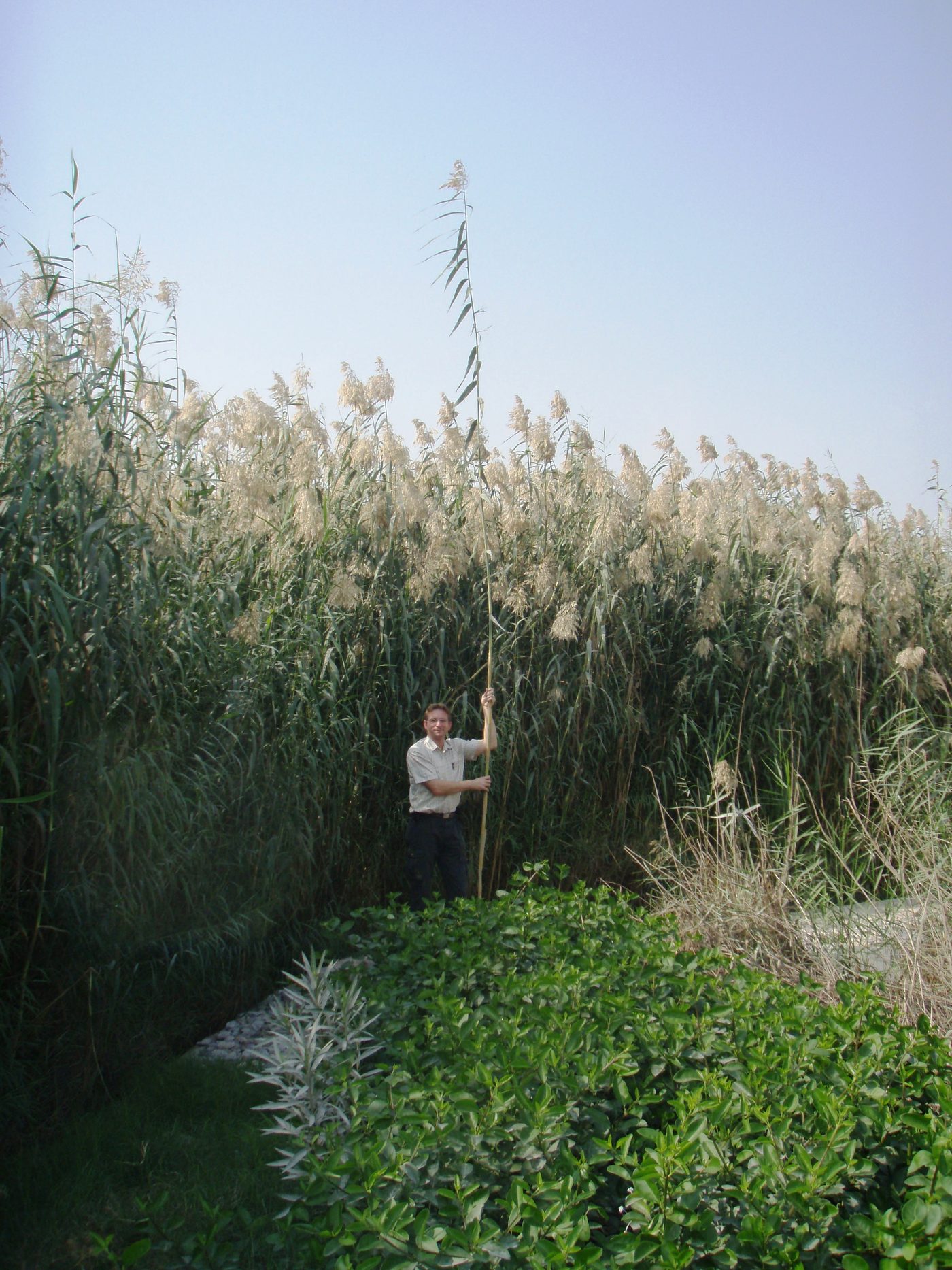
Greywater Reed Bed
Route kitchen and washing water through a gravel-filled planted bed instead of a stinking pit, and irrigate fruit trees with the outflow.
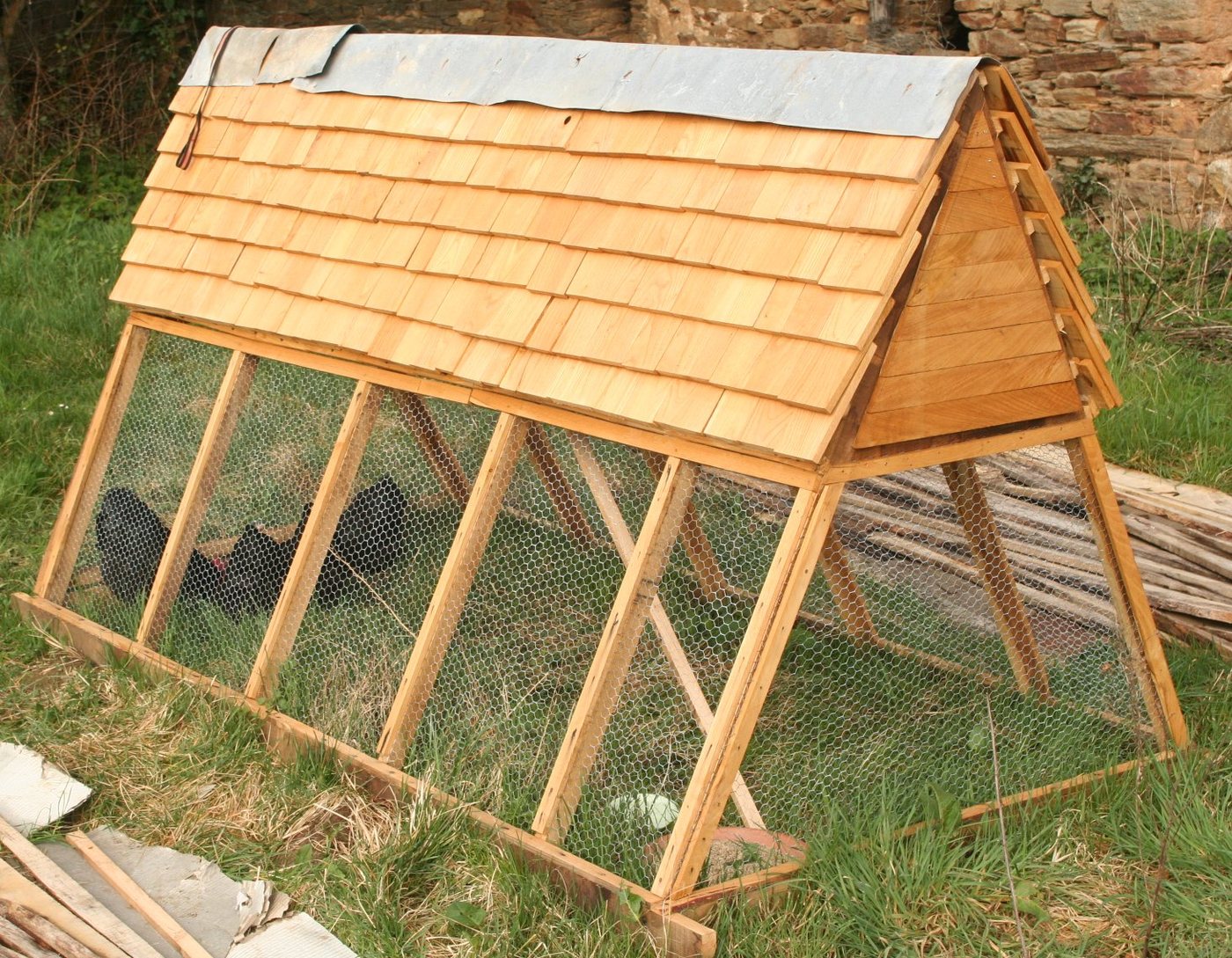
Movable Chicken Tractor
A floorless, lightweight coop you shift daily so birds get fresh forage, the ground gets manured, and nobody has to muck out.
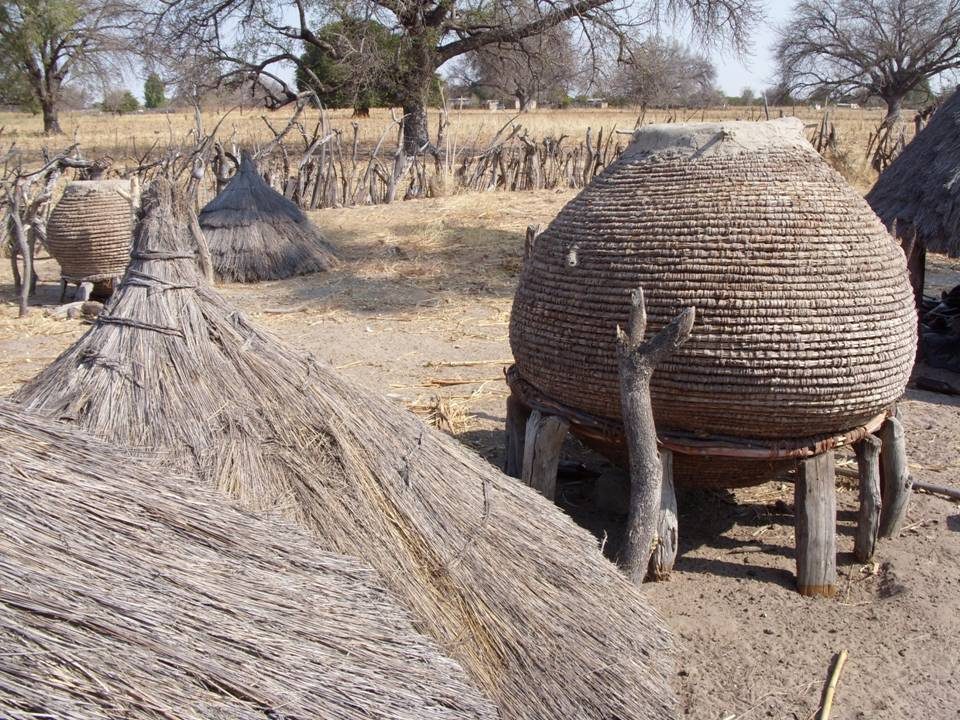
Raised Grain Granary
A woven or mud-plastered grain store raised on rat-guarded legs with a ventilated floor — cuts post-harvest loss without any chemicals.