
Solar Phone Charging Bench
A small panel, charge controller and battery wired into a multi-port charging bench — reliable phone charging at home, or a shop that pays for itself in a season.
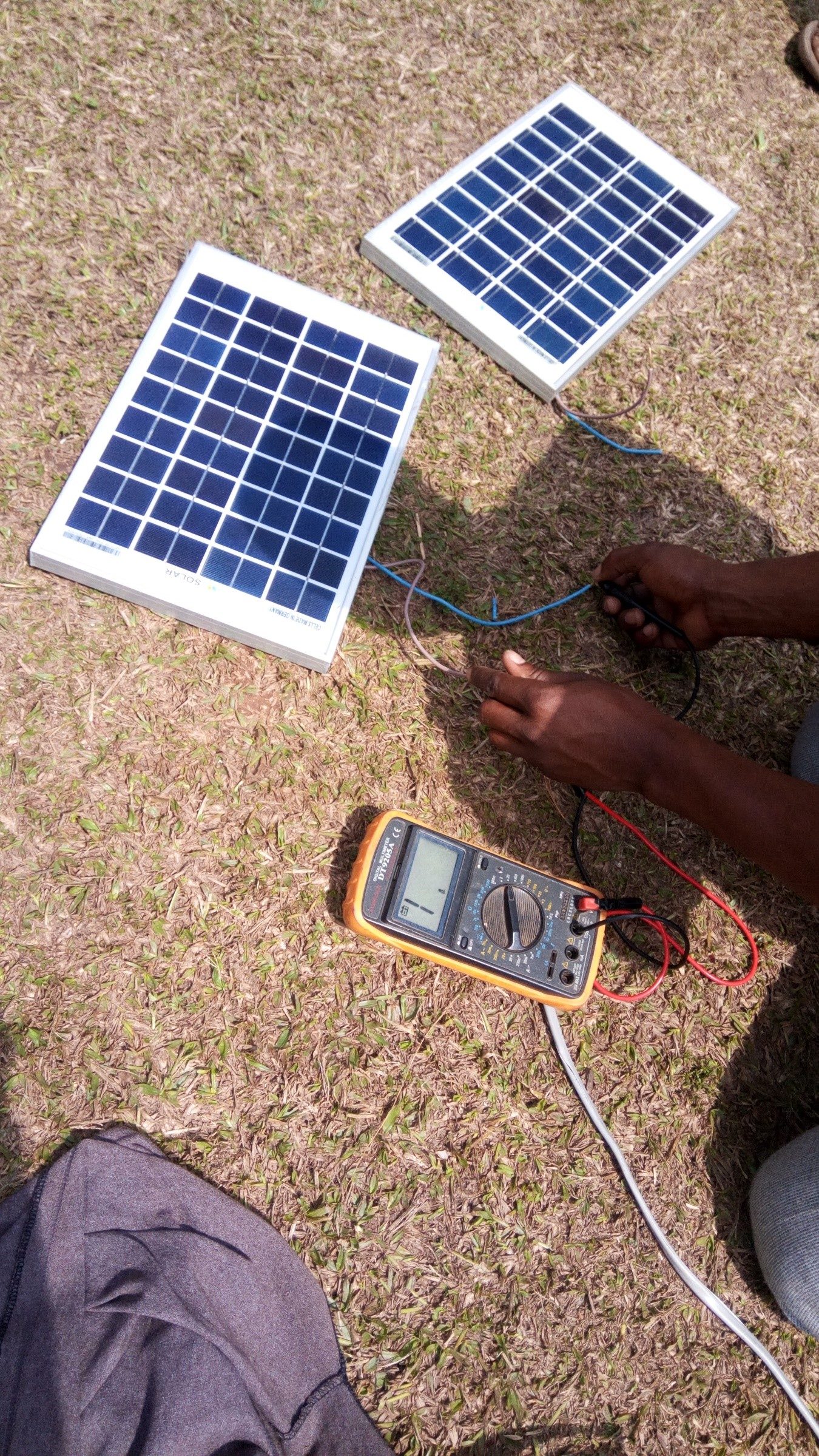
- Estimated cost
- $120 – $300 for panel, battery, controller and ports
- Skill level
- Intermediate
- Time
- 1 day
Not yet verified
No confirmed build with photo proof has been submitted for this plan yet. Built it? Send photos and it earns the badge.
Tools
- Multimeter
- Wire strippers and crimper
- Screwdrivers and spanners
- Drill
- Soldering iron (optional)
If you don't have it
- No charge controller? A 5 V USB buck converter plus an inline fuse runs a small panel safely for phones; a controller is still required once a battery is added.
Materials
- 50 – 100 W solar panel
- PWM or MPPT charge controller sized above panel current
- Deep-cycle 12 V battery, 50 – 100 Ah
- Inline fuses and a fuse block
- 12 V to USB buck converters, one per two ports
- Timber bench, cable and terminal blocks
Dimensions & cut list
A small solar charging kiosk: one 100 W panel serving 20–30 phone charges a day. These are the reference sizes from Appropedia / off-grid solar practitioner guides — scale them to what you have, but keep the ratios.
| Panel | 100 W, tilted at latitude + 10°, facing the equator |
|---|---|
| Battery | 12 V, 100 AhTwo days of autonomy for the charging load |
| Daily energy budget | ≈ 400 Wh in, 250 Wh usable out |
| Per-phone charge | ≈ 10 Wh, 1.5–2 hours |
| Charge points | 8–12 USB ports at 5 V / 2 A |
| Cable run panel to controller | Under 10 m of 4 mm² cable |
| Lockable phone lockers | 150 × 90 × 40 mm each |
Take this list to the yard
- 1100 W panel and mounting frame
- 1PWM or MPPT charge controller, 10 A
- 1Deep-cycle battery
- 2–3Multi-port USB buck converters
- 1 setFuse block, 15 A fuses and isolator switchFuse at the battery, not just at the load
- 1Lockable timber cabinet
Step by step
Step 1 of 6
Size the system to real demand
A phone takes about 10 Wh. Twenty charges a day is 200 Wh, so plan a 100 W panel and a battery with two days of reserve. Write the numbers down before you buy anything.
Swipe or use arrow keys
1. Size the system to real demand
A phone takes about 10 Wh. Twenty charges a day is 200 Wh, so plan a 100 W panel and a battery with two days of reserve. Write the numbers down before you buy anything.
2. Mount the panel facing the sun
Tilt roughly to your latitude, facing the equator, clear of all shade. A single branch shadow across a panel can cut output by half.
3. Wire battery to controller first
Always connect the battery to the controller before the panel — most controllers detect system voltage from the battery and can be damaged if powered from the panel first.
4. Fuse every run
Fuse close to the battery positive, and fuse the load side. An unfused 12 V battery short will melt cable and start a fire in seconds.
5. Build the port bench
Mount buck converters under a timber bench top with labelled USB ports and short leads. Add a cheap voltmeter so users can see the battery state.
6. Set the controller limits and log usage
Set low-voltage disconnect at 11.8 V to protect the battery. Keep a simple charge tally — it tells you when demand justifies a second panel.
Why mine failed
The ways this build usually goes wrong, and what fixes it.
Battery dead by mid-morning
CauseMore charging demand than the daily solar budget
FixCount it out: 100 W panel ≈ 400 Wh a day, each phone ≈ 10 Wh, and only use half the battery capacity. Cap the number of phones per day or add a second panel.
Battery only lasts a few months
CauseRepeatedly discharged too deep
FixSet the controller's low-voltage cut-out at 11.8 V and never plan on more than 50% depth of discharge for a lead-acid battery.
Phones charge very slowly
CauseVoltage drop in thin or long cabling, or weak USB converters
FixUse 4 mm² cable and keep the run under 10 m, and fit converters rated 2 A per port with the ports properly split.
Panel output drops over time
CauseDust and shading
FixWipe the panel weekly and clear anything that casts even a partial shadow — one shaded cell drags down the whole string.
Safety notes
- Lead-acid batteries vent hydrogen. Keep them in a ventilated box, never sealed in a cupboard, and no flames nearby.
- Never connect a load or panel to the battery without a fuse.
- Batteries deliver enormous short-circuit current — remove rings and watches, and work with one hand where possible.
- Keep battery acid neutraliser (bicarbonate of soda) and water on hand.
Source & attribution
This plan is our build-step write-up of work documented by Appropedia / off-grid solar practitioner guides. The original design and documentation belong to them — go read the source before you build.
Solar phone chargingLocal adaptations
What builders changed to make this work where they live.
- No adaptations shared yet for this plan.
Build this alongside
Plans that use the same materials or serve the same need.

Lever-Arm Charcoal Briquette Press
Press agricultural waste and charcoal dust into burnable briquettes, turning a disposal problem into cooking fuel or a product to sell.
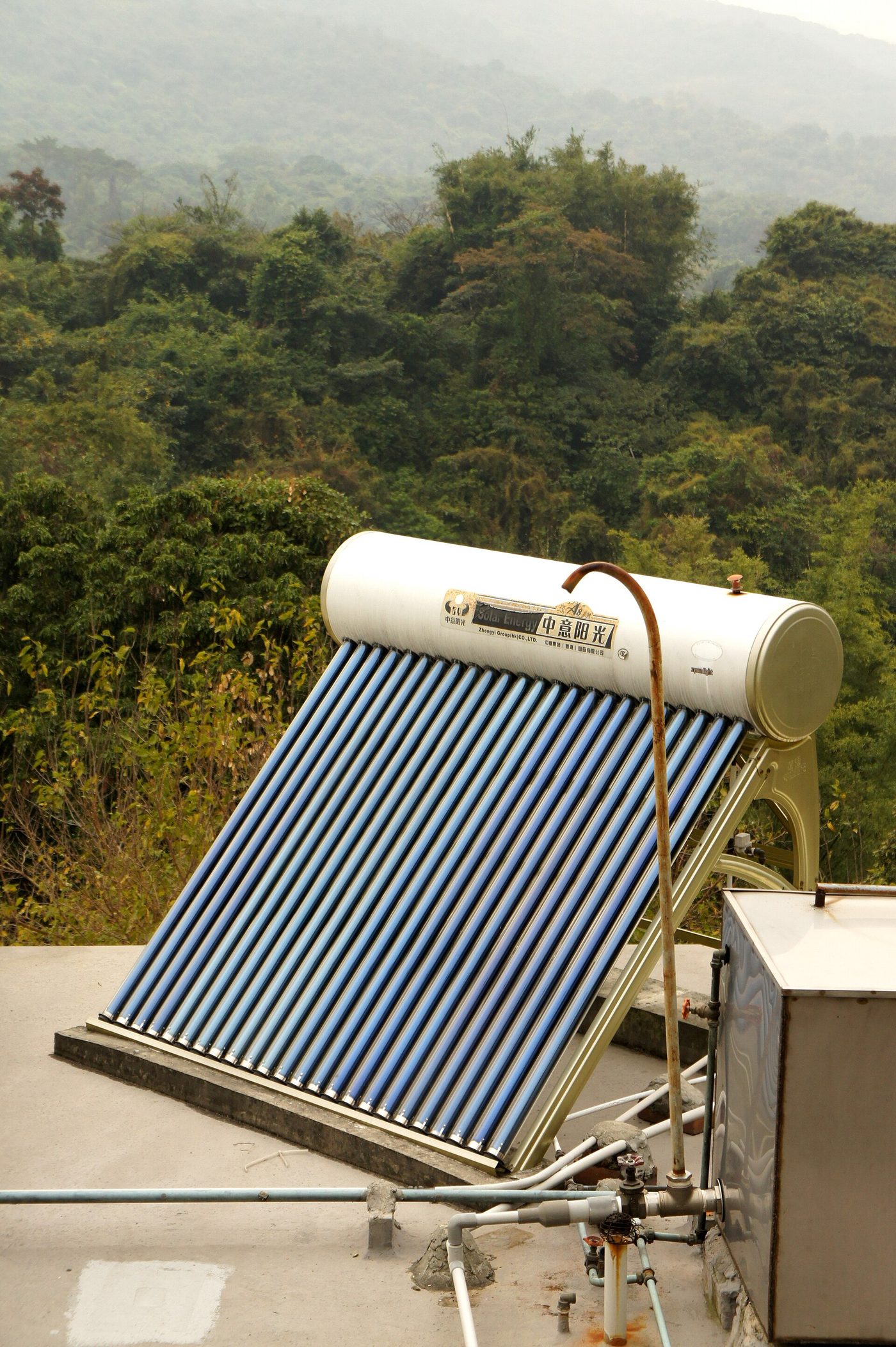
Batch Solar Water Heater from a Salvaged Tank
A black-painted tank in a glazed, insulated box that gives hot washing water by mid-afternoon with no pump, controller or electricity.
Pedal-Powered Generator
Mount a bicycle on a stand driving a permanent-magnet motor as a generator, and charge phones, lamps and radios with your legs when the grid and the sun are both out.