
Coil-Built Clay Water Jar
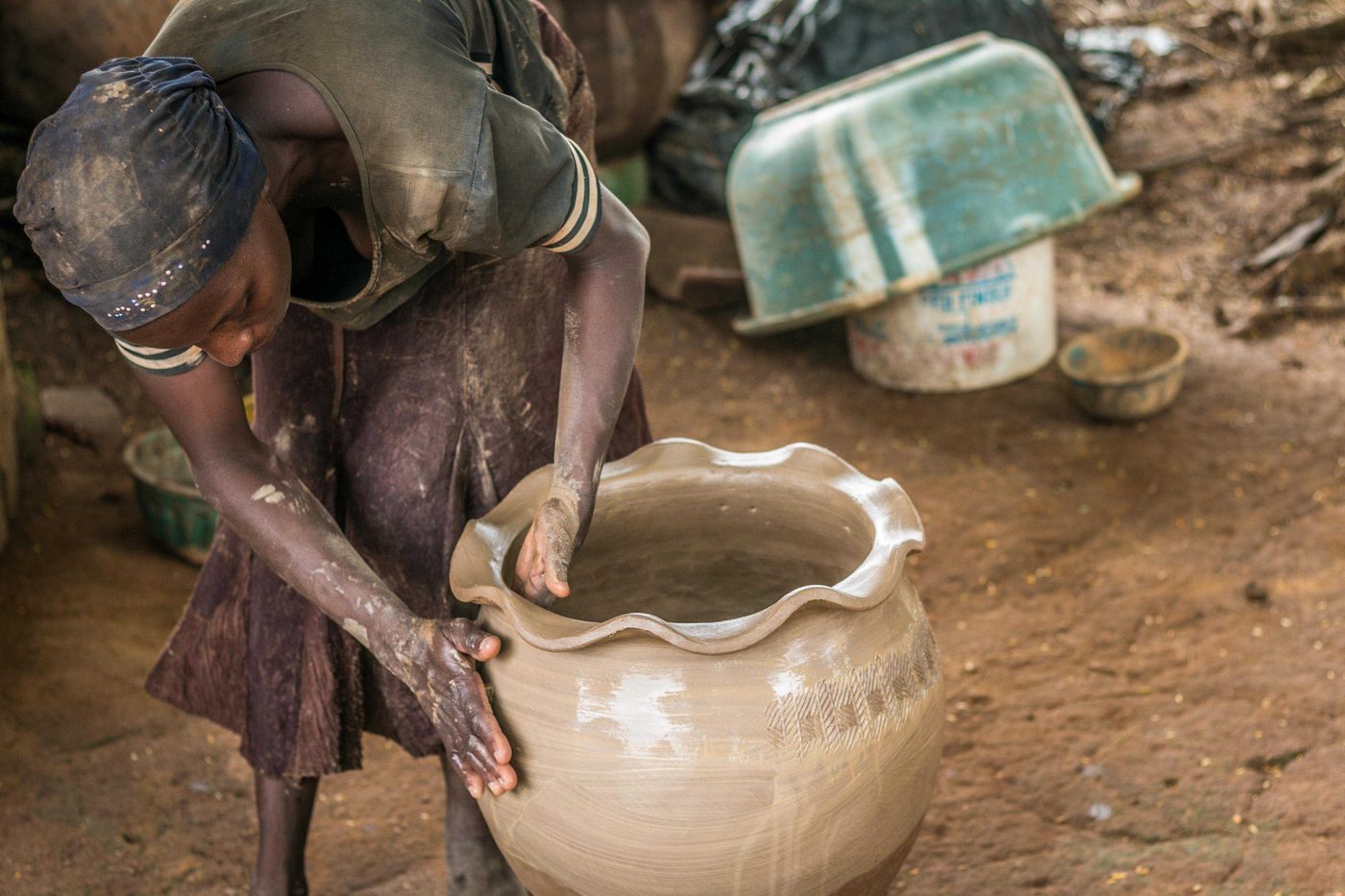
Build a wide-bellied storage jar by hand from coils of local clay and pit-fire it — cool water storage that costs only labour and fuel.
- Estimated cost
- $5 – $30 per firing batch, mostly fuel
- Skill level
- Intermediate
- Time
- 1 day forming, 1 – 2 weeks drying, 1 day firing
Not yet verified
No confirmed build with photo proof has been submitted for this plan yet. Built it? Send photos and it earns the badge.
Tools
- Turning board or old plate
- Wooden paddle and smooth stone anvil
- Rib or gourd scraper
- Sieve
- Bucket
Short a tool or material? Builders below have often swapped something local in — read Local adaptations before you buy anything.
Materials
- Plastic clay dug and weathered locally
- Fine sand or grog (crushed fired pot) as temper, roughly 20% by volume
- Water
- Firewood, dry dung and grass for the pit firing
Dimensions & cut list
A wheel-thrown or coiled 20 litre storage jar with a narrow neck, fired locally. These are the reference sizes from Appropedia / traditional potters — scale them to what you have, but keep the ratios.
| Capacity | 20 litres |
|---|---|
| Neck opening | 80–100 mmNarrow enough that a hand and cup cannot get in — that is the health feature |
| Wall thickness | 10–14 mm |
| Body height | 450 mm, belly diameter 350 mm |
| Drying | Slow, in shade, 7–10 days to bone dry |
| Firing | 900–1000 °C, held 2 hours |
| Tap fitting | Optional 15 mm hole 80 mm above the base, bushed with a rubber grommet |
| Lid | Fired clay lid with a lip that sits inside the neck |
Take this list to the yard
- ≈ 8 kg per jarPlastic clay, wedged
- 1Wheel or coiling turntable
- 1Fired clay lid
- 1Tap and grommet (optional)
- 1Kiln access or clamp firing space
Step by step
Step 1 of 6
Prepare the body
Slake the clay, pick out stones and roots, and wedge in temper until a rolled coil bends around your finger without cracking.
Swipe or use arrow keys
1. Prepare the body
Slake the clay, pick out stones and roots, and wedge in temper until a rolled coil bends around your finger without cracking.
2. Form the base
Press a flattened disc onto a turning board, or start in the base of an old pot used as a mould, which keeps the form round while you work.
3. Coil and join
Roll even coils, score and join each one to the last, and smear the joint firmly both inside and out. Weak joints are where jars split in the fire.
4. Paddle and anvil the wall
Hold the stone inside and beat the outside with the paddle to thin and compact the wall, widening the belly and pulling the neck in.
5. Burnish and dry
Once leather-hard, burnish with a smooth pebble to close the surface, then dry slowly out of sun and wind for one to two weeks until the jar feels warm and light.
6. Pit fire
Preheat around a small fire, then bed the jars in a shallow pit under wood, grass and dung. Fire hard for two to three hours and let the pit cool untouched overnight.
Why mine failed
The ways this build usually goes wrong, and what fixes it.
Jar cracks while drying
CauseDried too fast, or uneven wall thickness
FixDry slowly in shade over 7–10 days, wrapping the rim and base for the first days, and keep walls an even 10–14 mm.
Jar shatters in the firing
CauseNot bone dry, or heated too quickly
FixWarm the kiln slowly for the first two hours and never fire a jar that still feels cool to the cheek.
Jar seeps water constantly
CauseUnderfired body
FixFire to 900–1000 °C and hold two hours. A little sweating is normal and cools the water; running seepage means an underfired pot.
Stored water still makes people sick
CauseCups and hands dipped into the jar
FixKeep the neck to 80–100 mm, use a lid, and pour or fit a tap. A wide-mouthed jar re-contaminates itself every day.
Safety notes
- Only fully dry pots go in the fire — trapped water turns to steam and shatters the jar violently.
- Stand clear of the pit through the first hour; spalling shards can fly several metres.
- Unglazed jars sweat and cool the water: that is the point, but stand them on a rack, not on a bedroom floor.
- Never use lead-based glaze or paint on a vessel that holds drinking water.
Source & attribution
This plan is our build-step write-up of work documented by Appropedia / traditional potters. The original design and documentation belong to them — go read the source before you build.
PotteryLocal adaptations
What builders changed to make this work where they live.
Field note · Ushafa, Nigeria
Potters fire in a shallow open pit with dung cakes packed around the pots, which holds the heat steady much longer than wood alone.
Build this alongside
Plans that use the same materials or serve the same need.
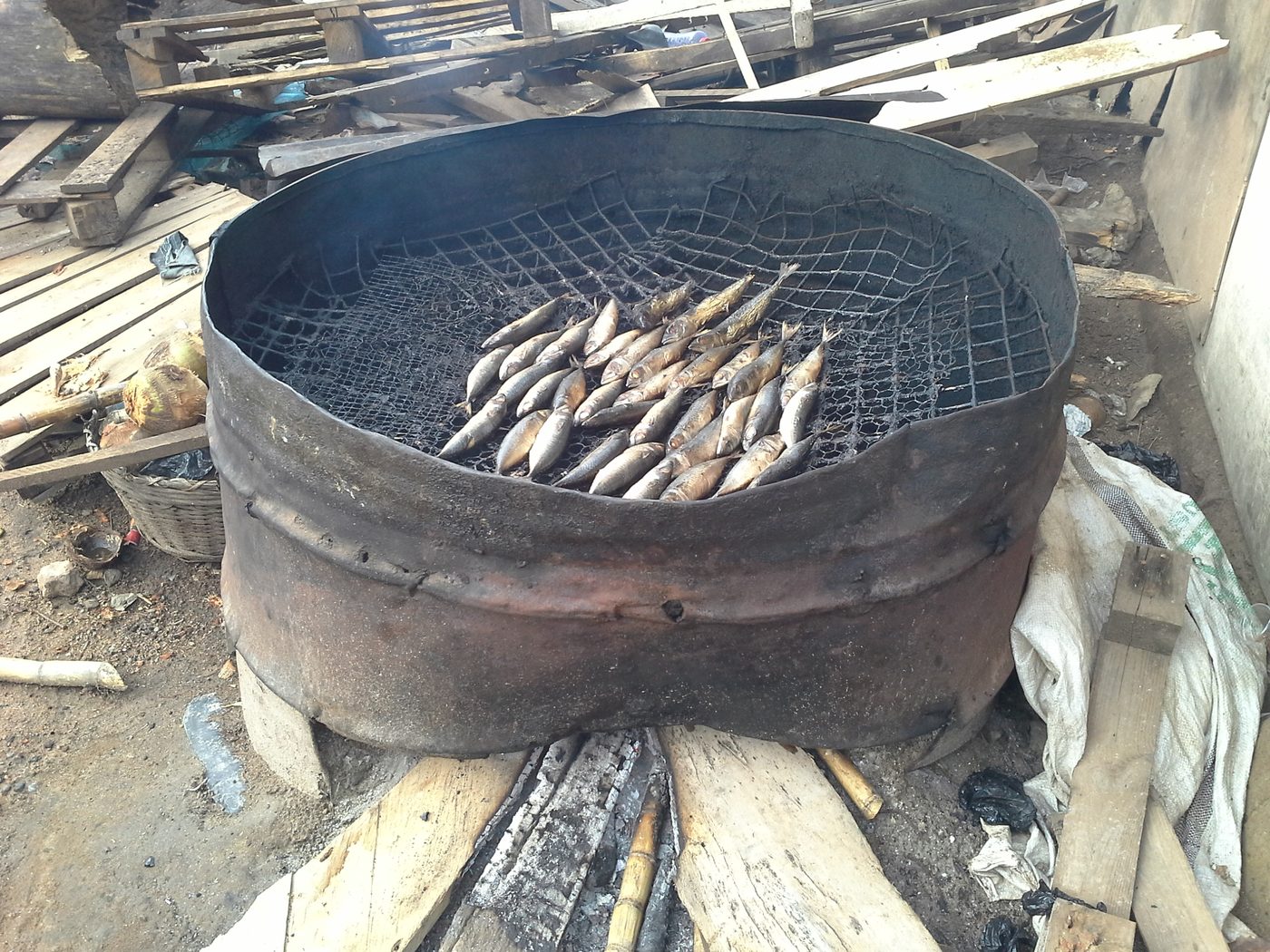
Improved Fish Smoking Kiln
A chorkor-style stacked-tray kiln that smokes far more fish per load with less firewood and much less smoke in the operator's face.
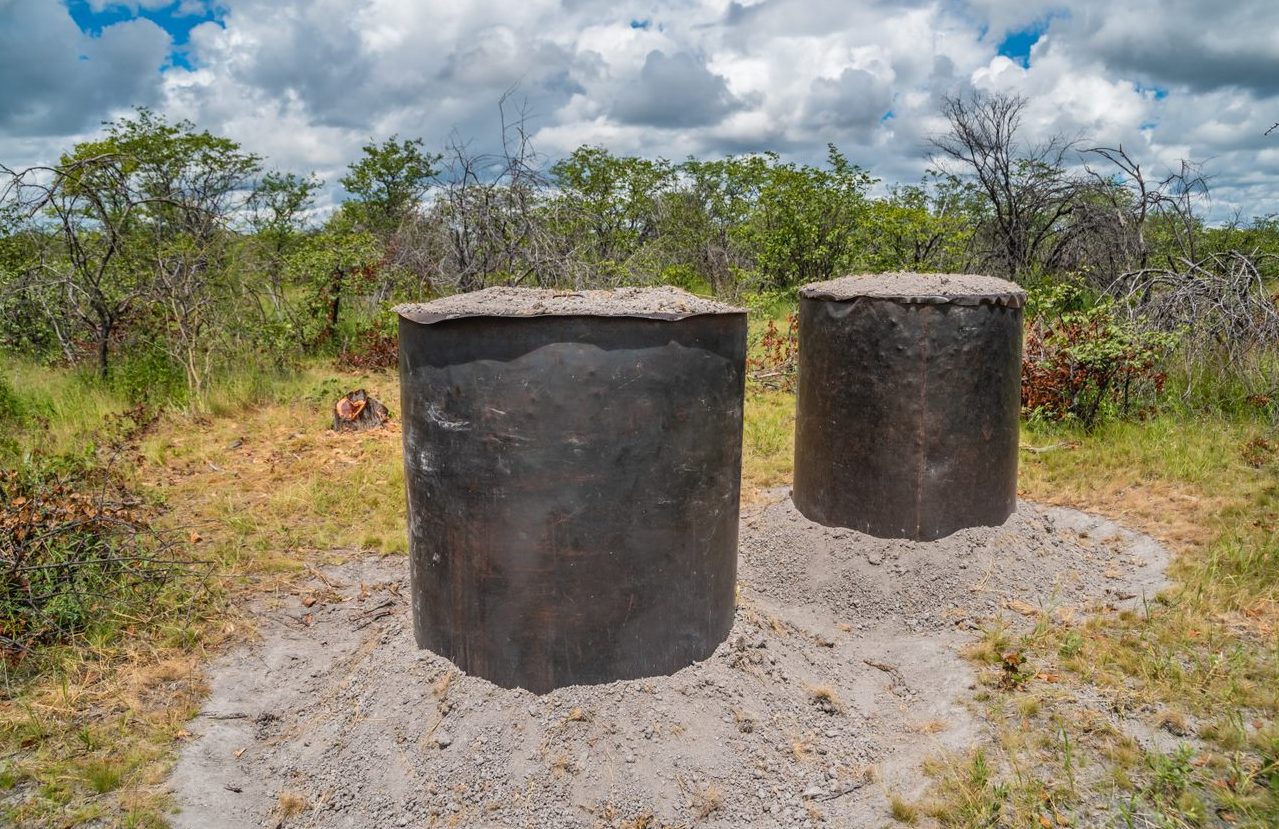
Drum Retort Charcoal Kiln
Char wood inside a sealed inner drum heated from outside, burning the smoke as fuel — far higher yield and far less smoke than an earth-mound burn.
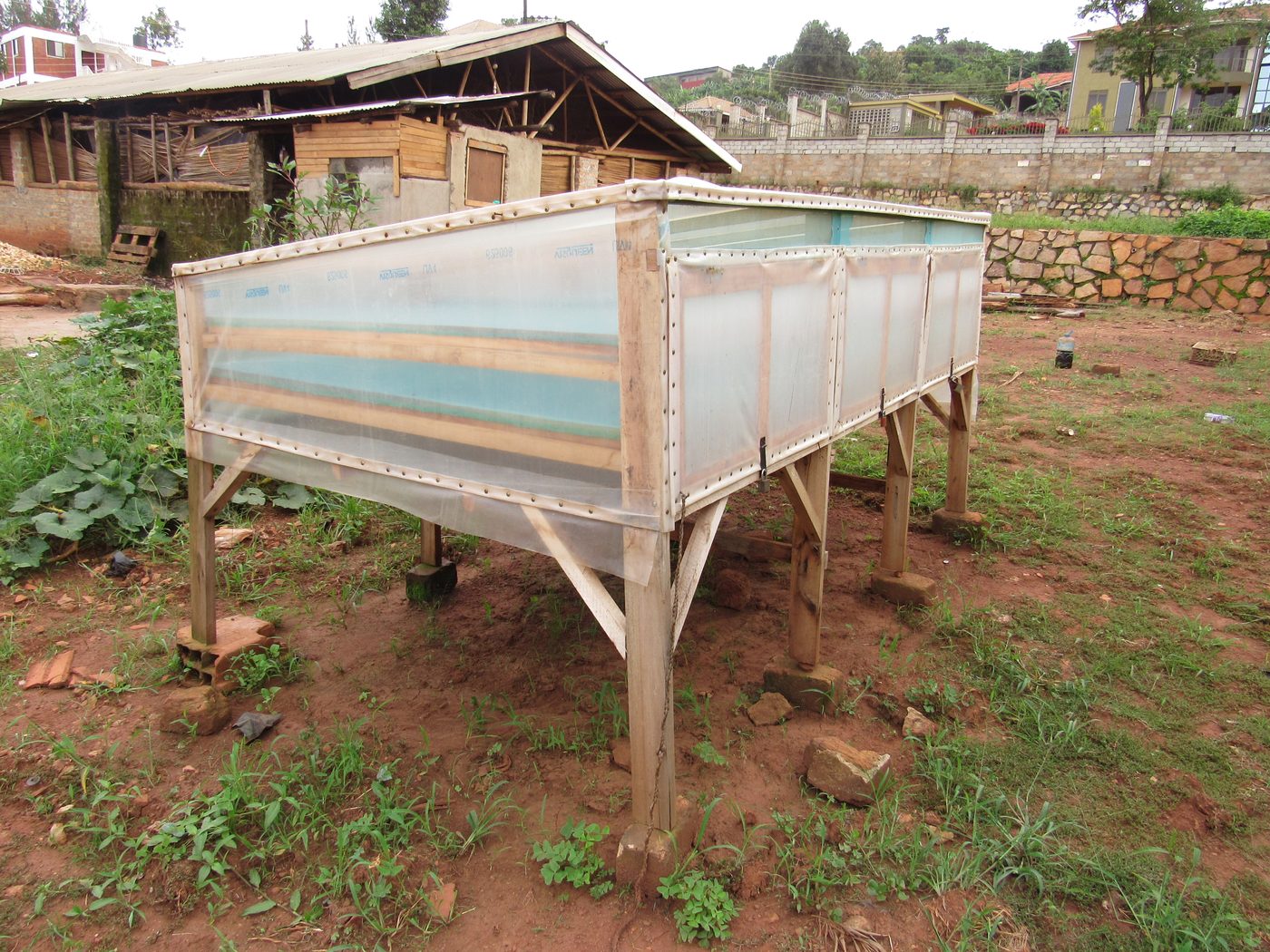
Indirect Solar Food Dryer
A timber cabinet with a glazed heat collector that dries fruit, vegetables and fish faster and cleaner than open sun, without bleaching the produce.