
Bicycle Cargo Trailer
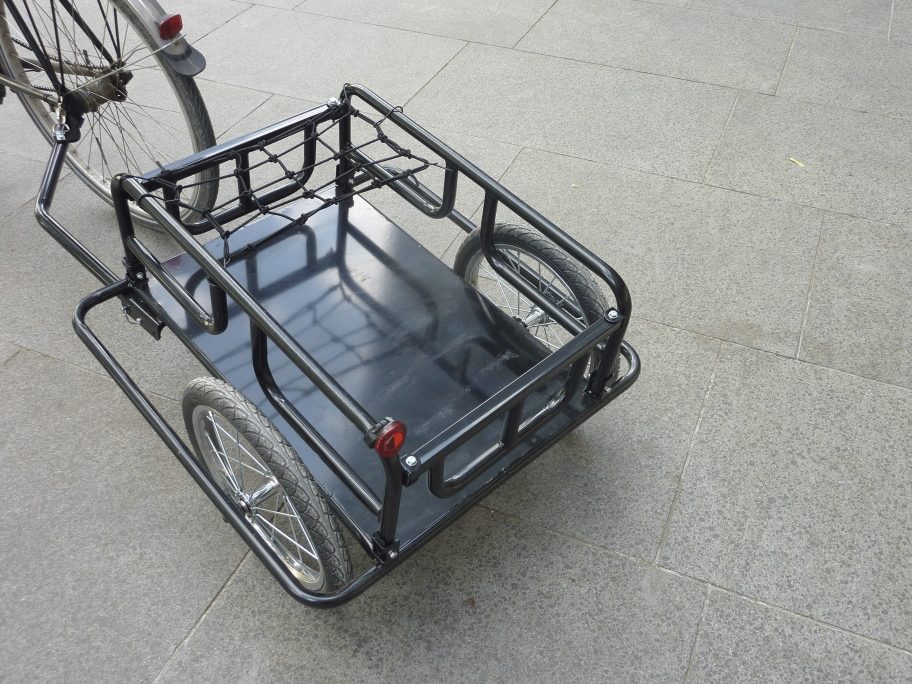
A welded or bolted single-axle trailer with a flexible hitch that lets one bicycle move 80 – 100 kg of water, produce or tools over rough village roads.
- Estimated cost
- $50 – $150 depending on wheels and steel
- Skill level
- Intermediate
- Time
- 2 – 3 days
Not yet verified
No confirmed build with photo proof has been submitted for this plan yet. Built it? Send photos and it earns the badge.
Tools
- Welding set or drill and bolts
- Angle grinder
- Hacksaw and file
- Spanners
- Tape measure and square
If you don't have it
- No welder? Bolt the frame from square tube with fish-plates, or lash a bamboo frame to a scrap axle — check the bolts weekly.
Materials
- Square or round steel tube, 25 mm, for the frame
- Two 26 inch bicycle wheels with axles and stub mounts
- Plywood or slat deck, roughly 1,000 × 600 mm
- Hitch: universal joint or a rubber-bushed arm to the seat post or axle
- Bolts, safety chain, paint and reflectors
Dimensions & cut list
A single-wheel-track two-wheel trailer towed behind a standard bicycle, rated 80 kg. These are the reference sizes from Appropedia / bicycle trailer and intermediate transport builders — scale them to what you have, but keep the ratios.
| Bed size | 900 × 600 mm |
|---|---|
| Track width | 700 mm |
| Bed height above ground | 350 mmLow bed = stable on rough tracks |
| Hitch | Flexible at the rear axle or seat post, allowing pitch and roll |
| Drawbar length | 900 mm |
| Wheels | 20 inch bicycle wheels with axles in welded dropouts |
| Design load | 80 kg, centred just ahead of the axle line |
Take this list to the yard
- 12 m20 mm square tube or 25 mm conduit
- 2Bicycle wheels, 20 inch
- 1Plywood or slatted timber bed
- 1Hitch: universal joint or two-axis pinA rigid hitch will throw the bicycle over on the first camber
- 1 setReflectors and tie-down straps
Step by step
Step 1 of 6
Size the frame to the load
A 1,000 × 600 mm deck carries two jerrycans or a sack of grain comfortably. Longer trailers whip on rough ground and are harder to steer.
Swipe or use arrow keys
1. Size the frame to the load
A 1,000 × 600 mm deck carries two jerrycans or a sack of grain comfortably. Longer trailers whip on rough ground and are harder to steer.
2. Weld or bolt the frame square
Assemble on a flat surface and check diagonals before finishing every joint. A trailer built out of square tracks crooked and eats tyres.
3. Mount the axle low and slightly behind centre
Put the axle just behind the load centre so there is 5 – 10 kg of down-force on the hitch. Zero or negative hitch weight makes the trailer wander dangerously.
4. Build a two-axis hitch
The hitch must let the bike lean and turn independently. A universal joint or a rubber-bushed arm both work; a rigid hitch will put you on the ground.
5. Deck it and add sides
Bolt the deck down and add removable stake sides. Fit tie-down points at all four corners — unsecured loads shift on the first pothole.
6. Paint, light and test loaded
Prime and paint against rust, fit reflectors and a safety chain, then test with a full load on a rough track before it goes to work.
Why mine failed
The ways this build usually goes wrong, and what fixes it.
Bicycle gets pulled over on cambers
CauseRigid hitch with no roll freedom
FixFit a hitch that lets the trailer roll and pitch independently — a universal joint or a two-pin arrangement. This is the single most important part of the build.
Trailer fishtails downhill
CauseLoad behind the axle line
FixMove the load forward so a little weight rests on the drawbar, and keep the bed low. High, rear-biased loads always weave.
Wheels buckle on rough tracks
CauseLight bicycle wheels overloaded
FixUse 20 inch wheels with thick spokes and keep loads under 80 kg, or step up to wheelbarrow wheels for market work.
Frame cracks at the hitch
CauseAll the stress concentrated at one weld
FixGusset the drawbar-to-frame junction and spread the hitch load over two mounting points on the bicycle's rear axle.
Safety notes
- A loaded trailer greatly increases stopping distance. Check the bicycle's brakes before every heavy trip.
- Fit a safety chain so the trailer stays attached if the hitch fails.
- Never carry people on a cargo trailer.
- Reflectors and a rear light are essential — trailers sit below driver eye level.
Source & attribution
This plan is our build-step write-up of work documented by Appropedia / bicycle trailer and intermediate transport builders. The original design and documentation belong to them — go read the source before you build.
Bicycle trailerLocal adaptations
What builders changed to make this work where they live.
- No adaptations shared yet for this plan.
Build this alongside
Plans that use the same materials or serve the same need.
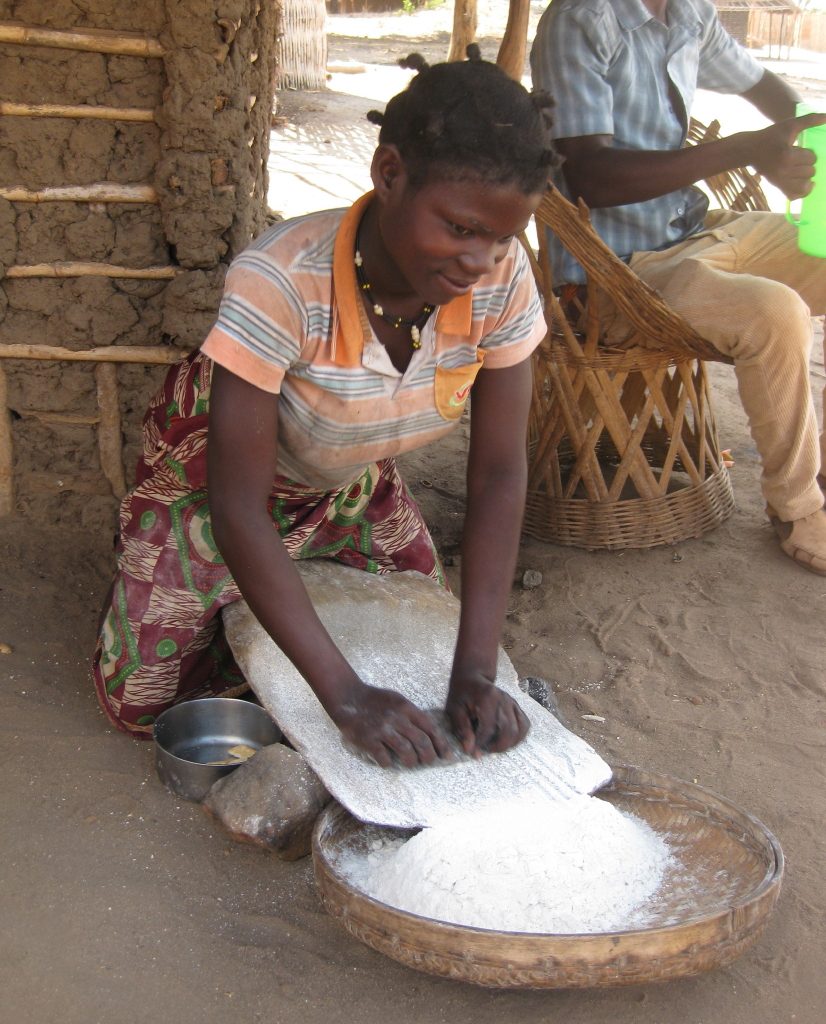
Hand Grain Mill Station
Set a plate or stone mill on a solid waist-high bench with a good hopper and catch tray, and turn grinding from a back-breaking chore into a steady twenty-minute job.
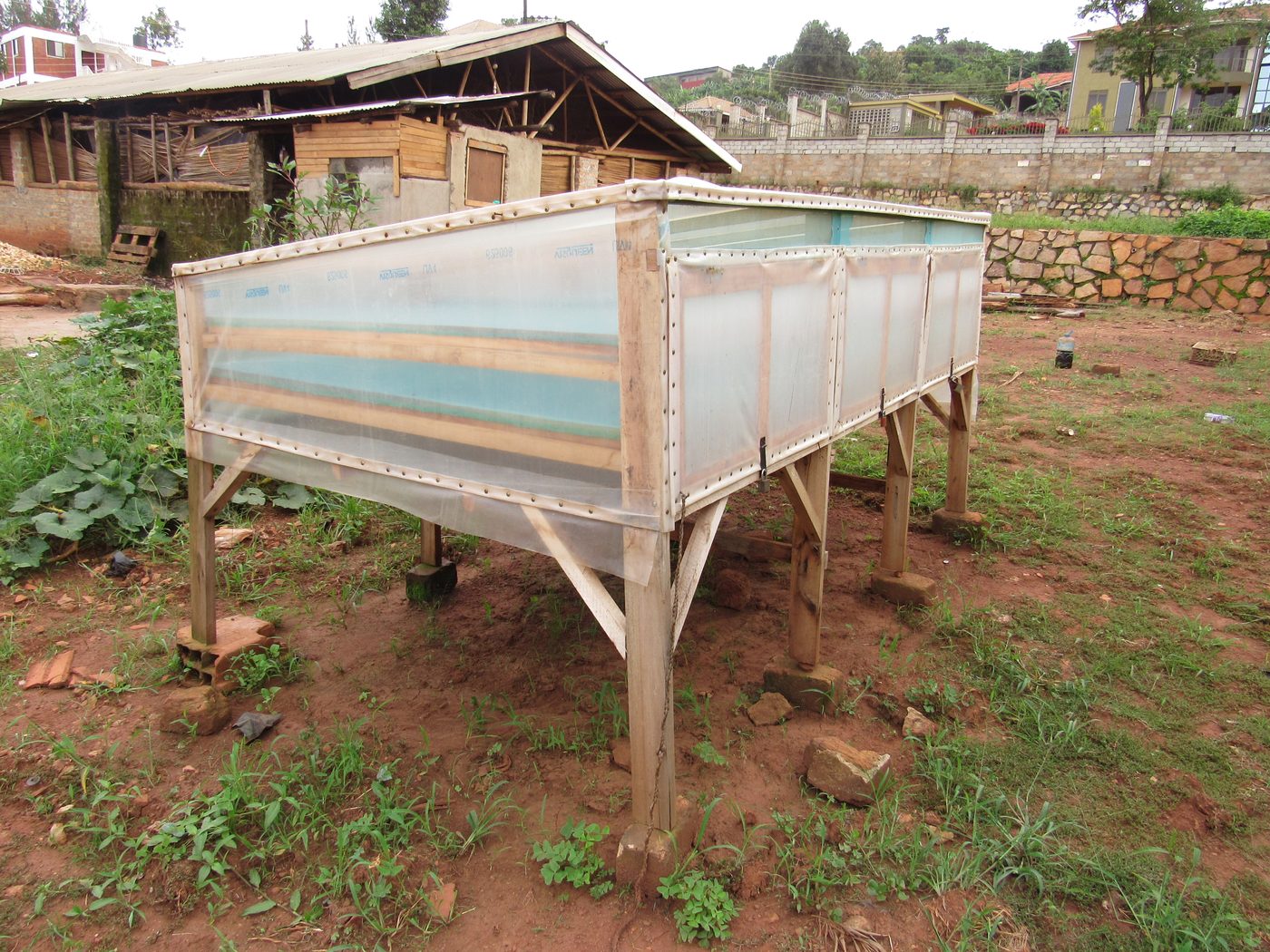
Indirect Solar Food Dryer
A timber cabinet with a glazed heat collector that dries fruit, vegetables and fish faster and cleaner than open sun, without bleaching the produce.
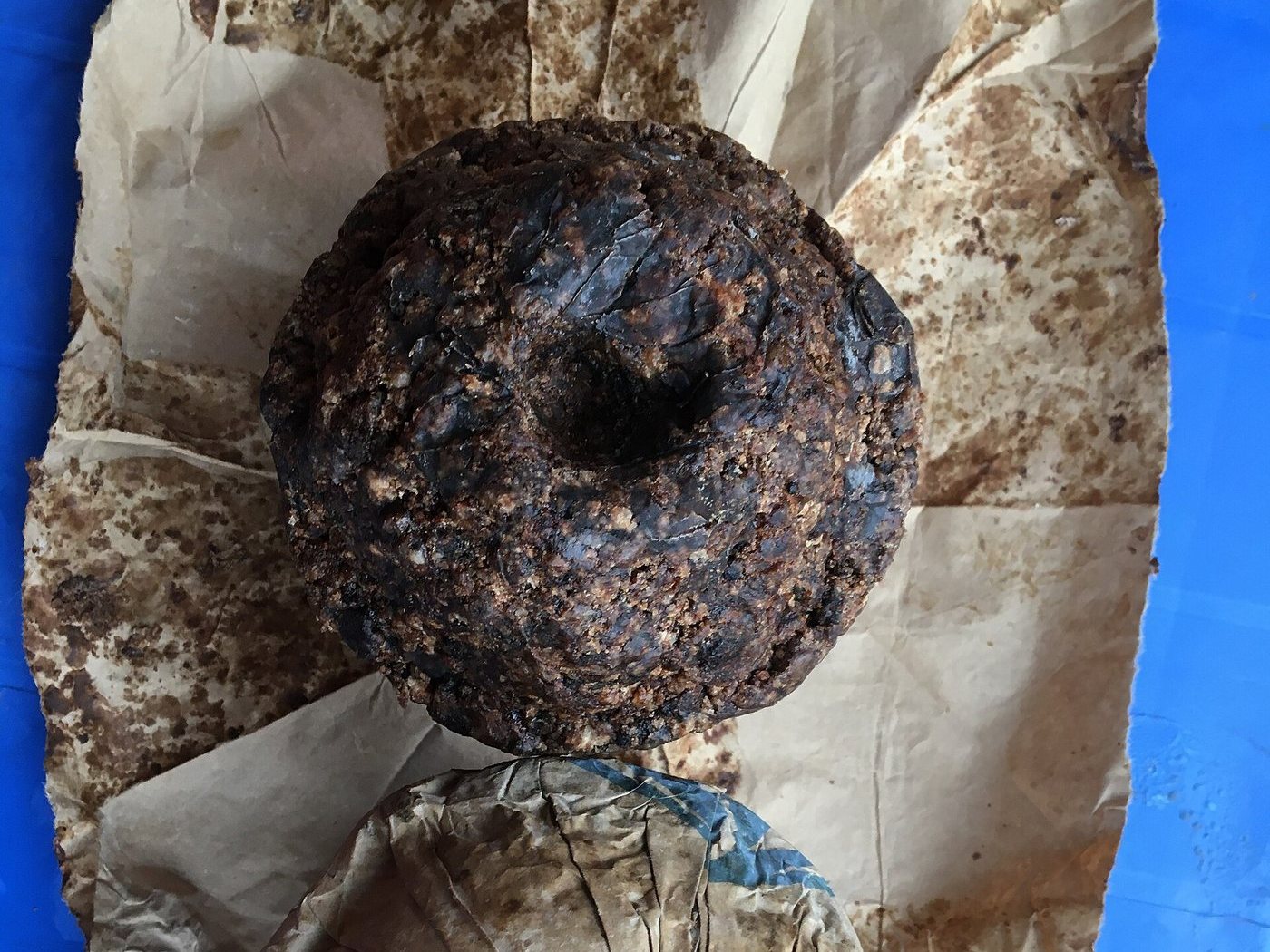
Cold-Process Soap from Local Oils
Turn shea butter, palm or coconut oil into hard bar soap you can use at home or sell — a reliable first micro-enterprise product.