
Cone Pit Biochar Kiln
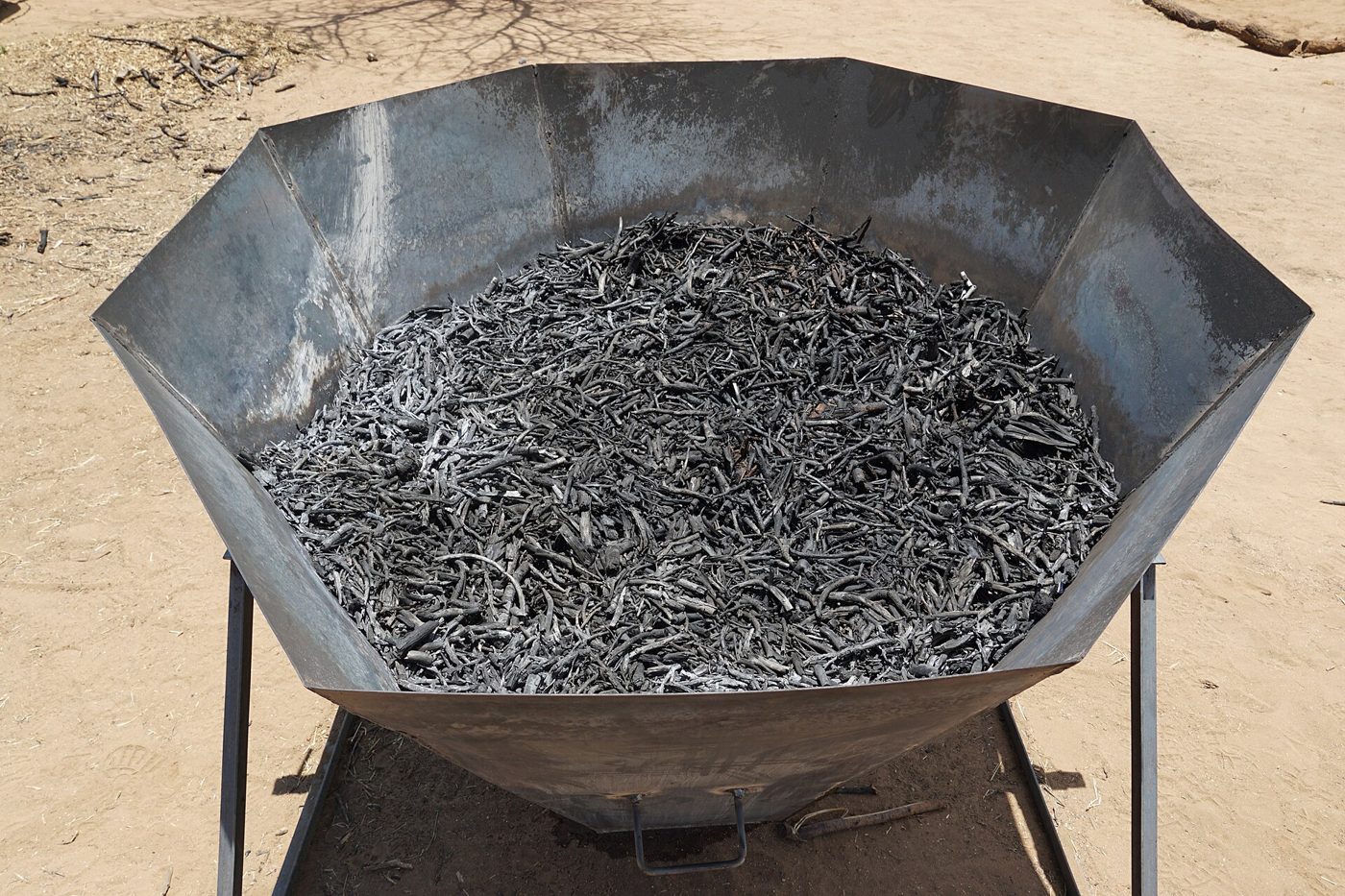
A sloped-wall cone or flame-cap pit that turns crop residue and prunings into biochar with far less smoke than a smouldering pile.
- Estimated cost
- Free as a dug pit; $80 – $250 for a steel cone
- Skill level
- Intermediate
- Time
- 1 day to dig; 3 – 5 hours per burn
Not yet verified
No confirmed build with photo proof has been submitted for this plan yet. Built it? Send photos and it earns the badge.
Tools
- Spade and mattock
- Long rake or fork
- Water drum and bucket
- Gloves
If you don't have it
- No sheet-steel cone? Dig a cone-shaped pit of the same angle in clay soil — the flame cap works the same way; yield drops slightly from soil moisture.
Materials
- Dry woody residue, prunings, maize stalks or coconut shell
- A cone-shaped pit with 45° sloped sides, or a fabricated steel cone
- Plenty of water, or soil, for quenching
- A sieve for grading the finished char
Dimensions & cut list
A sheet-steel conical kiln for making biochar from farm woody waste in a single burn. These are the reference sizes from Appropedia — scale them to what you have, but keep the ratios.
| Top diameter | 120 cm |
|---|---|
| Depth | 60 cm |
| Cone wall angle | 60° from horizontalShallower and the flame curtain collapses |
| Steel thickness | 2 mm mild steelThinner burns through in a season |
| Feedstock size | Sticks under 5 cm thick, dry |
| Burn time | 2–3 hours, fed in thin layers |
| Yield | ≈ 20% of feedstock volume as char |
Take this list to the yard
- 1 sheet 2.4 × 1.2 m2 mm steel sheet
- 4 mFlat bar for rim stiffener, 30 × 4 mm
- 3 × 300 mmLegs, 40 mm angle
- 200 litresWater drum for quenching
Step by step
Step 1 of 6
Dig or set the cone
Shape a pit about a metre across at the top narrowing to a point, sides at roughly 45°. The cone shape is what makes the flame cap work — a straight-sided pit smokes.
Swipe or use arrow keys
1. Dig or set the cone
Shape a pit about a metre across at the top narrowing to a point, sides at roughly 45°. The cone shape is what makes the flame cap work — a straight-sided pit smokes.
2. Start a hot fire at the bottom
Light a small, fierce fire in the base with dry kindling. You want a clean flame front established before bulk loading.
3. Feed in thin layers
Add biomass in layers only as thick as the previous layer's char, once it has ashed white at the edges. The flame above burns the smoke — that is the whole point.
4. Watch the flame, not the clock
Keep the top layer flaming. If it starts to grey over and smoke, add a thin layer. If flames die back, you have loaded too fast or the wood is wet.
5. Quench before it turns to ash
When the pit is full of glowing char and the flame drops, quench immediately with water or seal it with soil. Minutes of hesitation costs you a third of the yield.
6. Crush, charge and apply
Crush cooled char to under 10 mm, then charge it with compost, urine or manure slurry for two weeks before it goes in soil. Raw biochar strips nutrients in the first season.
Safety notes
- Never burn in high wind or near thatch, fuel stores or standing crops.
- Have water ready before you light — not after.
- Buried char pits can smoulder for days; make sure the quench is complete.
- Char dust is a respiratory irritant; wet it down before crushing.
Source & attribution
This plan is our build-step write-up of work documented by Appropedia. The original design and documentation belong to them — go read the source before you build.
Biochar production methodsLocal adaptations
What builders changed to make this work where they live.
- No adaptations shared yet for this plan.
Build this alongside
Plans that use the same materials or serve the same need.
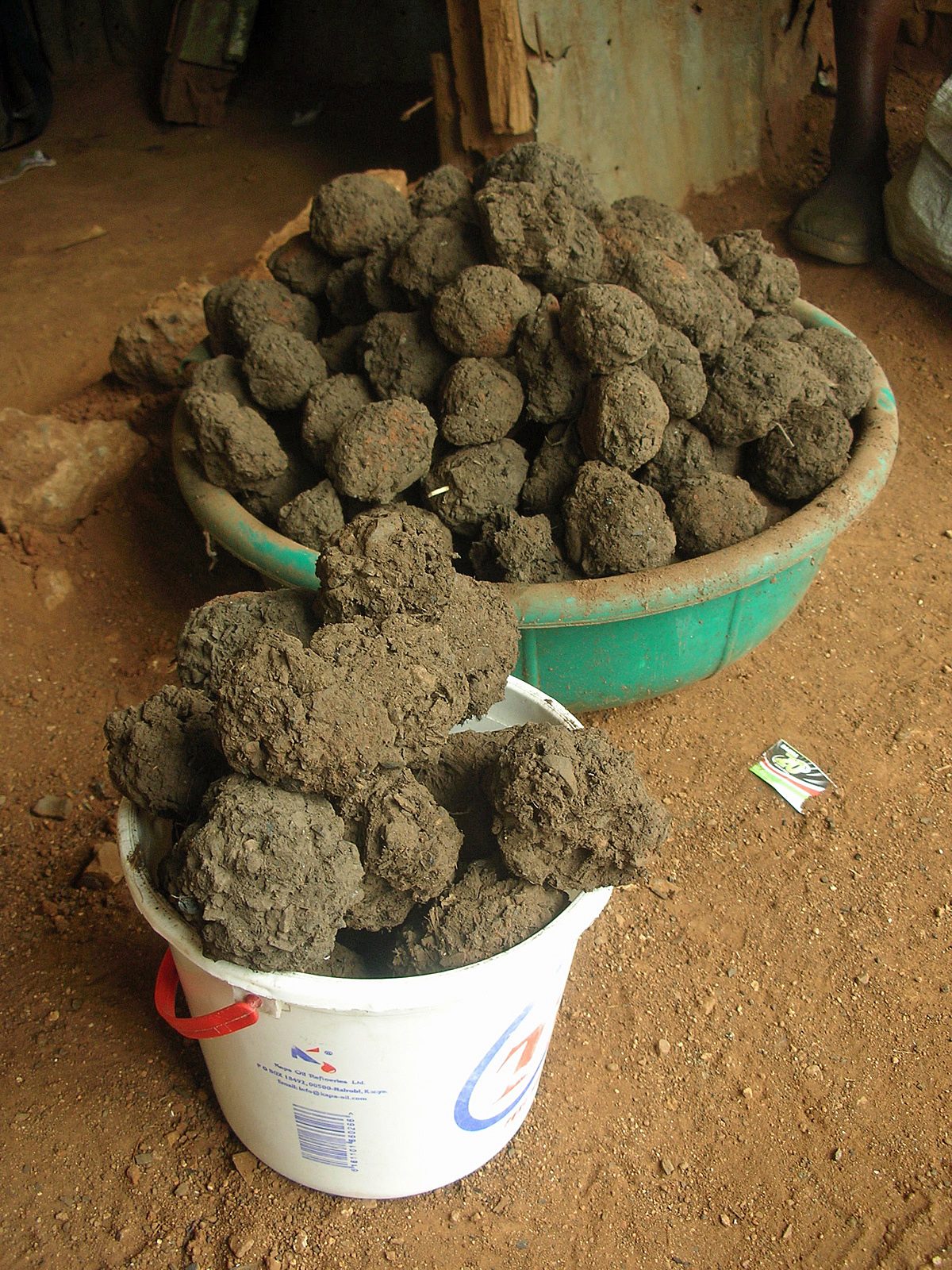
Lever-Arm Charcoal Briquette Press
Press agricultural waste and charcoal dust into burnable briquettes, turning a disposal problem into cooking fuel or a product to sell.
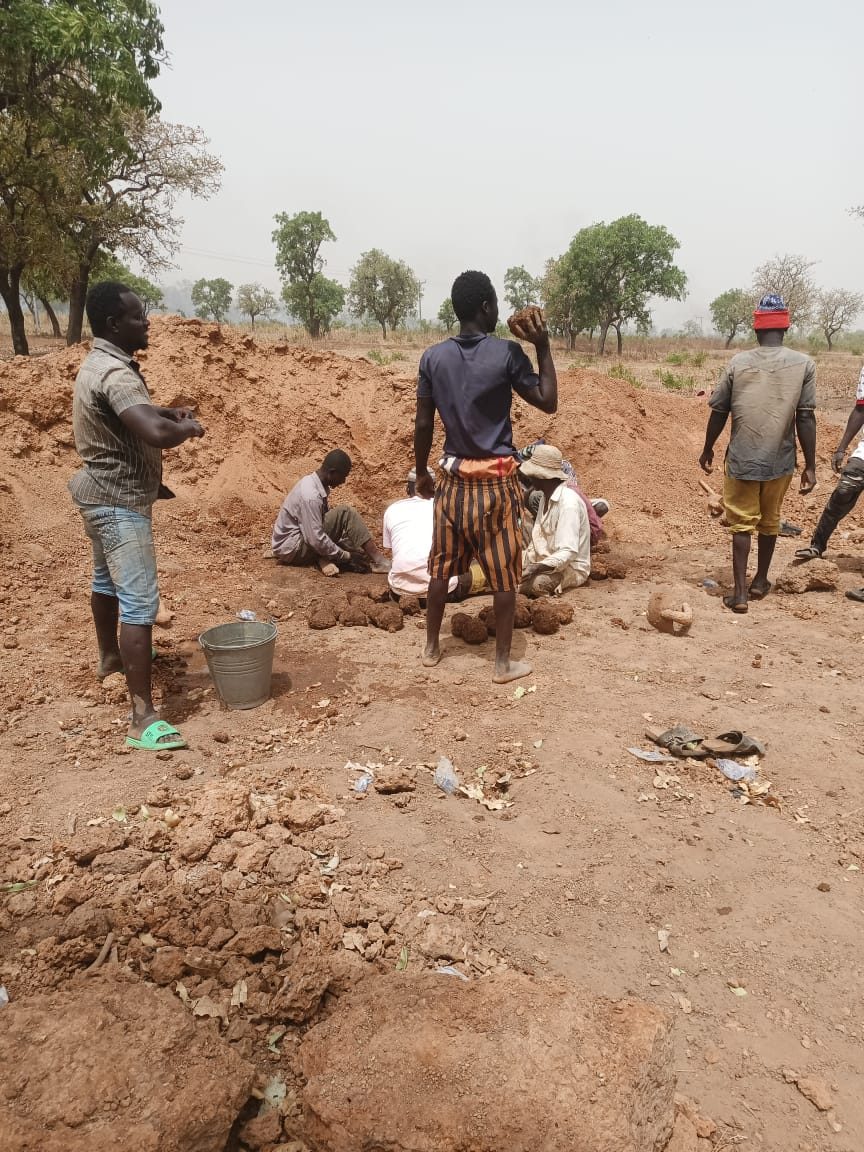
Sun-Dried Adobe Brick Yard
Mould and sun-cure mud bricks in the open with nothing but soil, straw, water and a timber mould — the cheapest wall material there is.
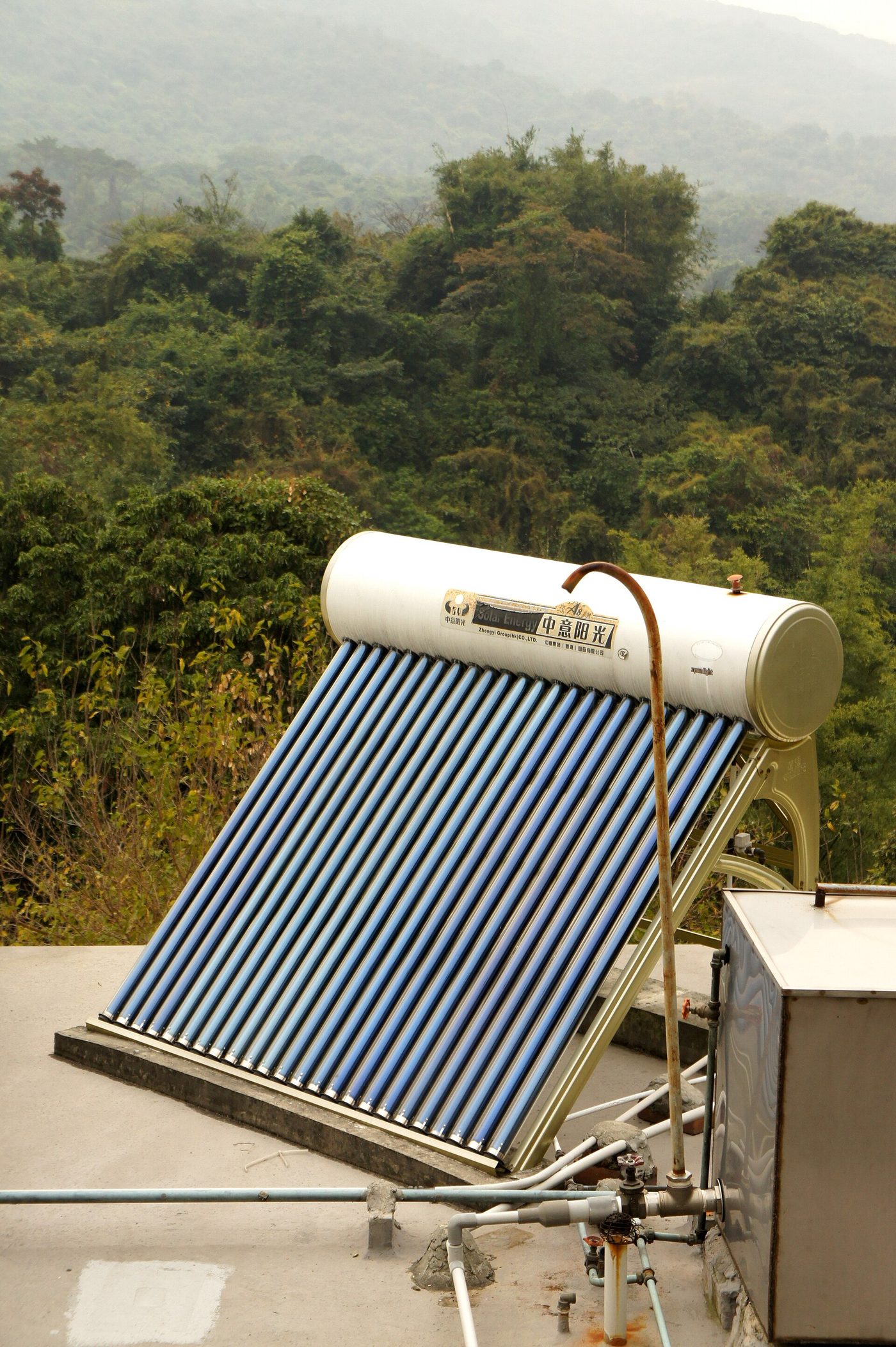
Batch Solar Water Heater from a Salvaged Tank
A black-painted tank in a glazed, insulated box that gives hot washing water by mid-afternoon with no pump, controller or electricity.