
Folded Cloth Pre-Filter
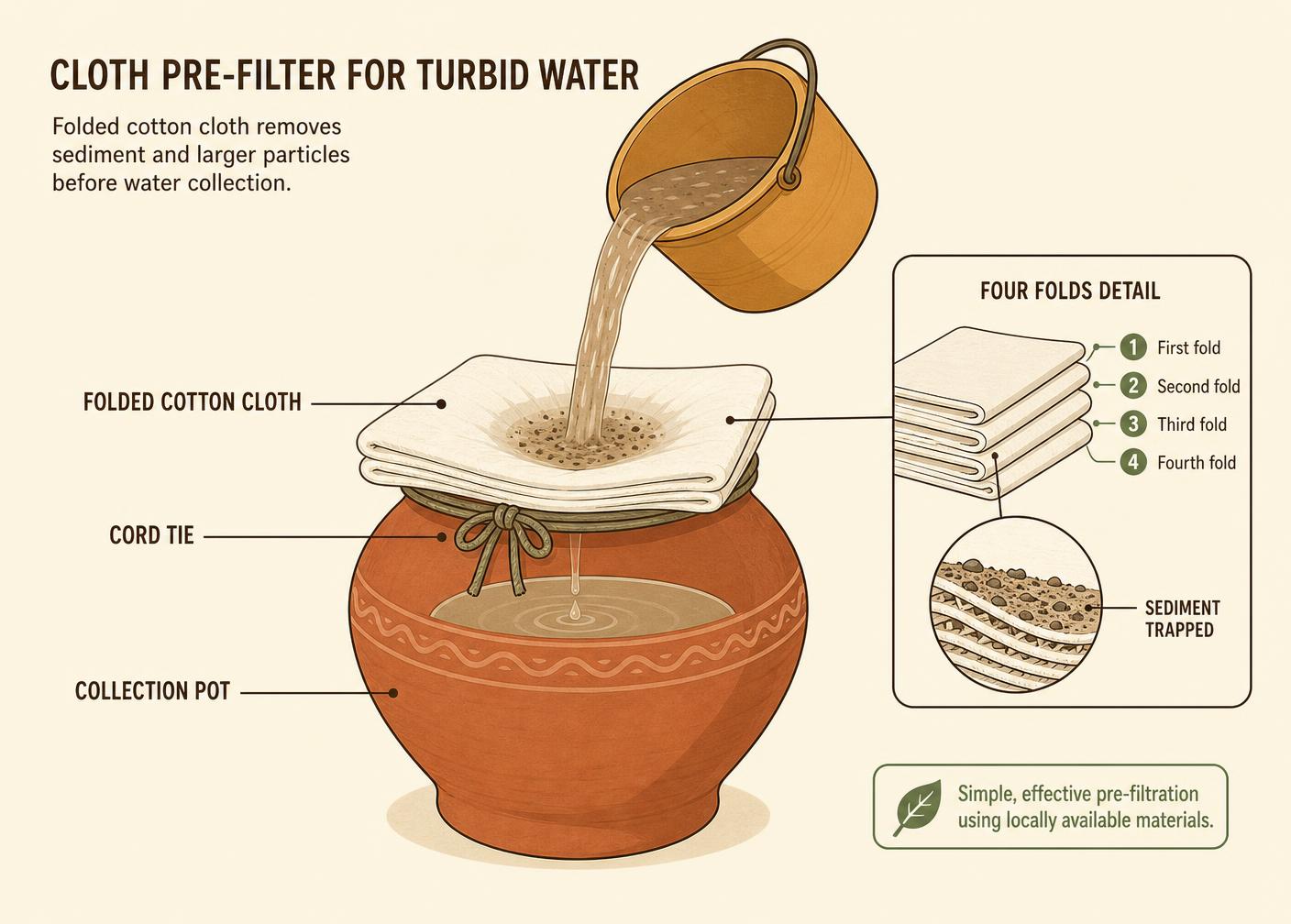
Four to eight folds of clean cotton cloth over the collection pot strips out the silt, larvae and copepods that defeat chlorine and clog filters.
- Estimated cost
- Under $3 for cloth and a tie
- Skill level
- Beginner
- Time
- 20 minutes
Not yet verified
No confirmed build with photo proof has been submitted for this plan yet. Built it? Send photos and it earns the badge.
Tools
- Scissors
- Needle and thread (optional)
Short a tool or material? Builders below have often swapped something local in — read Local adaptations before you buy anything.
Materials
- Old cotton sari cloth, kanga or fine-woven shirt fabric — not synthetic
- String, wire or a rubber ring to hold the cloth on the pot
- A clean receiving pot with a lid
- Soap for washing the cloth
Dimensions & cut list
A folded cotton cloth pre-filter for turbid surface water at the household collection point. These are the reference sizes from Appropedia — scale them to what you have, but keep the ratios.
| Cloth | Plain-weave cotton, 4 layers foldedSari cloth folded four times removes most cyclops and much of the silt |
|---|---|
| Effective pore size | ≈ 20 microns at 4 layers |
| Filter area | 300 × 300 mm over the pot mouth |
| Flow | 5–10 litres a minute pouring slowly |
| Cloth lifespan | Replace when threadbare or after 6 months |
| Cleaning | Wash and sun-dry after every use, same face up each time |
Take this list to the yard
- 3Cotton cloth pieces, 400 × 400 mm
- 3Elastic band or tie cord
- 1Collection vessel with narrow mouth
- —Marked cloth cornerMark one corner so the dirty face always goes up — flipping it re-contaminates
Step by step
Step 1 of 6
Choose used, soft cloth
Worn cotton filters better than new: repeated washing shrinks the weave. Synthetic fabric has the wrong pore structure and does not work.
Swipe or use arrow keys
1. Choose used, soft cloth
Worn cotton filters better than new: repeated washing shrinks the weave. Synthetic fabric has the wrong pore structure and does not work.
2. Fold to at least four layers
Fold the cloth four to eight times. Field studies of sari-cloth filtration found this fold count removes most copepods and a large share of attached bacteria.
3. Tie it taut over the pot
Stretch the cloth across the pot mouth and tie it firmly so it dips slightly. Slack cloth lets water run around the edge unfiltered.
4. Pour slowly through the centre
Pour in a thin stream into the middle of the cloth. A hard pour splashes unfiltered water past the edge.
5. Always use the same side up
Mark one side of the cloth and keep that face upstream every time, so trapped material never gets flushed into clean water.
6. Wash and sun-dry daily
Rinse the cloth, wash it with soap, and dry it in full sun each day. Then chlorinate, boil or filter the pre-filtered water — this step alone is not disinfection.
Why mine failed
The ways this build usually goes wrong, and what fixes it.
Filtered water is still cloudy
CauseToo few cloth layers, or the weave is too open
FixFold plain-weave cotton to four layers. Synthetic and loosely woven cloth barely helps — old cotton sari or shirt cloth is the proven material.
People fall sick despite filtering
CauseExpecting cloth to disinfect
FixCloth removes silt, larvae and copepods only. Always follow with boiling, chlorine, SODIS or a sand filter — this is a first stage, never the whole treatment.
Cloth itself becomes a source of contamination
CauseStored damp, or flipped between uses
FixWash and sun-dry after every use, and mark one corner so the same face always goes up.
Safety notes
- Cloth filtration reduces turbidity and larger organisms; it does not make water microbiologically safe.
- Never use cloth that has been used for cleaning or that has been washed in the same source water untreated.
- Replace cloth that has holes or has gone threadbare.
Source & attribution
This plan is our build-step write-up of work documented by Appropedia. The original design and documentation belong to them — go read the source before you build.
Cloth filtration of drinking waterLocal adaptations
What builders changed to make this work where they live.
- No adaptations shared yet for this plan.
Build this alongside
Plans that use the same materials or serve the same need.
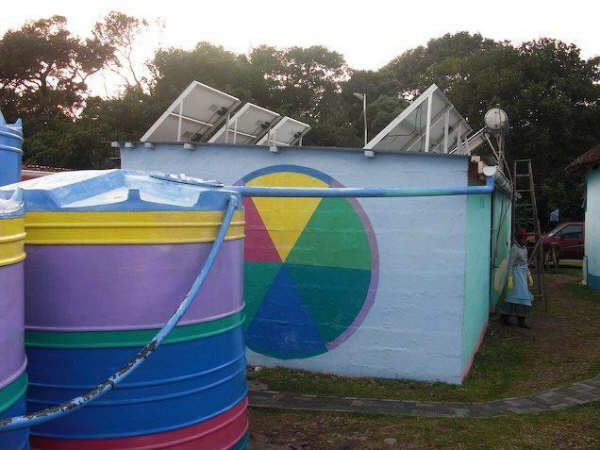
Rooftop Rainwater Harvesting with First-Flush Diverter
Catch and store roof runoff, and throw away the dirty first few litres automatically so what reaches your tank is worth storing.
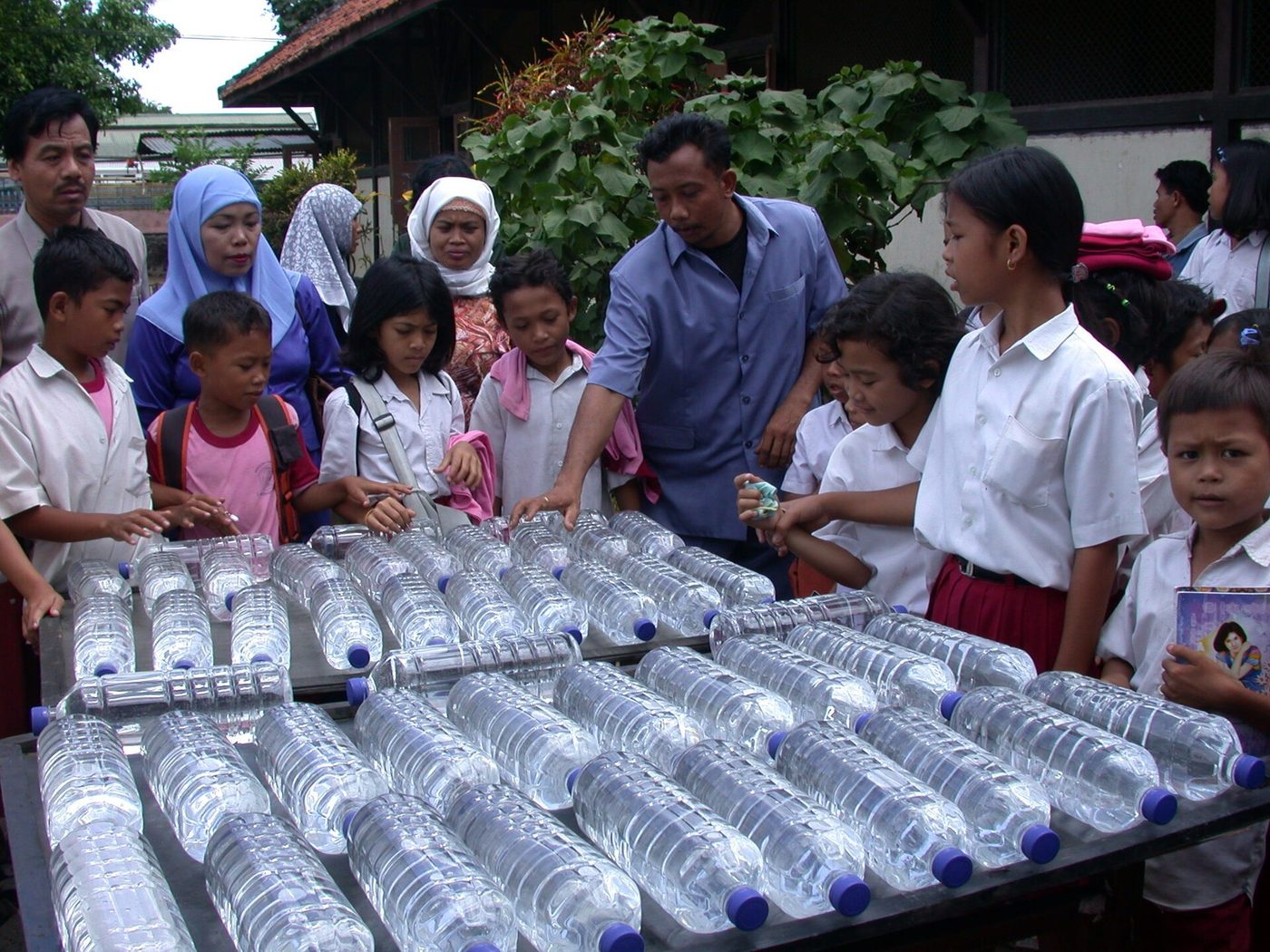
SODIS Solar Water Disinfection Rack
Clear PET bottles on a black-painted roof rack, using six hours of sun to make biologically safe drinking water at no running cost.
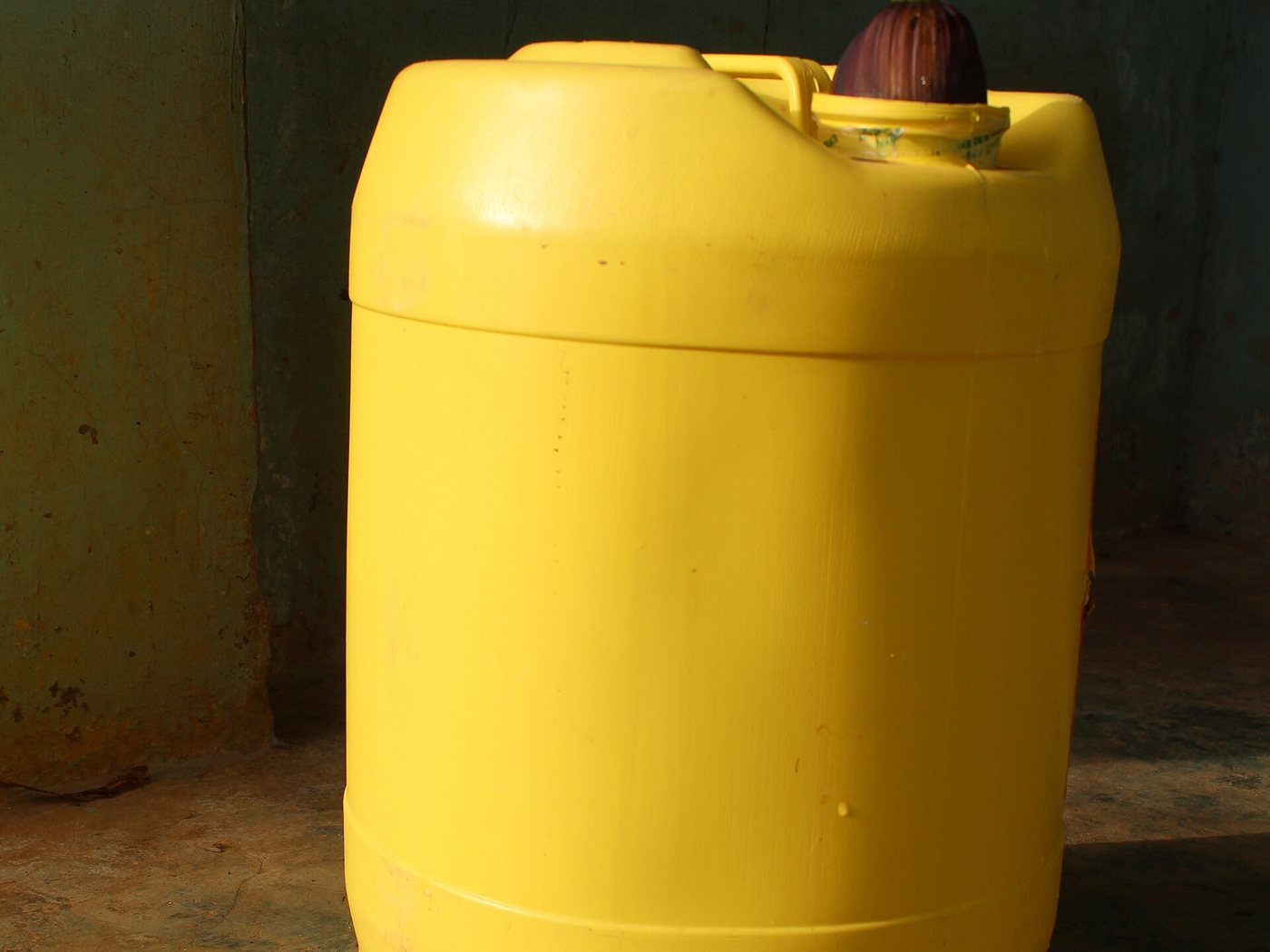
Safe Water Storage Vessel
Convert an ordinary jerrycan or clay pot into a narrow-mouth, tap-fitted, lidded storage vessel so treated water does not get recontaminated by hands and cups.