
Foot-Pedal Handwashing Station
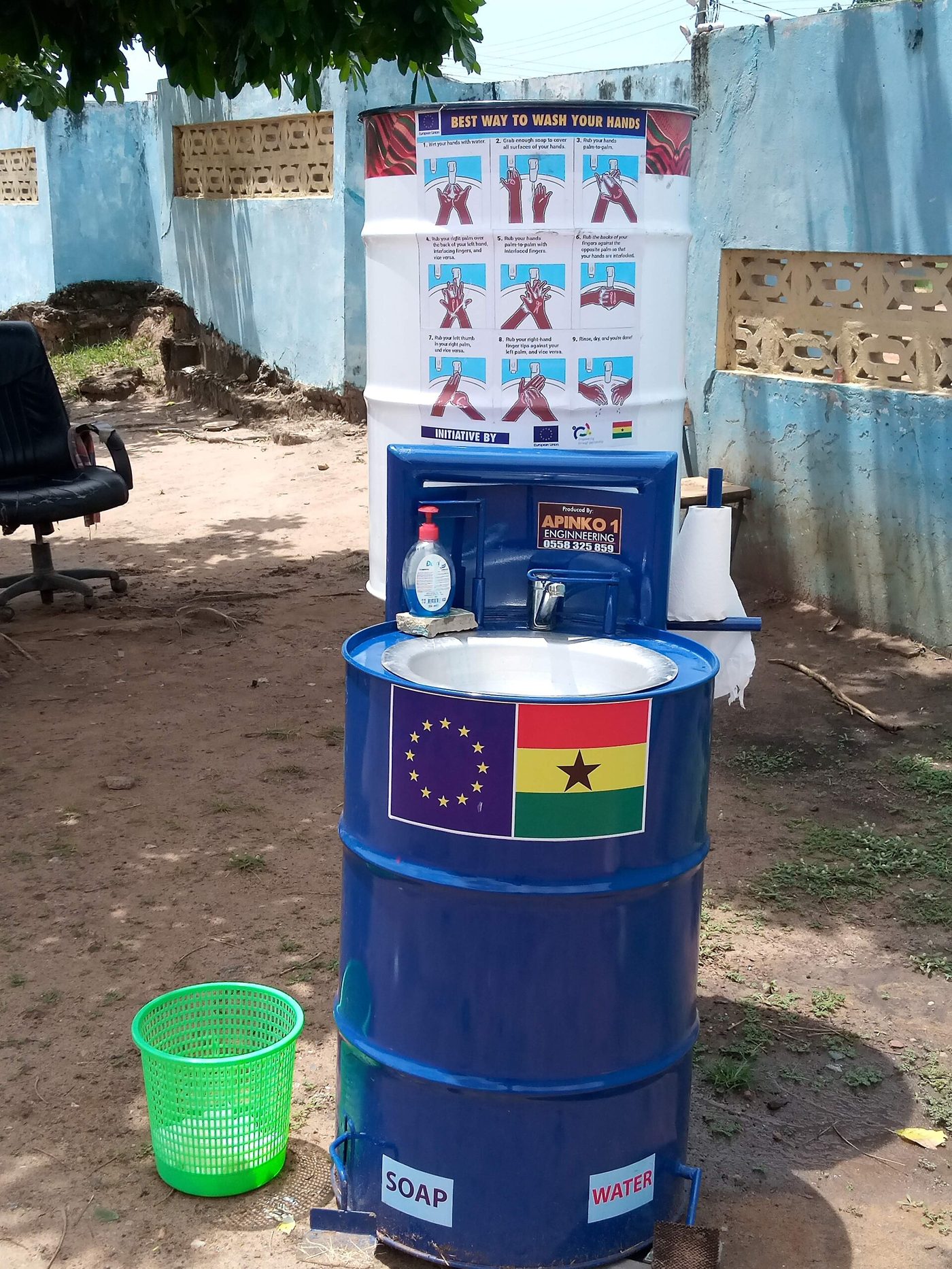
A hands-free pedal station that runs on a jerrycan of water — no tap to touch, so washing hands doesn't recontaminate them.
- Estimated cost
- $8 – $35 for the frame, container and linkage
- Skill level
- Beginner
- Time
- Half a day
Not yet verified
No confirmed build with photo proof has been submitted for this plan yet. Built it? Send photos and it earns the badge.
Tools
- Saw
- Drill or hot nail
- Pliers
- Hammer
- Knife
Short a tool or material? Builders below have often swapped something local in — read Local adaptations before you buy anything.
Materials
Dimensions & cut list
A hands-free foot-pedal handwashing stand for a clinic, school or household compound. These are the reference sizes from SuSanA — scale them to what you have, but keep the ratios.
| Tank capacity | 20 litres≈ 100 handwashes at 200 ml each |
|---|---|
| Tank height above the tap | 600 mm minimum for a decent flow |
| Spout height | 900 mm for adults, add a 200 mm step for children |
| Pedal travel | 60 mm, spring or counterweight return |
| Lever ratio | 3:1 pedal to valve stem |
| Frame footprint | 500 × 400 mm, braced |
| Soak pit / drain | 300 mm gravel pit, 400 mm across |
Take this list to the yard
- 120 litre jerrycan or drum with tap
- 6 mTimber or 25 mm pipe frame
- 1Pedal board and pivot bolt
- 1.5 mWire or rod linkage to the tap lever
- 1Return spring (or hanging counterweight)
- 1 eachSoap on a string and a drain pitWithout soap the station only spreads the germs around
Step by step
Step 1 of 6
Build a firm stand
Set two posts and a cross bar to carry the full jerrycan at chest height for adults, with a lower step or second unit for children.
Swipe or use arrow keys
1. Build a firm stand
Set two posts and a cross bar to carry the full jerrycan at chest height for adults, with a lower step or second unit for children.
2. Fit the valve
Either mount a tap low on the can or make a simple valve: a hole with a tapered plug or a nail through a rubber flap.
3. Link the pedal
Run a wire from a hinged foot pedal up to the tap lever or plug so pressing down opens the flow. Keep the linkage short and direct.
4. Fit a return spring
A strip of inner tube pulls the valve shut when the foot lifts. Without a positive return, the station runs your tank dry in an afternoon.
5. Set the flow low
Tune the opening so it delivers a thin stream. Twenty litres should serve dozens of washes; a gushing tap serves five.
6. Dig a soakaway and hang soap
Put a stone-filled soakaway under the station so it doesn't turn to mud, and tie soap on a string so it can't walk away. Refill and check the linkage daily.
Why mine failed
The ways this build usually goes wrong, and what fixes it.
Flow is a dribble
CauseNot enough head above the tap
FixRaise the tank so there is at least 600 mm from water level to spout, and open up the tap bore.
Pedal linkage jams or the tap stays open
CauseBent linkage or weak return spring
FixGuide the linkage through a loop or bracket, keep the pedal travel to 60 mm, and use a stronger spring or a hanging counterweight.
Station is dry every time you check it
CauseNobody is responsible for refilling
FixName a person and a refill time, and choose a size that matches use — 20 litres is about 100 washes.
Muddy puddle and mosquitoes below the stand
CauseNo drainage
FixDig a 400 mm gravel soak pit under the spout, or run the greywater to a banana circle.
Safety notes
- Site handwashing stations right outside latrines and kitchens — distance kills the habit.
- Empty and dry the container regularly; standing water in the can grows biofilm.
- Keep the soakaway drained so the station is not a mosquito site.
Source & attribution
This plan is our build-step write-up of work documented by SuSanA. The original design and documentation belong to them — go read the source before you build.
Hands-free handwashing facilitiesLocal adaptations
What builders changed to make this work where they live.
- No adaptations shared yet for this plan.
Build this alongside
Plans that use the same materials or serve the same need.
Tippy Tap Handwashing Station
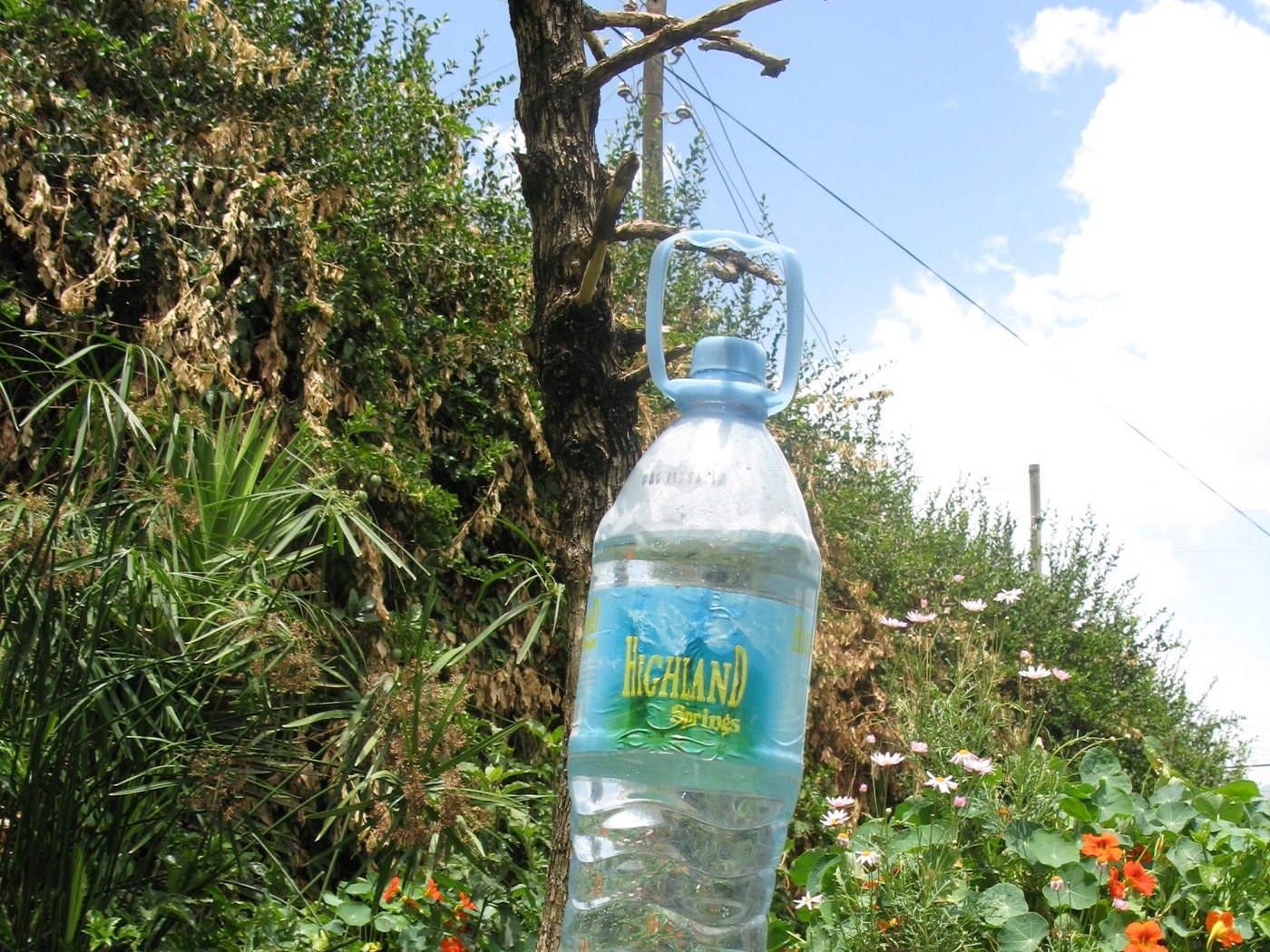
A foot-operated hands-free handwashing station built from a jerrycan, sticks and string — runs on a fifth of the water of a tap.
Arborloo Shallow-Pit Compost Toilet
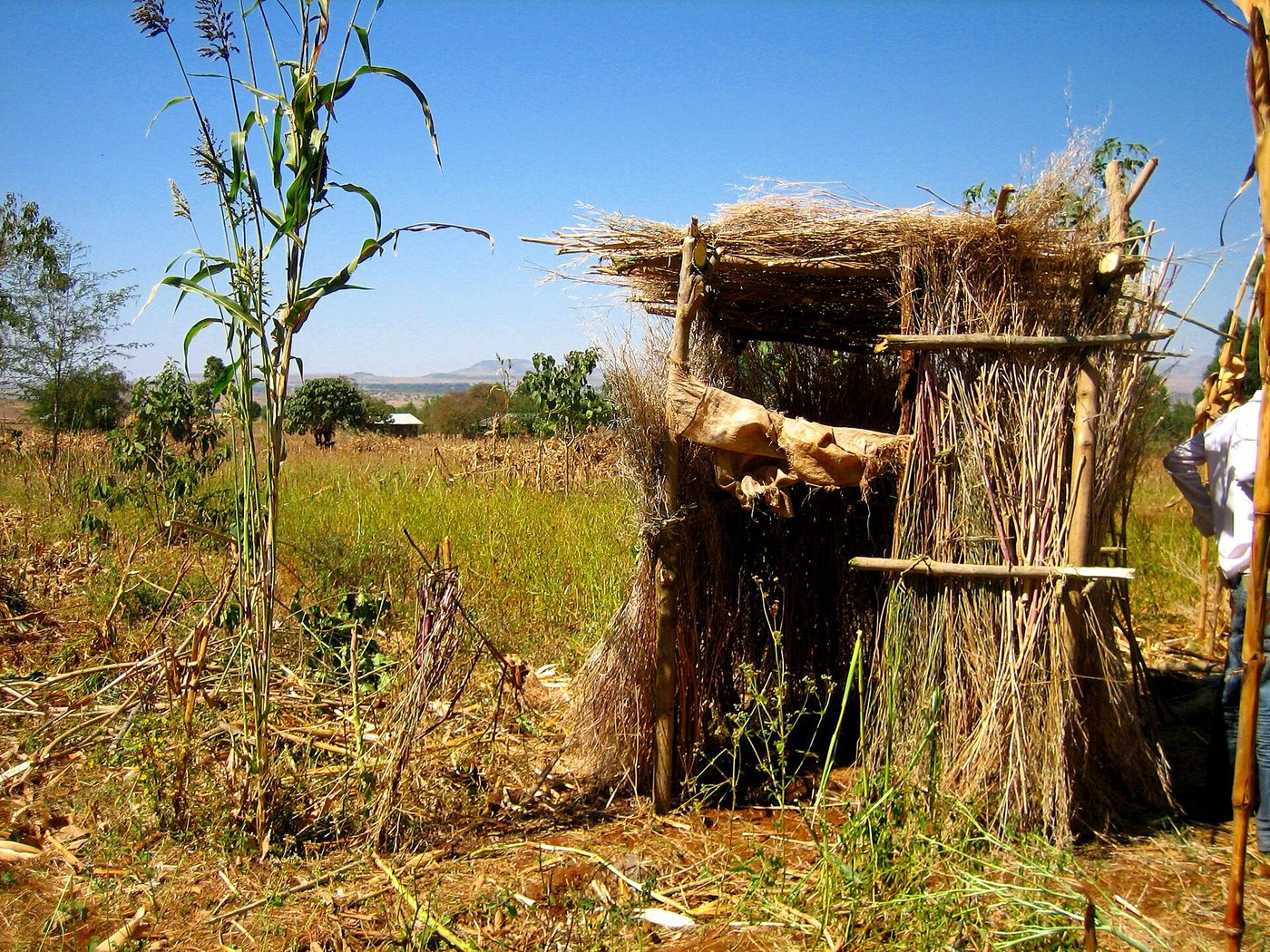
A shallow pit toilet with a movable slab and superstructure — fill it, cap it with soil, plant a tree on it and dig the next one.
Kenyan Top-Bar Beehive
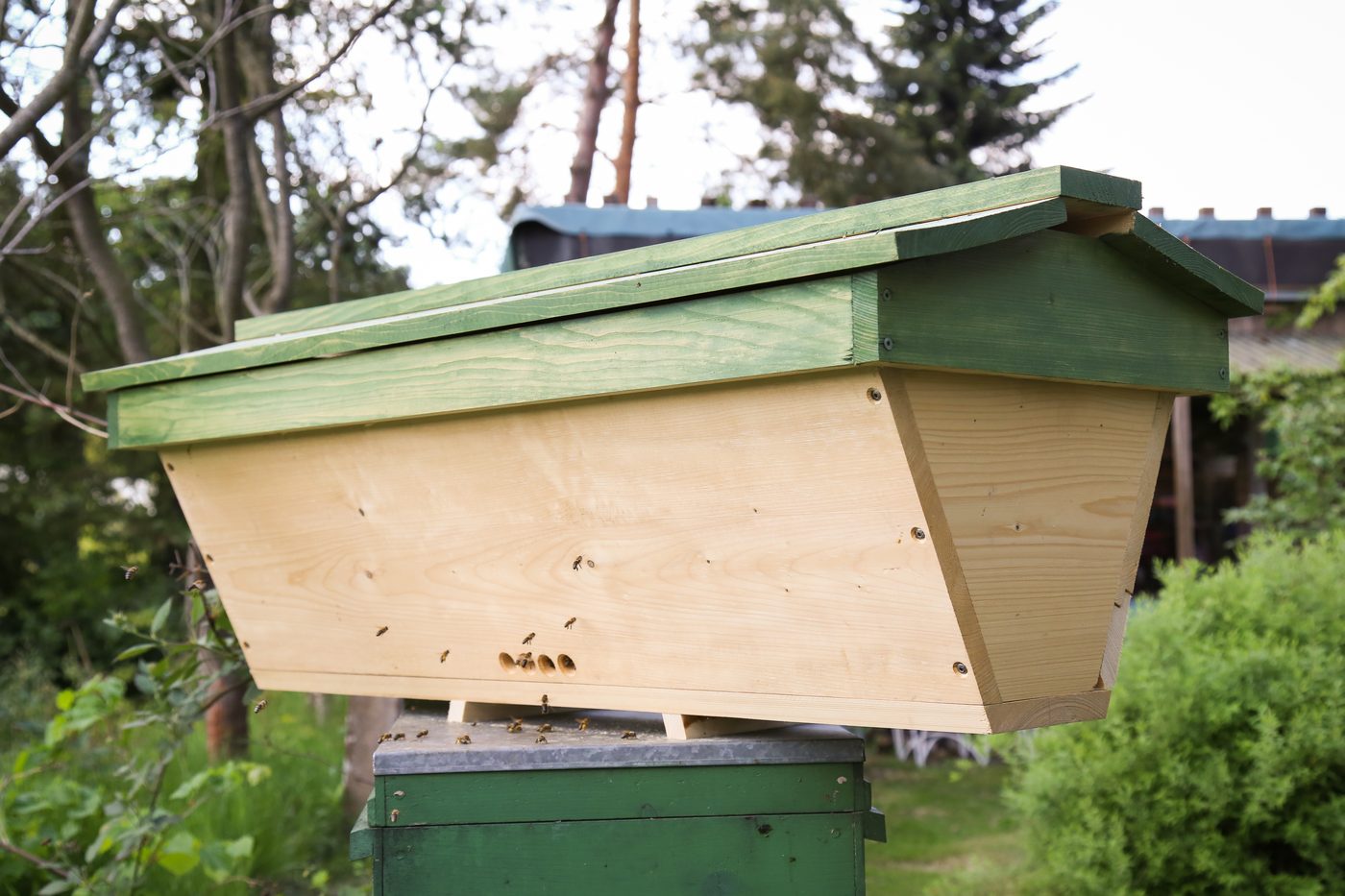
A sloped-sided hive with removable top bars that lets you inspect and harvest comb without frames, foundation or imported equipment.