
Handmade Recycled Paper
Pulp waste paper with banana fibre or grass, pull sheets on a simple mould and deckle, and sell notebooks, cards and packaging from rubbish.
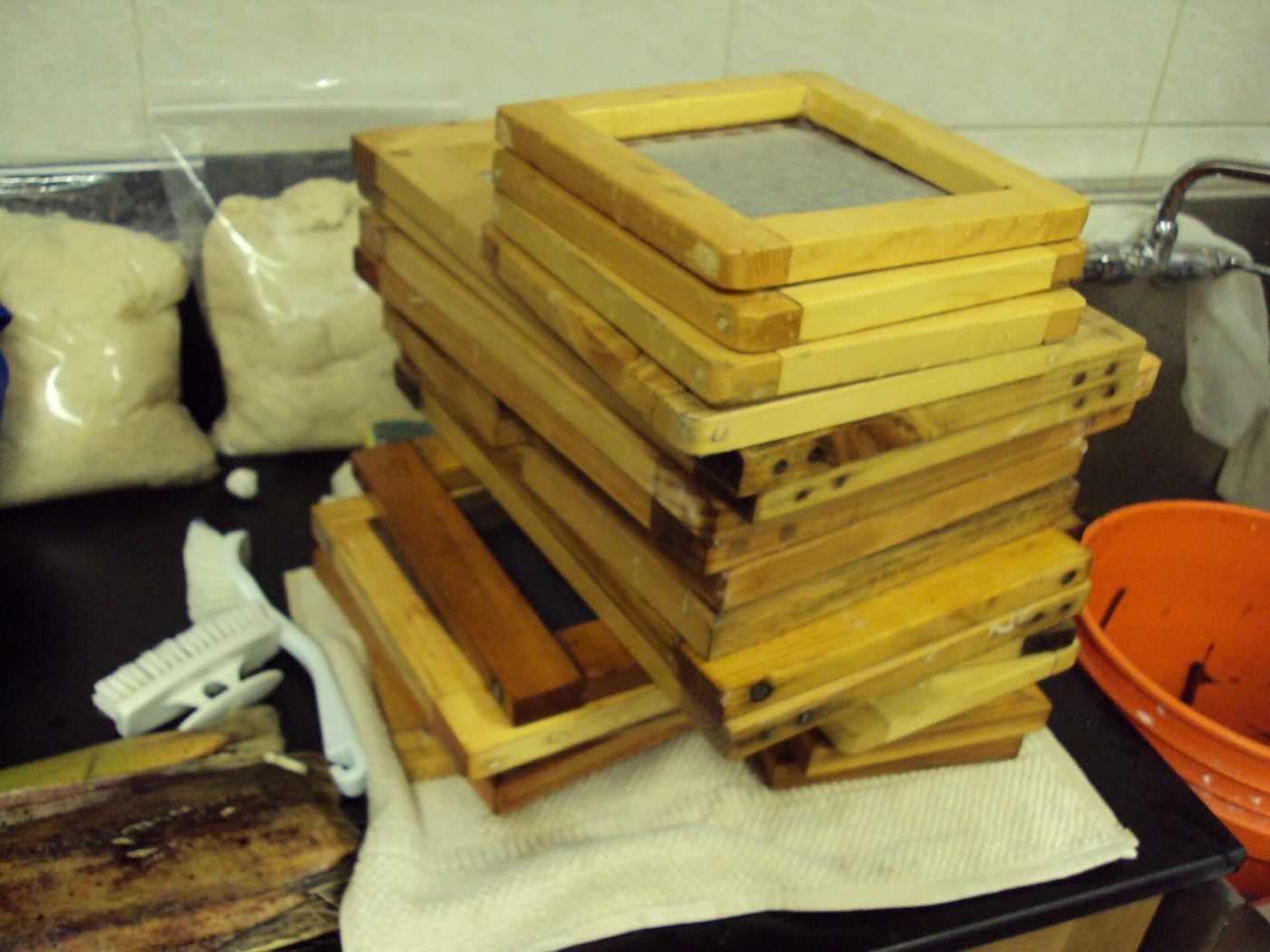
- Estimated cost
- $15 – $70 for mesh, timber and a vat
- Skill level
- Beginner
- Time
- 2 days setup; a batch a day thereafter
Not yet verified
No confirmed build with photo proof has been submitted for this plan yet. Built it? Send photos and it earns the badge.
Tools
- Mould and deckle frames with fine mesh
- A vat or basin larger than the mould
- Blender, pestle or hand beater
- Felts or old cotton cloth
- A simple screw or lever press
If you don't have it
- No deckle and mould? Stretch mosquito mesh over two matching picture frames; a blender-free pulp can be pounded in a mortar.
Materials
- Clean waste paper — office paper, newsprint, exercise books
- Banana pseudostem, sisal or grass fibre for strength
- Water, and a little starch or gum for sizing
- Natural dyes, petals or leaves for decoration
- Flat drying boards or a line
Dimensions & cut list
A small enterprise making A4 recycled sheets from waste paper, 200 sheets a day. These are the reference sizes from Practical Action — scale them to what you have, but keep the ratios.
| Mould and deckle | 230 × 320 mm frame, mesh at 30–40 threads per inch |
|---|---|
| Vat size | 600 × 450 × 300 mm |
| Pulp consistency | ≈ 1 part pulp to 100 parts water in the vat |
| Soaking time | Waste paper torn small and soaked overnight |
| Beating | 2–3 minutes per blender batch, or 20 minutes by hand-pounding |
| Pressing | Stack of couched sheets pressed under 200 kg for 30 minutes |
| Drying | 4–8 hours in shade on cloth or boards |
| Sheet weight | ≈ 120 gsm at this thickness |
Take this list to the yard
- 2 setsMould and deckle pair
- 1Vat (plastic tub)
- 40Couching cloths (felt or old blanket)
- 1Screw or lever press
- 1Blender or pounding mortar
- 1 kg makes ≈ 40 A4 sheetsWaste paperAvoid glossy and heavily inked stock — it greys the whole batch
Step by step
Step 1 of 6
Sort and soak
Remove staples, tape and glossy laminated stock. Tear the rest small and soak overnight until it comes apart easily.
Swipe or use arrow keys
1. Sort and soak
Remove staples, tape and glossy laminated stock. Tear the rest small and soak overnight until it comes apart easily.
2. Beat to pulp
Beat or blend until no whole flakes remain. Add cooked and pounded banana or sisal fibre for tear strength — pure recycled paper makes weak sheets.
3. Charge the vat
Stir pulp into the vat at roughly one part pulp to twenty parts water. Thicker slurry makes thicker paper; keep the ratio constant for a consistent batch.
4. Pull the sheet
Dip the mould and deckle vertically, level it under the surface, and lift straight up with a gentle shake in both directions to lock the fibres.
5. Couch and press
Roll the wet sheet onto a damp cloth, stack sheets between cloths, and press hard to squeeze out water. Pressing is what gives a flat, strong sheet.
6. Dry and finish
Dry on boards or a line in the shade, then press the dry sheets flat under weight. Size with a light starch wash if the paper will be written on with ink.
Why mine failed
The ways this build usually goes wrong, and what fixes it.
Sheets are thick, uneven and lumpy
CausePulp not beaten enough, or the vat too concentrated
FixBeat until the fibres are fully separated and thin the vat until a dip gives a sheet you can just see through. Stir before every pull.
Sheets tear when lifting off the mould
CausePressed and couched too wet
FixLet the water drain fully on the mould, then roll the sheet onto the cloth with a firm even motion. Press stacked, not singly.
Paper curls and cockles when dry
CauseDried unrestrained in sun or wind
FixDry pressed between cloths and boards in the shade, and give it a final press once dry.
Paper is grey and ugly
CauseMixed inked and glossy stock
FixSort your waste paper — office white for pale sheets, and add banana fibre or petals for texture rather than trying to bleach.
Safety notes
- Beware of staples and blades in waste paper — sort with gloves.
- Pulp water goes foul fast; change the vat daily and drain away from the water source.
- Guard blender blades and keep children away from the press.
Source & attribution
This plan is our build-step write-up of work documented by Practical Action. The original design and documentation belong to them — go read the source before you build.
Small-scale handmade paper productionLocal adaptations
What builders changed to make this work where they live.
- No adaptations shared yet for this plan.
Build this alongside
Plans that use the same materials or serve the same need.

Sisal Rope Twisting Rig
A hand-cranked rope walk that lays sisal or banana fibre into three-strand rope — a genuinely useful product from a plant most people cut and burn.
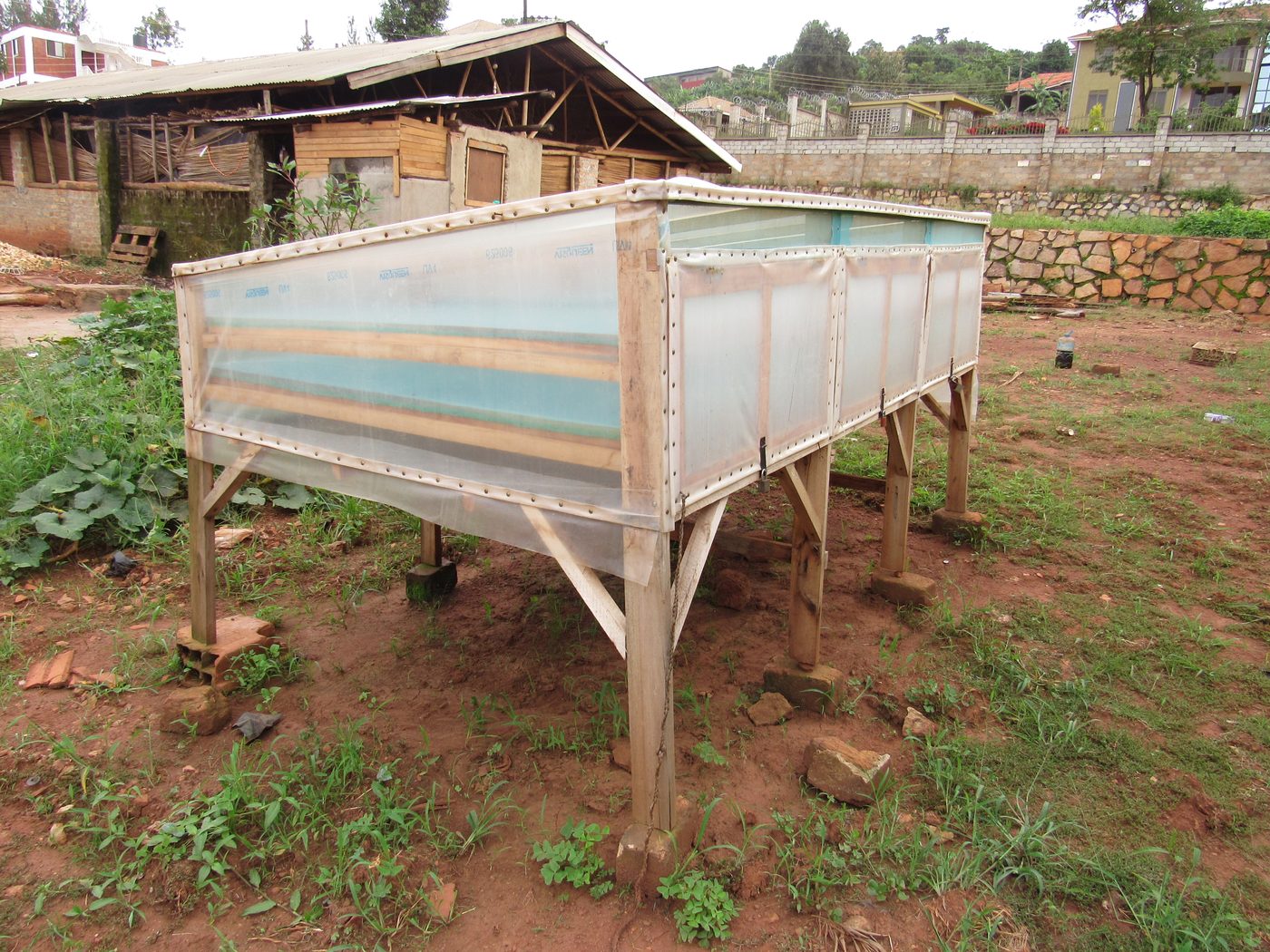
Indirect Solar Food Dryer
A timber cabinet with a glazed heat collector that dries fruit, vegetables and fish faster and cleaner than open sun, without bleaching the produce.

Hand-Cranked Maize Sheller
A simple drum-and-plate sheller that strips maize cobs several times faster than hand shelling, without bruising the grain.