
Sisal Rope Twisting Rig
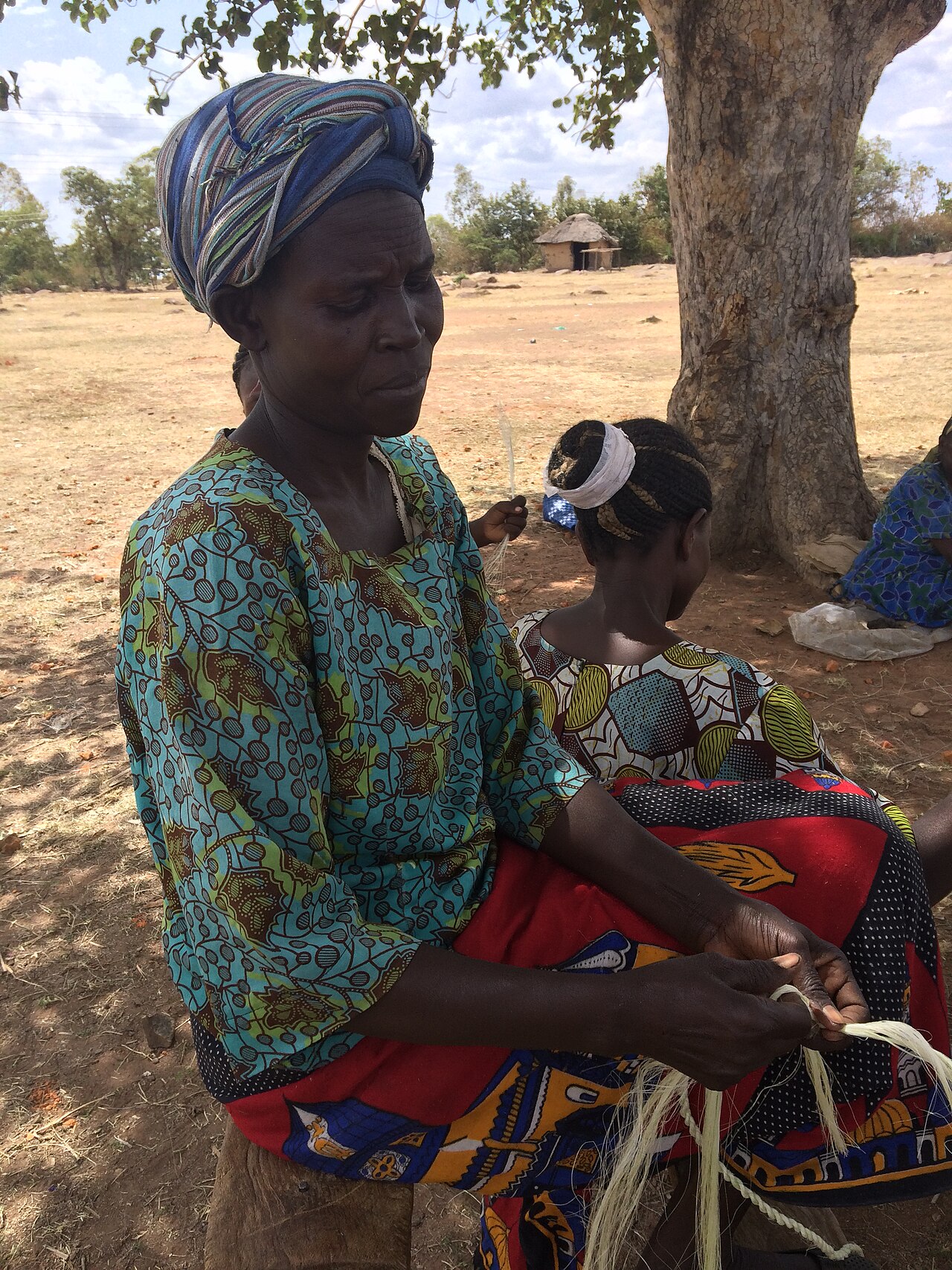
A hand-cranked rope walk that lays sisal or banana fibre into three-strand rope — a genuinely useful product from a plant most people cut and burn.
- Estimated cost
- $10 – $50 for timber, hooks and a crank
- Skill level
- Beginner
- Time
- 1 day to build the rig
Not yet verified
No confirmed build with photo proof has been submitted for this plan yet. Built it? Send photos and it earns the badge.
Tools
- Drill
- Saw
- Pliers
- Hammer
- Knife
Short a tool or material? Builders below have often swapped something local in — read Local adaptations before you buy anything.
Materials
- Retted and dried sisal, banana or baobab bark fibre
- Timber for a three-hook crank head and a single-hook tail block
- Stiff wire or bolts for the hooks
- A grooved top — a wooden cone with three grooves that keeps the strands separated
- Weights or a stake to keep tension
Dimensions & cut list
A hand-cranked rope walk turning sisal fibre into 12 mm three-strand rope, 30 m at a time. These are the reference sizes from Appropedia — scale them to what you have, but keep the ratios.
| Rope length made | 30 m finished (start with ≈ 40 m of laid-out yarn)Rope shortens about 25% as it closes up |
|---|---|
| Finished diameter | 12 mm |
| Strands | 3, each of 12–15 yarns |
| Twist direction | Yarns Z, strands laid SOpposite twists are what stop the rope unlaying itself |
| Crank hooks | 3 hooks geared to turn together, 1:3 from the handle |
| Top-and-cone | Hardwood cone with three grooves, drawn along as the rope closes |
| Fibre prep | Retted, dried, combed sisal |
| Output | ≈ 100 m of 12 mm rope a day for two people |
Take this list to the yard
- ≈ 4 kg per 30 m of 12 mm ropeCombed sisal fibre
- 1Three-hook geared crank head
- 1Sliding swivel sledge with one hook
- 1Hardwood top / lay cone
- 4Posts to define the rope walkNeeds a clear straight run 5 m longer than the rope
Step by step
Step 1 of 6
Ret and clean the fibre
Soak sisal leaves or banana stem until the flesh softens, scrape the fibre clean, wash it and dry in the sun. Dirty fibre makes rope that rots from the inside.
Swipe or use arrow keys
1. Ret and clean the fibre
Soak sisal leaves or banana stem until the flesh softens, scrape the fibre clean, wash it and dry in the sun. Dirty fibre makes rope that rots from the inside.
2. Build a three-hook crank
Mount three hooks in a triangle in one board, geared by a single handle or turned together with a cross bar, so all three strands twist in the same direction at the same rate.
3. Lay out and tension the strands
Stretch three equal bundles from the three hooks to a single hook on the tail block, all under even tension. Uneven tension gives a rope that kinks.
4. Twist each strand hard
Crank until each strand is tightly twisted and starts to want to kink back on itself. That stored twist is what holds the finished rope together.
5. Lay the rope with the top
Slide the grooved top between the strands towards the crank, letting the strands close behind it in the opposite direction to their own twist. Keep tension throughout.
6. Whip the ends
Bind both ends tightly with twine before releasing tension, or the whole rope unlays in seconds. Test at half the intended working load before use.
Why mine failed
The ways this build usually goes wrong, and what fixes it.
Rope unlays itself as soon as you release it
CauseYarns and strands twisted the same way
FixTwist the yarns one way and lay the strands the opposite way. The opposing twists are what lock the rope together.
Rope is lumpy with weak spots
CauseUneven yarn thickness and badly staggered joins
FixComb the fibre and keep yarns even, and stagger every fibre join well apart along the length.
Rope comes out far shorter than expected
CauseNormal shortening under twist
FixLay out about a third more length than the finished rope you want — a 30 m rope starts as roughly 40 m of yarn.
Rope rots after a season outdoors
CauseSisal is a natural fibre
FixStore dry and off the ground, and dip working ropes in a tar or oil dressing. For permanently wet duty, use synthetic instead.
Safety notes
- Never stand in line with a tensioned rope walk; a snapping strand whips hard.
- Sisal fibre is sharp and splinters into skin — wear gloves when handling raw fibre.
- Never use handmade fibre rope for lifting people or overhead loads.
Source & attribution
This plan is our build-step write-up of work documented by Appropedia. The original design and documentation belong to them — go read the source before you build.
Rope making from natural fibreLocal adaptations
What builders changed to make this work where they live.
- No adaptations shared yet for this plan.
Build this alongside
Plans that use the same materials or serve the same need.
Handmade Recycled Paper
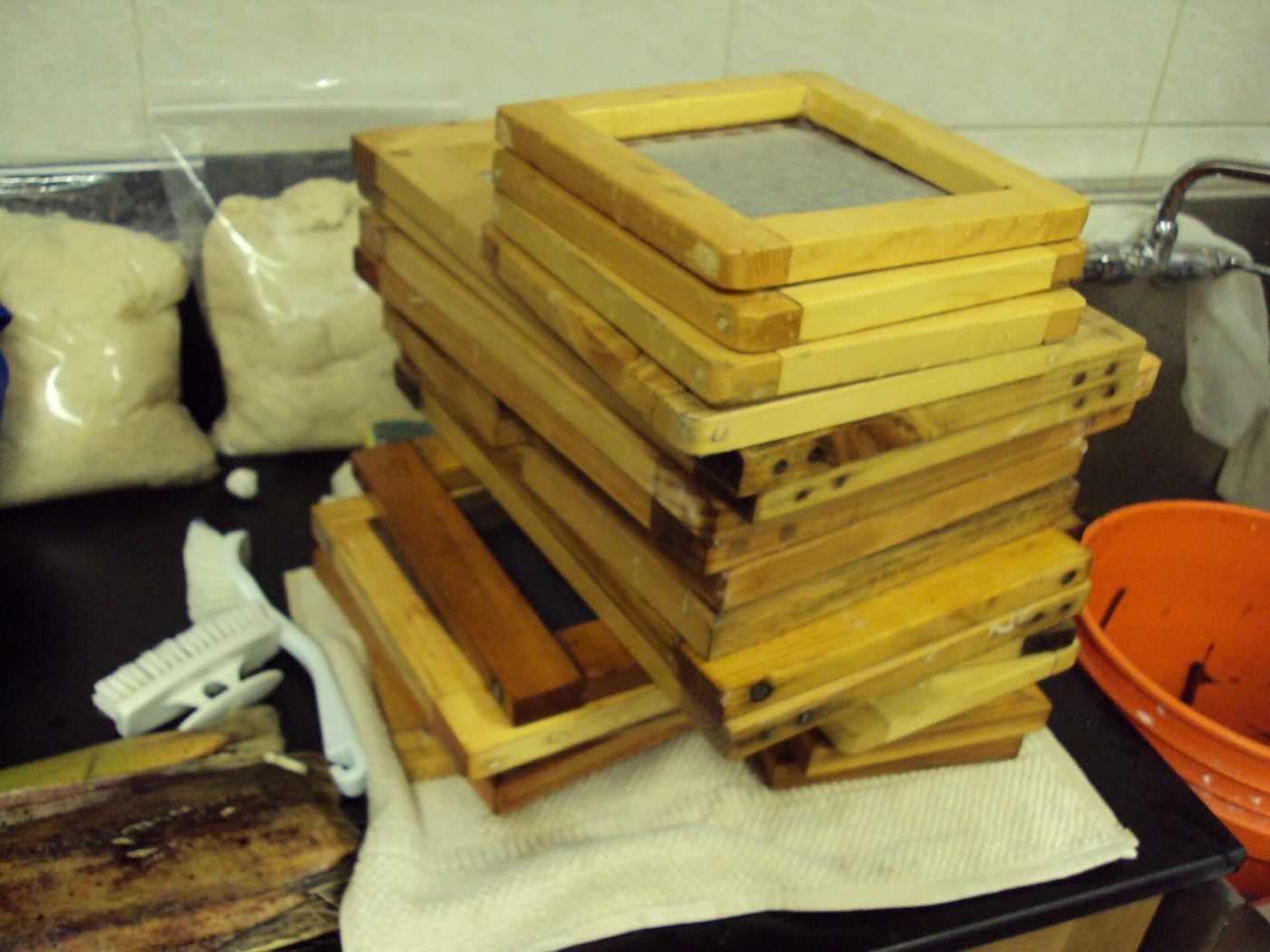
Pulp waste paper with banana fibre or grass, pull sheets on a simple mould and deckle, and sell notebooks, cards and packaging from rubbish.
Indirect Solar Food Dryer
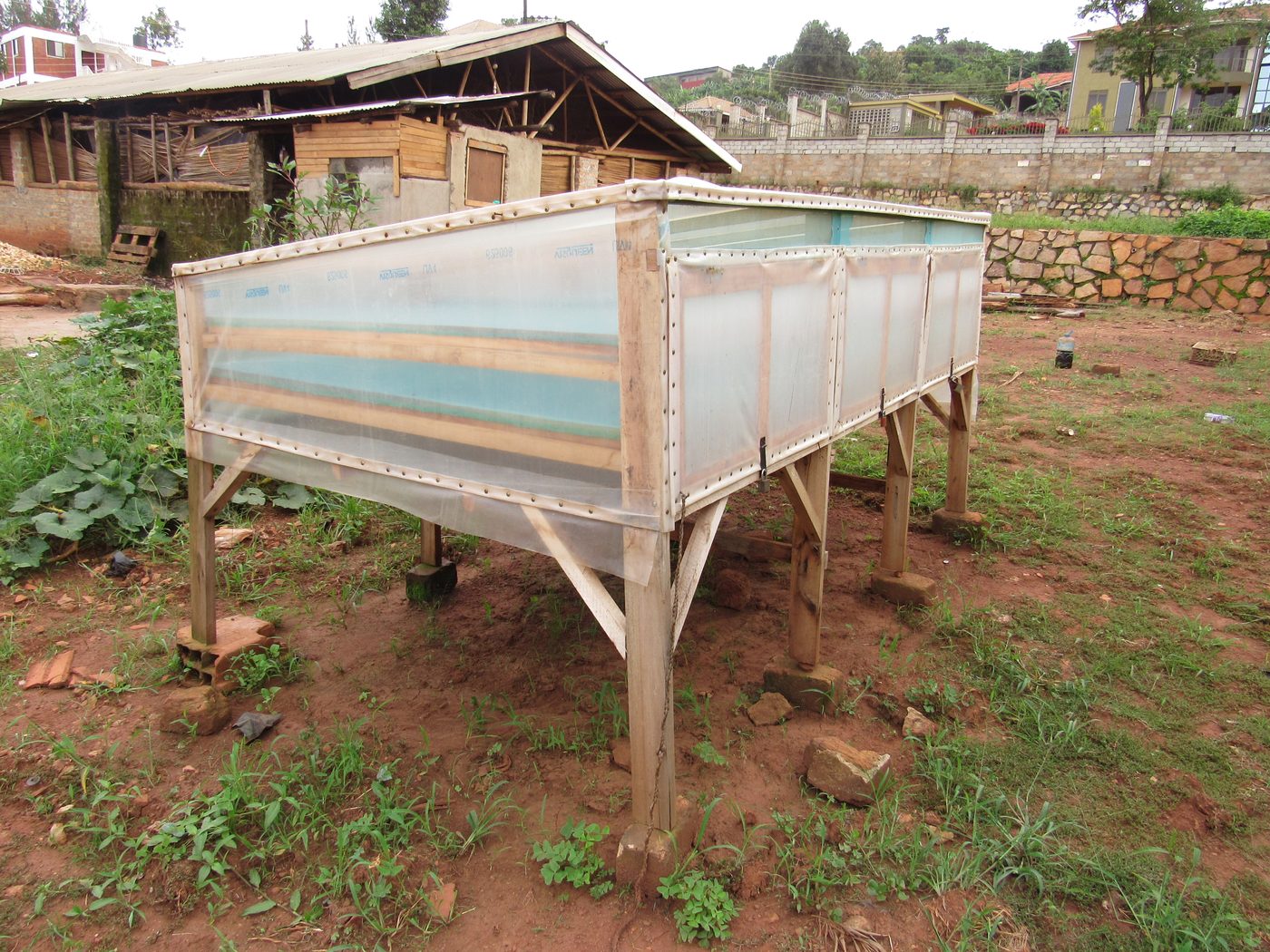
A timber cabinet with a glazed heat collector that dries fruit, vegetables and fish faster and cleaner than open sun, without bleaching the produce.

Hand-Cranked Maize Sheller
A simple drum-and-plate sheller that strips maize cobs several times faster than hand shelling, without bruising the grain.