
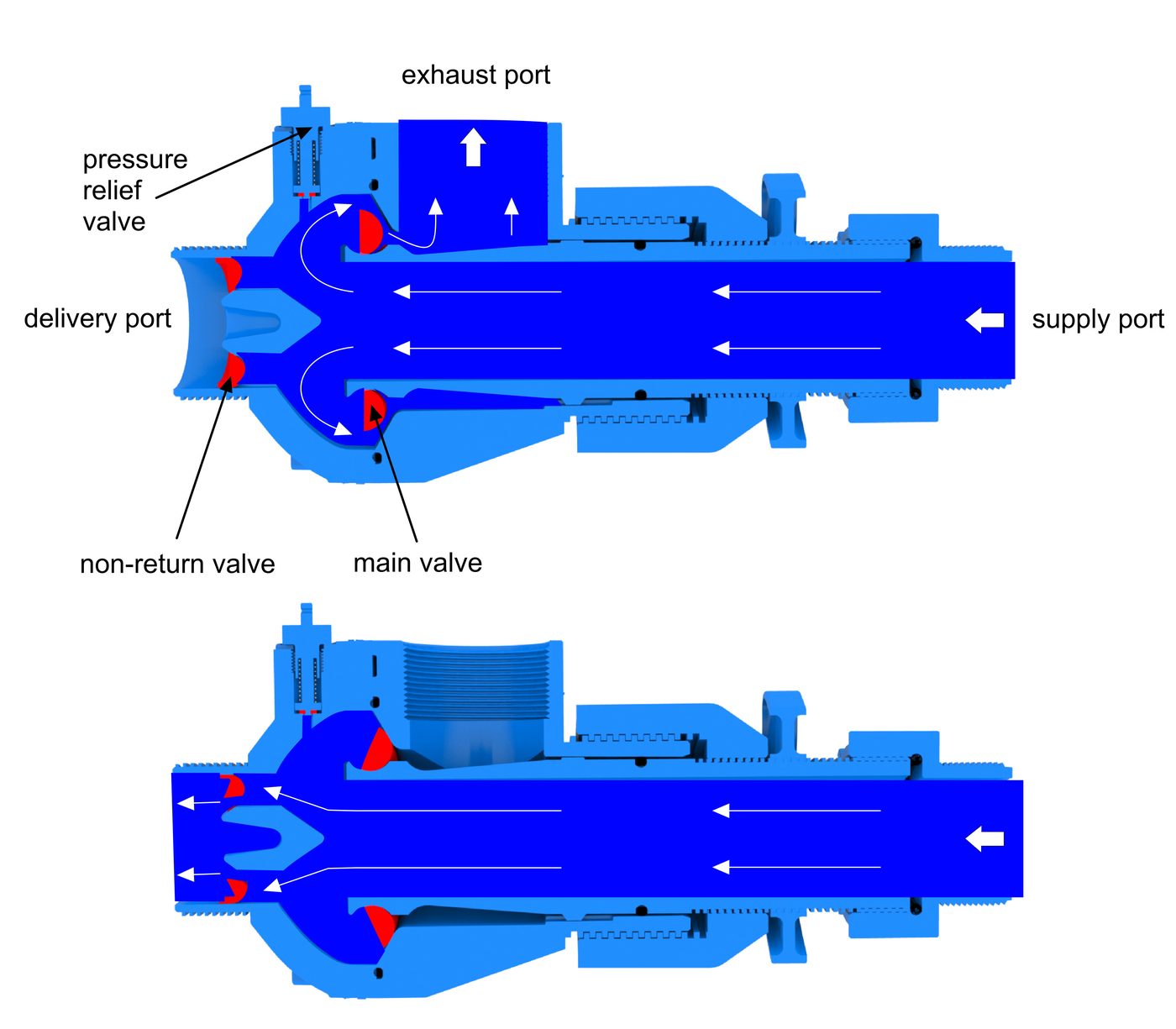
Hydraulic Ram Pump
Use the shock of falling water to push a fraction of that flow far uphill — no fuel, no electricity, two moving valves, running day and night.
- Estimated cost
- $80 – $300 in fittings for a 32 – 50 mm ram
- Skill level
- Advanced
- Time
- 2 – 4 days including the drive pipe
Not yet verified
No confirmed build with photo proof has been submitted for this plan yet. Built it? Send photos and it earns the badge.
Tools
- Pipe wrenches
- Hacksaw
- Thread tape and sealant
- Drill
- Spanner set
If you don't have it
- No brass check valves? Both valves can be made from galvanised pipe fittings with a rubber flap cut from tyre inner tube and a stainless washer as the seat.
Materials
- Galvanised steel tee, unions and nipples for the pump body
- A spring or swing check valve as the delivery valve
- A weighted or sprung waste valve, adjustable
- Pressure vessel: a small steel cylinder or a partly air-filled length of capped pipe
- Rigid drive pipe (galvanised or thick HDPE) and flexible delivery pipe
Dimensions & cut list
A no-fuel ram pump lifting spring or stream water to a storage tank uphill. These are the reference sizes from Appropedia / hydraulic ram builders — scale them to what you have, but keep the ratios.
| Minimum supply fall | 1 m from source to pumpBelow 1 m the ram will not cycle reliably |
|---|---|
| Lift achievable | up to 10 × the supply fall3 m fall lifts water roughly 30 m vertically |
| Drive pipe | 32–50 mm galvanised steel, 6–10 m longNever plastic — the pressure pulse needs a rigid pipe |
| Drive pipe length : diameter | between 150:1 and 1000:1 |
| Delivery pipe | 20–25 mm, any length |
| Air chamber volume | ≈ 5 × the volume of one drive-pipe metre |
| Flow needed at source | min 7 litres/minute continuous |
| Delivered flow | ≈ 10% of drive flow at 10× lift |
Take this list to the yard
- 2Galvanised tee, 50 mm
- 2Brass swing check valves, 50 mmOne waste, one delivery — brass outlasts plastic
- as per layoutSteel pipe nipples and unions
- 1Pressure vessel (steel cylinder or capped pipe)
- 6–10 mDrive pipe, galvanised
- ≈ 0.05 m³Concrete for pump plinth
- 1Screened intake box with gravel filter
Step by step
Step 1 of 6
Check the site numbers
You need a fall of at least 1 m to the pump and reliable flow. A ram lifts roughly ten times its fall, delivering around a tenth of the driving flow — do the sums before you buy fittings.
Swipe or use arrow keys
1. Check the site numbers
You need a fall of at least 1 m to the pump and reliable flow. A ram lifts roughly ten times its fall, delivering around a tenth of the driving flow — do the sums before you buy fittings.
2. Build a settling intake
Take water from a small screened header tank or box, not straight off the stream. Grit and leaves wreck ram valves within days.
3. Lay a straight rigid drive pipe
Drive pipe length is typically 5 – 10 times the fall, dead straight, rigid and firmly staked. Flexible pipe absorbs the shock the ram runs on.
4. Assemble the pump body
Tee with the waste valve on one branch, delivery check valve to the pressure vessel above it, and the drive pipe on the run. Bolt the body to a concrete block.
5. Start and tune it
Open the drive, then work the waste valve by hand until it starts cycling. Adjust the weight and stroke for the steadiest beat — around 40 – 80 beats a minute is typical.
6. Set up drainage and maintenance
The waste water must drain freely away from the pump. Check valve rubbers monthly and recharge the air in the pressure vessel when the beat turns harsh.
Why mine failed
The ways this build usually goes wrong, and what fixes it.
Pump beats a few times then stops
CauseAir trapped in the drive pipe, or too little fall
FixBleed the drive pipe by letting water run freely from the waste valve before starting, and check the pipe runs continuously downhill with no high spots. Below 1 m of fall the ram will never cycle.
Runs but delivers almost nothing uphill
CauseLift beyond 10× the fall, or air chamber waterlogged
FixMeasure the actual fall and lift — if lift is more than ten times fall, add a second stage or a tank lower down. Then check the air chamber has an air cushion; a snifter hole of 1 mm below the delivery valve keeps it charged.
Delivery drops off after weeks of good service
CauseSilted intake or worn valve rubber
FixClean the gravel intake screen and replace the waste-valve rubber. Keep two spare rubbers on site — they are the only real wear part.
Safety notes
- The pump body is under repeated shock loading. Use metal or rated fittings — a burst plastic body is dangerous.
- Never stand over the pressure vessel while tuning; secure it and check the air charge regularly.
- The pump can drown itself: site it so waste water always drains away, or it will stop and can wash out its footing.
- Ram water is untreated stream water. Treat it before drinking.
Source & attribution
This plan is our build-step write-up of work documented by Appropedia / hydraulic ram builders. The original design and documentation belong to them — go read the source before you build.
Hydraulic ram pumpLocal adaptations
What builders changed to make this work where they live.
Field note · Highland Tanzania
Farmers run two small rams in parallel off one header tank so a valve failure never leaves the village tank empty.
Build this alongside
Plans that use the same materials or serve the same need.
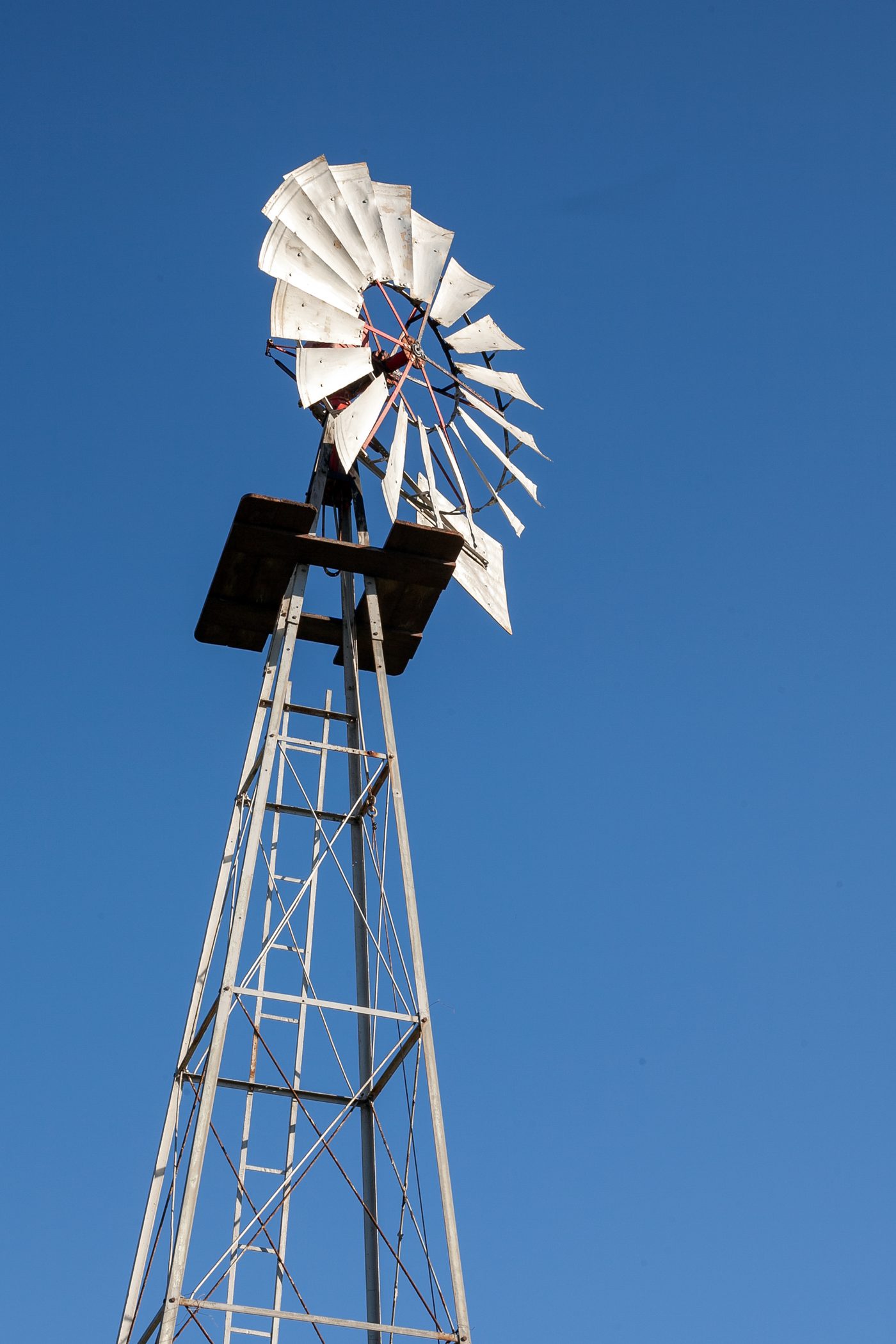
Windmill Water Pump
A multi-blade rotor on a guyed tower driving a piston pump down a shallow well — steady stock and irrigation water anywhere the wind blows most days.
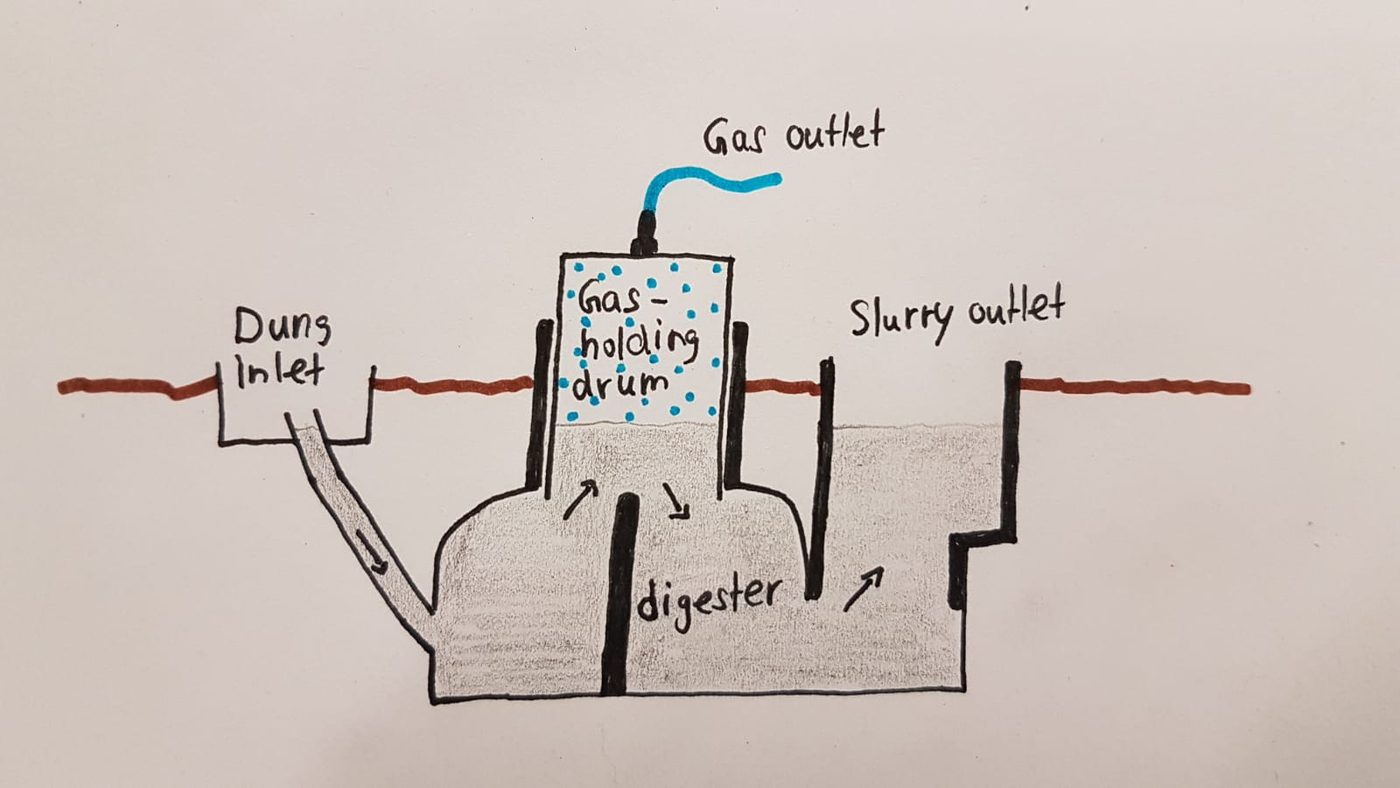
Floating-Drum Biogas Digester
A dung-fed digester with a floating gas holder that supplies two to three hours of cooking gas a day from a few animals' manure.
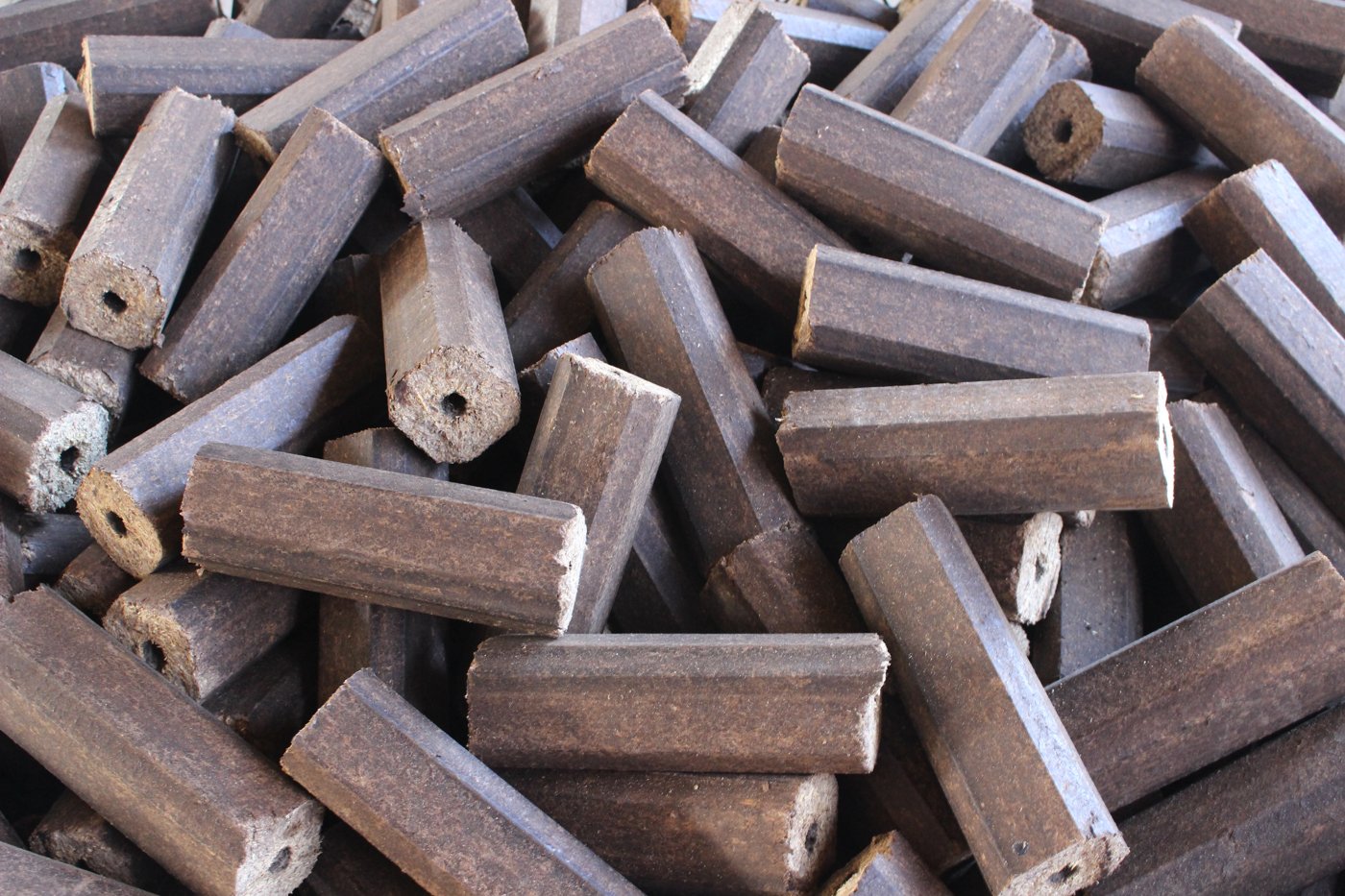
Hand-Cranked Screw Briquette Extruder
A screw auger in a tapering barrel that extrudes a continuous log of compacted biomass — higher output than a piston press once the feedstock is right.