
Moringa Seed Water Clarification
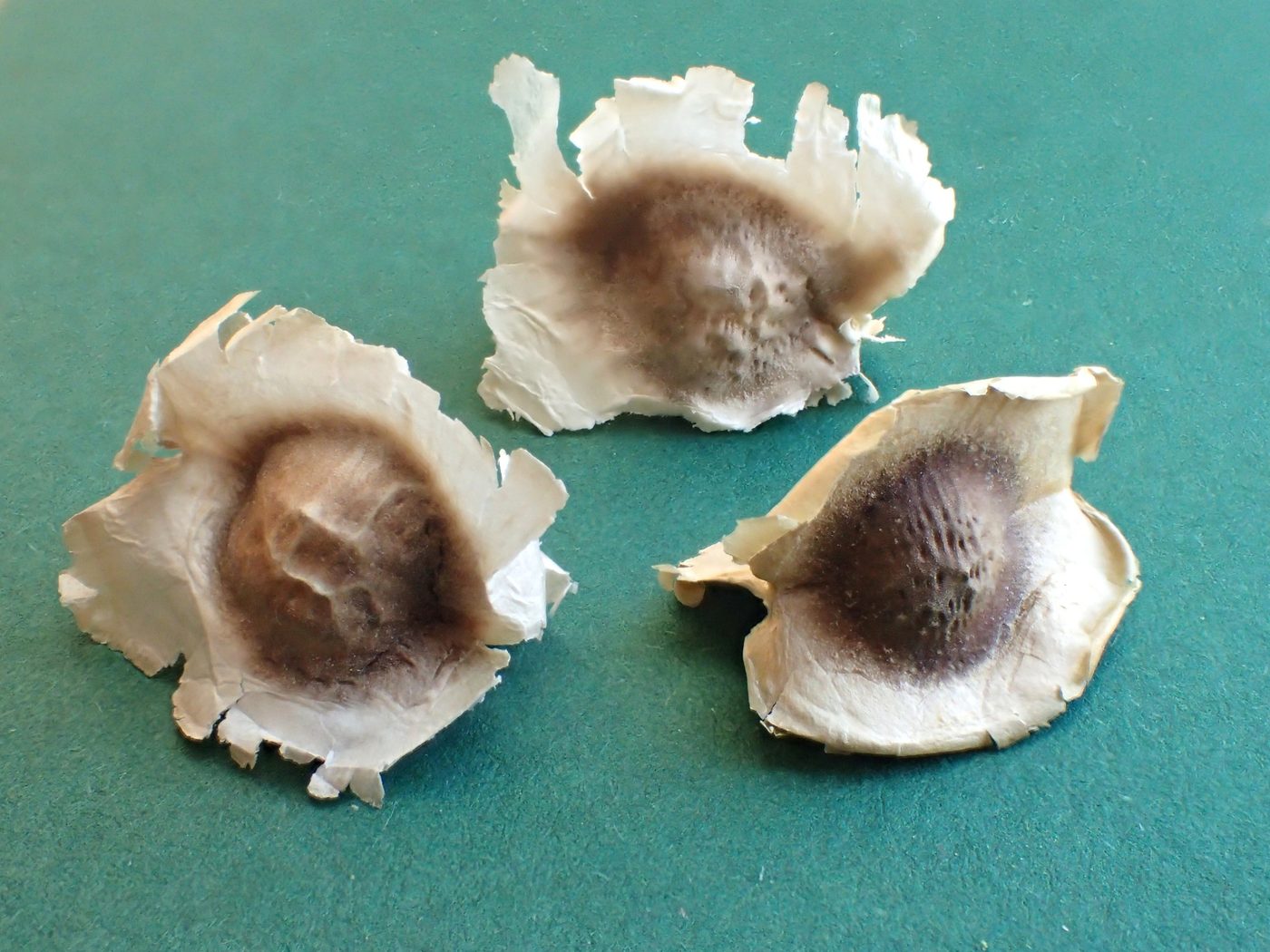
Crush shelled Moringa oleifera seed into a milky suspension that binds silt and much of the bacterial load in turbid water, dropping it out as sludge in an hour.
- Estimated cost
- Free to $5 if you have a tree
- Skill level
- Beginner
- Time
- 1 – 2 hours per batch
Not yet verified
No confirmed build with photo proof has been submitted for this plan yet. Built it? Send photos and it earns the badge.
Tools
- Mortar and pestle or grinder
- Clean cloth for straining
- Two buckets
- Stick for stirring
Short a tool or material? Builders below have often swapped something local in — read Local adaptations before you buy anything.
Materials
- Mature dry Moringa oleifera seeds — roughly 1 – 2 seeds per litre of turbid water
- A small cup of clean water to make the seed paste
- Settling container with a tap or siphon
Dimensions & cut list
Clarifying 20 litres of turbid surface water with crushed Moringa oleifera seed. These are the reference sizes from Appropedia / CAWST and Moringa research — scale them to what you have, but keep the ratios.
| Dose, moderate turbidity | 1 crushed seed kernel per 1–2 litresVery muddy water may need double; jar-test to find your own dose |
|---|---|
| Rapid mixing | Stir fast for 1 minute after adding the seed paste |
| Slow mixing | Gentle stirring for 10–15 minutes |
| Settling time | 1–2 hours undisturbed |
| Turbidity reduction | Typically 80–95% |
| Decant | Siphon the clear water off, never pour the sludge across |
| Storage of treated water | Use within 24 hoursMoringa protein feeds bacteria — clarified water still needs disinfecting |
Take this list to the yard
- 10–20 per 20 litre batchMature dry moringa seeds
- 1Mortar and pestle
- 1Fine cloth for straining the paste
- 1 setTwo buckets and a siphon hose
- 1Disinfection stage (SODIS, boiling, chlorine)Clarification is a pre-treatment only
Step by step
Step 1 of 6
Select and shell the seed
Use dry mature seed with white kernels. Discard shells, wings and any kernel that is discoloured or oily-rancid.
Swipe or use arrow keys
1. Select and shell the seed
Use dry mature seed with white kernels. Discard shells, wings and any kernel that is discoloured or oily-rancid.
2. Grind to a fine powder
Pound the kernels to a flour. The active proteins only release from finely broken cell walls, so a coarse crush will not work.
3. Make and strain the milk
Mix the powder with a cup of clean water, shake or stir for five minutes, and strain through cloth into the turbid water.
4. Flash mix, then slow stir
Stir fast for one minute, then slowly for 15 – 20 minutes. You should see flocs form and grow — that slow stir is what makes them heavy enough to sink.
5. Settle and decant
Leave undisturbed for one to two hours, then siphon or tap the clear water off the top without disturbing the sludge.
6. Always disinfect afterwards
Clarified water is not safe water. Follow with boiling, chlorination, SODIS or a filter before drinking.
Why mine failed
The ways this build usually goes wrong, and what fixes it.
Water clears but people still get sick
CauseTreating clarification as disinfection
FixAlways follow with SODIS, boiling or chlorine. Moringa removes turbidity and some bacteria, not enough to make water safe.
Treated water goes off within hours
CauseSeed protein feeding bacterial growth
FixUse the clarified water the same day, disinfect it, and never store an untreated batch overnight.
No flocs form
CauseDose too low, or seed too old/oily
FixJar-test doses from 1 seed per 2 litres upward, use mature dry kernels, and press or wash out the oil first for a stronger effect.
Sludge gets stirred back in
CausePoured rather than siphoned
FixLeave it settled 1–2 hours, then siphon the clear water off from the top without disturbing the bottom.
Safety notes
- Moringa treatment removes turbidity and much bacteria, but never assume it makes water safe — disinfect every batch.
- Treated water carries dissolved organics and spoils fast: use it within a day, and never store it warm overnight.
- Use only Moringa oleifera seed and clean equipment; mouldy or rancid seed contaminates the batch.
- Dispose of the sludge away from the water source and out of reach of animals.
Source & attribution
This plan is our build-step write-up of work documented by Appropedia / CAWST and Moringa research. The original design and documentation belong to them — go read the source before you build.
Moringa oleifera water treatmentLocal adaptations
What builders changed to make this work where they live.
Field note · Malawi
Households pre-clarify very muddy river water with moringa before pouring it through a ceramic pot filter, which stops the filter clogging every few days.
Build this alongside
Plans that use the same materials or serve the same need.
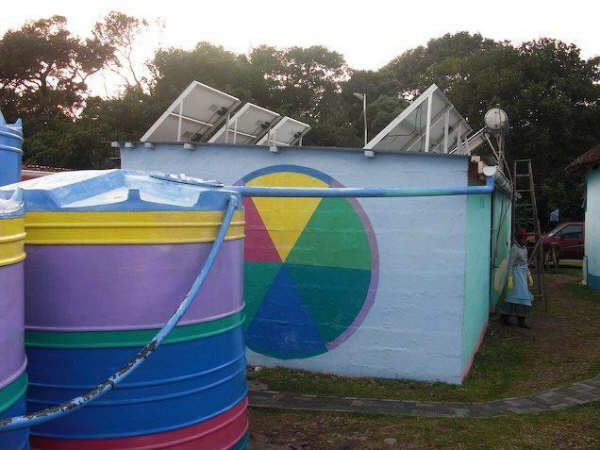
Rooftop Rainwater Harvesting with First-Flush Diverter
Catch and store roof runoff, and throw away the dirty first few litres automatically so what reaches your tank is worth storing.
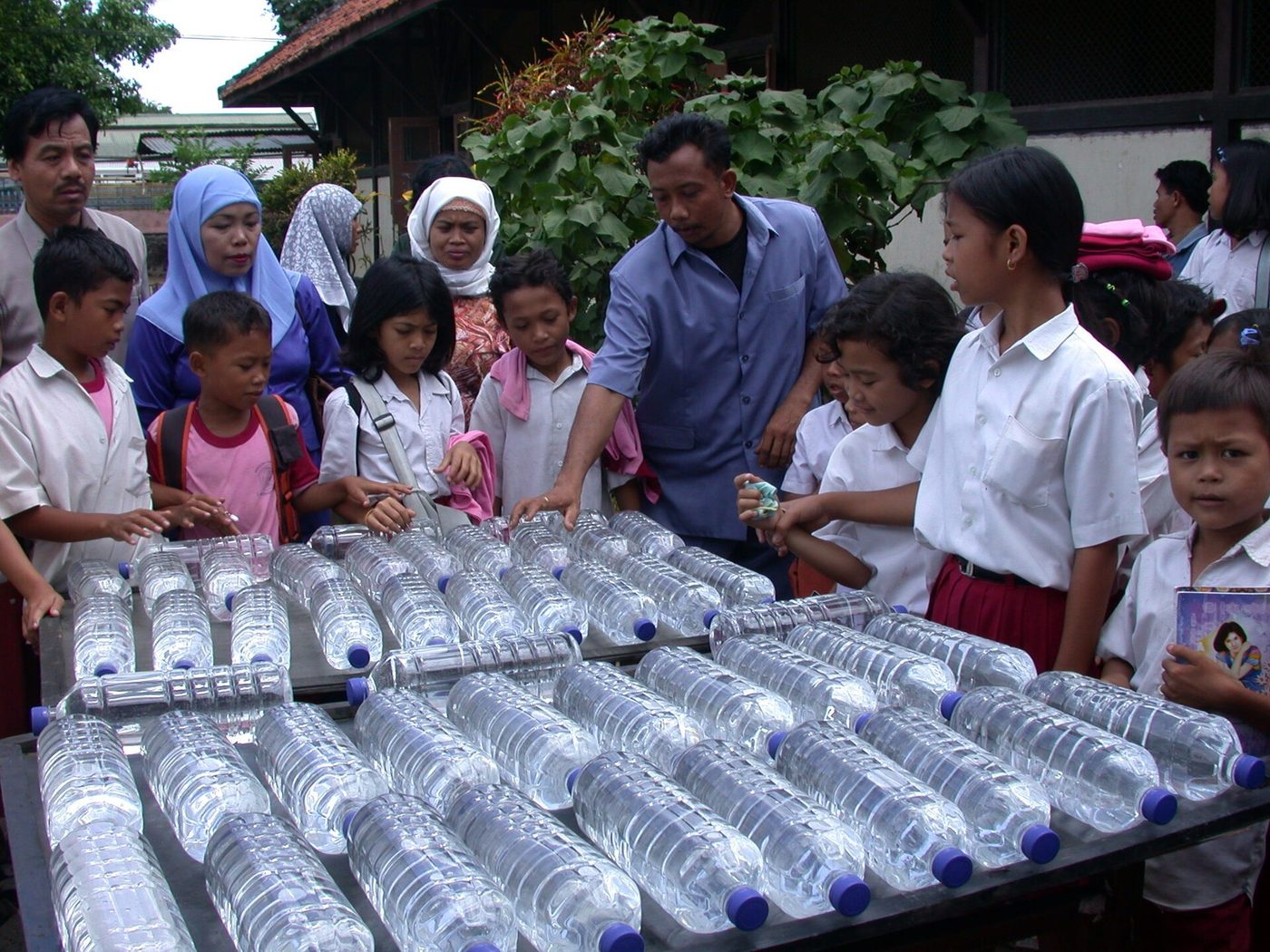
SODIS Solar Water Disinfection Rack
Clear PET bottles on a black-painted roof rack, using six hours of sun to make biologically safe drinking water at no running cost.
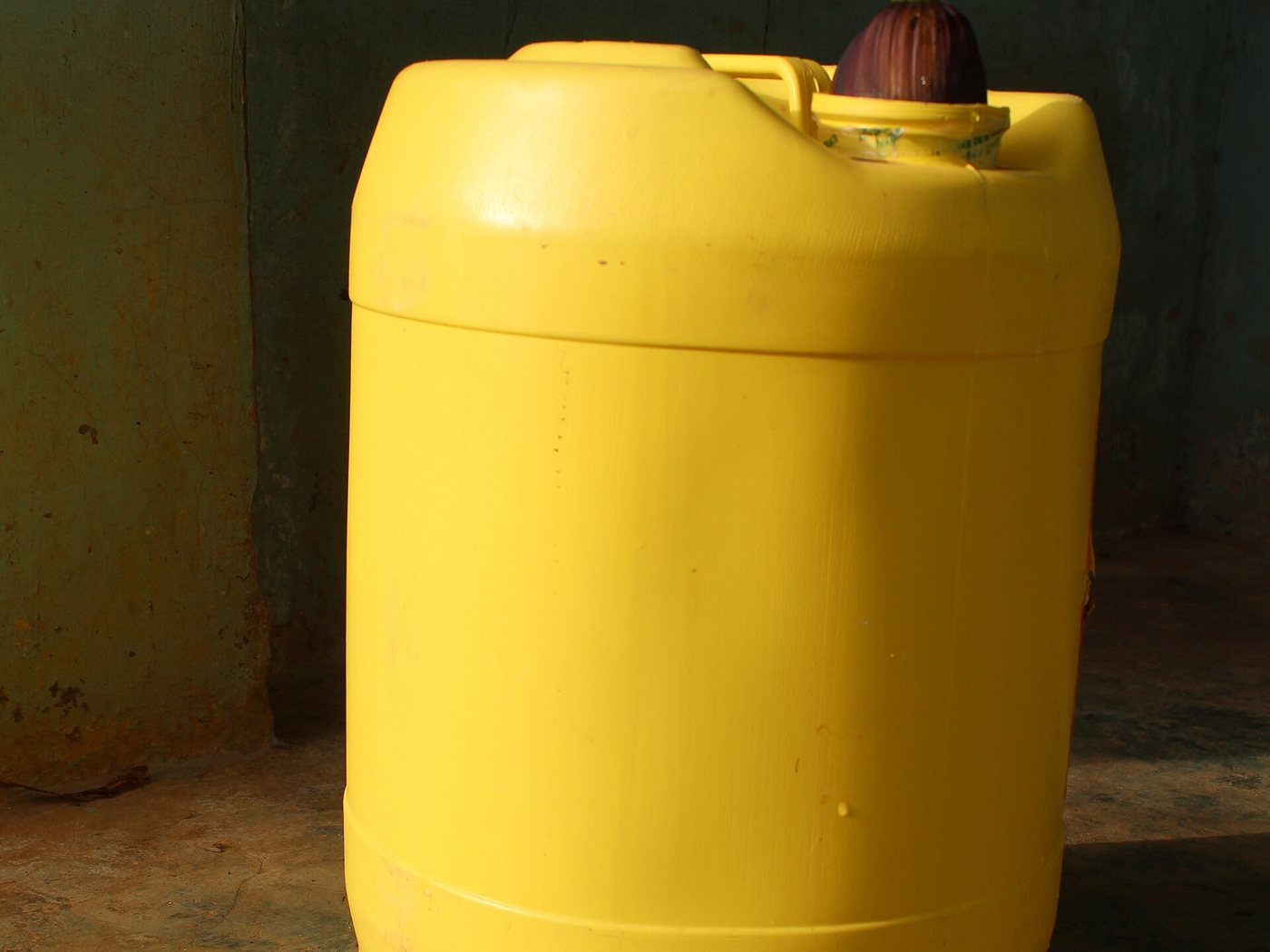
Safe Water Storage Vessel
Convert an ordinary jerrycan or clay pot into a narrow-mouth, tap-fitted, lidded storage vessel so treated water does not get recontaminated by hands and cups.