
Hand Screw Palm Oil Press
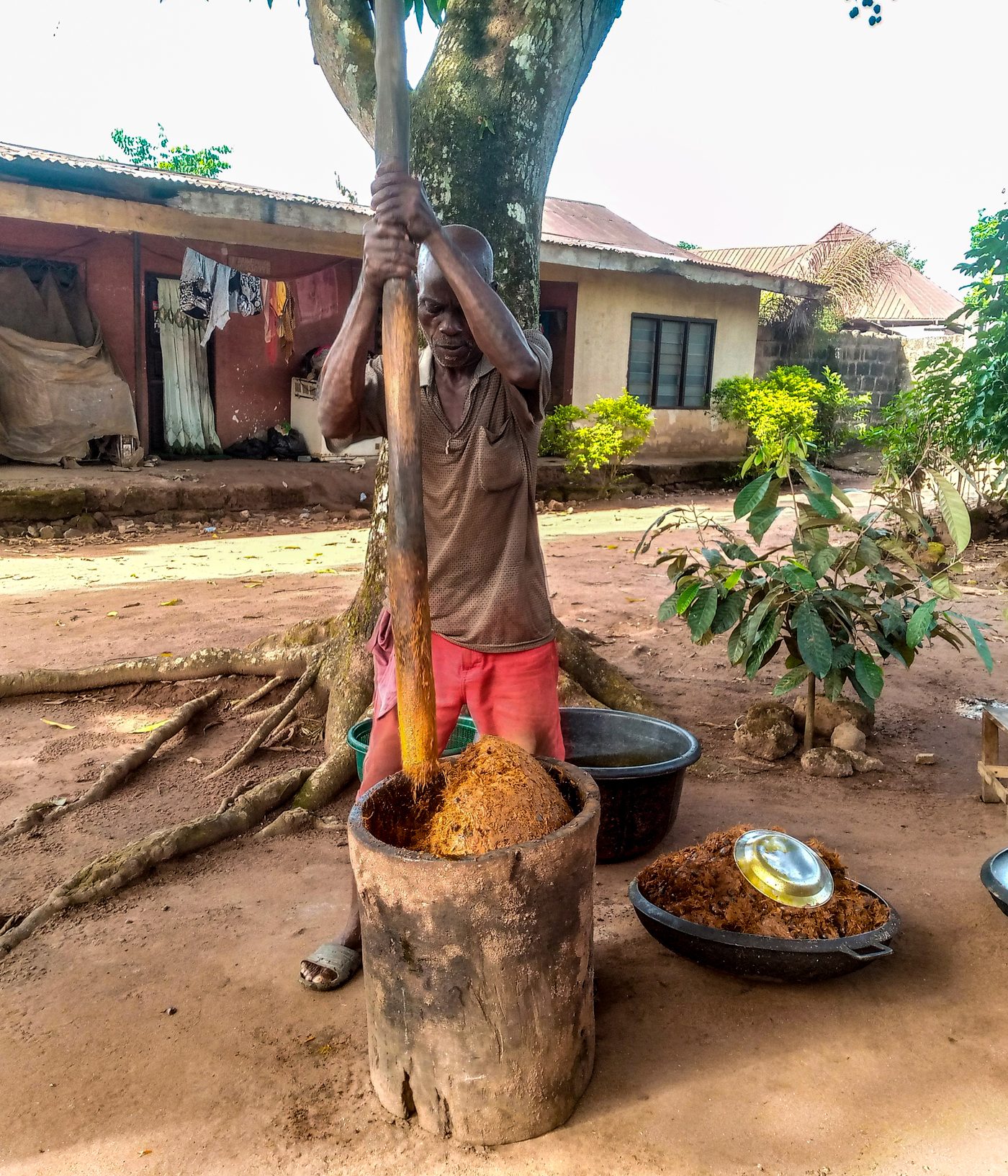
Press digested palm fruit in a perforated steel cage with a screw jack, lifting oil recovery well above hand-squeezing while cutting the work in half.
- Estimated cost
- $150 – $400 fabricated locally
- Skill level
- Advanced
- Time
- 3 – 5 days fabrication
Not yet verified
No confirmed build with photo proof has been submitted for this plan yet. Built it? Send photos and it earns the badge.
Tools
- Welder
- Angle grinder
- Drill
- Spanners
- Measuring tools
Short a tool or material? Builders below have often swapped something local in — read Local adaptations before you buy anything.
Materials
- Heavy angle iron or channel for the frame
- Perforated or drilled steel cylinder cage, 300 – 400 mm diameter
- Screw and nut, or a heavy-duty bottle jack
- Press plate and base plate with an oil drain channel
- Drum for boiling and digesting fruit, and collection basins
Dimensions & cut list
A hand-operated vertical digester-and-press for smallholder palm fruit, 60–80 kg of fruit per batch. These are the reference sizes from Appropedia / Practical Action oil processing briefs — scale them to what you have, but keep the ratios.
| Digester drum | 600 mm diameter × 700 mm tall |
|---|---|
| Digester paddle shaft | 25 mm, four paddles at 150 mm spacing |
| Press cage | 300 mm diameter × 500 mm tall |
| Screw | 40 mm square-thread, 700 mm travel |
| Frame steel | 100 × 50 mm channel, four legs braced at mid-height |
| Steam / hot-water digestion | Hold fruit at 90 °C for 20–30 minutes before pressingUnder-digested fruit gives half the oil yield |
Take this list to the yard
- 1Steel drum, 200 litreDigester body
- 6 mChannel steel for the press frame
- 1 set40 mm press screw and nut
- 2.5 m²5 mm plate for cage and plates
- 1Firewood stove ring under the digester
- 2Oil settling tanksClarify by skimming, then boil off the water
Step by step
Step 1 of 6
Build a frame that will not spread
Pressing loads are high. Weld a stiff frame with braced top and bottom beams, and test it hard before it goes near hot mash.
Swipe or use arrow keys
1. Build a frame that will not spread
Pressing loads are high. Weld a stiff frame with braced top and bottom beams, and test it hard before it goes near hot mash.
2. Make the cage and drain
Drill the cage with 4 – 6 mm holes and sit it in a base plate with a channel that leads to a spout and basin.
3. Boil and digest the fruit
Sterilise fruit by boiling, then pound or digest until the pulp separates from the nuts. Poor digestion, not press pressure, is what usually loses oil.
4. Load hot and press slowly
Fill the cage with hot mash and take the pressure up gradually, letting oil run before adding more turns. Hot mash releases far more oil than cooled mash.
5. Clarify the oil
Boil the run-off with water, skim the oil off the top, then heat gently to drive off remaining moisture before storing.
6. Use the residue
Press cake is fuel or animal feed; nuts go on to cracking for kernel oil.
Why mine failed
The ways this build usually goes wrong, and what fixes it.
Oil yield well below expectation
CauseFruit under-digested
FixHold the fruit at about 90 °C for 20–30 minutes and pound until the mesocarp is fully broken from the nut. Digestion, not press force, sets the yield.
Oil turns rancid within weeks
CauseWater left in the oil after clarification
FixSettle, skim, then boil the oil gently until the bubbling stops, and store in clean sealed drums out of sunlight.
Screw thread strips
CauseExtending the handle far beyond design length
FixKeep the handle at 1.2 m. If you need more force, the fruit is under-digested — fix that instead of adding leverage.
Safety notes
- Hot mash and boiling oil cause serious burns. Long sleeves, closed shoes, and never lean over the cage while pressing.
- Stand to the side under load — a failing weld or jack releases stored energy violently.
- Support the boiling drum properly and keep the fire area clear; spilled oil ignites.
- Weld and grind with proper eye protection and ventilation.
Source & attribution
This plan is our build-step write-up of work documented by Appropedia / Practical Action oil processing briefs. The original design and documentation belong to them — go read the source before you build.
Palm oil processingLocal adaptations
What builders changed to make this work where they live.
Field note · Cross River, Nigeria
Women's groups share one press between several compounds, running it as a paid service that repays the fabrication cost in a season.
Build this alongside
Plans that use the same materials or serve the same need.
Manual Shea Butter Press
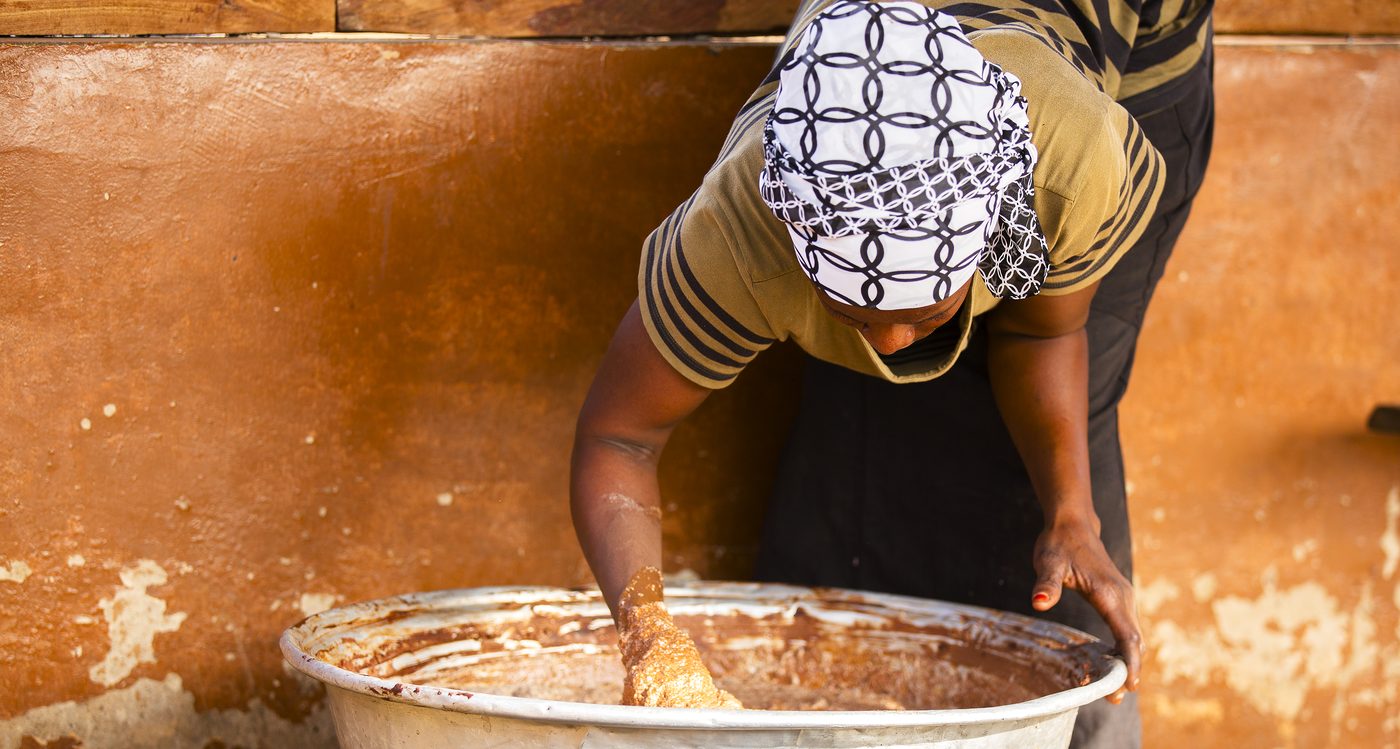
A bridge press with a screw jack that squeezes oil from roasted, ground shea kernels — cutting hours of hand-kneading and raising yield per basin.
Pedal-Driven Cassava Grater
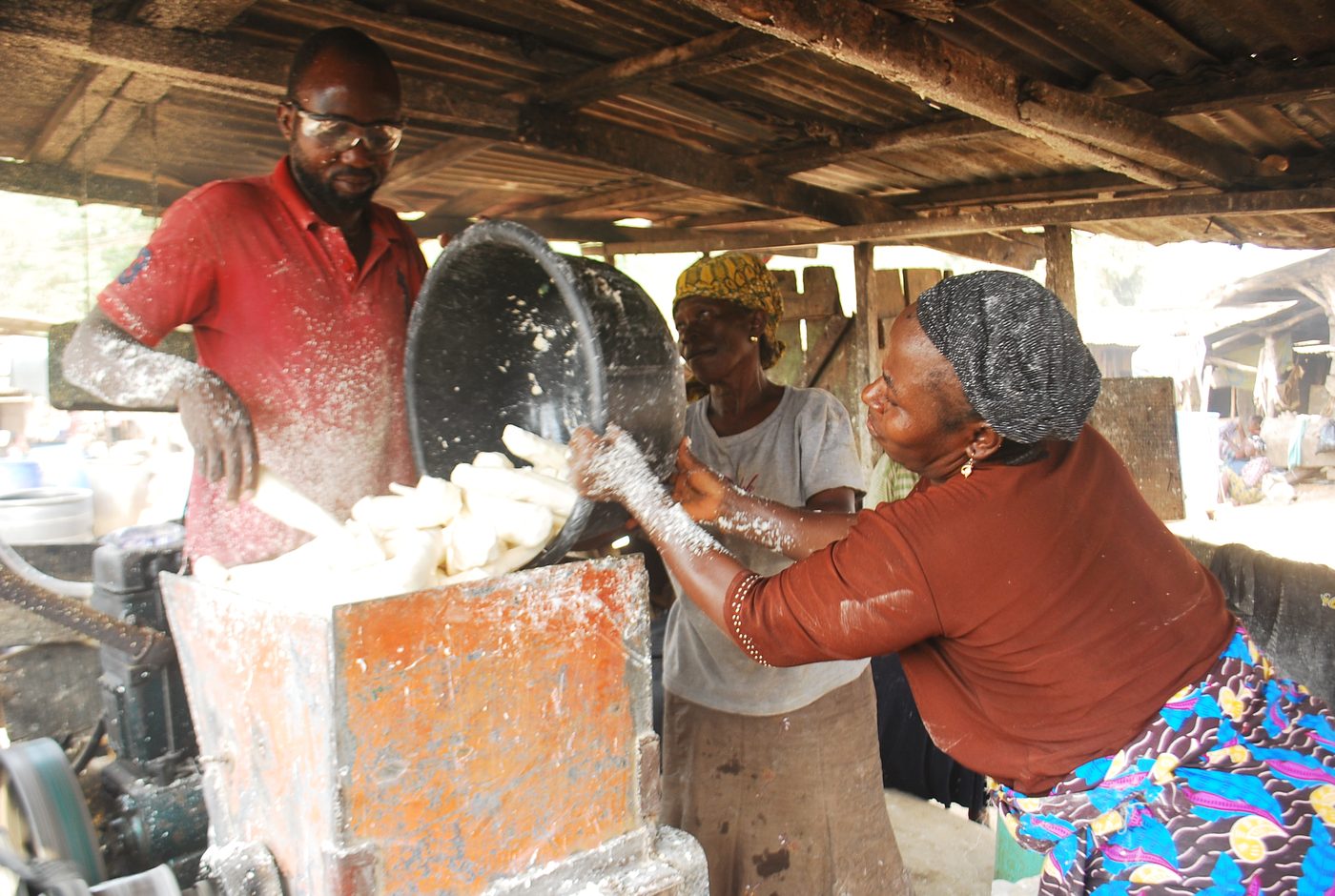
Drive a punched-sheet grating drum from a bicycle chainset so one person can grate a sack of cassava in minutes instead of an afternoon of knuckle work.
Indirect Solar Food Dryer
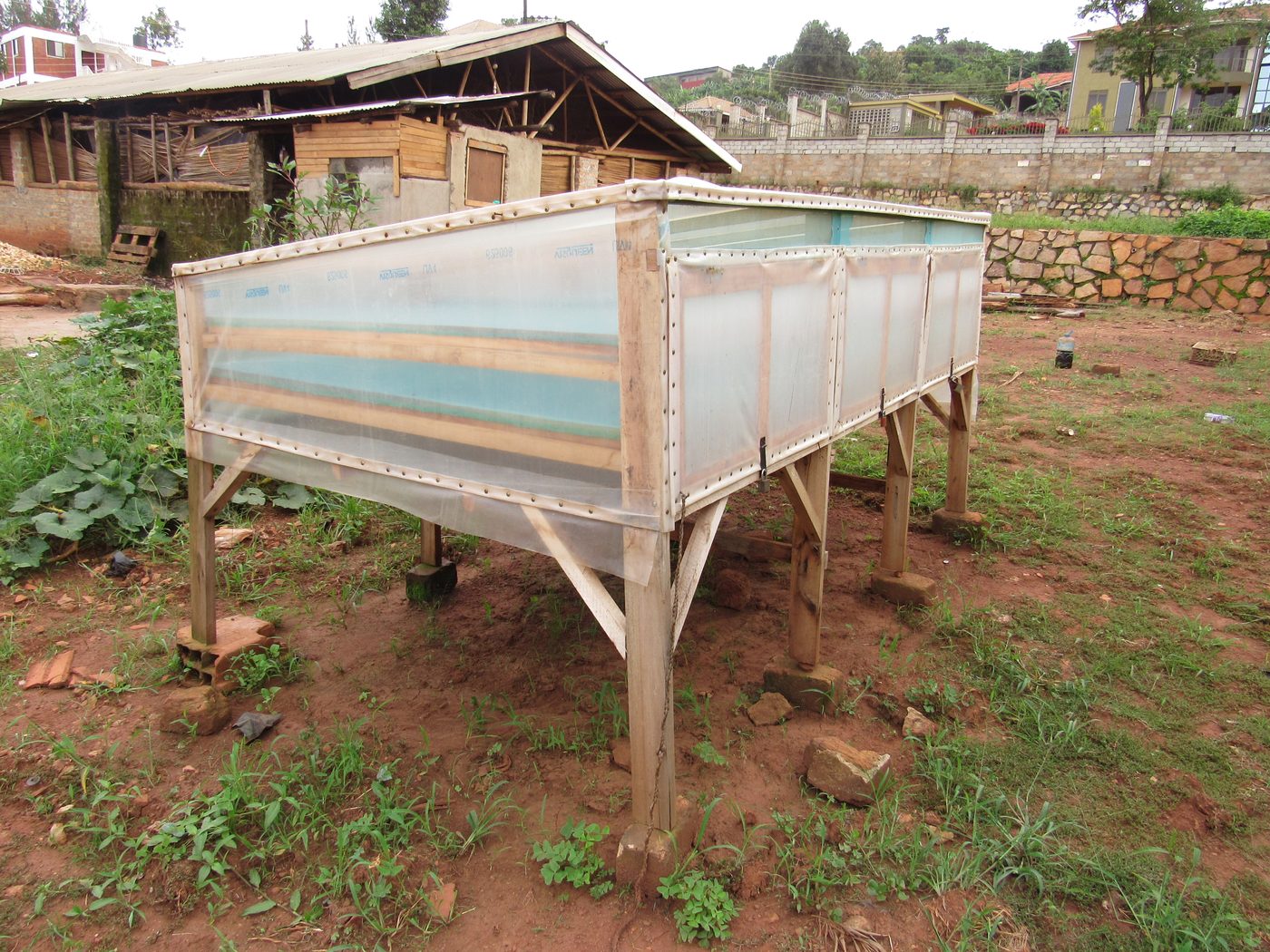
A timber cabinet with a glazed heat collector that dries fruit, vegetables and fish faster and cleaner than open sun, without bleaching the produce.