
Pedal-Driven Cassava Grater
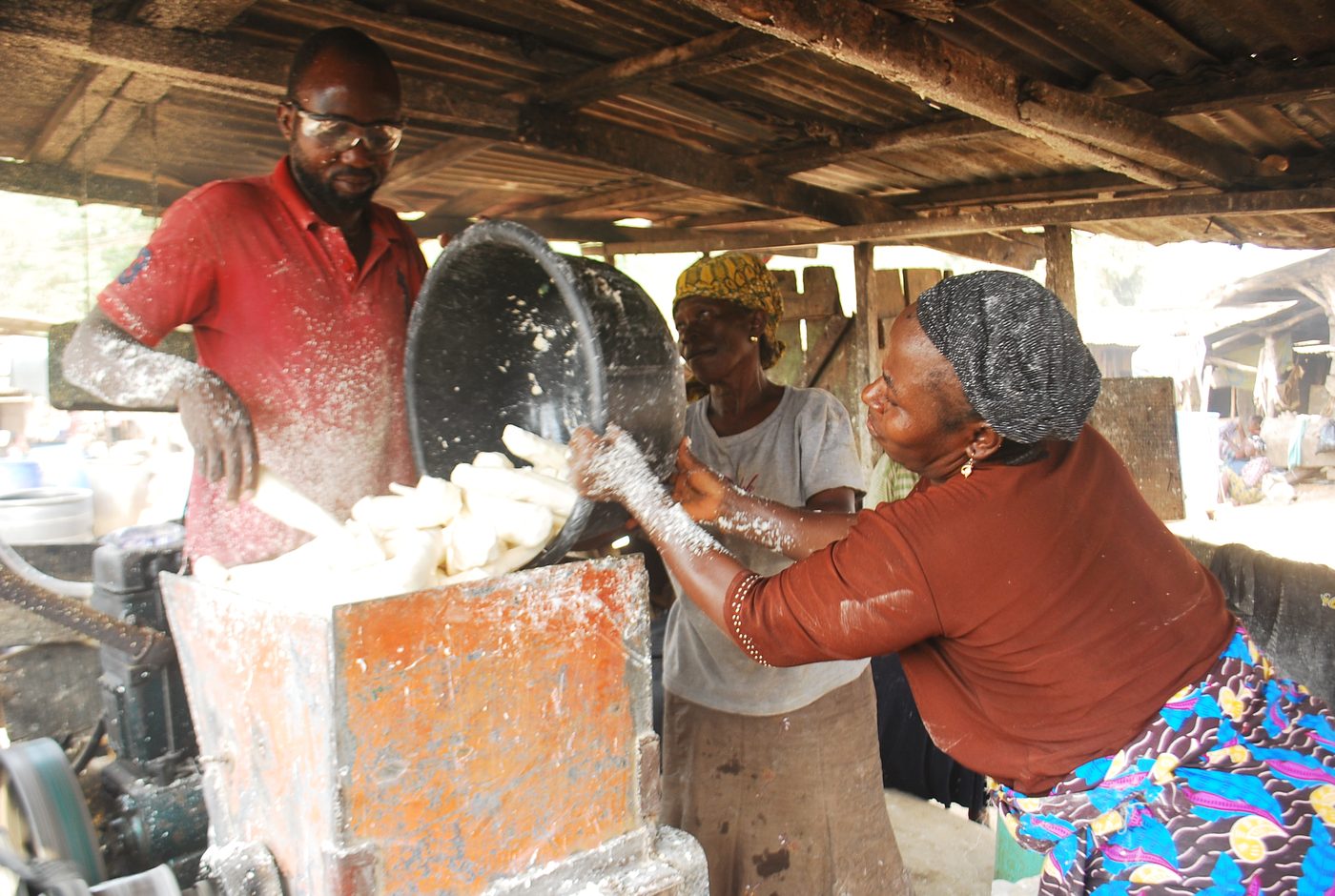
Drive a punched-sheet grating drum from a bicycle chainset so one person can grate a sack of cassava in minutes instead of an afternoon of knuckle work.
- Estimated cost
- $100 – $300 with a scrap bicycle
- Skill level
- Intermediate
- Time
- 2 – 3 days
Not yet verified
No confirmed build with photo proof has been submitted for this plan yet. Built it? Send photos and it earns the badge.
Tools
- Drill and punch
- Welder or bolts
- Hacksaw
- Spanners
- File
Short a tool or material? Builders below have often swapped something local in — read Local adaptations before you buy anything.
Materials
- Bicycle bottom bracket, cranks, chain and sprockets
- Hardwood or steel drum roller, 150 – 200 mm diameter
- Galvanised sheet punched from the inside out to raise sharp burrs
- Bearings and shaft
- Angle-iron frame, hopper, feed press board and food-grade collection tray
Dimensions & cut list
A bicycle-pedal driven grating drum for cassava processing groups, 60–100 kg of roots an hour. These are the reference sizes from Appropedia / IITA cassava processing practice — scale them to what you have, but keep the ratios.
| Grating drum | 200 mm diameter × 300 mm long |
|---|---|
| Drum surface | Perforated sheet, 3 mm holes punched from inside outThe raised burrs do the grating — punch direction matters |
| Drum speed | 700–900 rpm |
| Pedal-to-drum ratio | 1:6 |
| Hopper | 300 × 250 mm with a wooden pusher block |
| Feed-chute to drum clearance | 5 mm |
| Saddle height | 700 mm above pedal centre |
Take this list to the yard
- 1Bicycle frame rear half, cranks and chain
- 0.4 m²Perforated galvanised sheet, 1 mm
- 1 set16 mm drum shaft with bearings
- 8 mAngle-iron stand
- 1 setHardwood pusher and hopper boardsNever feed by hand — the pusher is a safety part, not an option
Step by step
Step 1 of 6
Punch the grating sheet
Punch the sheet from the back so raised burrs stand proud on the working face, in a staggered pattern about 8 mm apart. The burrs do the grating.
Swipe or use arrow keys
1. Punch the grating sheet
Punch the sheet from the back so raised burrs stand proud on the working face, in a staggered pattern about 8 mm apart. The burrs do the grating.
2. Wrap the drum
Fix the sheet tightly around the drum with the burrs facing outwards and the joint countersunk so nothing catches.
3. Build the frame and drive
Mount the drum on bearings, with the chain driving from the bicycle cranks. Gear it so a steady pedal gives a fast drum.
4. Fit hopper and press board
Roots must be pushed onto the drum by a hinged wooden press board, never by hand. Make the hopper deep enough that fingers cannot reach the drum.
5. Peel, wash and grate
Peel and wash roots thoroughly, feed steadily, and catch the mash in a food-grade tray.
6. Press and process straight away
Bag and press the mash the same day to drain the cyanogenic liquid, then ferment or roast according to your local process.
Why mine failed
The ways this build usually goes wrong, and what fixes it.
Mash is lumpy and coarse
CauseDrum turning too slowly, or the punched burrs are worn flat
FixCheck you are getting 700+ rpm at the drum, and re-punch or replace the perforated sheet. The burrs, not the holes, do the grating.
Roots skid on the drum instead of grating
CauseFeed chute clearance too wide
FixClose the chute to 5 mm from the drum and press with the wooden pusher block, never with your hand.
Mash discolours before pressing
CauseToo long between grating and dewatering
FixBag and press within an hour. Batch your grating to match what the press can handle so nothing sits waiting.
Chain throws off under load
CauseMisaligned sprockets or slack chain
FixLine the two sprockets up in one plane and add a tensioner. A thrown chain at drum speed is a serious injury — fit a guard over the whole drive.
Safety notes
- The drum removes fingers. Fit a fixed guard and a press board, and never feed by hand.
- Bitter cassava is toxic until properly processed — always peel, grate, press and ferment or roast fully before eating.
- Dispose of press liquid away from water sources, children and animals.
- Clean and dry the drum after every use; wet mash rusts the sheet and sours the next batch.
Source & attribution
This plan is our build-step write-up of work documented by Appropedia / IITA cassava processing practice. The original design and documentation belong to them — go read the source before you build.
Cassava graterLocal adaptations
What builders changed to make this work where they live.
Field note · Cross River, Nigeria
Processing groups build the grater and a screw press on the same frame so the mash goes straight from drum to press with no carrying.
Build this alongside
Plans that use the same materials or serve the same need.
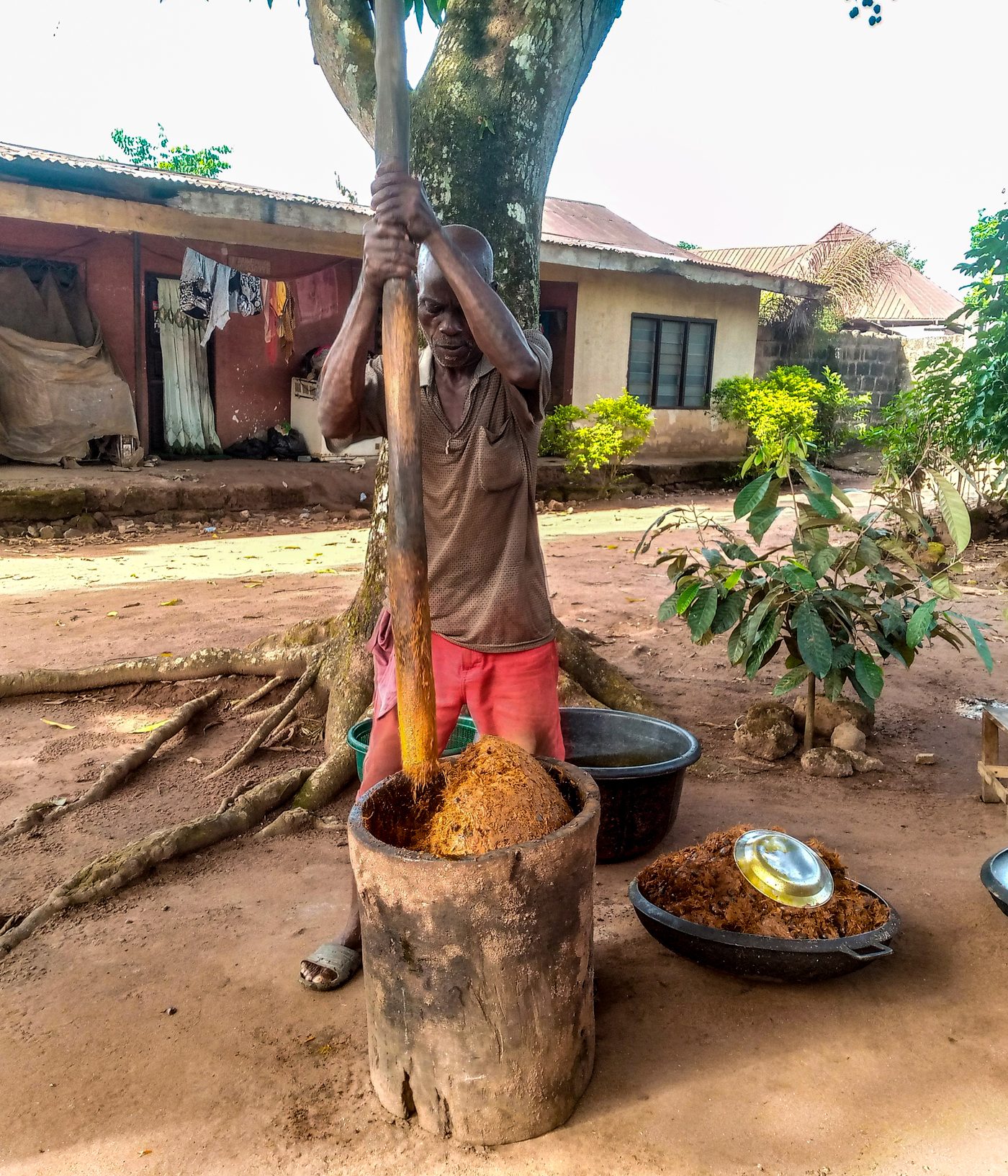
Hand Screw Palm Oil Press
Press digested palm fruit in a perforated steel cage with a screw jack, lifting oil recovery well above hand-squeezing while cutting the work in half.
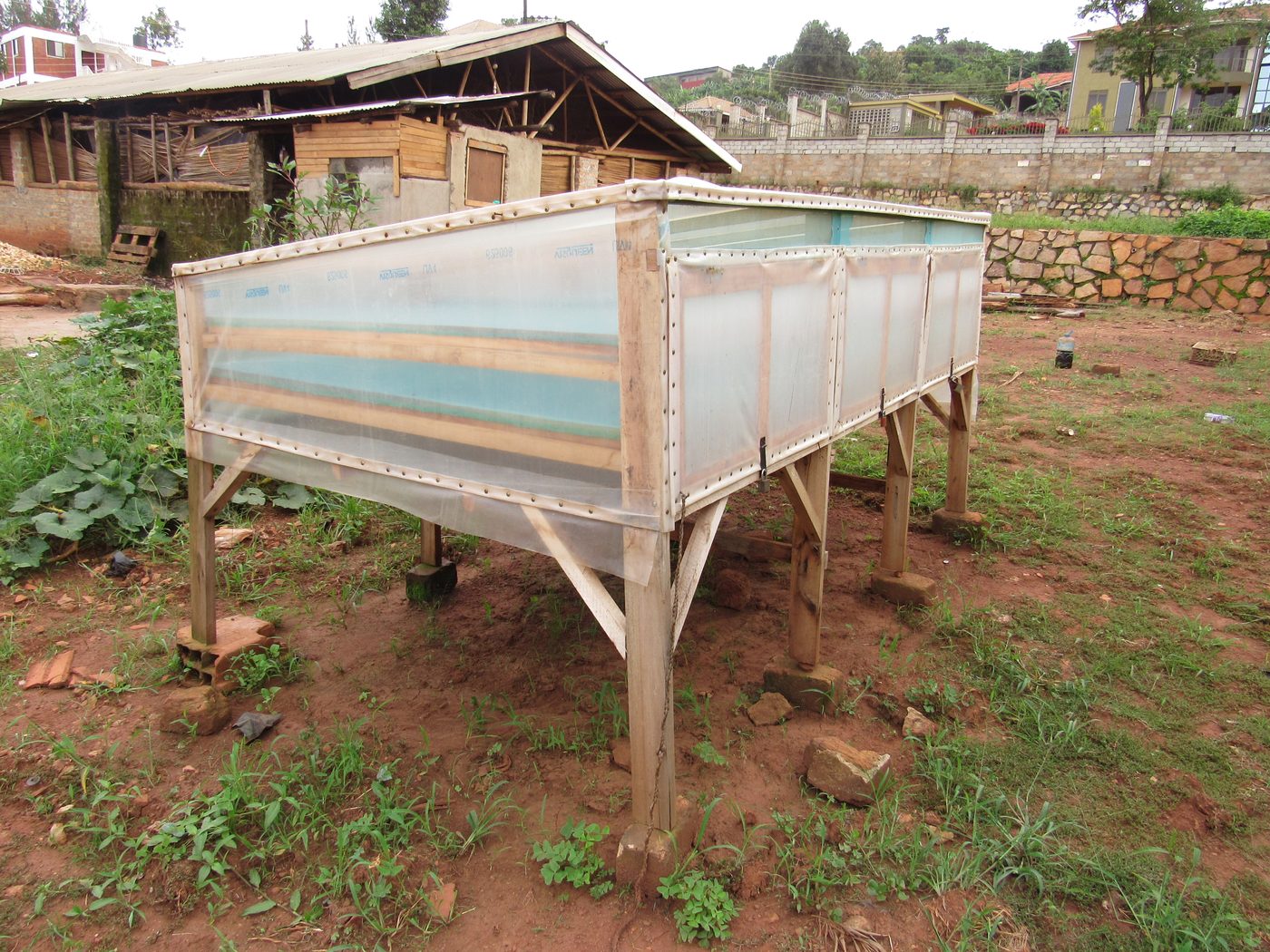
Indirect Solar Food Dryer
A timber cabinet with a glazed heat collector that dries fruit, vegetables and fish faster and cleaner than open sun, without bleaching the produce.
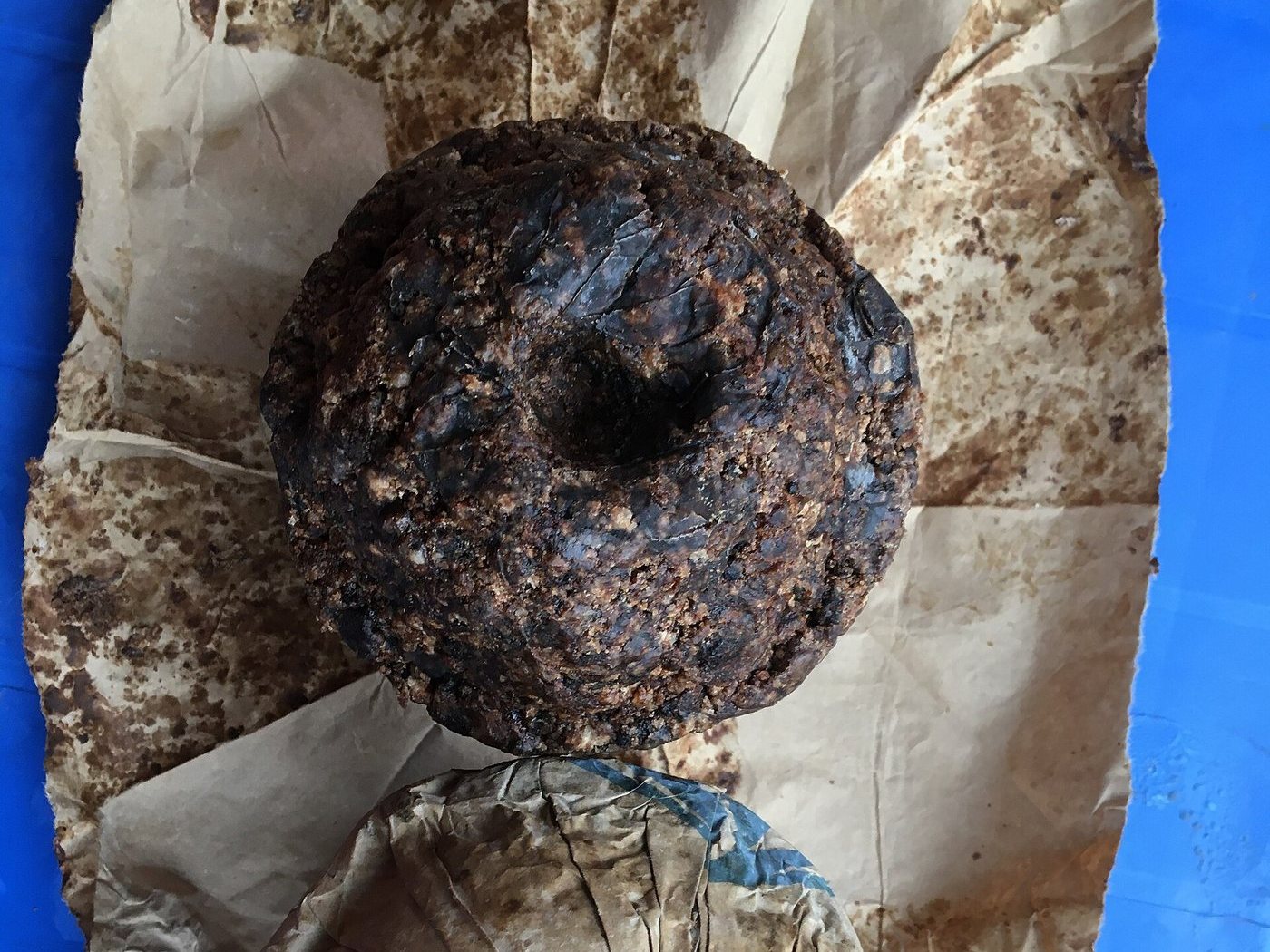
Cold-Process Soap from Local Oils
Turn shea butter, palm or coconut oil into hard bar soap you can use at home or sell — a reliable first micro-enterprise product.