
Retained-Heat Basket Cooker
An insulated basket that finishes cooking beans, rice and stews off the fire, cutting fuel for long-boil foods by half or more.
- Estimated cost
- $5 – $15 from local cloth and dry filling
- Skill level
- Beginner
- Time
- Half a day
Why this is a Verified Build
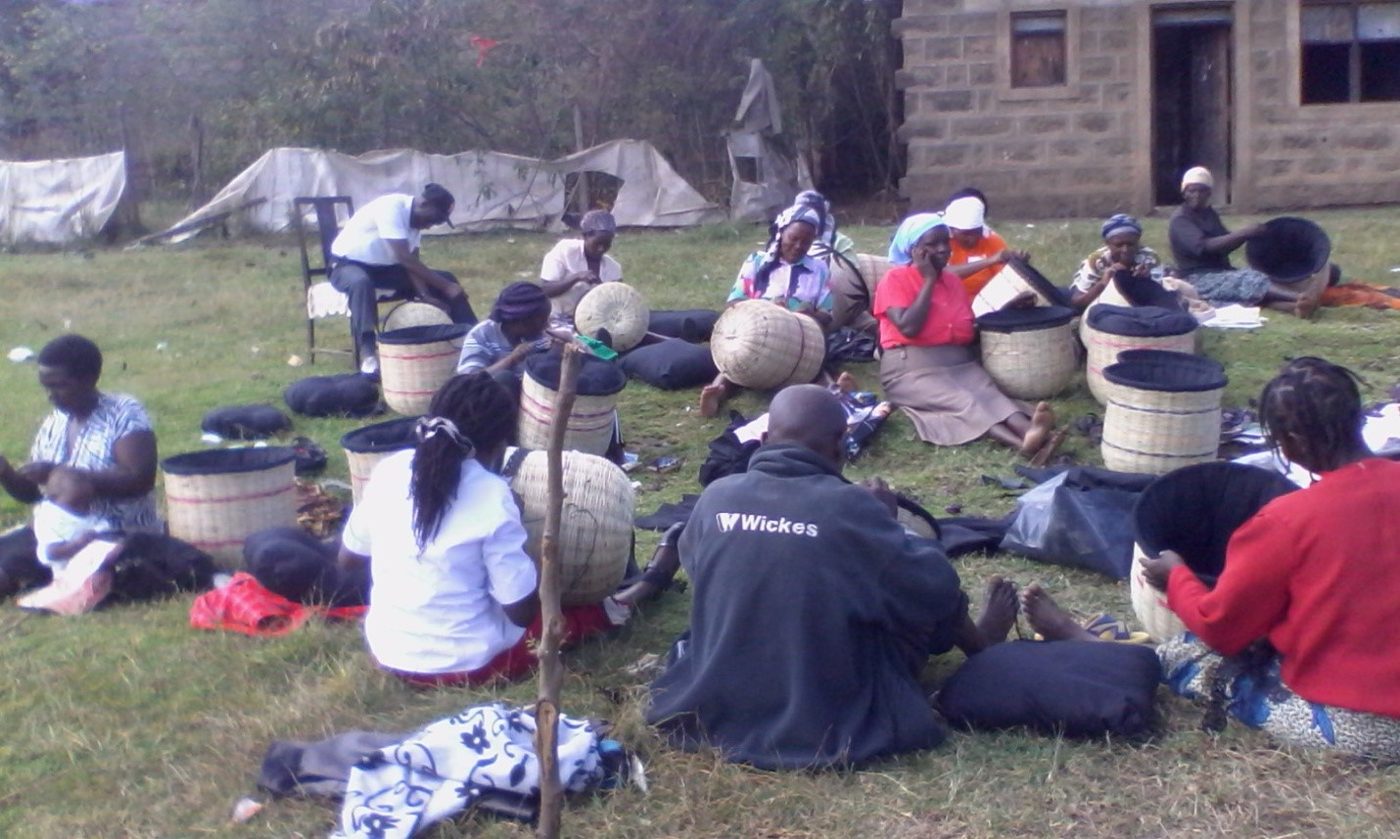
Verified from a women's group in Machakos, Kenya (2025) with photos and cooking logs: beans finished in the basket over four hours after 20 minutes of boiling, against 90 minutes on the fire.
Tools
- Needle and strong thread or sewing machine
- Scissors
- Measuring tape
If you don't have it
- No polystyrene chips? Pack the basket with dry banana fibre, maize husk or wool — anything dry, loose and 100 mm thick all round.
Materials
Dimensions & cut list
An insulated basket that finishes cooking food off the fire after a short boil. These are the reference sizes from Appropedia / Practical Action — scale them to what you have, but keep the ratios.
| Insulation thickness | 80–100 mm all round, including the lid and base |
|---|---|
| Basket cavity | Snug to the pot — 10 mm clearance maximum |
| Initial boil before transfer | Beans 15 min, rice 3 min, stew 10 min |
| Hold time | 2–4 hours; food stays above 70 °C for the first 2 hours |
| Insulating fill | Dry rice husk, sawdust, wool scraps or strawMust be bone dry — damp fill draws the heat away |
| Fuel saving | 40–60% on long-boil foods |
Take this list to the yard
- 1Woven basket or lidded box
- 3 mCotton cloth for liner and cushion bags
- ≈ 30 litresDry husk or sawdust
- 1 m²Reflective inner layer (optional)
Step by step
Step 1 of 6
Size it to the pot
The pot should drop into the basket with 80 – 100 mm of insulation all around and beneath, plus a thick cushion pressed on top. A loose fit means heat loss and undercooked food.
Swipe or use arrow keys
1. Size it to the pot
The pot should drop into the basket with 80 – 100 mm of insulation all around and beneath, plus a thick cushion pressed on top. A loose fit means heat loss and undercooked food.
2. Sew the insulation cushions
Make a base cushion, a wrap-around collar and a top cushion, all firmly stuffed. Quilt them through so the filling cannot slump into the bottom over time.
3. Dry the filling properly
Sun-dry rice husk or straw thoroughly before stuffing. Damp filling conducts heat away, rots, and grows mould inside the cushion.
4. Line for hygiene
Fit a removable inner cloth liner you can wash. Spills happen and a basket you cannot clean gets abandoned.
5. Cook the right way
Bring food to a full rolling boil on the stove — 15 – 25 minutes for beans, 5 – 10 for rice — then transfer the covered pot immediately, pack the cushions tight and close the lid. Do not open it to peek; every look costs you half an hour.
6. Know the timings
Rice 45 minutes, stews 2 – 3 hours, dry beans 4 – 6 hours. Food keeps above 60 °C for several hours, so lunch cooked at breakfast is still hot at noon.
Why mine failed
The ways this build usually goes wrong, and what fixes it.
Food is only warm, not cooked, after two hours
CausePot not brought to a hard boil, or too much air around it
FixBoil hard for the full pre-boil time and transfer instantly with the lid on. The basket must be snug — pack extra cushions around a small pot.
Cooker smells sour and insulation clumps
CauseDamp fill or a pot put in wet
FixDry the fill fully in the sun and always wipe the pot dry before it goes in. Damp husk both robs heat and grows mould.
Safety notes
- Food must reach a full rolling boil before it goes in the basket. A lukewarm start holds food in the bacterial danger zone for hours — this is the one rule that matters.
- Do not hold cooked food in the basket for more than about six hours before eating or refrigerating.
- Never put a pot straight off the fire onto a synthetic foam liner without a cloth barrier; foam melts.
Source & attribution
This plan is our build-step write-up of work documented by Appropedia / Practical Action. The original design and documentation belong to them — go read the source before you build.
Fireless cooker (retained heat cooking) constructionLocal adaptations
What builders changed to make this work where they live.
Wanjiku K. · Machakos, Kenya
Rice husk from the mill costs nothing here. We make baskets in pairs — one cooks lunch while the other holds the morning's porridge warm.
Build this alongside
Plans that use the same materials or serve the same need.
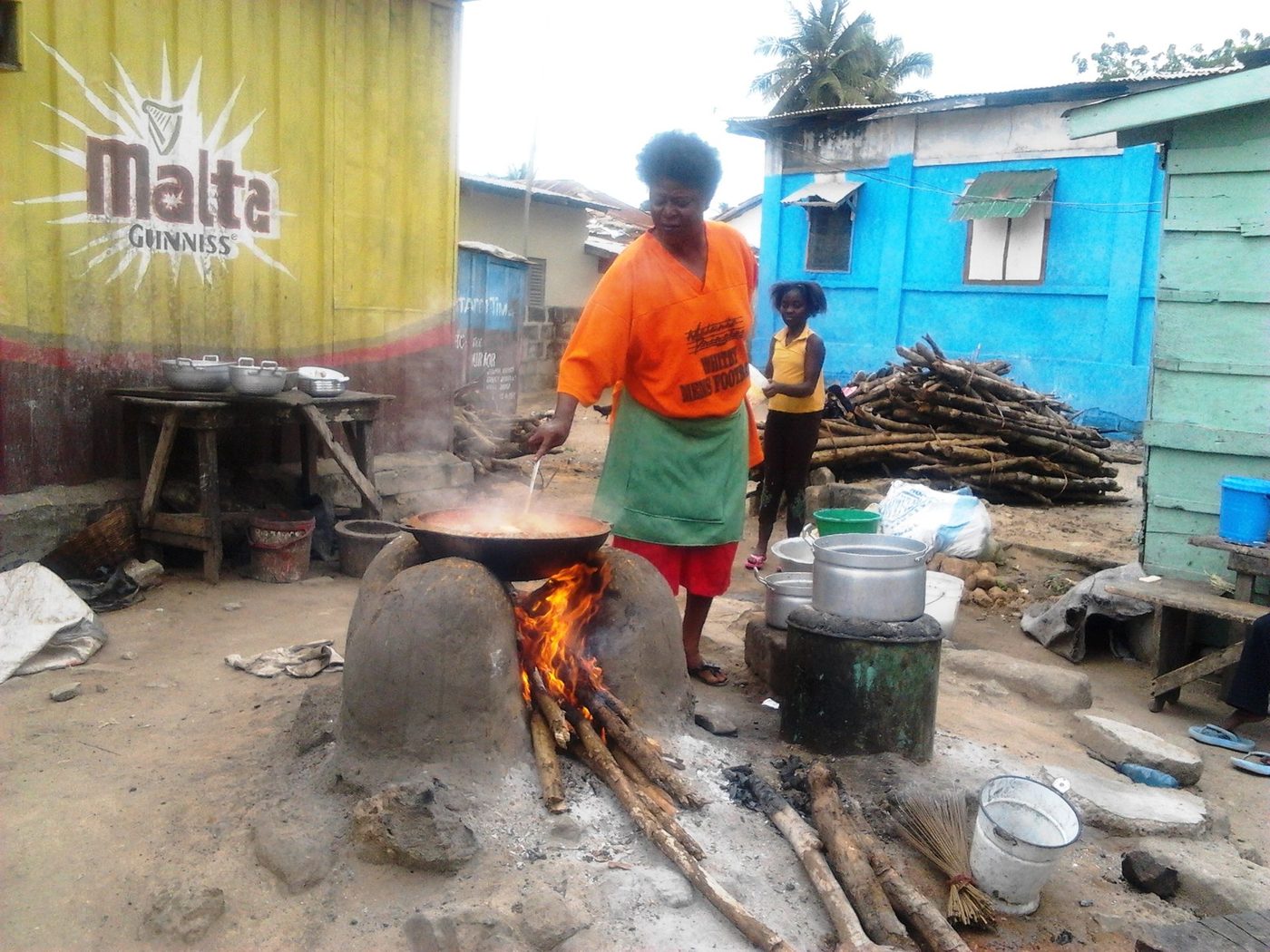
Improved Mud Cookstove with Fuel Shelf
A moulded clay-and-sand stove with a sized combustion chamber and pot skirt that cuts firewood use by roughly a third against a three-stone fire.
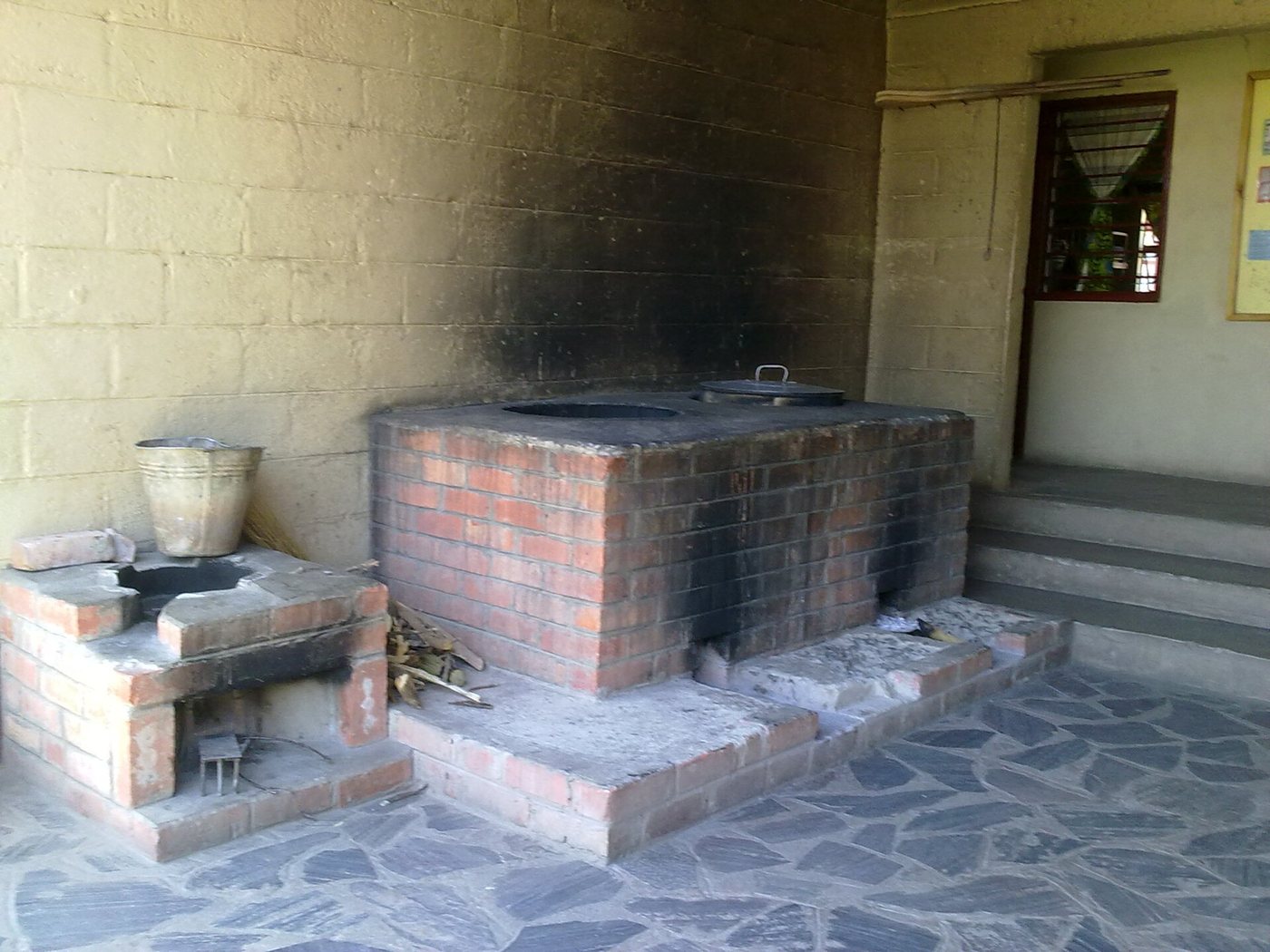
Insulated Brick Rocket Stove
A J-shaped combustion chamber that burns small sticks hot and nearly smoke-free, cutting cooking fuel by half or more.
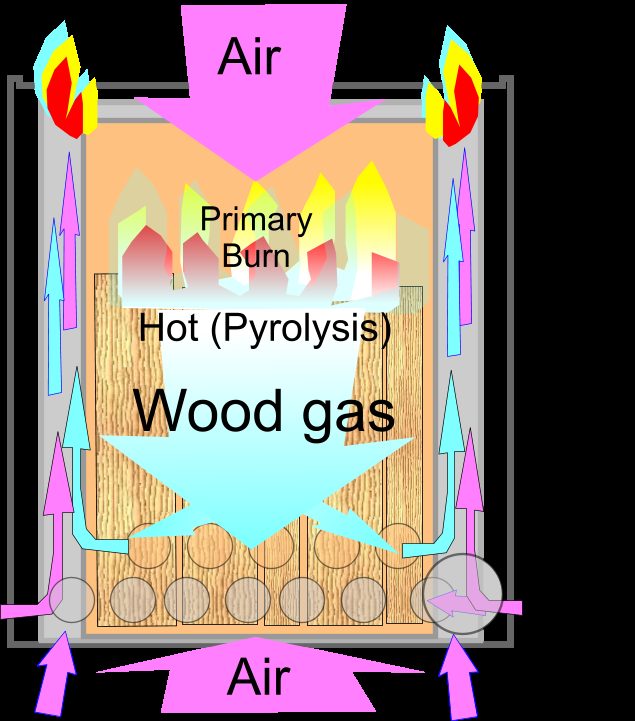
TLUD Gasifier Stove
A top-lit updraft can stove that burns wood gas cleanly with a blue flame and leaves behind biochar instead of ash — cleaner cooking and a soil amendment from one burn.