
Timber & Stone Tank Stand
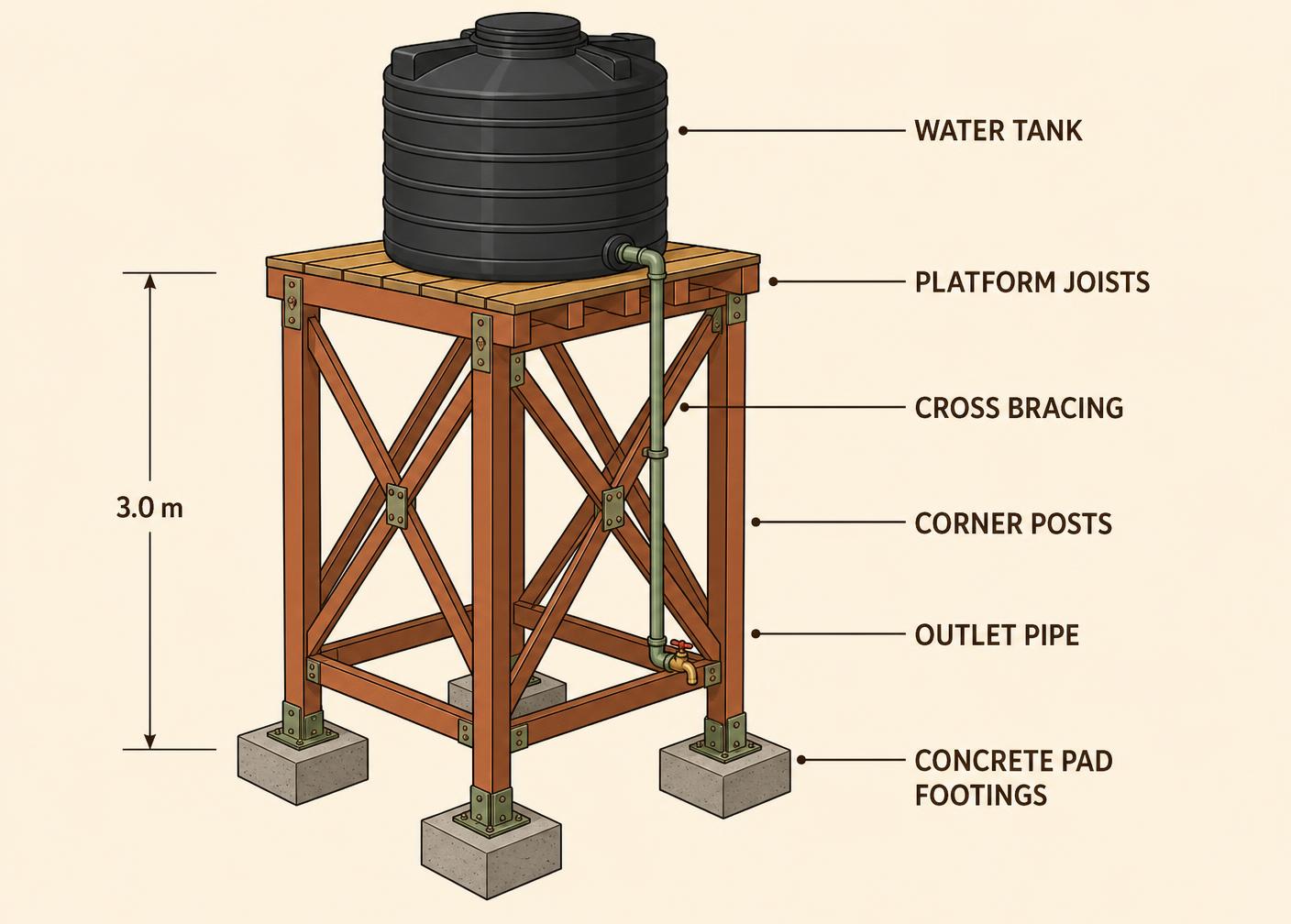
A braced stand that lifts a full water tank safely to head height and gives you gravity pressure at the tap without a pump.
- Estimated cost
- $60 – $250 depending on height and tank size
- Skill level
- Intermediate
- Time
- 2 – 3 days
Not yet verified
No confirmed build with photo proof has been submitted for this plan yet. Built it? Send photos and it earns the badge.
Tools
- Saw
- Spade
- Spirit level
- Spanner set
- Hammer
- Drill
Short a tool or material? Builders below have often swapped something local in — read Local adaptations before you buy anything.
Materials
Dimensions & cut list
A timber or steel stand raising a 1,000 litre tank to give household pressure. These are the reference sizes from Akvopedia — scale them to what you have, but keep the ratios.
| Design load | 1,000 litres = 1,000 kg, plus tank weightWater is heavy — never guess this frame |
|---|---|
| Platform height | 3 m to the tank base≈ 0.3 bar; 10 m of height = 1 bar |
| Platform size | 1.2 × 1.2 m, fully decked |
| Legs | 4 × 100 × 100 mm hardwood or 75 × 75 × 5 mm steel angle |
| Bracing | Diagonal on all four faces, at two levels |
| Footings | 400 × 400 × 500 mm concrete pads |
| Tank support | Continuous flat deck under the whole tank basePoint supports split a plastic tank within months |
| Overflow pipe | Same size as the inlet, piped clear of the footings |
Take this list to the yard
- 4 × 3.5 mLegs (hardwood or steel angle)
- 16Bracing members
- 6 mDeck timber, 50 mm
- 3 bagsCement for footings
- 40Bolts, 12 mm, at every connectionBolt it — nailed water-tank stands come down
- 1Ladder or step access
Step by step
Step 1 of 6
Work out the real load
Water weighs 1 kg per litre. A 1,000 litre tank is a tonne plus the tank itself. Size posts and footings for that load, not for the empty tank you are lifting.
Swipe or use arrow keys
1. Work out the real load
Water weighs 1 kg per litre. A 1,000 litre tank is a tonne plus the tank itself. Size posts and footings for that load, not for the empty tank you are lifting.
2. Cast four footings dead level
Dig and cast footings below topsoil at the exact post spacing, all four tops level with each other. An out-of-level stand loads one post and twists the frame.
3. Stand and plumb the posts
Bolt posts to the footings, plumb them in both directions, and temporarily brace before doing anything else.
4. Brace every face diagonally
Fit cross-braces on all four sides. Racking, not crushing, is what collapses tank stands.
5. Deck the top for full base support
A plastic tank must sit on a continuous flat deck, not on beams — point loads split the base seam. Sand the deck smooth and remove every proud nail head.
6. Plumb inlet, outlet and overflow
Fit a tap low on the tank, an overflow piped clear of the stand, and a screened inlet. Fill slowly the first time and watch every joint.
Why mine failed
The ways this build usually goes wrong, and what fixes it.
Stand leans or sinks on one leg
CauseFootings inadequate for a tonne of water
FixCast 400 × 400 × 500 mm pads on firm subsoil under every leg, and check the platform is dead level before filling.
Plastic tank splits at the base
CauseSitting on joists or point supports
FixDeck the platform solid so the entire tank base is supported. A full tank on bearers will always split along the gaps.
Stand racks and sways when full
CauseMissing diagonal bracing, or nailed joints
FixBrace all four faces at two levels and bolt every connection with 12 mm bolts. Never nail a water-tank stand.
Water pressure still too weak for a shower
CauseNot enough height
FixEvery metre of height gives roughly 0.1 bar. Get the base to 3 m and keep the pipe runs short and at least 20 mm bore.
Safety notes
- Never stand under a tank while it is being lifted or first filled.
- Inspect posts and bolts each year for rot, termites and loosening.
- Keep the stand clear of children's play areas — a collapsing tank is lethal.
Source & attribution
This plan is our build-step write-up of work documented by Akvopedia. The original design and documentation belong to them — go read the source before you build.
Water storage tanks and standsLocal adaptations
What builders changed to make this work where they live.
- No adaptations shared yet for this plan.
Build this alongside
Plans that use the same materials or serve the same need.
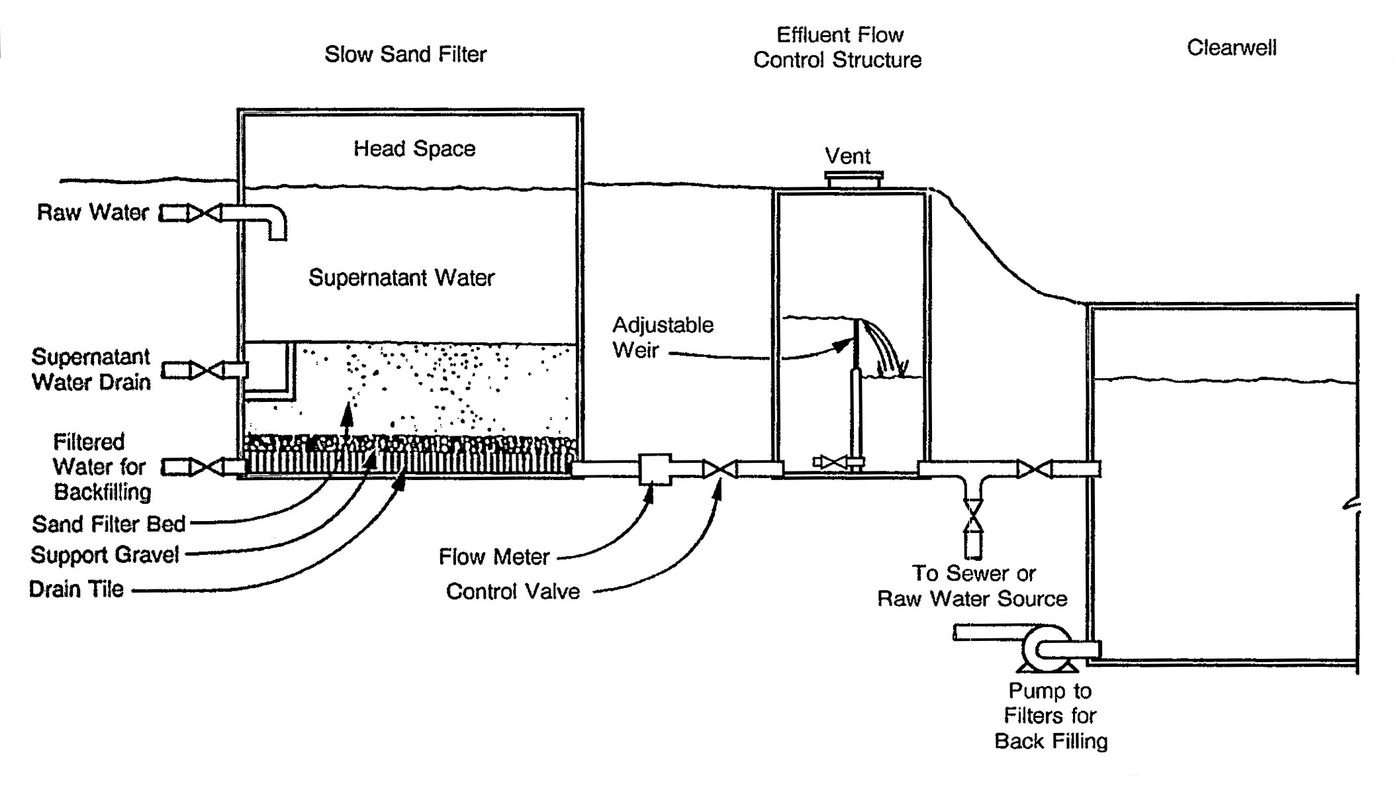
Community Slow Sand Filter
A tank of fine sand with a living biological layer on top that treats a household or small community's drinking water continuously, with no chemicals and no power.
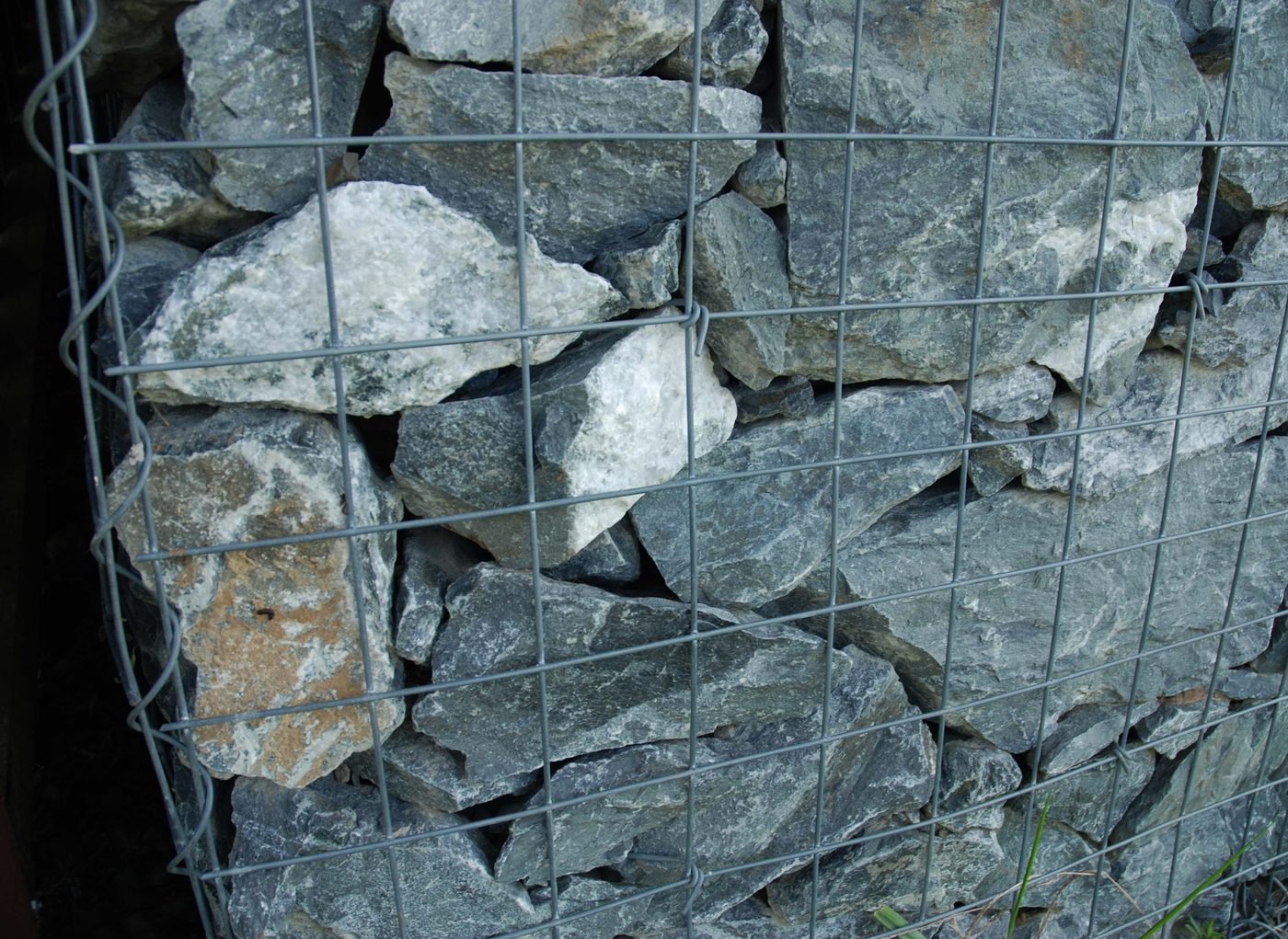
Gabion Check Dam for Gullies
Stack wire baskets filled with stone across an eroding gully to slow runoff, trap silt and let the channel heal itself into a planted terrace.
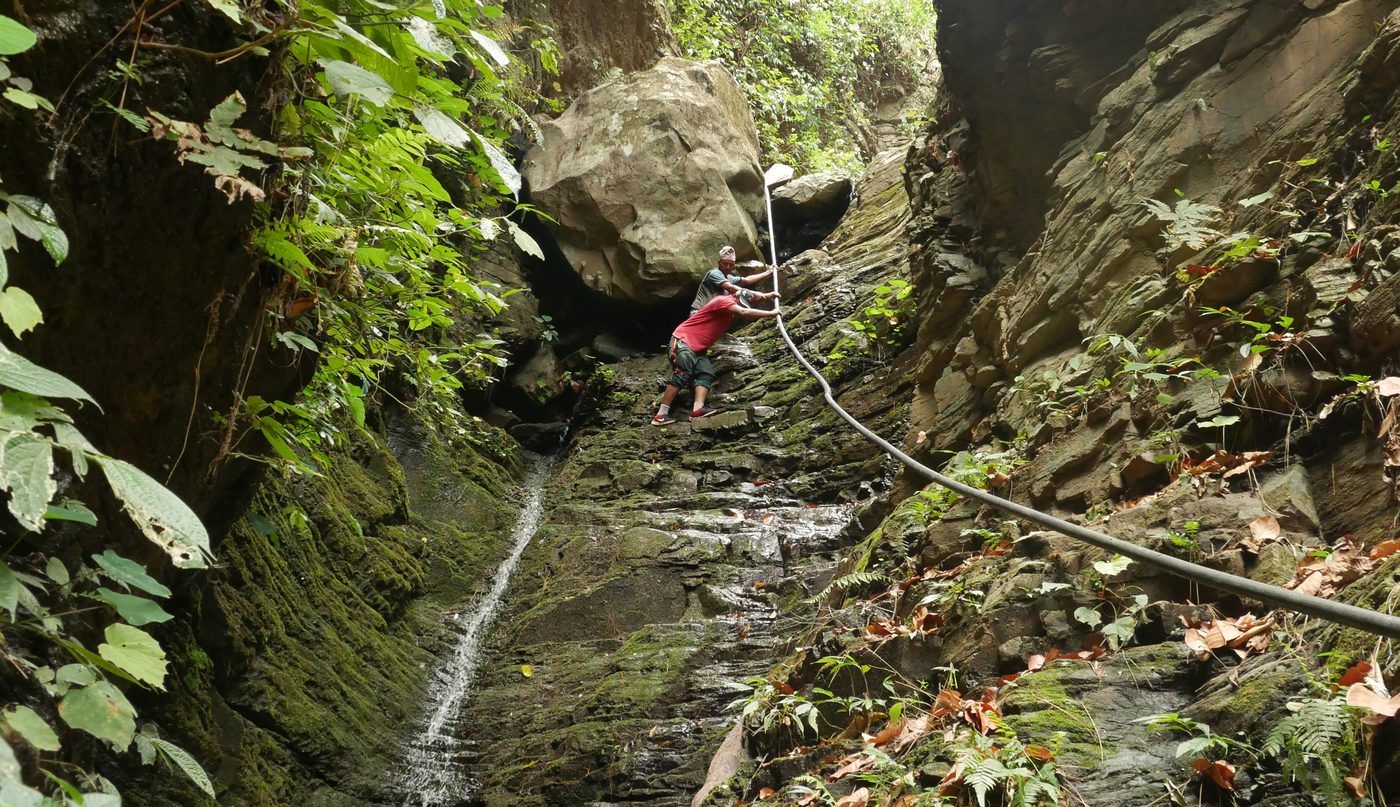
Protected Spring Box
Cap a natural spring at its eye with a sealed masonry box and pipe it to a raised tap, so people collect flowing water that never touches the contaminated surface.