
Recycled Tyre Sandal Workshop
Cut soles from worn car tyres and strap them with inner tube or leather — a sandal that outlasts anything in the market, made from waste.
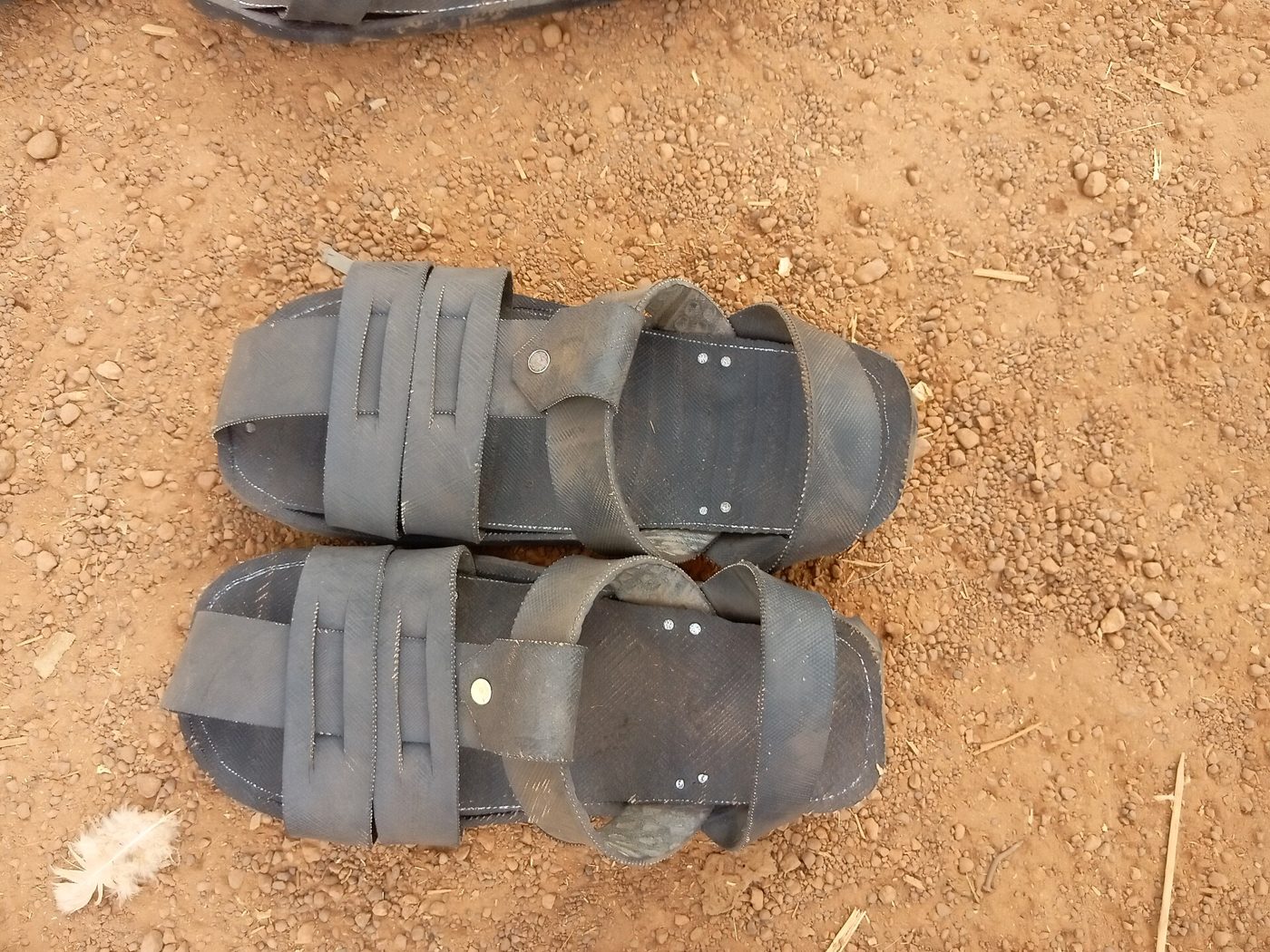
- Estimated cost
- $15 – $60 for knives, awls and a work bench
- Skill level
- Beginner
- Time
- 1 – 2 hours per pair once set up
Not yet verified
No confirmed build with photo proof has been submitted for this plan yet. Built it? Send photos and it earns the badge.
Tools
- Heavy utility knife or hacksaw
- Leather awl and heavy needles
- Hole punch
- Rasp or file
- Hammer and rivet setter
- Sturdy bench with a vice
Short a tool or material? Builders below have often swapped something local in — read Local adaptations before you buy anything.
Materials
- Worn car or light-truck tyres — avoid steel-belted radials where possible
- Inner tube, canvas webbing or leather for straps
- Copper rivets, washers or heavy waxed thread
- Card or thin ply for the sole pattern
- Contact adhesive (optional) for a top layer
Dimensions & cut list
A small workshop cutting durable sandals from worn car tyres, 10–15 pairs a day. These are the reference sizes from Appropedia — scale them to what you have, but keep the ratios.
| Sole thickness | 8–12 mmCut from the tyre sidewall — the tread is too thick and stiff to flex |
|---|---|
| Sole source | Car or light-truck tyre sidewalls, steel-belt-free |
| Strap material | Inner tube, 25–30 mm wide, or leather |
| Strap holes | Punched 6 mm, 15 mm in from the sole edge |
| Fixing | Knotted through the sole from below, or riveted with washers |
| Size range | Cut from card templates in 5 sizes |
| Output | ≈ 8 pairs per car tyre |
Take this list to the yard
- 2 per day of productionWorn car tyres
- 3Inner tubes for straps
- 1 setHeavy shears, sharp knife and a sharpening stoneRadial-belt tyres will destroy your blades — pick sidewalls with no steel
- 16 mm leather punch
- 200Rivets and washers
- 5Sized card templatesTemplates are what make pairs match and the product sellable
- 1 pairCut-resistant gloves
Step by step
Step 1 of 6
Choose the right tyre
Bias-ply and light-truck tyres cut cleanly. Steel-belted radials expose wire that will cut both maker and wearer — if you must use one, seal every edge.
Swipe or use arrow keys
1. Choose the right tyre
Bias-ply and light-truck tyres cut cleanly. Steel-belted radials expose wire that will cut both maker and wearer — if you must use one, seal every edge.
2. Make foot patterns
Draw around each customer's foot on card, add 5 mm all round, and cut two patterns. Feet are not symmetrical; make a left and a right.
3. Cut the soles
Clamp the tyre in a vice and cut with a hacksaw or a heavy knife lubricated with soapy water. Work slowly; cutting towards your hand is how people lose fingers here.
4. Rasp the edges smooth
File the cut edges round and check for exposed cords or wire. Any protruding wire is a wound and an infection.
5. Set the strap points
Punch strap slots between the toes and at each side of the arch. Fit the sandal to the wearer and mark before punching — hole position decides whether it is comfortable.
6. Fit straps and rivet
Thread inner tube or leather straps through the slots, adjust for a snug fit, and rivet or stitch on the underside with the heads recessed so they don't wear through.
Why mine failed
The ways this build usually goes wrong, and what fixes it.
Blades destroyed within a day
CauseCutting through steel-belted tread
FixCut sidewalls only, and check for steel by cutting a test slit. Keep a sharpening stone at the bench and touch up the knife constantly.
Soles are stiff and blister the feet
CauseCut from the tread, too thick
FixTake soles from the sidewall at 8–12 mm and round the edges. The sole must flex with the foot.
Straps pull out
CauseHoles too close to the edge, or knots pulling through
FixPunch holes at least 15 mm in from the edge and back every knot with a washer, or rivet through.
Pairs do not match and stock will not sell
CauseCutting freehand
FixCut every sole from a card template in five sizes, and mark left and right. Templates are what turn this from scrap work into a product.
Safety notes
- Cutting tyres is the main hazard: clamp the work, cut away from your body, wear gloves.
- Steel belt wire causes deep puncture wounds — keep tetanus cover current.
- Ventilate when using contact adhesive.
- Sweep up wire fragments; they end up in bare feet.
Source & attribution
This plan is our build-step write-up of work documented by Appropedia. The original design and documentation belong to them — go read the source before you build.
Tyre sandals and tyre reuseLocal adaptations
What builders changed to make this work where they live.
- No adaptations shared yet for this plan.
Build this alongside
Plans that use the same materials or serve the same need.
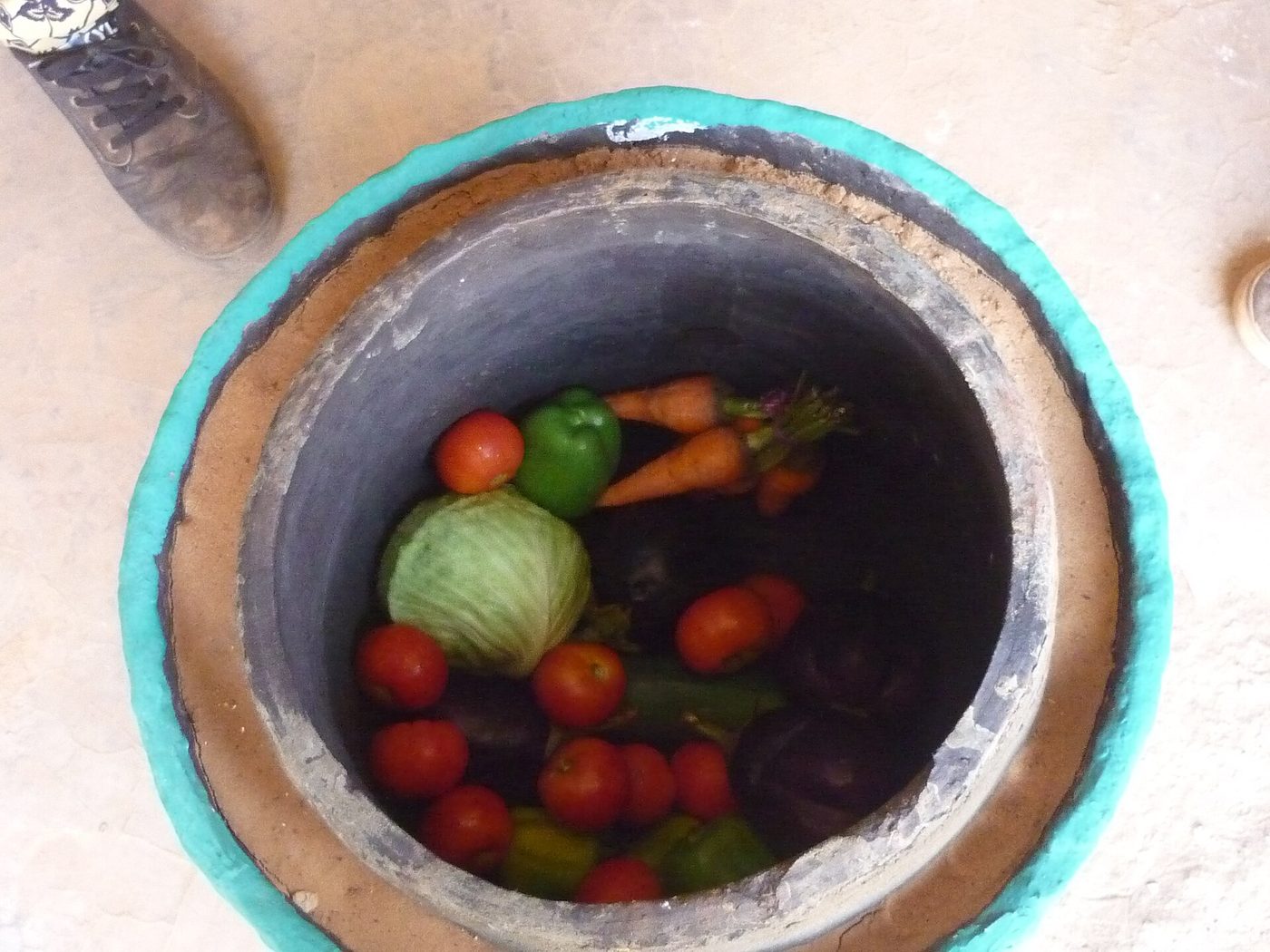
Zeer Pot-in-Pot Evaporative Cooler
Two clay pots with wet sand between them, dropping the inner temperature by 10 – 15 °C and keeping vegetables saleable for days instead of hours.
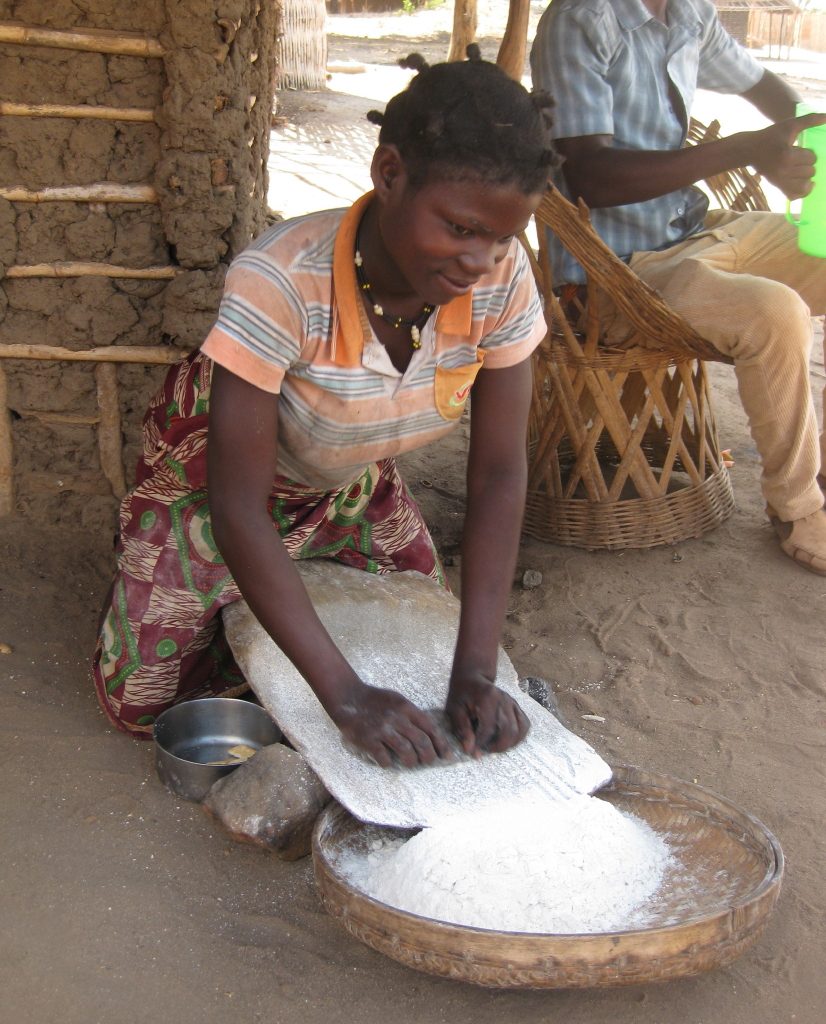
Hand Grain Mill Station
Set a plate or stone mill on a solid waist-high bench with a good hopper and catch tray, and turn grinding from a back-breaking chore into a steady twenty-minute job.
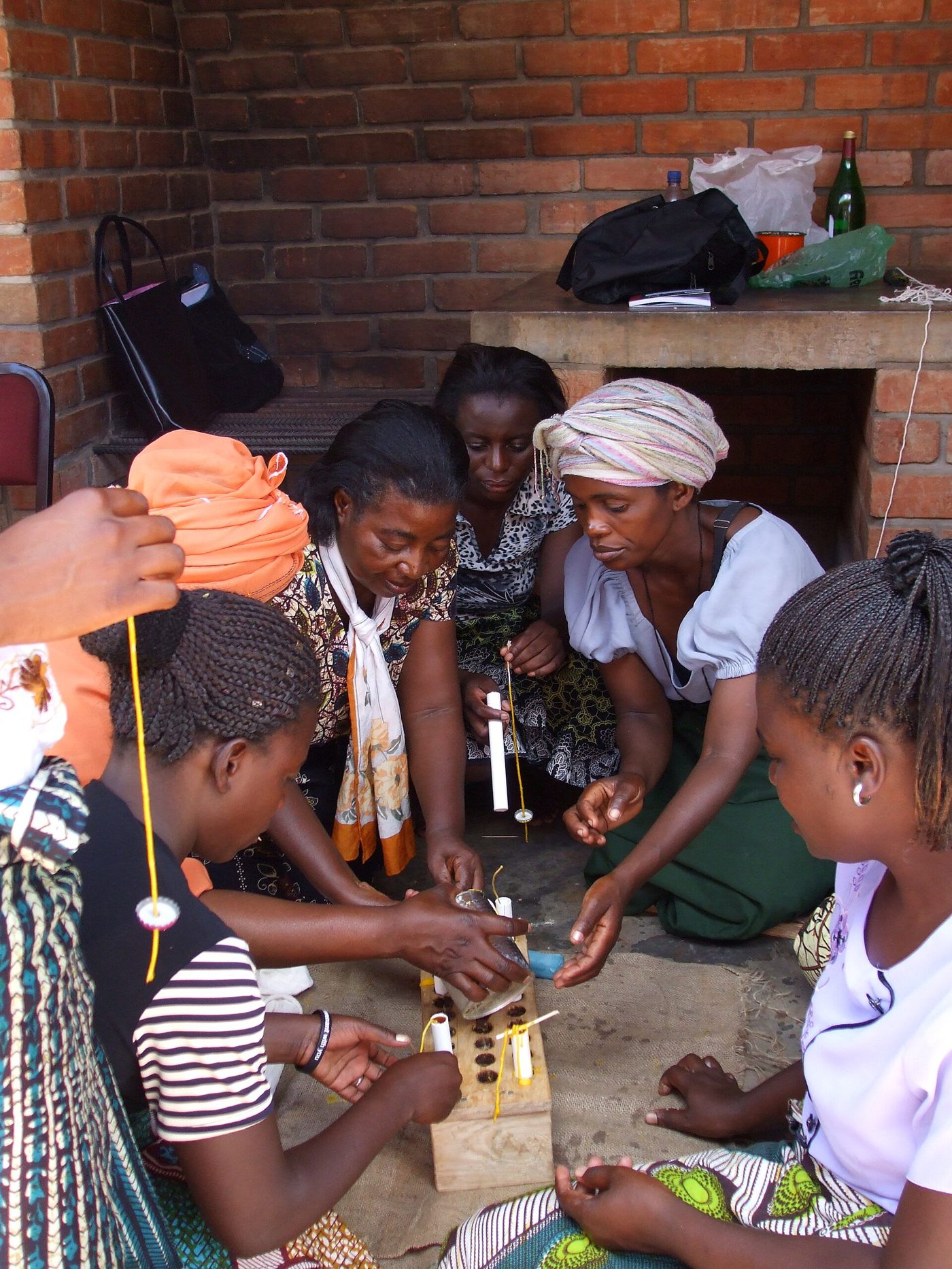
Beeswax Candle Making
Render comb wax from your top-bar hives and dip or mould clean-burning candles — a high-margin product from what most beekeepers throw away.