
Zeer Pot-in-Pot Evaporative Cooler
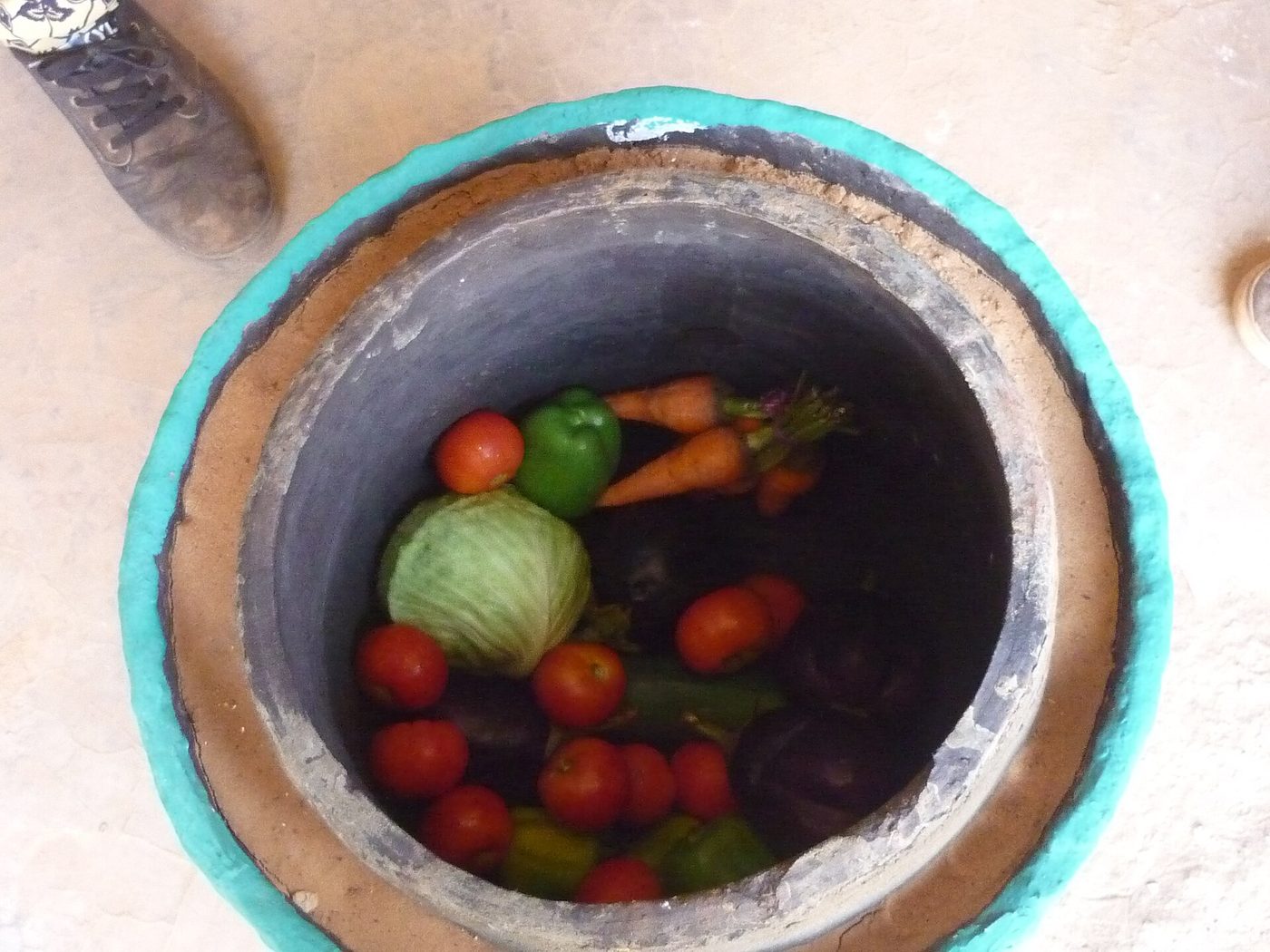
Two clay pots with wet sand between them, dropping the inner temperature by 10 – 15 °C and keeping vegetables saleable for days instead of hours.
- Estimated cost
- $8 – $20 for two pots, sand and cloth
- Skill level
- Beginner
- Time
- 2 hours
Why this is a Verified Build
Verified with photos and a thermometer log from a market trader in Kano, Nigeria (2025): 34 °C ambient, 21 °C inside, tomatoes holding condition for eight days instead of two.
Tools
- Bucket
- Thermometer (useful, not essential)
- Scissors
If you don't have it
- No large outer clay pot? A woven basket lined with plastic sheet holds the wet sand around a single inner pot; keep the sand permanently damp.
Materials
Dimensions & cut list
A two-pot evaporative cooler storing roughly 10 kg of vegetables. These are the reference sizes from Appropedia / Practical Action — scale them to what you have, but keep the ratios.
| Outer pot | 40 cm diameter, unglazed |
|---|---|
| Inner pot | 30 cm diameter, unglazed |
| Sand gap | 4–5 cm all round and under the inner pot |
| Sand fill | Up to 2 cm below the inner rim |
| Cover | Wet cloth or sacking, over both rims |
| Water added | ≈ 2 litres to start, topped up twice daily |
Take this list to the yard
- 2 (nesting)Unglazed clay pots
- ≈ 15 litresClean river sand
- 1Cloth or hessian cover
Step by step
Step 1 of 7
Choose unglazed pots
Both pots must be unglazed and porous — glaze blocks the evaporation the whole thing depends on. Wet a pot and check the outside dampens through within a few minutes.
Swipe or use arrow keys
1. Choose unglazed pots
Both pots must be unglazed and porous — glaze blocks the evaporation the whole thing depends on. Wet a pot and check the outside dampens through within a few minutes.
2. Bed the inner pot
Put a 30 – 50 mm layer of sand in the outer pot and set the inner pot on it, so their rims sit level and there is an even gap all round.
3. Fill the gap with washed sand
Pack washed river sand into the gap, right up to the rims. Wash the sand first — clay fines in the sand hold water but stop it moving to the surface, and the cooler barely works.
4. Saturate the sand
Pour water slowly into the sand until it will take no more. Let it stand 30 minutes and top up again before loading produce.
5. Cover with wet cloth
Lay wet hessian over the top, overlapping the rim. The lid loses as much cool as the walls if it is left open or dry.
6. Site it in shade and breeze
Set it on a stand in deep shade where air moves freely. Sun on the pot defeats it entirely, and still, humid air makes it far less effective — this technology works best in hot, dry conditions.
7. Rewet twice a day
Top up the sand morning and evening, more in very dry heat. Keep produce dry inside and check daily; the cooler slows spoilage, it does not stop it.
Why mine failed
The ways this build usually goes wrong, and what fixes it.
Barely cooler than the room
CauseStanding in still, humid air, or the outer pot is glazed
FixEvaporation needs dry moving air. Move it to shade with a breeze, and use unglazed pots only — glaze stops water passing through.
Sand dries out within hours
CauseNormal in hot dry weather
FixTop up morning and evening. The cooling is the water leaving, so it has to be replaced.
Vegetables rot rather than keep
CauseWet produce sitting against wet sand
FixDry produce before loading, and line the inner pot base with a mat. Leafy greens keep best in a covered basket inside.
Safety notes
- This is not a refrigerator. Never store meat, milk, fish or cooked food in it.
- It is much less effective in humid coastal air — measure with a thermometer before you rely on it for stock.
- Empty and dry the sand every few weeks and scrub the pots; permanently wet sand grows mould and smells.
Source & attribution
This plan is our build-step write-up of work documented by Appropedia / Practical Action. The original design and documentation belong to them — go read the source before you build.
Zeer pot evaporative cooling for vegetable storageLocal adaptations
What builders changed to make this work where they live.
Hauwa M. · Kano, Nigeria
We built a large one from a broken water jar set inside a basin, with a straw mat lid. Holds a full day's tomatoes for the market.
Build this alongside
Plans that use the same materials or serve the same need.
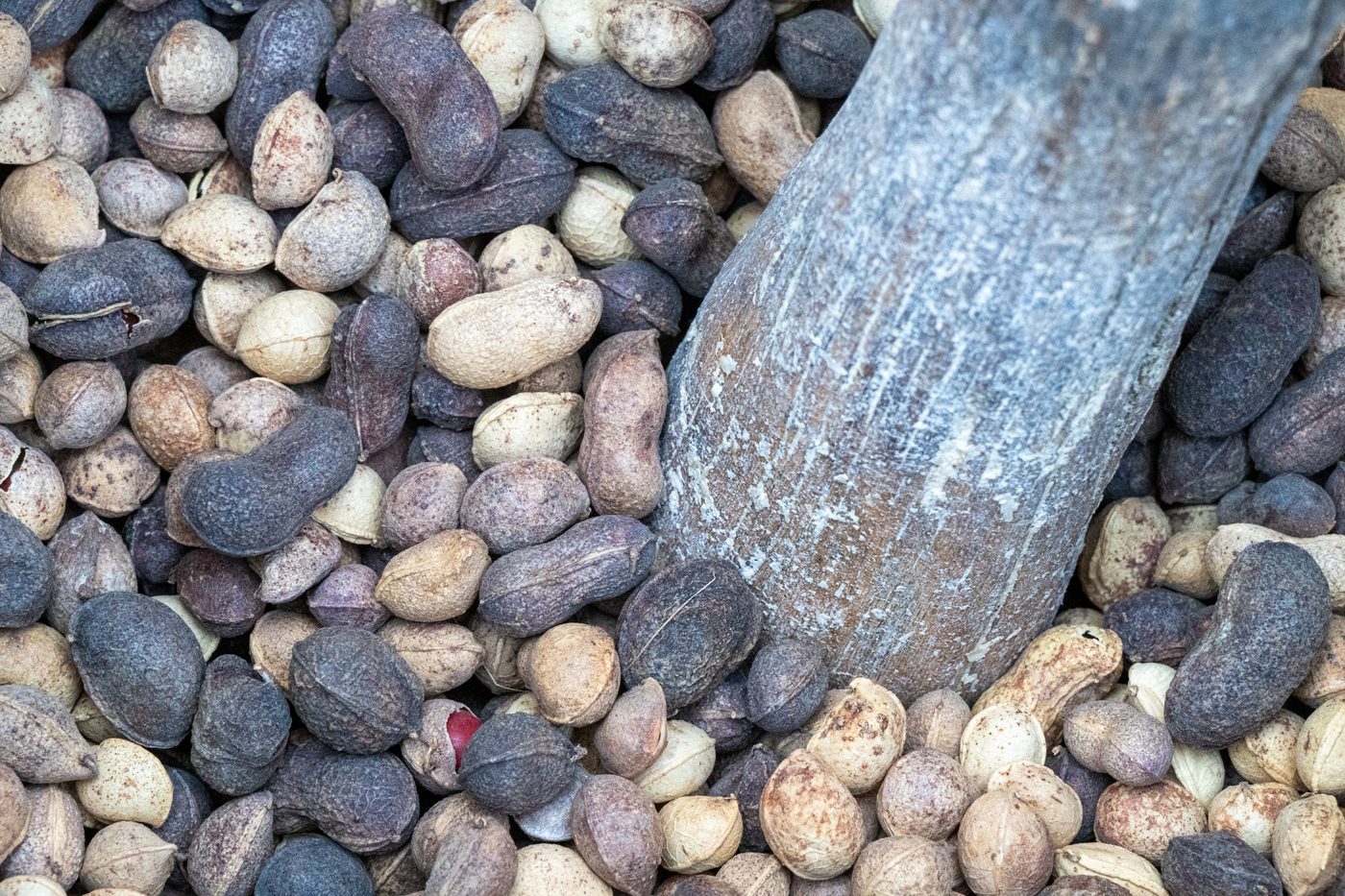
Universal Nut Sheller
Cast a concrete rotor and stator with a tapered gap, crank it, and shell groundnuts fifty times faster than by hand without crushing the kernels.
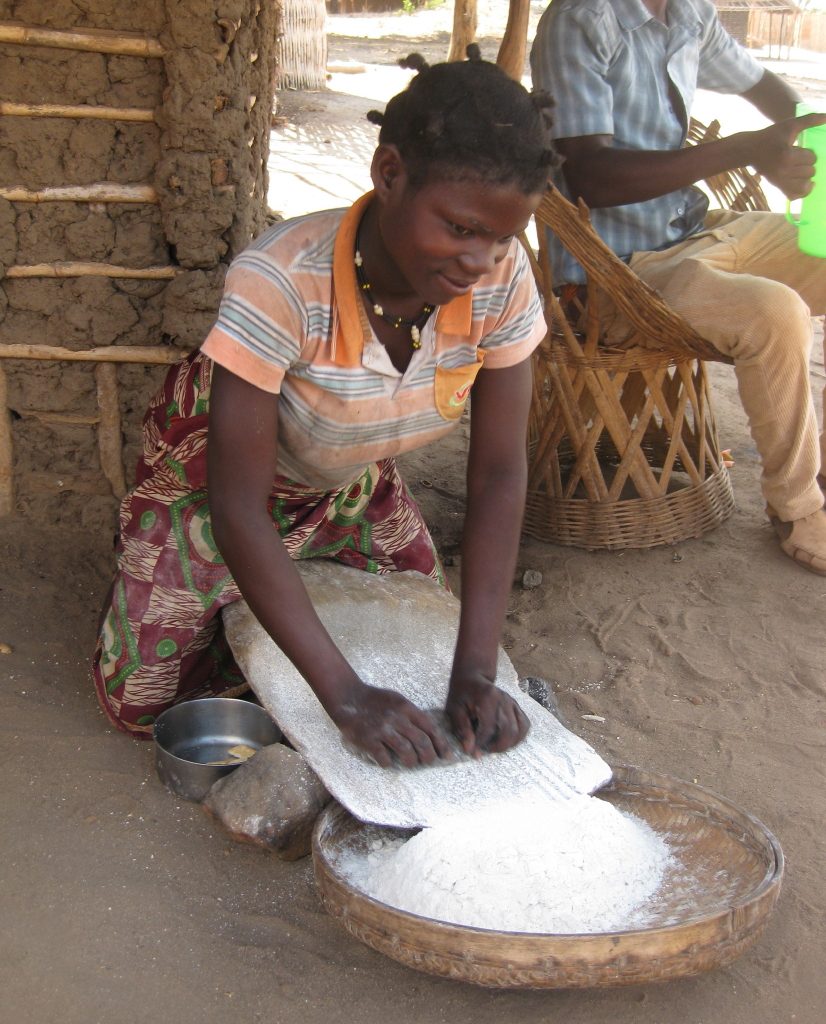
Hand Grain Mill Station
Set a plate or stone mill on a solid waist-high bench with a good hopper and catch tray, and turn grinding from a back-breaking chore into a steady twenty-minute job.
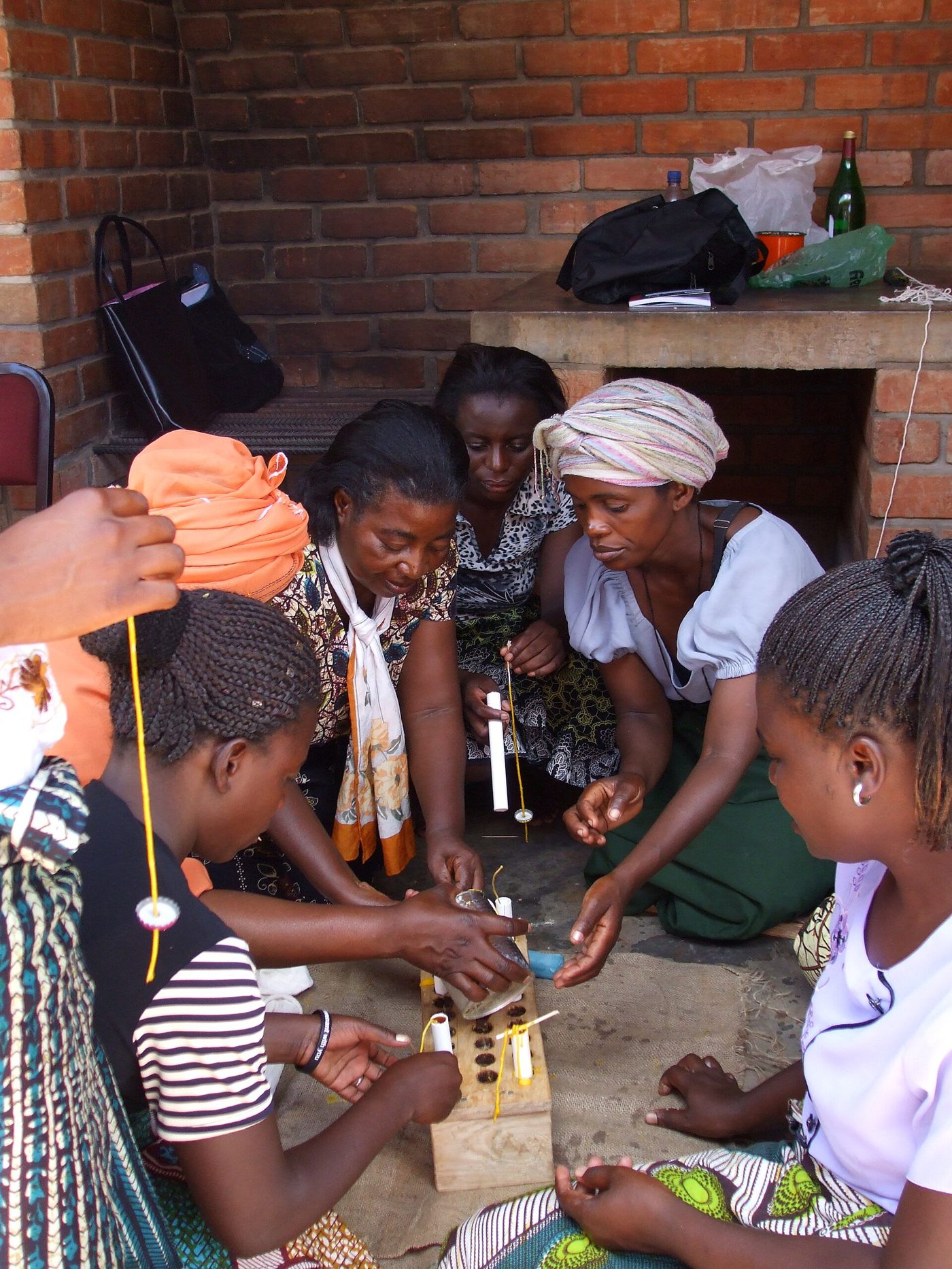
Beeswax Candle Making
Render comb wax from your top-bar hives and dip or mould clean-burning candles — a high-margin product from what most beekeepers throw away.