
Urine-Diverting Dry Toilet
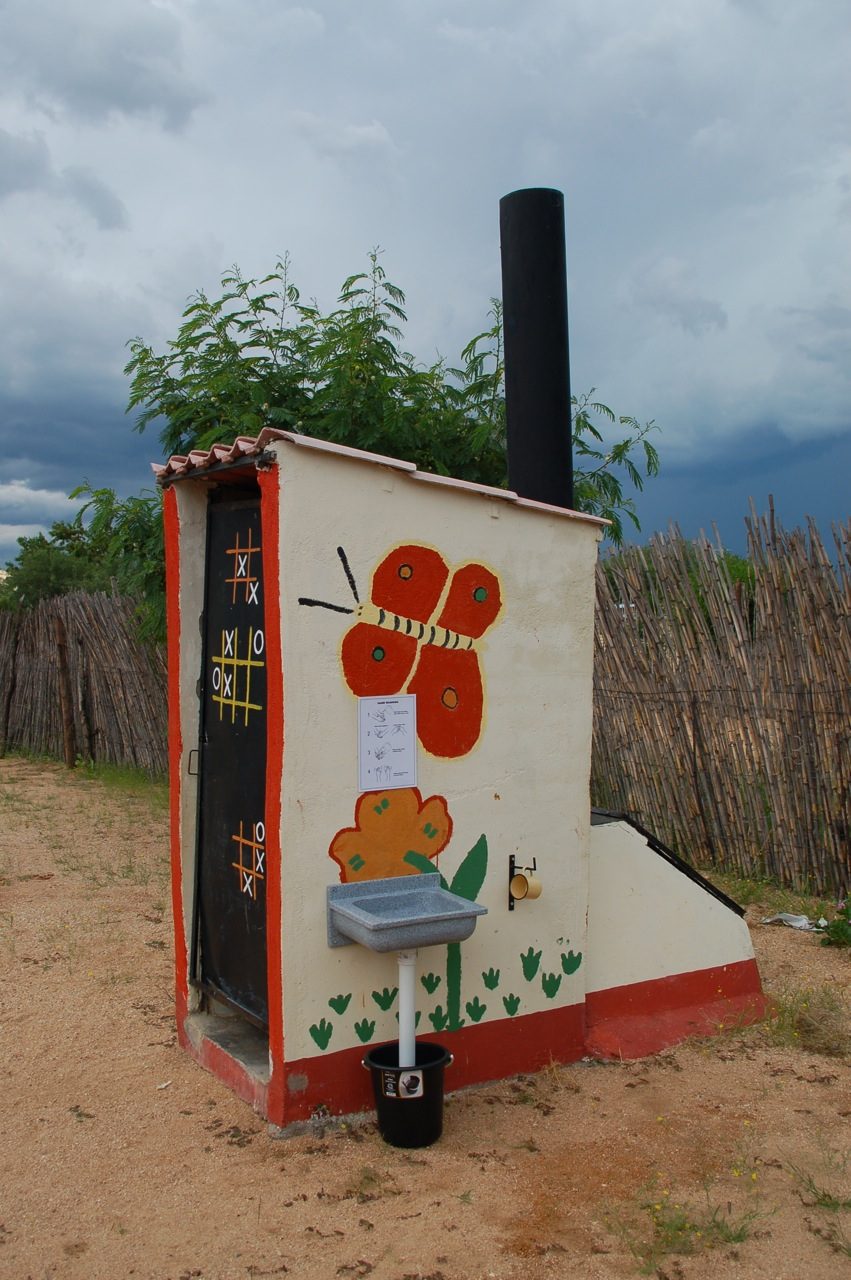
A twin-vault toilet with a diverting pedestal that keeps urine and faeces separate, so faeces dry out odour-free and both streams become usable fertiliser.
- Estimated cost
- $200 – $500 for a twin-vault unit
- Skill level
- Intermediate
- Time
- 1 – 2 weeks
Not yet verified
No confirmed build with photo proof has been submitted for this plan yet. Built it? Send photos and it earns the badge.
Tools
- Trowel and float
- Shovel and wheelbarrow
- Handsaw and hammer
- Hacksaw for pipe
- Spirit level
If you don't have it
- No moulded diversion pan? Cast the pan in mortar over a sand form, or fit a plastic funnel and 20 mm hose at the front of a timber seat.
Materials
- Blocks and mortar for two above-ground vaults
- Urine-diverting squat pan or pedestal
- PVC pipe to a urine jerrycan or soak pit
- Vent pipe with fly screen
- Removable vault access doors
- Dry cover material: ash, lime, dry soil or sawdust
Dimensions & cut list
A double-vault urine-diverting dry toilet for one household, vaults alternated yearly. These are the reference sizes from Appropedia / SuSanA ecological sanitation documentation — scale them to what you have, but keep the ratios.
| Vault volume | 1 m³ each, two vaultsAbout a year for a family of six |
|---|---|
| Squat pan or seat | Urine bowl at the front, drop hole 20–25 cm at the rear |
| Urine pipe | 32 mm, falling at least 1%, short as possibleLong flat runs block with struvite |
| Vent pipe | 110 mm, black, extending 50 cm above the roof |
| Cover material per use | 1 cup of ash, dry soil or sawdust |
| Urine dilution for use | 1 part urine to 3 parts water, applied to soil not leaves |
| Storage before faeces reuse | 12 months sealed, or 6 months with ash and a hot climate |
Take this list to the yard
- 6 bags for slab and two vaultsCement
- 2Urine jerrycan 20 litreOne in use, one resting
- 3 mVent pipe with fly mesh
- 2Vault access doorsTight-fitting, from the outside of the building
Step by step
Step 1 of 6
Build two sealed vaults above ground
Two chambers, each roughly 1 m³, with sealed floors. One is in use while the other rests for 6 – 12 months — the resting time is what makes the product safe.
Swipe or use arrow keys
1. Build two sealed vaults above ground
Two chambers, each roughly 1 m³, with sealed floors. One is in use while the other rests for 6 – 12 months — the resting time is what makes the product safe.
2. Cast the slab and set the diverting pan
Position the pan so the urine channel actually catches urine in normal use. A pan set too far back is the number one reason these systems smell.
3. Plumb urine away with a fall
Run 32 – 50 mm pipe with a continuous fall and no U-bends to a jerrycan or soak pit. Struvite blocks flat runs; flush the line with water weekly.
4. Fit the vent pipe
A dark-painted 110 mm vent from each vault, above roof height, capped with fly screen. The stack draws air through the vault and out, keeping the cubicle fresh.
5. Build the superstructure and door
Light walls, a roof, and vault access doors on the outside face — never inside the cubicle. Add a handwashing station right at the exit.
6. Use with cover material, then swap and rest
A scoop of ash or dry soil after every use. When a vault is full, seal it, switch to the other, and leave it a minimum of six months before emptying.
Why mine failed
The ways this build usually goes wrong, and what fixes it.
Urine pipe blocks solid
CauseStruvite scale in a long flat run
FixKeep the pipe short with at least a 1% fall and no traps. Flush weekly with plain water; clear a blockage with vinegar or a hot citric acid solution, never with a rod that splits the pipe.
Vault smells and attracts flies
CauseUrine reaching the faeces vault, or no cover material
FixSit further back so nothing crosses the divider, and add a cup of ash or dry soil after every use. A vented pipe with fly mesh does the rest.
Vault contents are wet and slumping
CauseWater from washing entering the drop hole
FixWash outside the pan, and add extra dry soil, sawdust or ash. A dry vault composts; a wet one turns anaerobic.
Safety notes
- Treat the faeces vault as infectious until it has rested at least six months. Gloves, boots and handwashing every time.
- Store urine sealed for at least a month before use, and apply it diluted to soil — never to leaves of crops eaten raw.
- Do not apply the faecal product to salad or root crops eaten raw, even after resting.
- Keep the vaults dry. Any water leaking in turns a dry toilet into a foul pit.
Source & attribution
This plan is our build-step write-up of work documented by Appropedia / SuSanA ecological sanitation documentation. The original design and documentation belong to them — go read the source before you build.
Urine-diverting dry toiletLocal adaptations
What builders changed to make this work where they live.
- No adaptations shared yet for this plan.
Build this alongside
Plans that use the same materials or serve the same need.
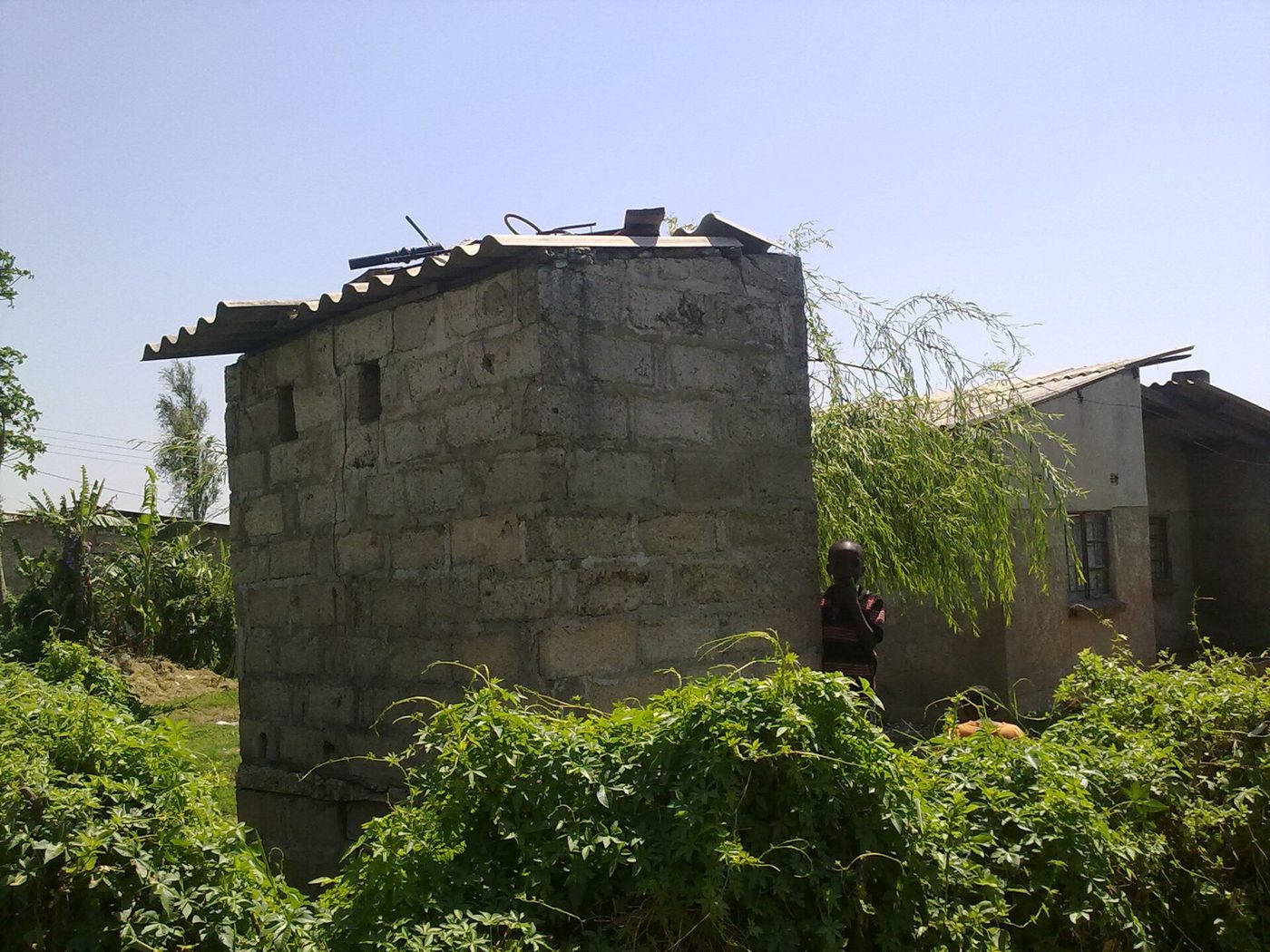
Ventilated Improved Pit Latrine
A lined pit latrine with a dark interior and a screened vent pipe that pulls odour out and traps flies — the standard upgrade from an open pit.
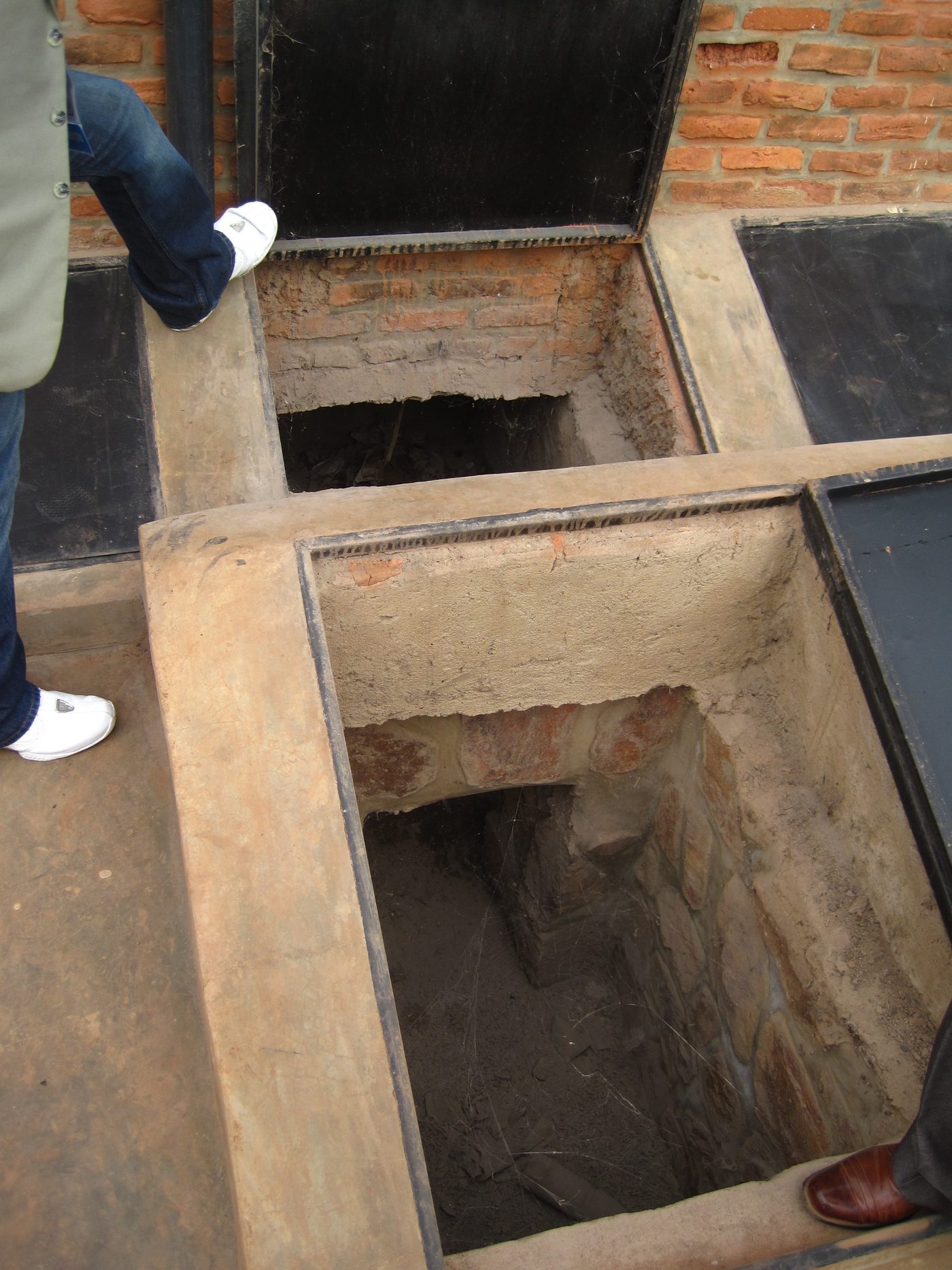
Tiger Worm Toilet
Run a pour-flush or drop toilet onto a bed of composting worms in a drained vault, so faeces are digested in place and the pit fills at a fraction of the usual rate.
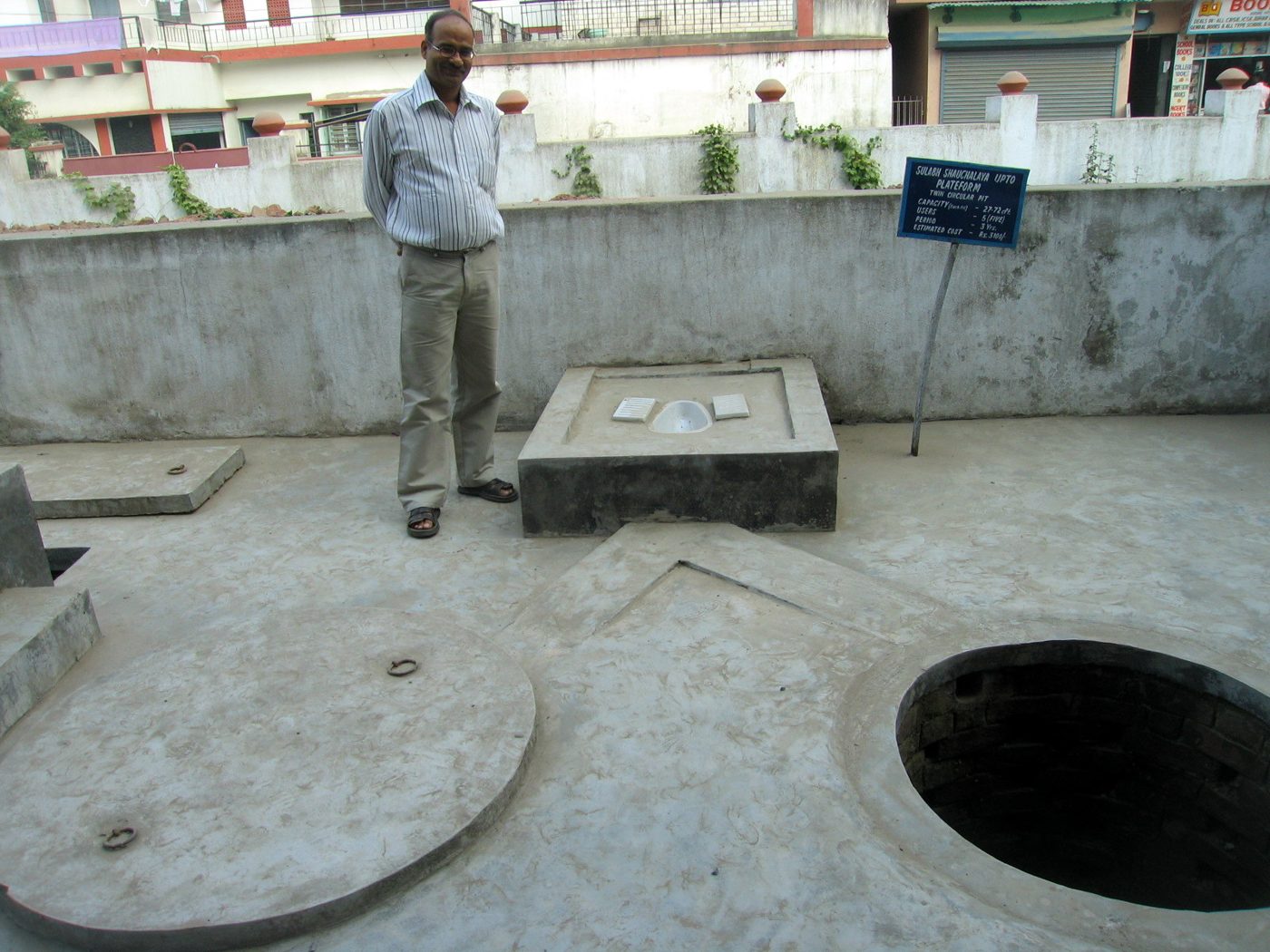
Pour-Flush Latrine Pan & Water Seal
A cast pan with a water-seal trap turns a smelly pit into a clean, fly-free, odour-free toilet — flushed with two or three litres poured by hand.